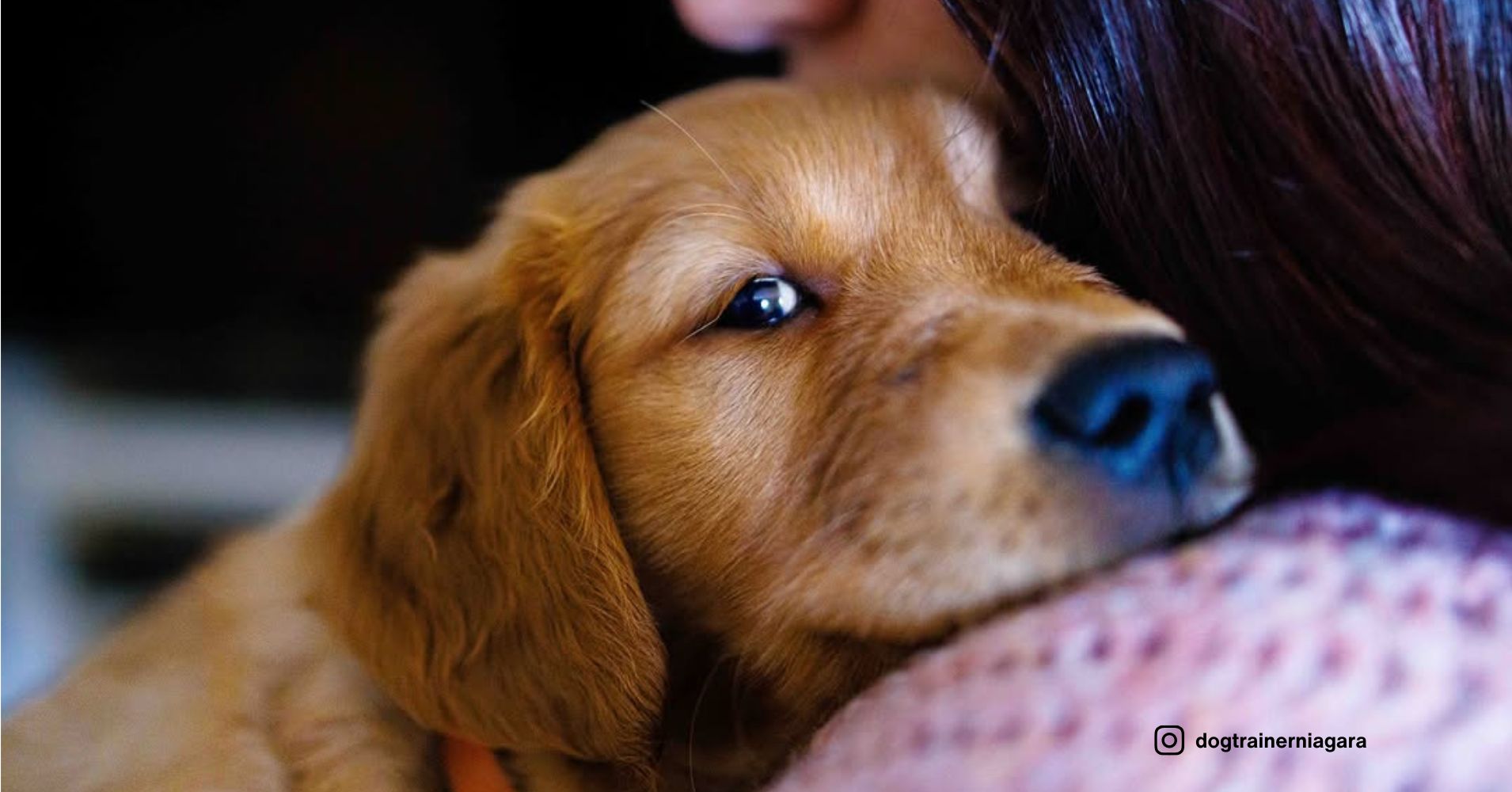
A dog's love is a profound emotional bond characterized by unwavering loyalty, affection, and protection toward human companions. Rooted in over 15,000 years of co-evolution, this unconditional devotion is driven by shared neurochemical mechanisms—such as oxytocin release—and expressed through lifelong acts of companionship, rescue, and steadfast vigilance.
The Biology of Devotion: How Science Explains a Dog's Unconditional Love
For centuries, humans viewed stories of canine devotion through a purely romantic lens. However, modern veterinary science, ethology, and neurobiology demonstrate that a dog’s affection is a measurable, biologically driven phenomenon. When dogs and humans interact positively, both species experience a surge in oxytocin, often referred to as the "love hormone." Research published by Japanese scientist Takefumi Kikusui in the journal Science demonstrated that mutual gaze between dogs and their owners triggers a self-perpetuating oxytocin loop, mimicking the neurochemical bonding process between human mothers and their infants.
Cognitive neuroscientist Dr. Gregory Berns utilized functional Magnetic Resonance Imaging (fMRI) to scan the awake canine brain in his landmark research at Emory University. His studies revealed that the caudate nucleus—the brain region associated with anticipation, reward, and pleasure—lights up significantly when dogs smell their owner's familiar scent, even when compared to the scent of familiar food or other dogs. This proves that dogs do not merely view humans as food providers; they experience genuine emotional warmth and safety in their human partner's presence.
| Biological Driver | Scientific Mechanism | Impact on the Human-Canine Bond |
|---|---|---|
| Oxytocin Loop | Gaze-triggered hormonal release in both species | Deepens mutual empathy and social attachment |
| Caudate Activation | Brain reward response to the owner's scent | Prioritizes human presence over external rewards |
| Co-Evolutionary Genetics | Hypersociability gene variants (e.g., GTF2I gene mutations) | Drives an intrinsic motivation to seek human companionship |
| Stress Reduction (Cortisol) | Lowering of glucocorticoid levels during human contact | Promotes emotional stability and mutual comfort |
This biological alignment is further reinforced by genetic adaptation. During the process of domestication, dogs developed genetic alterations, including changes near the GTF2I and GTF2IRD1 genes, which are associated with extreme social motivation and eagerness to interact with humans. This unique genetic architecture makes the domestic dog uniquely capable of forming cross-species emotional attachments that last a lifetime.
Legendary Tales of Canine Loyalty Across History
Throughout history, extraordinary accounts of dogs demonstrating devotion beyond physical limits have captured human imagination. These historical records document dogs remaining faithful to their owners through severe weather, separation, and even death.
Historical Milestones of Canine Devotion:
- 1858–1872: Greyfriars Bobby guards John Gray's grave in Edinburgh.
- 1925: Balto & Togo lead the Serum Run to Nome, Alaska.
- 1925–1935: Hachikō awaits Hidesaburō Ueno daily at Shibuya Station.
- 2006–2018: Capitán stays vigil at Miguel Guzmán's resting place in Argentina.
Hachikō: Tokyo's Symbol of Eternal Vigilance
Perhaps the most celebrated account of unconditional loyalty is that of Hachikō, a golden-brown Akita born in 1923. Hachikō was adopted by Hidesaburō Ueno, a professor in the agriculture department at the Tokyo Imperial University. Every afternoon, Hachikō walked to Shibuya Station to greet Professor Ueno returning from work.
In May 1925, Professor Ueno suffered a fatal cerebral hemorrhage while lecturing and never returned to the train station. For the next nine years, nine months, and fifteen days, Hachikō walked to Shibuya Station precisely when the afternoon train was scheduled to arrive, waiting patiently until nightfall. Despite harsh winters and initial harassment from passersby before his story was published by Asahi Shimbun in 1932, Hachikō maintained his daily routine until his death in March 1935. Today, a bronze statue of Hachikō at Shibuya Station stands as an enduring global symbol of fidelity.
Greyfriars Bobby: Edinburgh's Faithful Skye Terrier
In mid-19th-century Scotland, a small Skye Terrier named Bobby belonged to John Gray, a night watchman for the Edinburgh City Police. When Gray died of tuberculosis in February 1858, he was buried in Greyfriars Kirkyard. Bobby refused to abandon his master's resting place, spending the remaining 14 years of his life sitting atop Gray's grave.
The local community rallied around the dog. Lord Provost of Edinburgh, Sir William Chambers, paid for Bobby's dog license in 1867 to prevent him from being destroyed as a stray. Bobby guarded the grave until his passing in 1872, after which a granite monument and fountain were erected nearby to honor his devotion.
Capitán: The Faithful German Shepherd of Villa Carlos Paz
Canine devotion is not merely ancient history. In 2006, Miguel Guzmán of Argentina passed away. Shortly after the funeral, his family noticed that their German Shepherd, Capitán, had disappeared. Months later, during a visit to the cemetery in Villa Carlos Paz, the family was astonished to find Capitán sitting quietly by Guzmán’s grave.
The family had never brought the dog to the cemetery, leaving experts to speculate that Capitán tracked his owner's scent across complex terrain. Capitán remained living at the cemetery, cared for by groundskeepers and local animal welfare groups, for over 11 years until his death in early 2018.
Modern Stories of Heroism and Everyday Devotion
Unconditional canine devotion extends beyond historical memorials into modern homes, working sectors, and disaster zones. Every day, service dogs, working dogs, and family pets perform acts of extraordinary selflessness that highlight their capacity for empathy.
Search and Rescue Dogs in Crisis Zones
During natural disasters and urban search-and-rescue operations, working dogs display intense focus and dedication to save human lives. Following major crises, canine handlers consistently document dogs working past physical exhaustion to locate survivors trapped under rubble. These dogs do not work for monetary reward; their motivation stems from training, social play, and an inherent drive to protect and connect with human handlers.
Medical Alert and Service Canines
Modern service dogs showcase devotion through continuous medical vigilance. Diabetic alert dogs are trained to detect subtle changes in human breath and sweat chemistry caused by fluctuating blood glucose levels. Similarly, seizure alert dogs often throw their own bodies beneath their falling owners to break their fall, remaining beside them during and after the episode to provide sensory grounding and protection. This real-time monitoring requires an intense focused attention that stems directly from the human-canine bond.
Everyday Acts of Comfort in the Home
For most pet parents, devotion is not measured in dramatic rescues, but in quiet daily rituals. A dog sitting silently beside an grieving owner, resting a chin on a knee during times of anxiety, or greeting a family member with unbridled joy after a short absence are everyday expressions of affection. Studies show that these small, repeated interactions significantly reduce human heart rates, alleviate symptoms of depression, and decrease blood cortisol levels.
Comparing Historical and Contemporary Examples of Canine Devotion
To understand how canine loyalty manifests across different environments and eras, consider the structural context of these famous cases:
| Dog Name & Breed | Location & Era | Primary Expression of Devotion | Recognized Impact & Legacy |
|---|---|---|---|
| Hachikō(Akita) | Shibuya, Japan(1923–1935) | Waited nearly 10 years at a train station for a deceased owner. | National symbol of loyalty; annual remembrance ceremony at Shibuya Station. |
| Greyfriars Bobby(Skye Terrier) | Edinburgh, Scotland(1858–1872) | Guarded his owner's grave at Greyfriars Kirkyard for 14 years. | Monument erected; inspired literature and civic animal protections in Scotland. |
| Togo & Balto(Siberian Huskies) | Alaska, USA(1925) | Traversed hundreds of frozen miles to deliver diphtheria antitoxin to Nome. | Saved countless lives; celebrated in monuments and modern working dog history. |
| Capitán(German Shepherd) | Cordoba, Argentina(2006–2018) | Tracked his owner's grave independently and lived at the cemetery site. | Global exemplar of canine scent-tracking ability and grief behavior. |
| Modern Service Dogs(Various Breeds) | Global(Present Day) | Continuous monitoring of medical conditions, physical assistance, and emotional support. | Standardized under disability laws; essential daily health partners worldwide. |
How to Recognize and Nurture Your Dog's Emotional Attachment
While every dog expresses affection differently based on temperament, breed traits, and past experiences, specific behavioral cues indicate a strong, healthy attachment to an owner.
Indicators of Healthy Canine Attachment:
- Frequent, relaxed eye contact (oxytocin-seeking behavior)
- Tail wagging accompanied by a loose, full-body wriggle
- Choosing to sleep near or against your body
- Bringing you their favorite toys as a social gesture
- Seeking physical contact during novel or stressful situations
Key Behavioral Indicators of Devotion
- Soft Eye Contact: Direct staring can be interpreted as a threat in canine body language, but soft, relaxed eye contact from your dog releases oxytocin and signals security and affection.
- Physical Proximity: A devoted dog will often choose to rest in the same room as their owner, frequently leaning against their legs or sleeping at their feet.
- Greeting Energy: A loose, sweeping tail wag accompanied by a relaxed body frame upon your return indicates genuine joy and attachment.
- Checking In: During off-leash walks or playtime, a dog that regularly turns around to make eye contact or return briefly to your side is demonstrating strong social orientation toward you.
Actionable Steps to Strengthen the Human-Canine Bond
Building a lifelong relationship of trust and affection requires consistent positive reinforcement, clear communication, and dedicated quality time.
- Engage in Interactive Play Daily: Spend at least 15 to 20 minutes each day engaging in cooperative games like fetch, tug-of-war, or scent work. Joint activities build shared focus and team dynamics.
- Utilize Positive Reinforcement Training: Reward-based training using treats, praise, and play creates a secure learning environment. Avoid punitive methods, which induce fear and undermine emotional trust.
- Establish Predictable Routines: Dogs thrive on consistency. Reliable feeding, walking, and sleep schedules reduce ambient anxiety, allowing your dog to feel safe in your care.
- Practice Purposeful Grooming and Massage: Gentle brushing and calm, slow stroking lower heart rates for both owner and pet, strengthening physical comfort and intimacy.
- Respect Their Boundaries: Pay close attention to subtle stress signals, such as lip licking, yawning, or turning away. Respecting your dog's need for space when they are overwhelmed fosters long-term trust.
Common Misconceptions About Canine Loyalty vs. Resource Attachment
Despite the overwhelming evidence supporting genuine emotional attachment in dogs, several persistent myths obscure how canine affection works.
Myth 1: "Dogs Only Love Us Because We Feed Them"
While food is a powerful primary reinforcer, behavioral science clearly separates resource motivation from social attachment. In cognitive trials, dogs frequently choose praise and interaction with their owners over food rewards when given a direct choice. Furthermore, real-world examples show dogs grieving or maintaining vigils long after food rewards have ceased from their deceased owners.
Myth 2: "Affectionate Behavior is Actually Dominance"
Older training theories often mischaracterized affection-seeking behaviors—such as leaning against an owner's legs or sleeping on the bed—as attempts to establish dominance. Modern veterinary behaviorists have thoroughly debunked the "dominance model." Dogs lean on humans for comfort, safety, and warmth, not as a display of social status.
Myth 3: "All Breeds Express Love in the Same Way"
Canine loyalty varies significantly by breed disposition and individual personality. Working breeds like German Shepherds and Border Collies may express devotion through intense focus, task performance, and protective vigilance. In contrast, companion breeds like Cavalier King Charles Spaniels often show love through physical touch and constant proximity. Understanding your dog's specific genetic drive prevents misinterpreting quieter forms of loyalty as indifference.
Frequently Asked Questions
Do dogs experience real grief when an owner passes away?
Yes, behavioral research indicates that dogs experience acute loss and grief when a primary companion dies. Symptoms can include lethargy, loss of appetite, searching behavior, decreased social interaction, and vocalization. Veterinary behaviorists recommend maintaining familiar routines and offering extra comfort to help grieving dogs adjust.
Why does my dog follow me from room to room?
Following an owner—often referred to as "velcro dog" behavior—is a natural expression of pack attachment and security. Your presence represents safety, social engagement, and companionship. As long as the dog does not display panic or destructive behavior when left alone, following you is a healthy sign of devotion.
How can I tell if a rescue dog with a traumatic past has bonded with me?
Signs of a strong bond in a rescue dog include increased physical relaxation around you, willingness to make soft eye contact, seeking comfort during stressful moments, and actively initiating social interactions. Building trust in a previously traumatized dog takes time, consistency, and patience.
Can a dog form a deep emotional bond with more than one person?
Absolutely. While some dogs naturally select a single primary handler, dogs are inherently social animals capable of forming strong, devoted attachments with multiple family members. Each relationship may manifest differently depending on how family members interact with the dog.
What should I do if my dog shows signs of severe separation anxiety?
Separation anxiety is a panic response to being left alone, distinct from simple loyalty. To manage it, implement gradual desensitization to departure cues, provide high-value puzzle toys when leaving, and maintain calm departures and returns. For severe cases, consult a certified professional canine behaviorist or a veterinary behaviorist.
Building a Lasting Legacy of Mutual Trust
The bond between humans and dogs is one of the most unique cross-species relationships on Earth. Grounded in neurobiology and elevated by historical devotion, a dog's love is a two-way street that flourishes under proper care, clear communication, and mutual respect.
To honor your dog's unconditional devotion, commit to meeting their physical, cognitive, and emotional needs. Provide daily exercise tailored to their energy level, invest in positive-reinforcement training, and dedicate unhurried time each day to strengthen your connection. By taking deliberate steps to understand your dog's subtle language, you repay their loyalty with the safety, health, and love they deserve.