Jimmy Stewart's poem "Beau"—often remembered as the story of a dog named Beau—is one of the most poignant tributes to canine companionship in American popular culture. First brought to widespread public attention during a famous 1981 appearance on The Tonight Show Starring Johnny Carson, Stewart's simple, heartfelt verse captures the endearing quirks, deep loyalty, and profound grief of losing a cherished dog.
The Story Behind Beau: Jimmy Stewart’s Beloved Golden Retriever
Before "Beau" became a iconic literary piece, Beau was a real, living member of the Stewart household. James Maitland Stewart, legendary star of classics such as It’s a Wonderful Life and Rear Window, was an avid dog lover throughout his life. His wife, Gloria Hatrick McLean, shared his passion for animals, and their home in Beverly Hills was frequently filled with rescued pets and beloved purebreds alike.
Beau was a Golden Retriever with a headstrong, irrepressible personality. He was not a trained Hollywood animal or a pristine show dog; instead, Beau was delightfully unruly. He had a reputation for ignoring basic obedience commands, digging up garden beds, barking at unseen intruders, and chewing on the corner of the house.
Despite these behavioral challenges, Stewart developed an extraordinarily tight bond with Beau. The dog established a daily routine of climbing onto Stewart’s bed in the middle of the night, stepping directly onto the actor’s chest, and staring down at him until Stewart moved over to make room. Stewart tolerated Beau's persistent habits precisely because they reflected the dog's affectionate, transparent nature.
The Iconic 1981 Tonight Show Broadcast
On July 28, 1981, Jimmy Stewart appeared as a guest on The Tonight Show Starring Johnny Carson. Stewart was a frequent and beloved guest on the late-night program, known for his relaxed demeanor, hesitant Midwestern drawl, and humorous anecdotes. During this specific broadcast, Carson invited Stewart to share some of his poetry.
"He’d come and climb right up on the bed And stick his nose right in my face, And stare at me and lick my chin..." — Jimmy Stewart, reading "Beau"
Stewart pulled out a piece of paper and began reciting a poem written for Beau. The performance began with lighthearted warmth. The studio audience laughed along as Stewart detailed Beau’s flaws:
- His total refusal to fetch paper or birds.
- His habit of standing on Stewart’s chest early in the morning.
- His stubborn reluctance to obey commands when taken out for walks.
However, as the poem progressed into its final stanzas, the atmosphere in the studio shifted dramatically. Stewart described Beau’s declining health, the quiet room after the dog had died, and the phantom sensation of feeling Beau’s weight on the bed late at night.
As Stewart delivered the final lines—asking God to make room for Beau and let him sleep on the corner of the bed in heaven—his voice cracked, and he paused to fight back tears. When the camera cut back to host Johnny Carson, the comedic legend was visibly moved, quietly wiping tears from his own eyes. The unscripted, raw emotional vulnerability of two major cultural icons elevated the segment into one of the most memorable moments in broadcast history.
Literary Breakdown of the Poem "Beau"
"Beau" works effectively as a piece of narrative verse because of its conversational rhythm, accessible language, and structured emotional arc. Stewart did not write in strict classical meter, preferring a natural, spoken-word cadence that mirrored his famous speaking voice.
- Phase 1: Humor & Behavioral Quirks
- (Stubbornness, refused fetch, chest-standing)
- Phase 2: Intimacy & Nighttime Rituals
- (Warmth on the bed, quiet nocturnal companionship)
- Phase 3: Illness & Pet Loss
- (Veterinary care, quiet house, sudden absence)
- Phase 4: Spiritual Solace & Memory
- (Phantom sensations, prayer for heavenly comfort)
1. Comic Irritation and Everyday Reality
The opening lines establish Beau as a real, imperfect pet rather than an idealized construct. Stewart describes how Beau refused to hunt, how he barked excessively, and how difficult he was to walk on a leash. By grounding the narrative in relatable daily frustrations, Stewart builds authenticity. Every dog owner recognizes the minor annoyances that ultimately make a pet endearing.
2. The Physicality of Canine Affection
The poem transitions from mild complaints to intimate routine. Stewart describes the physical reality of living alongside a large Golden Retriever: the warmth of the dog's body, the awkward weight of paws on his chest, and the dog's steady breathing in the dark. This section highlights how dogs insert themselves into human domestic routines, creating bonds through physical proximity.
3. The Sudden Transition to Loss
The narrative pivot occurs abruptly, mimicking how pet illness and loss often feel to owners. Stewart briefly mentions veterinary visits and a house fire incident during which Beau refused to move until Stewart came to fetch him, underscoring the dog's absolute trust in his master. This leads directly to Beau's eventual passing and the silence left in the household.
4. Spiritual Solace and Grief
The concluding stanza deals directly with bereavement. Stewart describes waking up in the night, reaching out in the dark, and momentarily believing he feels Beau sleeping at his feet. The poem concludes with a tender prayer, requesting that God welcome Beau into heaven and permit him to sleep on the corner of the bed, just as he did on Earth.
Narrative Breakdown of Stewart's Tribute
| Story Phase | Key Narrative Elements | Emotional Tone | Central Insight |
|---|---|---|---|
| Behavioral Quirks | Disobedience, refusal to fetch, chewing house corners, relentless barking | Lighthearted, humorous, self-deprecating | Real affection embraces a pet's flaws rather than demanding perfection. |
| Domestic Rituals | Climbing onto the bed at 5:00 AM, standing on Stewart's chest, resting together | Intimate, warm, comfortable | Routine physical interactions form the bedrock of human-canine bonding. |
| Crisis & Decline | Refusal to leave during house smoke, illness, veterinary intervention, passing | Somber, reflective, tense | Loyalty flows in both directions during moments of vulnerability and crisis. |
| Grief & Legacy | Empty bed, phantom sensation of weight, prayer for heavenly rest | Heartbreaking, hopeful, reverent | Pet loss leaves a tangible spatial void that memory and love work to fill. |
Why "Beau" Resonates: The Psychology of Pet Grief
The lasting popularity of Stewart's poem lies in how accurately it reflects the human experience of losing a companion animal. For generations, society often minimized pet loss, expecting owners to move past the death of a domestic animal quickly. Stewart's public recitation validated pet bereavement at a cultural level.
Psychological research into human-animal bonds emphasizes several key factors that explain why Stewart's recitation impacted millions:
- Disenfranchised Grief Validation: Pet loss is often categorized as disenfranchised grief—grief that is not always openly acknowledged or socially supported. By weeping publicly on national television over a dog, Stewart granted permission for millions of viewers to honor their own pet loss.
- Reframing Masculine Emotion: As a decorated World War II bomber pilot, Brigadier General in the Air Force Reserve, and classic Hollywood hero, Jimmy Stewart embodied traditional American masculinity. His willingness to show uninhibited vulnerability normalized emotional expression for men across the country.
- The Power of Specificity: Rather than speaking in broad philosophical generalities about animals, Stewart focused on hyper-specific memories: the feeling of dog hair on the blankets, the sound of paws on hardwood floors, and the awkward morning wake-up routine.
Legacy and Book Publication
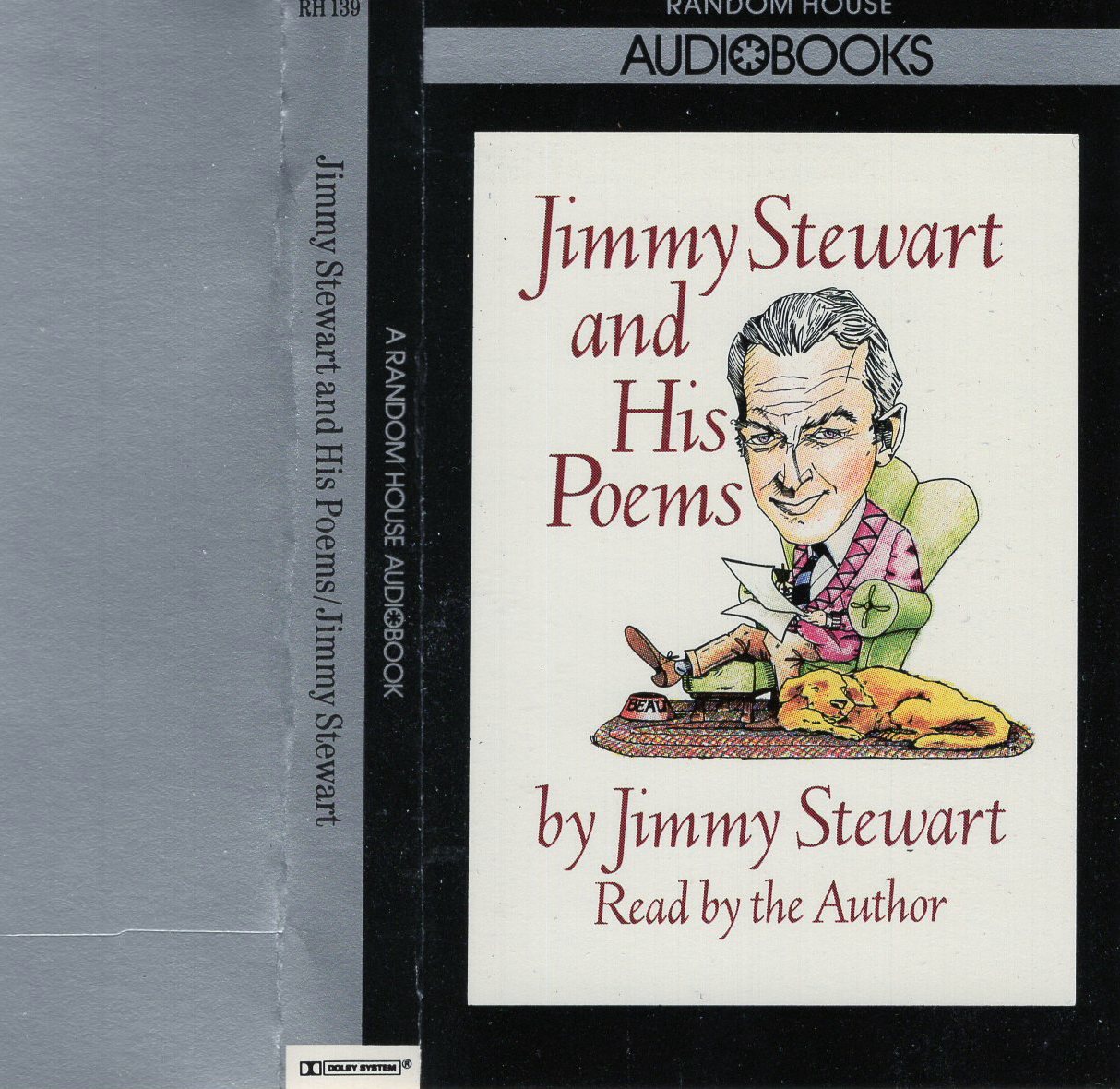
Following the overwhelming audience reaction on The Tonight Show, requests poured in for copies of the text. In 1989, Crown Publishers released Jimmy Stewart and His Poems, a slim volume gathering several verses written by the actor throughout his life.
While the collection included lighter poems about Stewart's international travels, his photography hobbies, and family life, "Beau" served as the centerpiece of the book. The volume became a bestseller, purchased widely by dog owners, fans of classic cinema, and individuals seeking comfort after pet loss.
"And now he's dead. And there are nights when I think I feel him Right beside me on the bed. And I reach out my hand to stroke his hair, But he's not there." — From "Beau" by Jimmy Stewart (1989, Crown Publishers)
In subsequent decades, audio recordings and video clips of Stewart's performance have continued to circulate widely across digital archival platforms, radio broadcasts, and pet loss support groups. The story remains a standard reference point in discussions of how literature and performance can help people process animal bereavement.
Frequently Asked Questions
What breed of dog was Beau in Jimmy Stewart's poem?
Beau was a Golden Retriever. He was known for his energetic, headstrong demeanor, yellow coat, and stubborn habit of ignoring standard hunting and fetching commands.
When did Jimmy Stewart read the poem about Beau on The Tonight Show?
Jimmy Stewart recited the poem on July 28, 1981, during a guest appearance on The Tonight Show Starring Johnny Carson. The segment became one of the most requested clips in the program's history.
Was "Beau" a real dog owned by Jimmy Stewart?
Yes, Beau was a real pet owned by Jimmy Stewart and his wife, Gloria. The behavioral habits, bedtime routines, and final illness described in the poem were based on Stewart's actual experiences living with the dog in California.
Where can I read the full text of Jimmy Stewart's poem "Beau"?
The poem was officially published in the 1989 book Jimmy Stewart and His Poems, published by Crown Publishers. It is also available in numerous literary anthologies dedicated to American poetry and canine literature.
Why did Johnny Carson cry during Jimmy Stewart's poem?
Johnny Carson was moved to tears by the combination of Stewart's emotional delivery, the relatable narrative of pet loss, and the sudden shift from humorous anecdotes to genuine grief as Stewart described missing his deceased dog.
Preserving the Memory of a Cherished Pet
Jimmy Stewart's "Beau" demonstrates that the pain of losing a dog stems directly from the depth of joy they bring to daily life. For those currently navigating the loss of a pet, Stewart's narrative offers a constructive model for processing grief:
- Acknowledge the Specific Memories: Rather than suppressing painful reminders, write down or speak about your pet's funny habits, stubborn behaviors, and daily routines.
- Permit Unfiltered Grief: Recognize that grieving a pet is a healthy, natural reaction to losing a family member who provided unconditional companionship.
- Create a Dedicated Memorial: Whether through a written poem, a framed photograph, a planted garden tree, or a donation to an animal rescue shelter, creating a tangible tribute helps transform sorrow into lasting appreciation.
By sharing the story of his mischievous Golden Retriever, Jimmy Stewart provided generations of animal lovers with a timeless reminder that while pets may leave our homes, the warmth of their presence remains permanently etched in memory.