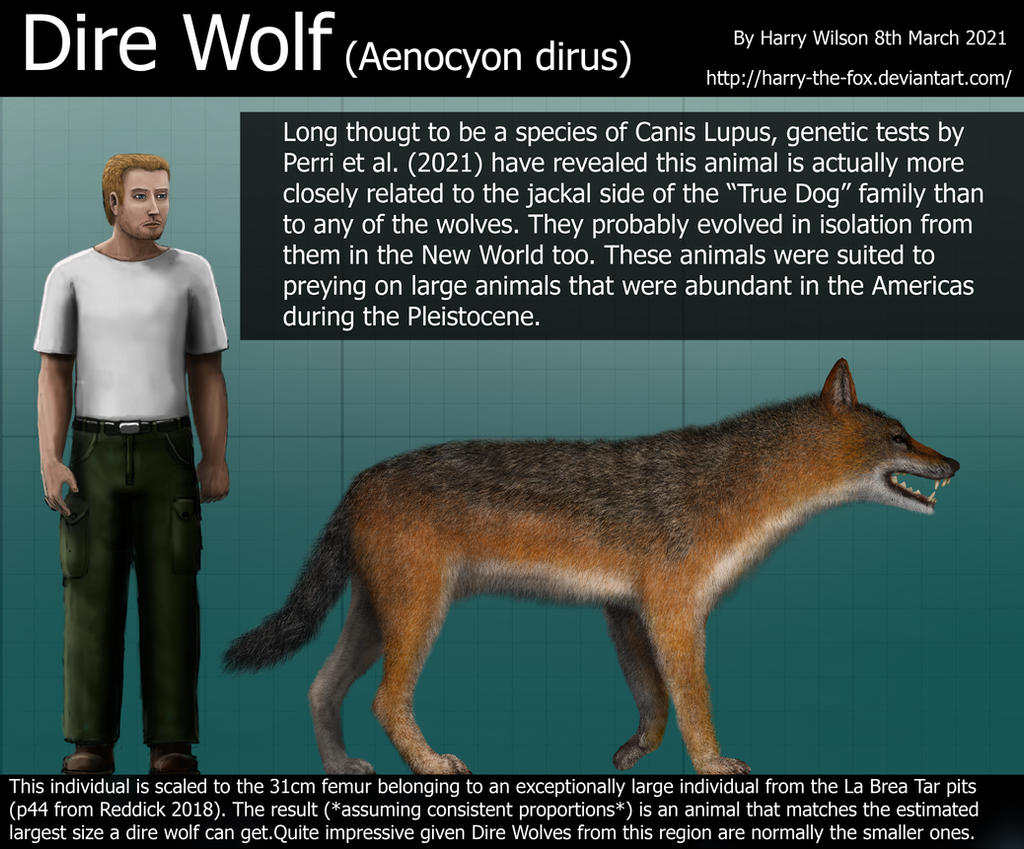
There are currently zero living dire wolves (Aenocyon dirus) in existence. As a prehistoric species, dire wolves went extinct approximately 10,000 to 13,000 years ago at the end of the Pleistocene epoch. While thousands of their fossilized remains have been recovered, particularly from the La Brea Tar Pits, they are biologically extinct.
The question of "how many" dire wolves there are typically stems from three distinct interests: the number of fossil specimens discovered by paleontologists, the status of modern dog breeds that use the "dire wolf" name, and the historical population density of the species before its disappearance. To understand the current status of this apex predator in 2026, one must distinguish between the biological organism that once roamed North America and the modern cultural or domestic echoes of the name.
The Current Status of the Dire Wolf in 2026
From a biological and conservation standpoint, the dire wolf is categorized as extinct. There are no surviving individuals, and unlike some species currently targeted for "de-extinction" (such as the woolly mammoth or the thylacine), there are no active, peer-reviewed scientific projects currently attempting to clone or resurrect the Aenocyon dirus.
While the living population is zero, the "fossil population" is remarkably high. In the field of paleontology, the dire wolf is one of the best-represented extinct carnivores in the world. At the La Brea Tar Pits in Los Angeles, California, researchers have recovered the remains of more than 4,000 individual dire wolves. This high concentration has allowed scientists to study the species with a level of statistical detail rarely possible for prehistoric animals, including their growth rates, injury patterns, and genetic history.
The disparity between their former abundance and their total absence today is a primary focus of Late Pleistocene research. During their peak, dire wolves were the most common large carnivores in North America, outnumbering gray wolves and competing successfully with sabertoothed cats.
Understanding Aenocyon Dirus: Why They Are Not Just Large Gray Wolves
For decades, the dire wolf was classified as Canis dirus, suggesting it was a close relative or a direct ancestor of the modern gray wolf (Canis lupus). However, significant genomic research published in the early 2020s fundamentally changed our understanding of the species.
DNA sequencing of dire wolf remains revealed that they were not part of the Canis genus at all. Instead, they belonged to a highly divergent lineage that split from the ancestors of modern wolves and coyotes approximately 5.7 million years ago. This discovery led to their reclassification into their own genus, Aenocyon, meaning "terrible wolf."
This genetic isolation is a key factor in why they are extinct today. Unlike gray wolves, which evolved in Eurasia and later migrated to North America—maintaining a level of genetic flexibility—the dire wolf evolved in isolation in the Americas. When the environmental pressures of the Younger Dryas period began to take hold, the dire wolf lacked the behavioral or biological adaptability of its distant cousins. They were hyper-specialized hunters of megafauna, and when their prey disappeared, so did they.
The Fossil Record: Where Most Specimens Are Found
When discussing how many dire wolves exist in the context of scientific data, we refer to the "Minimum Number of Individuals" (MNI) recovered from geological sites. These numbers provide the only tangible census we have of the species.
The La Brea Tar Pits (California)
This is the primary source of our knowledge. The natural asphalt seeps acted as a predator trap; a large herbivore would get stuck, and its distress calls would attract packs of dire wolves. These predators would then become trapped themselves. Because of this "carnivore trap" effect, the number of dire wolf fossils found here is disproportionately high compared to other species. Over 3,600 skulls have been cataloged from this single location.
Natural Trap Cave (Wyoming)
This deep karst sinkhole served as another repository for Pleistocene remains. While the numbers are lower than La Brea, the cool, stable environment of the cave has preserved DNA more effectively, allowing for the groundbreaking genetic studies that redefined the species' taxonomy.
Other Sites Across the Americas
Dire wolf remains have been identified in dozens of locations across the United States (from Florida to Washington state) and as far south as Bolivia. These findings indicate that the species was once incredibly widespread, occupying a variety of ecosystems including grasslands, forests, and mountainous regions.
Why Did Dire Wolves Go Extinct?
The extinction of the dire wolf was not an isolated event but part of the larger Quaternary extinction event that claimed most of the world's megafauna. Several factors converged to reduce their population from millions to zero.
- Loss of Megafauna Prey: Dire wolves were physically built to hunt large animals like Pleistocene horses, bison, and camels. As these species declined due to climate change and human hunting, the dire wolf's food source vanished.
- Morphological Specialization: Dire wolves had more massive skulls and stronger bite forces than gray wolves, but they were less cursorial (built for long-distance running). As the landscape changed and prey became smaller and faster (like deer), the dire wolf's bulk became a disadvantage.
- Genetic Isolation: Because they had no close relatives in North America that they could interbreed with, they could not benefit from "genetic rescue." Gray wolves, coyotes, and dogs can often interbreed to share adaptive traits; the dire wolf was an evolutionary dead end.
- Human Competition: The arrival of Homo sapiens in North America introduced a new apex predator that competed for the same dwindling resources. Humans likely hunted the same prey and may have occasionally killed dire wolves in territorial disputes.
Modern "Dire Wolves": Breeding Projects and Misconceptions
If you see a "dire wolf" in 2026, you are looking at a domestic dog (Canis familiaris) bred to resemble the extinct predator. This is a common point of confusion for the general public. Several organizations and breeders have attempted to "recreate" the look of the dire wolf through selective breeding of modern dogs.
The Dire Wolf Project
The most prominent effort is the "Dire Wolf Project," which began in the 1980s. Their goal was to create a dog breed—now known as the American Alsatian—that possesses the skeletal structure and coat color of the prehistoric Aenocyon dirus without the aggression of a wild animal.
It is vital to note that these dogs:
- Have 0% dire wolf DNA.
- Are descendants of German Shepherds, Alaskan Malamutes, English Mastiffs, and Great Pyrenees.
- Are bred solely for companion animal traits and aesthetic resemblance.
While there are several thousand of these dogs living as pets today, they are biologically unrelated to the extinct species found in the tar pits.
Comparing the Prehistoric Dire Wolf with Modern Counterparts
To understand the scale of the original species compared to the animals we see today, it is helpful to look at the physical specifications derived from the fossil record.
| Feature | Prehistoric Dire Wolf (Aenocyon dirus) | Modern Gray Wolf (Canis lupus) | Modern "Dire Wolf" Dog (Breed) |
|---|---|---|---|
| Status | Extinct (10k+ years) | Extant (Living) | Extant (Living) |
| Average Weight | 130–150 lbs (60–68 kg) | 80–110 lbs (36–50 kg) | 90–130 lbs (41–59 kg) |
| Bite Force | Extremely High (Bone-crushing) | Moderate (Slicing/Holding) | Low (Domestic standard) |
| Brain Size | Smaller relative to body size | Larger relative to body size | Variable (Domesticated) |
| Genetic Origin | Diverged 5.7M years ago | Eurasian lineage | Selective domestic crosses |
| Primary Diet | Pleistocene Megafauna | Ungulates (Deer/Elk) | Commercial dog food |
Frequently Asked Questions
Can we clone a dire wolf in 2026?
Currently, no. While we have sequenced parts of the dire wolf genome, cloning requires a high-quality, intact cell nucleus or a complete genome and a compatible surrogate mother. Because dire wolves are genetically very distant from gray wolves (their closest living relatives are technically African jackals, though even they are distant), there is no suitable surrogate species to carry a cloned embryo.
Is the "Dire Wolf" from Game of Thrones real?
The dire wolves in the A Song of Ice and Fire novels and the Game of Thrones television show are fictionalized versions of the real prehistoric animal. While the show initially used Northern Inuit dogs and later CGI to portray them, the actual prehistoric dire wolf was not as large as the "pony-sized" beasts depicted in fantasy media.
Where can I see a real dire wolf today?
You can only see their remains. The most significant collection is at the La Brea Tar Pits and Museum in Los Angeles. Other major displays exist at the Field Museum in Chicago and the American Museum of Natural History in New York. These displays consist of authentic fossilized bones or casts of those bones.
Did humans ever see living dire wolves?
Yes. Paleo-Indians who migrated to North America toward the end of the Pleistocene would have coexisted with dire wolves for several thousand years. There is archaeological evidence that humans and dire wolves occupied the same territories, though the dire wolf does not appear to have been domesticated or used by humans in any significant capacity.
Are there any dire wolves left in the wild in remote areas?
No. There is no evidence—fossil, DNA, or anecdotal—to suggest that any population of Aenocyon dirus survived past the end of the last Ice Age. Modern sightings are usually misidentified large gray wolves, wolf-dog hybrids, or domestic breeds like the American Alsatian.
Exploring Prehistoric History in the Modern Era
If you are interested in the legacy of the dire wolf, the best next step is to support or visit institutions dedicated to Pleistocene paleontology. The study of why these animals went extinct offers critical insights into modern conservation and how climate change affects apex predators.
While the living population of dire wolves remains at zero, our understanding of them is growing every year through advancements in paleogenomics and isotopic analysis. By visiting museums or following updates from the La Brea Tar Pits, you can stay informed about new discoveries that continue to bring this "terrible wolf" back to life in the scientific record.