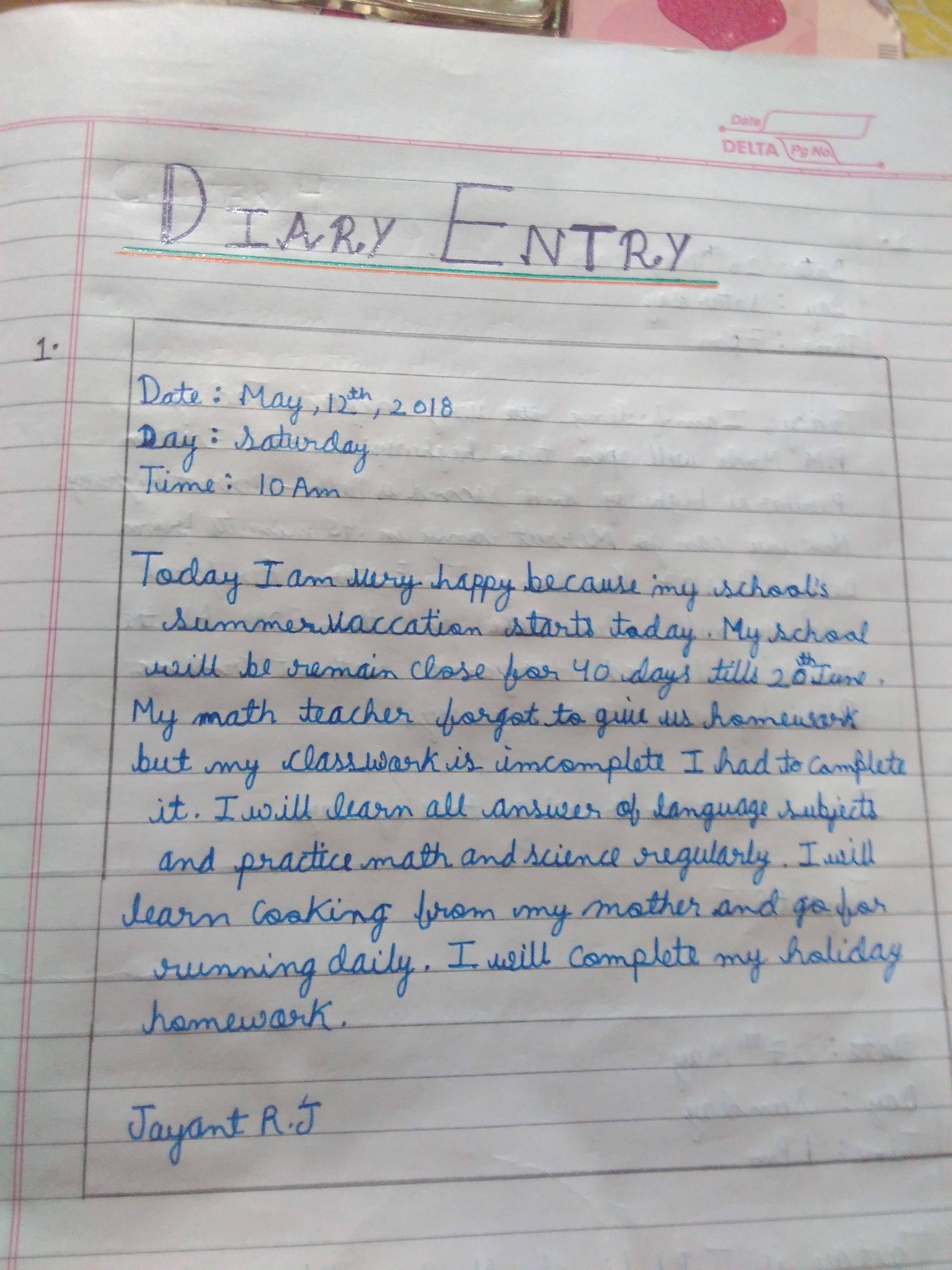
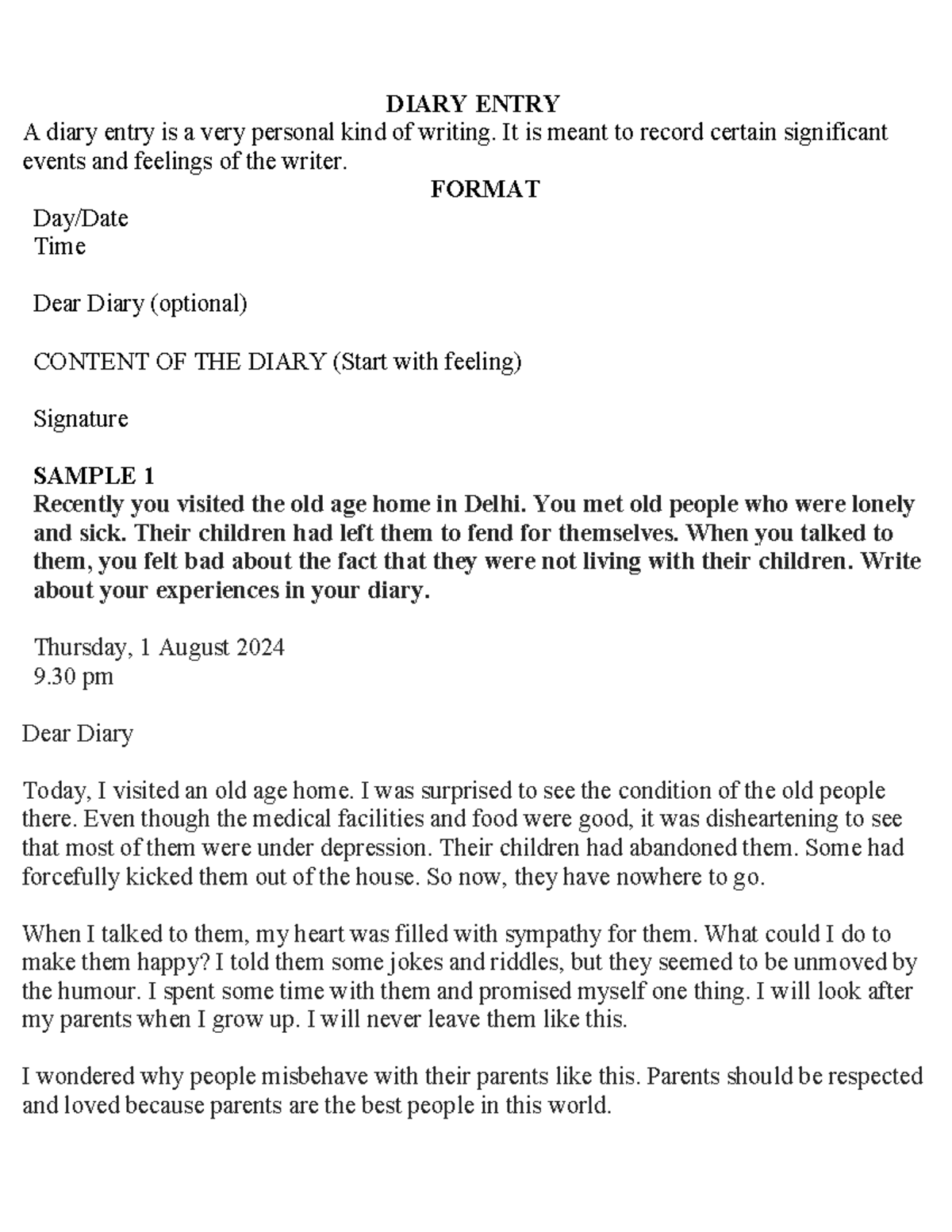
A diary entry from 2019 serves as a unique historical snapshot, capturing personal thoughts and societal norms immediately preceding the global shifts of the early 2020s. Today, in 2026, these records offer invaluable insights into our pre-pandemic mindsets, forgotten routines, and the cultural landscape of the late 2010s.
The year 2019 is often viewed through a lens of nostalgia or as the "final year of the old world." Whether you are looking to transcribe an old handwritten journal into a digital format, reconstruct lost memories using digital footprints, or analyze the cultural zeitgeist of that specific era, understanding the context of 2019 is essential. As we move further into the 2020s, the distance from 2019 allows for a more objective analysis of how our personal lives and global perspectives have evolved.
The Cultural Significance of the 2019 Diary Entry
In the context of 2026, 2019 represents more than just a calendar year; it represents a baseline of "normalcy" that many people use to measure personal and professional growth. Diary entries from this period typically lack the vocabulary of social distancing, lockdowns, or the massive shift toward remote work that defined the subsequent years. Instead, they focus on a world where physical travel was frictionless, large-scale public gatherings were the norm, and the digital landscape was dominated by the rise of TikTok and the conclusion of decade-long cinematic and television sagas.
Analyzing a diary entry from 2019 requires an understanding of the specific stressors and joys of that time. Economically, many regions were experiencing a period of growth, yet political polarization was intensifying. Socially, the "Me Too" movement and climate activism, led by figures like Greta Thunberg, were at their peak. These global themes often trickled down into personal journals, manifesting as anxieties about the future or participation in local movements. For researchers and individuals alike, 2019 entries provide a control group for the psychological changes that would follow in 2020 and 2021.
How to Reconstruct a 2019 Diary Entry Today
If you did not keep a consistent journal in 2019 but wish to create a retrospective "diary entry" to bridge the gap in your personal history, the process involves "digital archaeology." In 2026, many of the platforms we used in 2019 have evolved or shifted, but the data often remains accessible through archive requests and cloud storage history.
- Review Social Media Archives: Facebook, Instagram, and X (formerly Twitter) allow users to download their entire history. By filtering for 2019, you can see exactly what you were thinking, sharing, or photography on a specific day.
- Analyze Metadata in Photo Libraries: Google Photos and Apple Photos are excellent tools for reconstructing a 2019 timeline. The metadata attached to images includes the exact date, time, and GPS coordinates, allowing you to remember where you were and what you were doing.
- Check Financial Statements: While it sounds clinical, looking at bank or credit card statements from 2019 can trigger memories of restaurants you visited, movies you saw, or trips you took.
- Email and Calendar Backlogs: Search your inbox for "2019" to find travel confirmations, event invitations, or work projects that occupied your time.
By triangulating these data points, you can draft a "belated" diary entry that accurately reflects your reality seven years ago. This practice is increasingly popular in 2026 as people seek to create a cohesive narrative of their lives across the "pre" and "post" era divide.
Key 2019 Milestones for Contextual Journaling
To provide depth to your 2019 diary entry, it is helpful to reference the major events that were likely influencing your daily life or the news cycles you were consuming. 2019 was a year of massive pop-culture finales and significant scientific breakthroughs.
| Month | Major Global Event | Cultural Milestone |
|---|---|---|
| April 2019 | First-ever image of a Black Hole captured. | Avengers: Endgame is released, breaking records. |
| April 2019 | Notre Dame Cathedral fire in Paris. | Game of Thrones final season begins. |
| June 2019 | Hong Kong protests begin over extradition bill. | The "Old Town Road" phenomenon dominates charts. |
| September 2019 | Global Climate Strike led by millions of youths. | iPhone 11 series is launched. |
| December 2019 | First reports of a viral pneumonia in Wuhan. | Star Wars: The Rise of Skywalker concludes the saga. |
These events provide the "background noise" of a 2019 diary. For instance, an entry in April 2019 might mention the shock of the Notre Dame fire or the anticipation for the end of a major television series. Including these details helps ground the personal narrative in a broader historical context.
Digital vs. Physical Archiving of 2019 Records
The medium of a diary entry from 2019 significantly affects how it is preserved in 2026. We are currently in a period where many early-2010s digital services are being sunset or moved to subscription-only models, making the preservation of 2019 digital diaries a matter of technical necessity.
Digital Journals and App Longevity
In 2019, apps like Day One, Evernote, and Journey were the primary tools for digital diarists. If you used these services, ensuring your data is exported to a universal format like PDF or Markdown is crucial for long-term access. Cloud-based storage is convenient, but it is subject to terms of service changes. For those looking back at 2019 entries, verify that any embedded media—such as short videos or voice memos—has not been corrupted by format obsolescence.
Physical Journal Preservation
Physical diary entries from 2019, written in Moleskines or Leuchtturm1917s, face different risks: environmental damage and physical loss. In 2026, the trend of "digitizing the physical" has grown. This involves using high-resolution scanners or specialized mobile apps to create searchable digital copies of handwritten pages. This ensures that even if the physical book is damaged, the 2019 thoughts remain intact. Furthermore, physical journals from this era often contain artifacts like concert tickets or boarding passes that provide a tactile connection to the pre-2020 world.
Writing Prompts for a 2019 Retrospective
If you are writing a retrospective diary entry for 2019 from your 2026 perspective, use these prompts to unlock specific memories. These are designed to highlight the differences between then and now, focusing on the mundane details that are often forgotten.
- The Daily Commute: Describe your journey to work or school in 2019. What podcasts were you listening to? Who did you see every day?
- The Social Circle: Who were the three people you spent the most time with in 2019? How has your relationship with them changed in the last seven years?
- Technology and Apps: What was the "new" app on your phone in 2019? How much time were you spending on it compared to your current 2026 habits?
- Future Predictions: What did you think 2020 and 2021 would look like? Read your 2019 goals and reflect on how they were redirected.
- The "Last" Moments: Without knowing it, 2019 contained many "last" moments for a while—the last big concert before the pause, the last international trip, or the last time you saw a specific relative. Describe one of these events.
Managing the Emotional Impact of 2019 Records
Revisiting or creating a diary entry for 2019 can be an emotional experience. Psychologists often refer to the "nostalgia trap," where we view the past as more perfect than it actually was. When reading your 2019 entries, you may encounter a "younger" version of yourself who seems naive or unaware of the challenges to come.
It is important to approach these records with self-compassion. The person writing in 2019 was operating with the information they had at the time. In 2026, we have the benefit of hindsight, which can make 2019 problems seem trivial compared to later global crises. However, those problems were valid and significant at the moment they were recorded. Acknowledging the growth you have experienced since 2019 is one of the most therapeutic aspects of maintaining a long-term diary archive.
Q1: Why is 2019 considered a "pivot year" for journaling?
2019 is viewed as a pivot year because it represents the end of a specific cultural era. Journaling from this year captures the final moments of a world that was not yet shaped by the extreme digital acceleration and health-conscious shifts of the early 2020s. It provides a "clean" look at our original trajectories before they were interrupted.
Q2: How can I recover a deleted 2019 digital diary?
If the app you used still exists, check their "cloud trash" or backup settings. If the app is defunct, you may need to check your old email accounts for automated "year in review" summaries or search your computer's local files for database extensions like .sql or .db. If the data was stored on an old smartphone, you may need to power it on and perform a manual export.
Q3: What were the most popular journaling trends in 2019?
In 2019, "Bullet Journaling" (BuJo) was at its height, characterized by intricate hand-drawn layouts and habit trackers. "Minimalist Journaling" and "Morning Pages" (as popularized by Julia Cameron) were also highly popular. Digitally, the rise of "micro-journaling"—writing short, one-sentence entries—was a major trend on mobile platforms.
Q4: Is it historically accurate to write a 2019 diary entry now, in 2026?
While it is technically a "retrospective journal," it is historically valuable if you ground it in verified facts. By using your own digital data (photos, emails, transactions) from 2019, you can create an accurate representation of your life. Labeling it as a "retrospective entry" ensures honesty while still preserving the memory.
Preserving Your 2019 Digital Footprint
To ensure your 2019 diary entries and related memories survive until 2030 and beyond, you must take active steps toward data migration and hardware maintenance. The mid-2020s have seen a rapid turnover in storage technologies, and older cloud accounts may be flagged as inactive if not accessed.
Start by consolidating all 2019-related files into a single "Life Archive 2019" folder. This should include your diary entries, the top 50 photos of the year, and any significant digital documents. Upload this folder to two different cloud providers and keep one physical copy on a high-quality SSD. This "3-2-1" backup strategy (three copies, two different media, one off-site) is the gold standard for personal archiving. By securing your 2019 records today in 2026, you ensure that the "pre-pandemic" version of yourself remains a vivid and accessible part of your personal history.