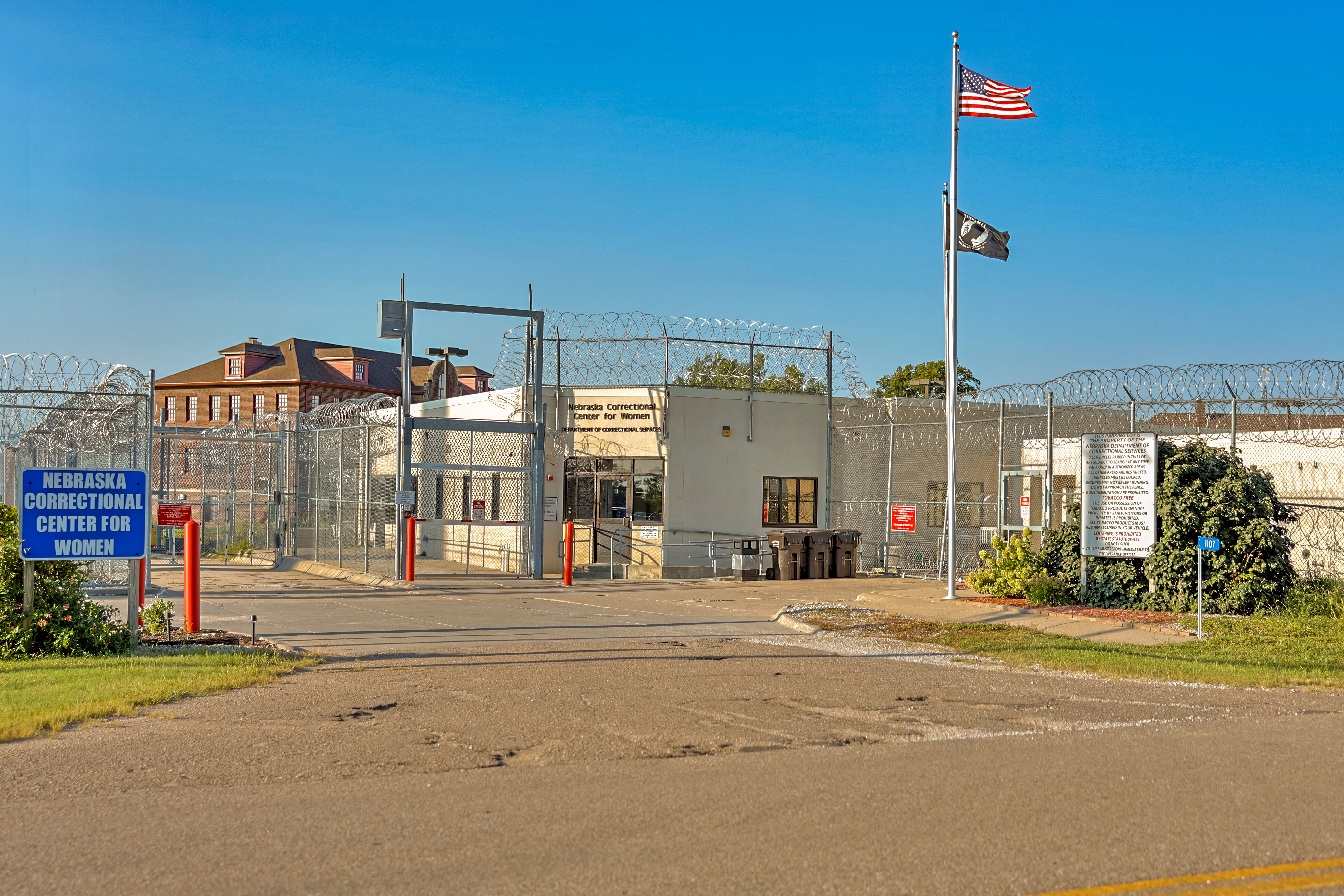
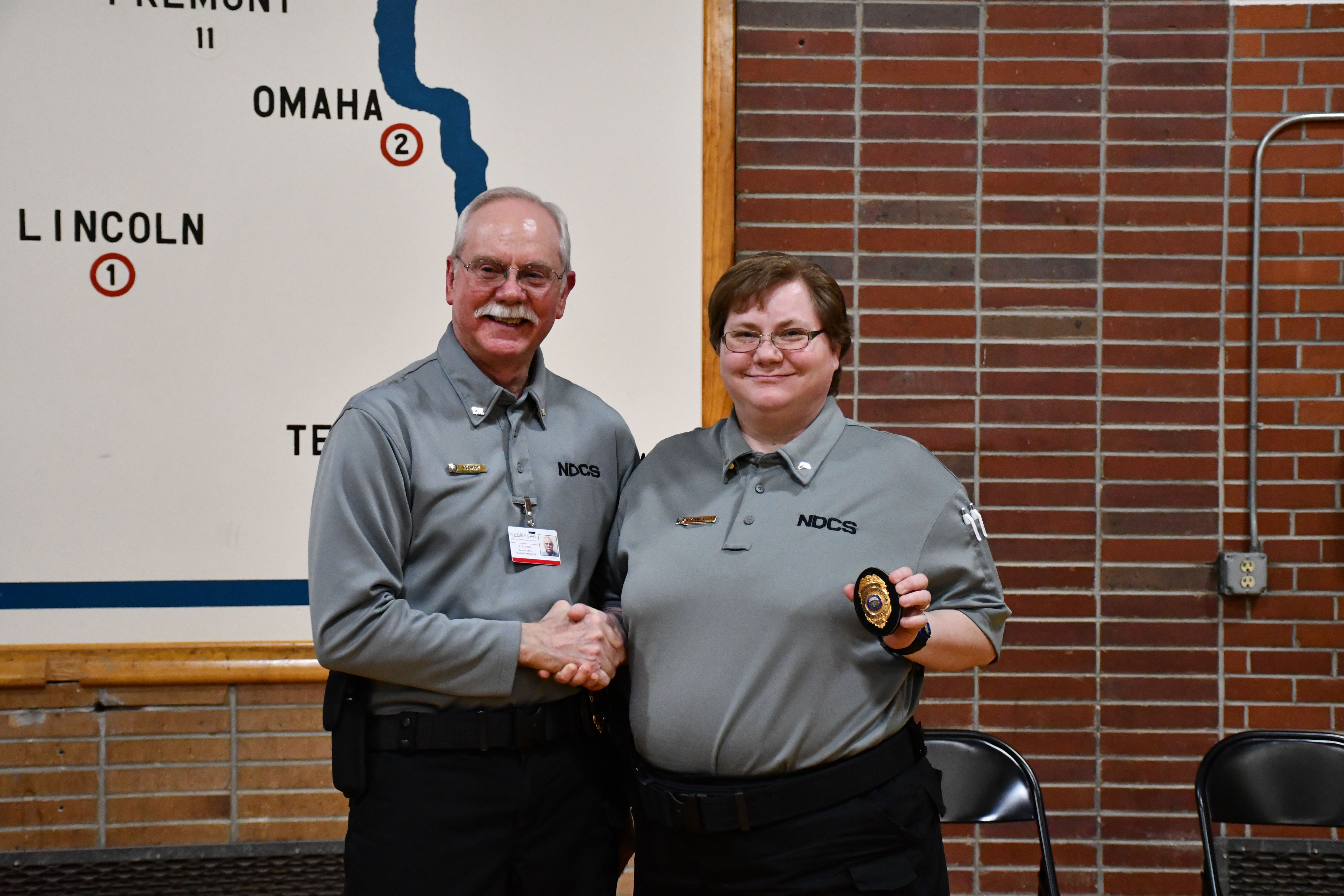
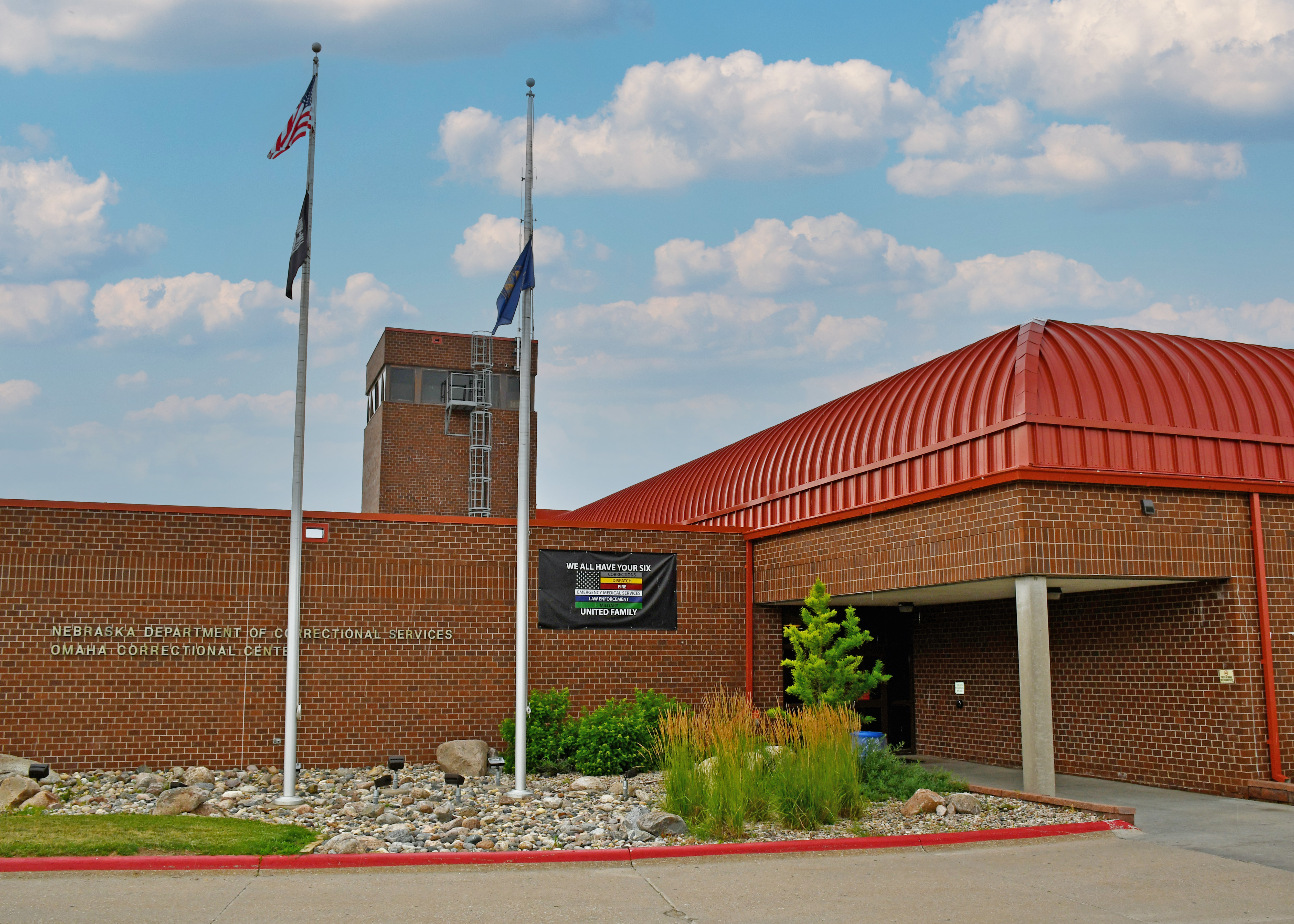
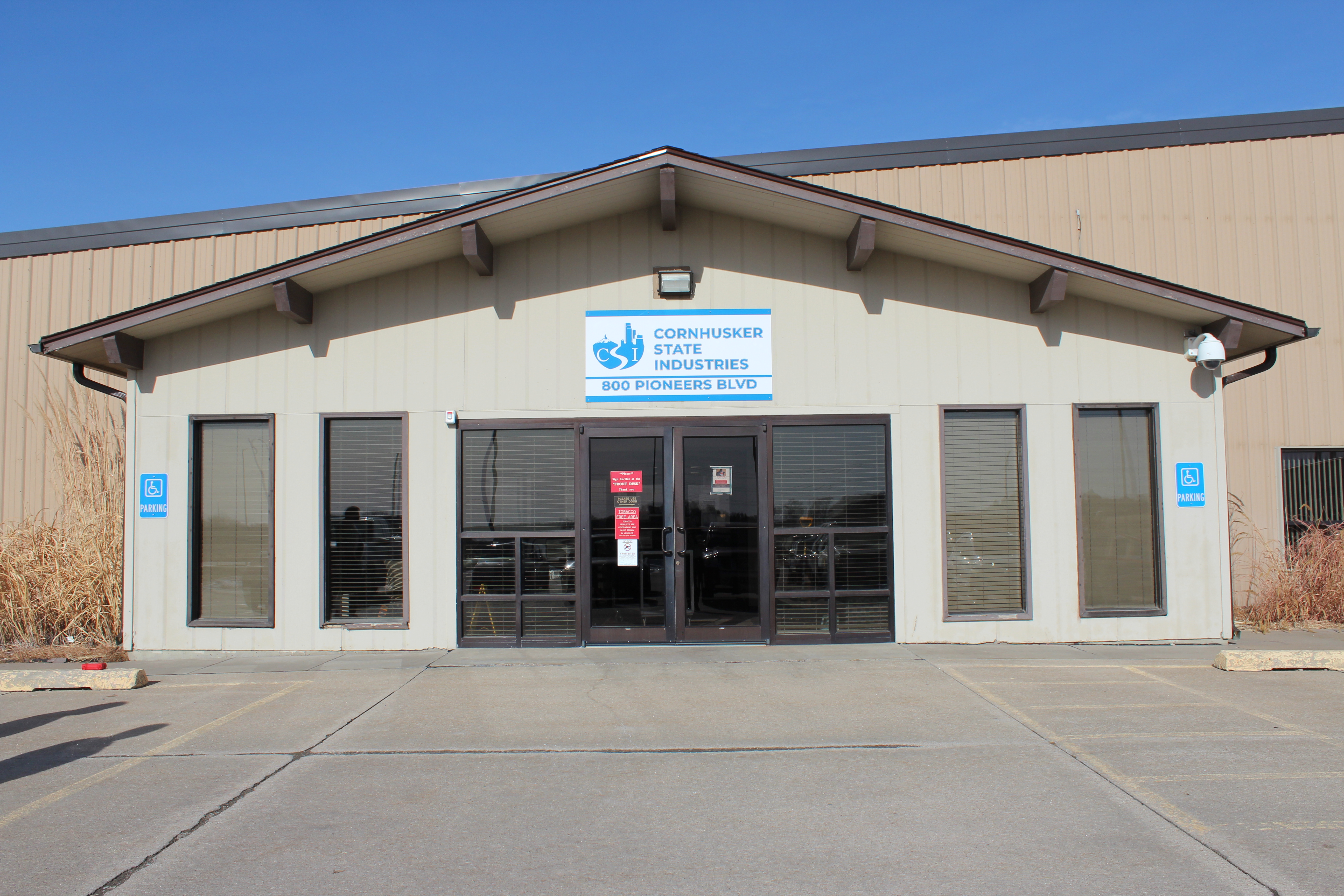
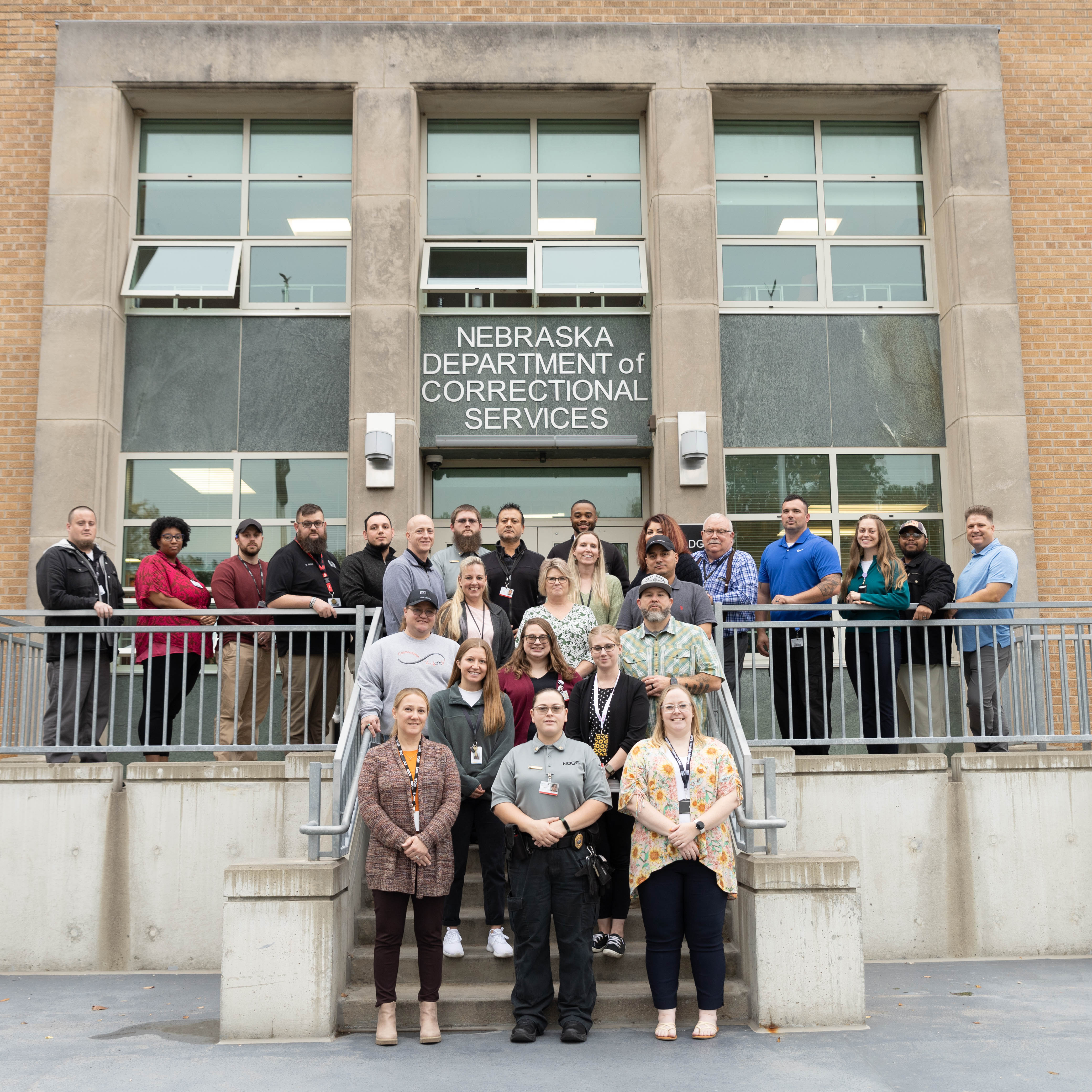
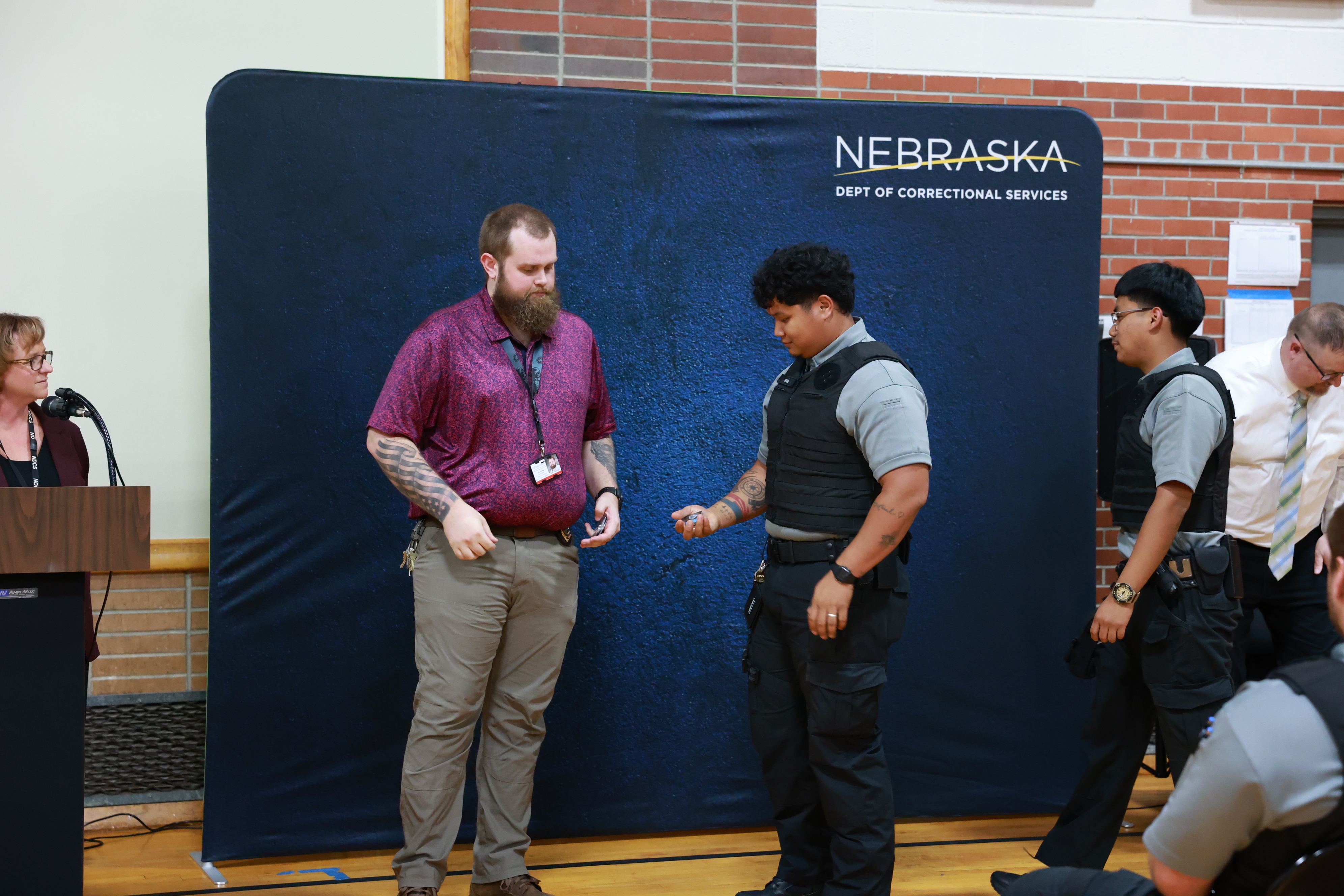
The Nebraska Department of Correctional Services (NDCS) serves as the primary state agency responsible for the management, oversight, and rehabilitation of incarcerated individuals within the Nebraska penal system. As of 2026, the department manages multiple correctional facilities across the state, prioritizing public safety, staff security, and the successful reintegration of residents into society. This guide provides essential information regarding facility operations, visitation procedures, and public accountability measures.
Governance and Strategic Objectives for 2026
The mission of the NDCS is rooted in the statutory mandate to maintain secure environments while preparing incarcerated individuals for re-entry. In 2026, the department has shifted focus toward evidence-based recidivism reduction programs and the modernization of facility infrastructure. These initiatives are managed under the oversight of the Nebraska Board of Parole and state legislative committees, ensuring that the agency remains accountable to the public and aligns with constitutional requirements for the treatment of inmates.
Key strategic objectives for the current calendar year include:
- Enhancing digital record-keeping systems to improve inter-agency communication between law enforcement and the judiciary.
- Expanding vocational training partnerships with private-sector employers to bridge the skills gap for individuals nearing their release dates.
- Upgrading security surveillance technology across all high-security units to maintain baseline safety for correctional officers and residents.
- Increasing the availability of mental health and substance abuse counseling services, adhering to 2026 state-funded behavioral health benchmarks.
Navigating Facility Locations and Jurisdictional Oversight
Nebraska houses individuals across several facilities categorized by security level. Understanding these distinctions is critical for legal representatives, family members, and service providers. Each facility is managed by a warden who reports to the central administrative office in Lincoln.
The following table summarizes the primary categories of facilities operated by the state in 2026:
| Facility Type | Security Focus | Primary Function |
|---|---|---|
| Maximum Security | High Physical Barriers | Housing high-risk individuals and those requiring restricted movement. |
| Medium Security | Controlled Interaction | Focus on vocational training and daily operational responsibility. |
| Minimum/Community | Low Barrier / Re-entry | Focus on work release and transition back to society. |
| Diagnostic Centers | Evaluation | Initial processing and risk assessment for incoming inmates. |
For individuals seeking contact information or specific facility policies, the NDCS maintains an updated directory on its official government portal. It is important to note that specific visitation policies, including the use of electronic kiosks and scheduled appointments, are strictly enforced at the facility level.
Essential Procedures for Family and Legal Visitation
Visitation is a privilege designed to maintain family bonds, which research indicates is a vital factor in long-term rehabilitation. As of 2026, the NDCS requires all visitors to undergo a standard vetting process before they are approved for entry.
Requirements for Prospective Visitors
- Application Submission: All potential visitors must submit a formal request through the agency portal.
- Background Verification: The department performs a criminal background check to ensure facility safety.
- Scheduling Compliance: Visitors must reserve time slots in advance; walk-in visits are not permitted under 2026 operational guidelines.
- Identification Standards: Visitors must present a valid government-issued photo ID, such as a state driver’s license or federal passport.
If a visitor is denied access, the NDCS typically provides a notice of decision outlining the rationale, such as recent disciplinary history or security concerns related to the specific inmate. Legal counsel visiting a client must coordinate through the facility's legal liaison office to arrange non-contact or attorney-client privileged meeting rooms.
Inmate Accountability and Behavioral Standards
The NDCS operates on a structured disciplinary system. When an incarcerated individual violates facility regulations, the department follows a formal grievance and disciplinary hearing process. This system is designed to provide due process while maintaining the order necessary for facility safety.
Correctional Integrity Protocols
The department maintains a zero-tolerance policy regarding the introduction of contraband into secure areas. In 2026, this includes a heightened focus on preventing the entry of unauthorized digital devices and chemical substances. Inmates found in possession of contraband face immediate loss of good-time credits, administrative segregation, and potential referral to local law enforcement for additional criminal charges.
Addressing Recidivism Through Rehabilitation Programs
The shift in 2026 for the Nebraska Department of Correctional Services involves a move toward "re-entry readiness." This approach recognizes that the majority of incarcerated individuals will eventually return to their communities. Consequently, the department has implemented a tiered program structure:
- Educational Advancement: Partnerships with community colleges allow residents to earn GEDs or trade certifications.
- Behavioral Health: Structured group therapy sessions focusing on anger management, cognitive behavioral therapy (CBT), and addiction recovery.
- Transition Planning: Specialized caseworkers assist individuals in identifying housing and employment opportunities 90 to 180 days prior to their release.
Frequently Asked Questions
How can I locate an incarcerated individual in Nebraska?
You can locate individuals by using the official inmate search tool provided on the Nebraska Department of Correctional Services website, which requires the inmate's name or date of birth. This database is updated daily to reflect current population changes and housing assignments for 2026.
What are the protocols for sending funds to an inmate?
Funds can be deposited into an inmate's trust account using the state-approved third-party financial service platform. Direct cash or checks are strictly prohibited for security reasons and will be returned to the sender or confiscated.
How are medical needs addressed within the facility?
The NDCS provides essential medical, dental, and psychiatric care to all inmates, meeting the standard of care required by federal constitutional mandates. In 2026, telehealth services have been expanded to provide specialists in urban hubs to inmates located in rural facilities.
Can an attorney visit a client on short notice?
While standard visitations require scheduling, attorneys may arrange for emergency or urgent visits by contacting the facility's warden office directly. Documentation of legal representation is required to verify the nature of the request.
What is the process for reporting a grievance?
Inmates have access to a formal grievance process to report mistreatment or request clarifications on facility policies. If an issue remains unresolved internally, the matter may be escalated to the Office of the Ombudsman for further investigation.
Professional Guidance and Agency Compliance
For those navigating the complexities of the Nebraska corrections system, the primary advice is to remain compliant with all departmental rules and timelines. Whether you are a legal professional, a family member, or a service provider, utilizing the official NDCS website as the primary source of truth is essential, as policies may change based on 2026 legislative updates or security audits. Maintaining open communication with facility administration ensures that you are aware of any shifts in visitation, mailing, or funding protocols. Always verify the current status of any program or regulation before initiating a visit or transaction, as individual facility mandates can supersede general state guidance during emergency lockdown procedures.