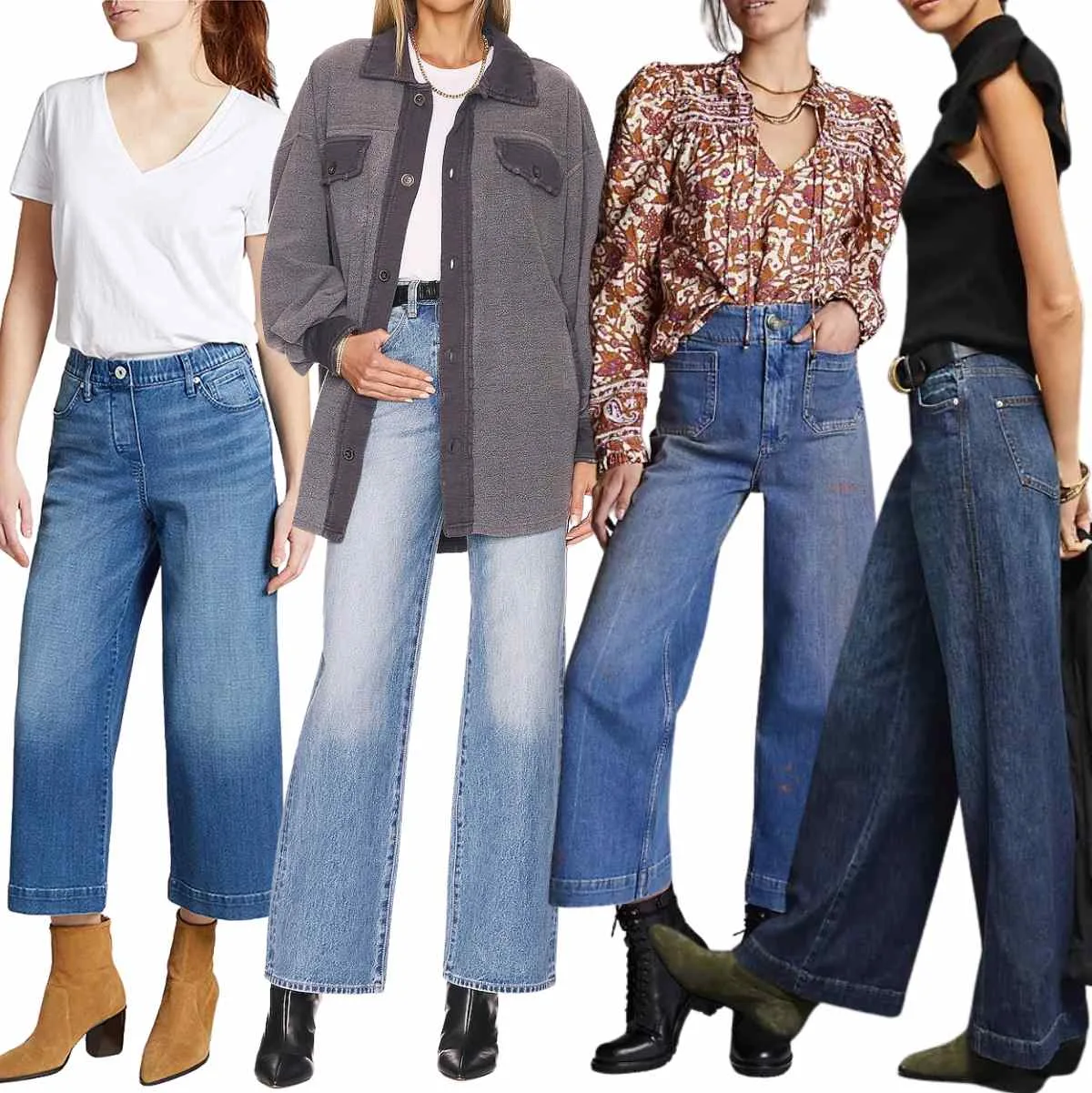
Autumn footwear requires a balance of weather resistance, durability, and style. Mastering fall casual boots involves selecting the right silhouette—such as Chelseas, Chukkas, or utility work boots—securing a proper fit that accommodates thicker socks without heel slip, and pairing boot profiles with complementary pant leg openings and layering pieces.
Core Fall Casual Boot Styles and Their Characteristics
Building a functional fall wardrobe begins with understanding the distinct silhouettes available in casual boots. Each style carries specific design cues, visual weights, and heritage backgrounds that dictate how they function within an outfit.
Chelsea Boots
The Chelsea boot is defined by its ankle-high cut, pull tabs, and elastic side panels (known as the gore). Originating in the Victorian era, modern casual Chelseas range from sleek, low-profile leather designs to rugged suede versions built on chunkier rubber soles. Because they lack laces, Chelseas offer a clean, uninterrupted line along the foot, making them the most versatile option for transitioning between relaxed and smart-casual environments.
Chukka and Desert Boots
Chukkas are unlined or lightly lined ankle boots featuring two to three pairs of eyelets for open lacing. When built with soft suede uppers and lightweight crepe rubber soles, they are traditionally referred to as Desert boots. Chukkas sit lower on the ankle than standard work boots, making them exceptionally comfortable for early autumn weather. Their minimal design bridges the gap between casual sneakers and heavier winter footwear.
Moc-Toe and Utility Work Boots
Rooted in American industrial history, utility work boots feature heavy-duty construction, prominent welt stitching, and high-traction outsoles. The moc-toe variation—characterized by a U-shaped seam running across the top of the toe box inspired by traditional Native American moccasins—adds visual volume to the front of the foot. These boots excel in casual, heritage-inspired outfits featuring heavy textiles like canvas, wool, and heavy denim.
Service and Lace-Up Combat Boots
Service boots trace their lineage to 20th-century military field gear. They typically feature a cap-toe or plain-toe design, a structured 6-inch shaft, and speed hooks near the top of the ankle. Combat boots take this design further with higher shafts and aggressive lug soles. Service boots balance rugged construction with a streamlined profile, allowing them to pair naturally with tailored denim or casual trousers without appearing overly bulky.
Hiking-Inspired Casual Boots
Combining outdoor functionality with urban aesthetics, hiking-inspired boots feature heavy-d-ring hardware, padded ankle collars, dual-tone laces, and thick tread patterns. While technical mountain boots can feel out of place on city pavement, modern casual variants maintain the rugged charm of trail gear while refining the weight and flexibility for daily walking.
Boot Fit Mechanics: Achieving Comfort and Proper Sizing
Unlike sneakers, which rely on padded synthetic foams and flexible textiles to conform to your foot, leather boots require precise sizing to ensure long-term comfort. A well-fitting boot supports the foot's arch, prevents blisters, and breaks in gracefully over time.
Toe Box Clearance and Width
Your toes should never touch the front end of the boot while walking. Aim for roughly a thumb’s width (0.5 to 0.75 inches) of space between your longest toe and the tip of the toe box. The widest part of your foot—the ball—should align precisely with the widest part of the boot’s outsole. If the ball of your foot sits too far forward or back, the internal shank will not support your arch correctly, leading to foot fatigue.
Instep Tension and Heel Retention
The instep (the top diagonal surface of your foot) acts as the primary anchor point in lace-up and slip-on boots alike:
- In lace-up boots: You should be able to adjust the laces to achieve a snug grip across the instep without the eyelet facings touching each other completely.
- In Chelsea boots: Elastic gores must exert firm, even pressure across the instep. If your foot slides forward inside a Chelsea, the instep fit is too loose.
- Heel slip: A slight amount of heel slip (about 1/8 to 1/4 inch) is normal in brand-new leather boots. As the leather sole flexes and molds to your stride, heel slippage decreases. Excessive slipping, however, indicates a boot that is too long or overly wide in the heel cup.
Accounting for Sock Weight and Break-In Periods
Always test-fit fall boots wearing the exact sock thickness you plan to wear during colder months. Medium-to-heavy merino wool socks add noticeable volume inside the boot. High-quality full-grain leather boots feel stiff initially and require a break-in period of 10 to 20 wear hours. During this phase, the leather uppers soften, and cork footbeds compress to form a custom foot impression. If a boot feels painfully tight or squeezes your metatarsals upon initial wear, sizing up or selecting a wider width is essential.
Outsoles and Upper Materials for Autumn Weather
Autumn brings unpredictable weather, ranging from dry, crisp days to sudden rainstorms and wet leaves. Selecting the appropriate combination of uppers and outsoles ensures both safety and material longevity.
- Leather & Outsole Selection Matrix
- Leather Types
- Full-Grain Leather: Best durability; high rain resistance when waxed
- Suede: Superior texture; requires hydrophobic spray coating
- Nubuck: Matte finish; more scuff-resistant than suede
- Outsole Types
- Dainite Rubber: Sleek profile; excellent wet-pavement grip
- Commando Lug: Maximum traction on mud and wet leaves; heavy
- Wedge Soles (EVA): Exceptional comfort on concrete; wears faster
- Crepe Rubber: Soft feel; absorbs water quickly (dry days only)
- Leather Types
Upper Materials: Leather, Suede, and Nubuck
- Full-Grain Leather: Retains the natural grain of the hide, providing maximum tensile strength and natural water resistance. It develops a rich patina over time and handles wet conditions well when regularly conditioned.
- Suede: Crafted from the underside of the hide, suede offers a rich, tactile surface ideal for fall color palettes. However, untreated suede absorbs water and stains easily.
- Nubuck: Top-grain leather that has been sanded on the outside to create a velvet-like nap. It is generally thicker and more water-resistant than traditional suede, though it still benefits from protective sprays.
Outsole Selection for Autumn Traction
- Dainite and Studded Rubber Soles: Featuring recessed rubber nubs, Dainite soles provide superior grip on wet sidewalks while maintaining a low-profile side edge that mimics a leather dress sole.
- Commando and Rubber Lug Soles: Deep tread patterns bite into wet soil, mud, and fallen leaves. While slightly heavier, lug soles provide maximum slip prevention during foul weather.
- Crepe Soles: Made from natural coagulated rubber, crepe soles are exceptionally soft underfoot. However, they act like sponges on wet pavement, losing traction and discoloration easily; reserve them for dry autumn days.
- Vibram Wedge Soles: Lightweight polyurethane or EVA foam soles distribute body weight evenly across the foot, reducing pressure points during long walks on urban pavement.
How to Wear Fall Casual Boots with Outfits
Styling fall boots successfully depends on matching the visual weight of the footwear with your trousers and upper-body layers. A boot should ground an outfit without appearing oversized or visually disconnected from the rest of your clothes.
Pant Leg Openings, Cuffing, and Hemming
The way your trousers interact with your boot shaft defines your overall silhouette:
- Leg Opening Width: Straight-leg (8 to 9 inches flat) and slim-tapered pants (7 to 7.5 inches flat) suit different boot styles. Sleek boots like Chelseas require narrower leg openings to prevent the pant leg from swallowing the boot. Bulkier work boots require wider leg openings so the fabric drapes naturally over the boot shaft without hanging up on the collar.
- Cuffing and Pinrolling: Rolling your denim or chino hems creates a clean visual break above the boot collar. A single 1.5-inch cuff works best for heavy selvage denim over service boots. Double cuffs suit lighter chinos over Chukkas.
- Break: Aim for a "no-break" or "slight-break" look. The pant hem should rest lightly on the top of the boot without pooling into heavy fabric folds.
Outfit Pairings by Silhouette
The Chelsea Boot Outfit
- Style Level: Smart-Casual to Business Casual
- Trousers: Slim-tapered dark denim, wool trousers, or tailored stretch chinos.
- Upper Body: Fitted turtlenecks, crewneck cashmere sweaters, unstructured blazers, or wool topcoats.
- Color Tip: Pair medium-brown suede Chelseas with navy chinos or charcoal wool trousers for a refined seasonal contrast.
The Chukka / Desert Boot Outfit
- Style Level: Casual to Relaxed Smart-Casual
- Trousers: Mid-wash denim, garment-dyed chinos, or corduroy pants.
- Upper Body: Oxford cloth button-down shirt layered under a heavy cardigan, flannel shirts, or light bomber jackets.
- Color Tip: Sand or tan suede Chukkas pair naturally with olive green, burgundy, and dark indigo tones.
The Work Boot / Moc-Toe Outfit
- Style Level: Rugged Casual / Workwear
- Trousers: Heavyweight selvage denim (14oz+), duck canvas pants, or relaxed-fit fatigue trousers.
- Upper Body: Thermal waffle-knit henleys, heavy flannel overshirts, wax-canvas field jackets, or shearling-lined coats.
- Color Tip: Red-brown or amber leather work boots balance rich earth tones like tobacco, hunter green, and cream.
Essential Fall Boot Comparison
The table below outlines key practical differences across primary fall boot styles to assist in choosing the right pair for your lifestyle and weather conditions.
| Boot Style | Profile / Visual Weight | Best Pant Pairings | Traction Level | Primary Weather Suitability | Ideal Style Context |
|---|---|---|---|---|---|
| Chelsea | Sleek to Moderate | Slim Denim, Wool Trousers, Chinos | Medium (Sole dependent) | Dry to Light Rain | Smart-Casual, Office, Evening |
| Chukka | Low to Moderate | Chinos, Corduroys, Tapered Denim | Low to Medium | Dry Autumn Days | Weekend Casual, Relaxed Office |
| Service Boot | Balanced / Structured | Straight/Slim Denim, Chinos | High (Lug / Dainite) | Versatile (Moderate Rain) | Daily Wear, Heritage Casual |
| Moc-Toe Work | Bulky / Heavy | Heavy Denim, Canvas Pants | High (Wedge / Lug) | Rain, Mud, Heavy Leaves | Outdoor Workwear, Rugged Casual |
| Casual Hiker | Bulky / Outdoor | Cargoes, Heavy Denim, Corduroys | Very High (Deep Tread) | Wet, Slippery, Cold Conditions | Outdoor Excursions, Urban Winter |
Fall Boot Maintenance and Seasonal Preservation
Fall conditions subject leather to salt, mud, moisture, and fluctuating temperatures. Implementing a basic maintenance routine extends the lifespan of your boots and keeps them looking sharp.
Waterproofing and Moisture Control
Before wearing new leather or suede boots into damp conditions, treat them with a dedicated protective spray:
- For suede and nubuck, use a silicone-free hydrophobic spray to repel water without darkening the delicate nap. Reapply every 4 to 6 weeks during heavy use.
- For smooth leathers, apply a high-grade beeswax or mink oil conditioner. Be aware that heavy oils permanently darken lighter leather shades slightly, which often enhances rustic work boots but may alter dressier styles.
Routine Cleaning Steps
- Remove Surface Dirt: Brush off dried mud and road dust using a stiff horsehair brush after every few wears.
- Deep Clean Smooth Leather: Wipe down leather uppers using a damp cloth and mild saddle soap when dirt accumulates in crease lines.
- Clean Suede: Use a dedicated suede eraser to lift scuffs and marks, followed by a soft brass or nylon bristle suede brush to restore the nap.
Drying and Storage Rules
- Never dry wet boots near direct heat sources such as radiators, fireplaces, or space heaters. Forced heat dries out moisture rapidly, causing natural leather to crack and split.
- Insert unfinished cedar shoe trees into your boots immediately after wearing them. Cedar absorbs moisture, neutralizes odor, and helps maintain the original shape of the leather upper as it dries.
Frequently Asked Questions About Fall Boots
Should casual boots fit tighter or looser than sneakers?
Casual boots should fit snugger through the arch and instep than athletic sneakers, but offer equal or slightly more room in the toe box. Unlike athletic shoes made from stretchy synthetic mesh, leather boots do not stretch lengthwise—only widthwise across pressure points over time.
Can suede boots be worn during rainy fall weather?
Suede boots can be worn in light rain if they have been treated with a water-repellent spray. However, prolonged exposure to heavy rain can saturate untreated suede, causing water stains and altering the texture of the nap. Rubber-soled leather boots remain a safer choice for torrential rain.
How should pants sit on casual fall boots?
Pants should ideally break softly at the top of the boot collar or sit just above it with a neat cuff. Heavy stacking (excess fabric gathering around the ankle) creates an unkempt appearance, while excessively high hems can pull out of proportion unless intentionally styled into an exaggerated cropped look.
How long does it take to break in heavy leather boots?
High-quality full-grain leather boots typically require 10 to 20 wear hours to break in fully. Wearing thick socks and taking short walks during the first few days prevents blistering while the leather footbed and upper soften and conform to your foot shape.
How do I prevent heel slip in slip-on boot styles like Chelseas?
Because Chelsea boots lack laces to pull the foot back into the heel cup, proper fit at the instep is critical. If your heel slips excessively, try wearing thicker wool socks or adding a thin leather half-insole under the ball of the foot to elevate your instep against the boot's elastic gore.
Building Your Autumn Boot Rotation
When curating your footwear collection for the fall season, start by identifying your primary daily environments and local climate conditions. A versatile two-pair rotation covers virtually all casual and smart-casual scenarios:
- Primary Pair (Versatile & Weather-Ready): Invest in a structured leather service boot or a Dainite-soled Chelsea boot in medium to dark brown. This pair handles wet sidewalks, commutes, and smart-casual dress requirements effortless.
- Secondary Pair (Textural & Relaxed): Add a suede Chukka or a classic moc-toe work boot in tan, olive, or snuff. This provides a softer visual contrast for dry days, casual weekend activities, and heavy-knit outfits.
By selecting quality full-grain or suede leathers, verifying the alignment of your foot's ball with the outsole, and balancing pant silhouettes with boot profiles, your fall footwear will deliver both lasting comfort and refined seasonal style.