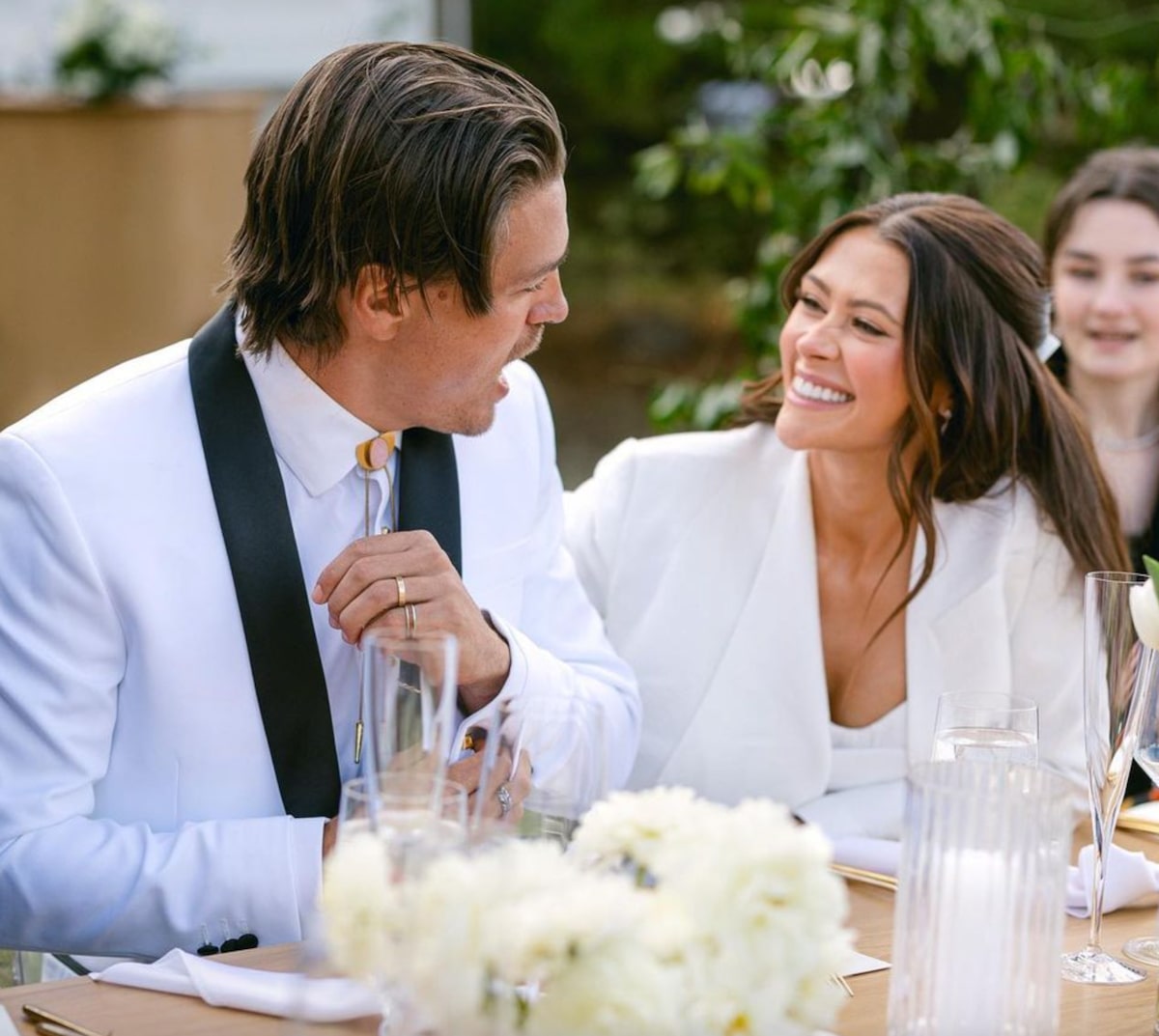
As of 2026, Dean Unglert and Caelynn Miller-Keyes have successfully transitioned from reality television contestants to high-tier lifestyle influencers and real estate investors. Their financial context is defined by a diversified portfolio including podcasting, premium brand partnerships, and significant equity in residential properties in Colorado and Nevada, positioning their combined net worth in the multi-million dollar range.
The Evolution of the Bell-Unglert Public Profile
The public trajectory of Dean Unglert and Caelynn Miller-Keyes (who took the surname Bell-Unglert following their 2023 nuptials) represents a masterclass in brand pivot. Initially known for their respective appearances on The Bachelorette and The Bachelor, and their subsequent dramatic meeting on Bachelor in Paradise in 2019, the couple has spent the last several years distancing themselves from the "reality star" trope to become respected figures in the travel and home-renovation niche.
In the 2026 media landscape, their profile is characterized by "aspirational authenticity." Dean, once famous for his commitment to "van life" and a nomadic lifestyle, has matured into a sophisticated outdoorsman and home renovator. Caelynn has evolved her image from pageant queen to a creative director of her own digital space, focusing on high-end fashion, interior design, and curated travel. Together, they are viewed as one of the most stable and commercially viable couples to emerge from the ABC franchise, largely because they prioritized long-form storytelling over short-lived tabloid relevance.
Their public profile is managed through a multi-platform approach. While Instagram remains their primary visual portfolio, their YouTube channel serves as a documentary-style look at their property renovations, and their podcasting efforts provide a direct line of communication to a loyal, aging-up millennial audience.
Primary Income Streams and Revenue Architecture
To understand the financial context of Dean and Caelynn in 2026, one must look beyond simple "sponsored posts." Their revenue architecture is built on four distinct pillars that provide both immediate cash flow and long-term wealth accumulation.
1. Influencer Marketing and Brand Ambassadorships
The couple commands high premiums for brand collaborations due to their high engagement rates and niche authority. Unlike many influencers who accept one-off "shoutouts," Dean and Caelynn favor long-term ambassadorships. These contracts often involve automotive brands (fitting Dean’s love for overlanding), outdoor gear, luxury travel services, and sustainable home products. In 2026, a single integrated campaign across their combined platforms can range from $50,000 to $150,000, depending on the scope of usage rights and exclusivity.
2. Podcasting and Media Rights
Dean Unglert has maintained a significant presence in the podcasting world for nearly a decade. His involvement with iHeartRadio and various iterations of his relationship-focused podcasts (such as Help! I Suck at Dating, later rebranded to reflect his married life) provides a consistent stream of ad-share revenue. These platforms also serve as a promotional funnel for their other business ventures, ensuring that their "audience ownership" remains high even as social media algorithms fluctuate.
3. Real Estate and Asset Management
A critical component of their financial stability is their aggressive move into real estate. The couple gained significant attention for the purchase and extensive renovation of their homes in Las Vegas, Nevada, and later, their primary residence in the Colorado countryside. By documenting these renovations, they effectively turned their living spaces into content studios, allowing them to write off many renovation costs as business expenses while simultaneously increasing the equity of their assets. Their property portfolio in 2026 is estimated to be a primary driver of their net worth growth.
4. Content Creation and Production
Beyond acting as the "talent," the couple has moved into production. They often self-produce high-quality travel documentaries and photography for third-party brands. This "behind-the-camera" work allows them to generate income that is not strictly dependent on their physical presence or public image, providing a hedge against the eventual cooling of influencer fame.
Analyzing the "Van Life" to "Luxury Estate" Financial Pivot
The shift from Dean's well-documented van life to the couple’s current status as homeowners in high-value markets is not just a lifestyle change; it was a strategic financial pivot. The "van life" era served as a low-overhead period that allowed for maximum capital accumulation. By minimizing living expenses during their peak earning years post-Paradise, they were able to deploy that capital into appreciating assets.
In 2026, their Colorado property serves as the cornerstone of their brand. The financial context here involves significant investments in sustainable technology, including solar arrays and eco-friendly land management, which appeals to a new demographic of environmentally conscious followers. This shift has allowed them to tap into the "Homesteading" and "Luxury Rural" market segments, which carry higher CPMs (cost per thousand impressions) in the advertising world than general entertainment segments.
| Metric | 2019-2021 Phase (Nomadic/Early Growth) | 2024-2026 Phase (Established/Asset Wealth) |
|---|---|---|
| Primary Residence | Conversion Van / Rental Apartment | Owned Estates (CO & NV) |
| Core Brand Focus | Adventure & Dating Ambiguity | Marriage, Home Design, & Luxury Travel |
| Primary Income | Reality TV Stipends & Basic IG Ads | Long-term Ambassadorships & Real Estate Equity |
| Audience Demographic | 18–24 (Reality TV Fans) | 25–45 (Homeowners & Travel Enthusiasts) |
| Estimated Net Worth Range | $500k – $1M | $3M – $7M+ (Combined) |
The Role of Strategic Public Disclosure
Dean and Caelynn have been notably transparent—yet controlled—about their financial journey. They frequently discuss the costs of home ownership and the realities of the influencer economy. This transparency serves a dual purpose: it builds trust with their audience and positions them as "experts" in the creator economy.
In 2026, their public profile is reinforced by their presence at industry conferences where they speak on the longevity of digital brands. They have avoided the common pitfall of many reality stars who overspend on depreciating assets like designer clothing or luxury vehicles that do not serve a brand purpose. Instead, their expenditures—such as Dean’s specialized overlanding vehicles or Caelynn’s high-end photography equipment—are treated as capital investments for their content production business.
Risk Management and Future Financial Outlook
The primary risk to their financial context is the inherent volatility of the "creator economy." However, by 2026, the Bell-Unglerts have mitigated this through diversification. If a major social media platform were to collapse, their value would remain in their:
- Owned Audience: Their email lists and podcast subscribers.
- Physical Assets: Their real estate holdings which have benefited from the migration to "mountain lifestyle" regions.
- Professional Reputation: Their track record of delivering high-ROI content for global brands.
Their financial outlook remains positive, with a projected trajectory toward "mogul" status rather than mere "influencers." The next logical step in their financial evolution, often speculated upon in 2026 trade journals, is the launch of a physical product line—likely in the home goods or outdoor equipment space—which would allow them to move from service-based income (ads) to product-based wealth.
FAQ: Common Questions Regarding Dean and Caelynn’s Finances
How much do Dean and Caelynn earn per year?
While exact figures are private, industry estimates for creators of their caliber in 2026 suggest a combined annual gross income between $1.5 million and $2.5 million. This is derived from a combination of multi-year brand contracts, podcast revenue, and YouTube monetization, supplemented by occasional real estate flips or rental income.
Do they still live in a van?
No, the "van life" era has transitioned into a "luxury overlanding" hobby. While they still take extended trips in highly customized adventure vehicles, they own permanent luxury residences in Colorado and Nevada. The van is now a secondary asset used for specific content cycles rather than a primary necessity.
What is the most significant contributor to their net worth?
As of 2026, the appreciation of their real estate portfolio, particularly their Colorado estate, is the largest contributor to their overall net worth. While social media provides the cash flow, the equity in their properties provides the foundational wealth that separates them from standard "gig-economy" influencers.
Are they still affiliated with The Bachelor franchise?
Their affiliation is now "legacy-based." While they occasionally appear on special episodes or related podcasts, they no longer rely on the franchise for fame or income. They have successfully "graduated" from the reality TV cycle, which is a rare feat that significantly increases their long-term financial stability.
What brands do they currently work with?
In 2026, their portfolio includes partnerships with high-end outdoor brands (e.g., Patagonia or North Face), automotive companies (e.g., Toyota or Rivian), and premium home brands (e.g., West Elm or sustainable building material suppliers). They prioritize brands that align with their "sophisticated adventurer" aesthetic.
Practical Takeaways for the Creator Economy
The financial success of Dean and Caelynn offers a blueprint for modern influencers. Their strategy emphasizes asset over appearance, diversification over viral fame, and brand longevity over immediate clicks. For those looking to replicate their success, the primary lesson is to reinvest "fame-driven" cash flow into tangible assets and long-form media platforms that you own.
Aspiring creators should note that the Bell-Unglerts did not achieve financial stability by simply being "famous"; they achieved it by treating their public profile as a corporate entity that requires research, development, and strategic reinvestment. Their 2026 status is a testament to the power of a well-executed brand pivot and disciplined financial management.