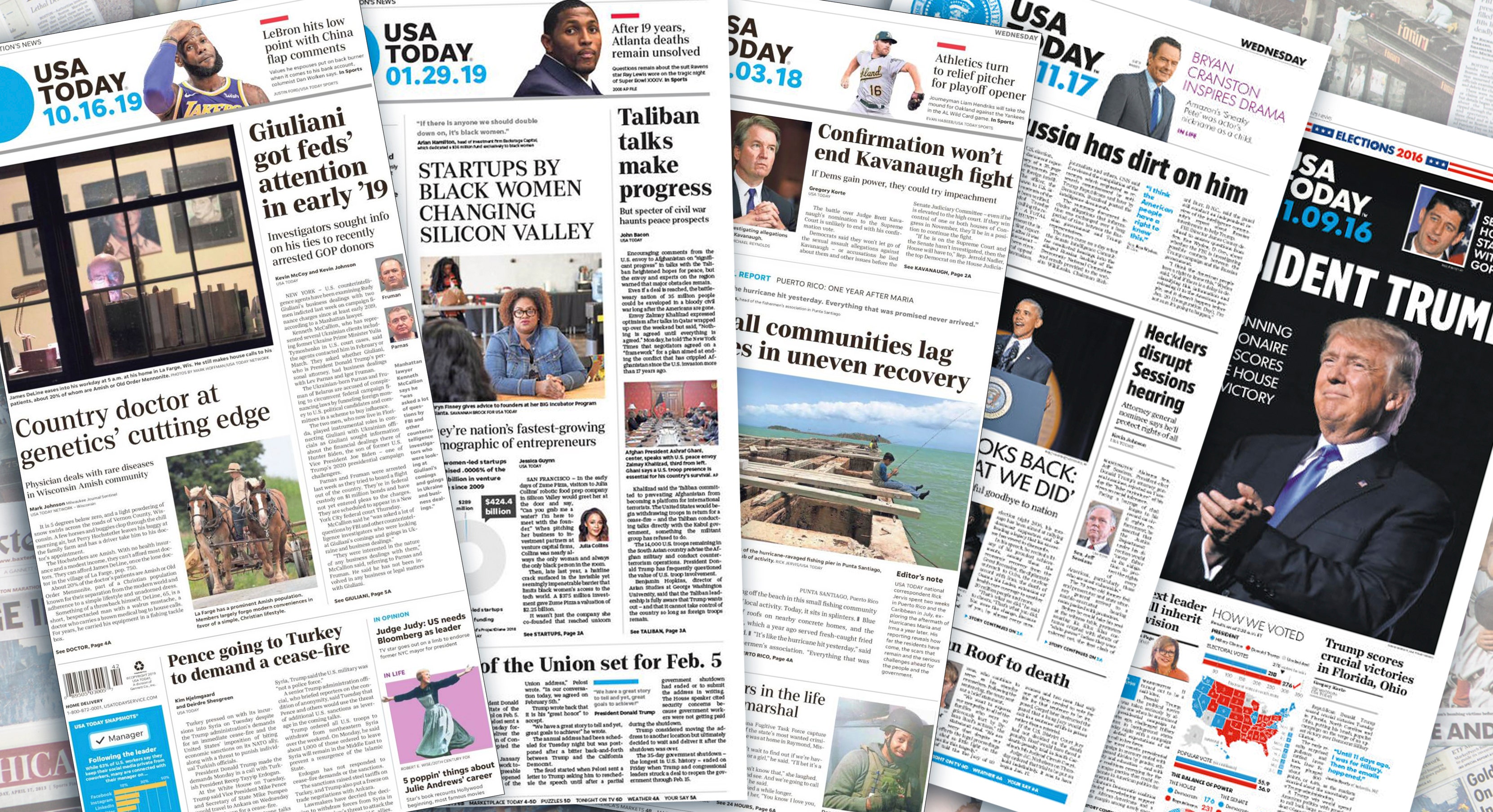
Consuming a day's worth of news today's top headlines at a glance requires a structured approach that prioritizes high-impact developments across geopolitics, the economy, technology, and governance. By leveraging executive summaries, verified wire services, and disciplined scanning routines, readers can capture essential global context, track critical events, and digest complex news cycles in under fifteen minutes without information overload.
The Architecture of a Daily News Briefing: Core Categories and Signals
A comprehensive daily news digest is built on core thematic categories that shape international stability, business markets, domestic policy, and societal changes. Rather than wading through endless algorithmic feeds, effective headline scanning divides the news environment into predictable sectors. This structural organization enables readers to recognize pattern changes, assess market risks, and understand global events as they unfold throughout the day.
- DAILY NEWS DIGEST ARCHITECTURE
- [Geopolitics & Governance]: International Treaties & Law
- [Economy & Markets]: Central Banks & Employment
- [Tech & Innovation]: AI, Infrastructure & Security
- [Climate & Public Health]: Extreme Weather & Biosafety
Geopolitics and International Governance
Top geopolitical headlines focus on diplomatic treaties, international conflicts, electoral outcomes, and legislative changes. Major global wire services prioritize events that alter international relations or shift state security postures. When scanning international news, focus on official state announcements, United Nations proceedings, bilateral agreements, and verified field reporting from established international news bureaus.
Macroeconomics, Markets, and Trade
Economic news briefings synthesize central bank policy shifts, inflation metrics, labor statistics, and corporate earnings. These updates track key economic indicators—such as benchmark interest rates set by the Federal Reserve or European Central Bank—alongside energy prices and global supply chain conditions. Understanding macroeconomic headlines provides immediate context for business decisions, institutional investment movements, and consumer sentiment trends.
Technology, Infrastructure, and Cybersecurity
Technology headlines emphasize enterprise innovation, regulatory frameworks, data privacy law updates, and critical infrastructure developments. Current coverage focuses heavily on artificial intelligence governance, semiconductor manufacturing chains, enterprise software integration, and state-sponsored cybersecurity threats. Monitoring these developments ensures business leaders and technical professionals stay ahead of systemic technological transitions.
Climate, Science, and Public Health
Scientific and environmental coverage focuses on peer-reviewed research milestones, public health advisories, extreme weather events, and energy transition policy. Responsible daily digests source these updates directly from research institutions, national meteorological organizations, and public health agencies to provide factual baseline data without sensationalism.
Efficient Frameworks for Scanning Daily News at a Glance
Navigating daily headlines efficiently requires moving away from continuous scroll habits toward structured news gathering techniques. Information design experts emphasize structured scanning routines that separate high-priority breaking developments from background analysis.
- THE 3-TIER NEWS SCANNING SYSTEM
- TIER 1: Bullet-Point Wire Feeds
- TIER 2: Executive Summaries
- TIER 3: In-Depth Deep Dives
The Inverted Pyramid Scanning Method
Journalism traditionally relies on the inverted pyramid structure, placing the essential facts—who, what, where, when, why, and how—in the lead paragraph of a news story. Readers can scan the first two sentences of any lead wire story to gather essential facts. If the development directly impacts your industry or personal decision-making, read the supporting paragraphs; otherwise, move to the next bullet point.
Categorical Batching
Instead of checking news updates intermittently throughout the day—which fractures attention and increases cognitive fatigue—allocate two dedicated windows for news consumption. A ten-minute morning scan establishes the baseline world context, while a five-minute late-afternoon check captures market closes and daily regulatory updates. Batching prevents continuous distraction and creates a clearer distinction between breaking noise and meaningful developments.
Comparing News Consumption Channels for Rapid Briefings
Selecting the right medium determines how quickly and accurately you absorb the daily news cycle. Different news formats serve distinct information needs, balancing speed, depth, curation, and analytical rigor.
| News Channel Format | Primary Advantage | Best Suited For | Key Limitation | Recommended Daily Time |
|---|---|---|---|---|
| Executive Email Curations | Hand-curated essential headlines with brief contextual summaries | Professionals needing broad context without visual clutter | Subject to editor selection biases | 5–10 Minutes |
| Wire Service Bulletins | Unbiased, raw factual statements delivered instantly | Real-time tracking of geopolitical or market movements | Contextually sparse; requires background knowledge | 5 Minutes |
| RSS & Custom Aggregators | Complete user control over source publications and topics | Specialized researchers and technical specialists | Requires manual curation and upkeep | 10–15 Minutes |
| Daily Briefing Audio/Podcasts | Hands-free audio summaries during commutes or routines | Multitaskers seeking structured narrative summaries | Lower scanning efficiency; fixed pacing | 10–20 Minutes |
| Topic-Filtered AI Summarizers | Rapid synthesis of multi-source articles on demand | Comparative reading and quick synthesis of lengthy reports | Potential hallucination or missing subtle nuances | 5 Minutes |
Evaluating Source Reliability and Avoiding Headline Bias
Rapid headline consumption presents a core risk: short summaries and bold headlines can strip away nuance or present biased perspectives. Consuming news "at a glance" requires robust media literacy skills to filter out editorial spin and emotional clickbait.
- FACT-BASED WIRE REPORTING: "Central Bank Raises Rates by 25 Basis Points Amid Persistent Inflation Data"
- Objective Signal
- EDITORIAL OPINION / HYPERBOLE: "Disastrous Policy Shift Threatens Financial Collapse As Board Meets"
- Sensational Noise
Distinguishing News Reporting from Editorial Opinion
Primary wire services keep news reporting strictly separate from editorial opinion columns. Objective reporting uses neutral language, attributes claims to clear sources, and avoids loaded adjectives. When scanning headlines, look for descriptive action verbs rather than emotionally charged framing designed to evoke urgency or outrage.
- Objective Signal: "Legislators pass energy grid update bill following committee vote."
- Sensational Noise: "Lawmakers force through contentious power plan amid fierce public backlash."
Cross-Verification Across Diverse Outlets
Relying on a single news outlet exposes readers to editorial blind spots. A robust daily news habit cross-verifies major breaking stories across multiple independent organizations representing different geographic regions. If a significant international policy story breaks, reviewing how it is reported by outlets based in North America, Europe, and Asia reveals regional framing and yields a clearer neutral baseline.
Identifying Primary Sources and Official Documentation
Whenever a headline references a court ruling, scientific study, government report, or corporate disclosure, locate the primary document when detail matters. Modern headlines often oversimplify complex legal or scientific findings. Checking the underlying primary source prevents misunderstandings caused by rapid editorial paraphrasing.
Optimizing Digital Tools for Automated News Aggregation
Building a clean news pipeline reduces digital noise and delivers tailored updates directly to your devices. Rather than relying on engagement-driven social media feeds, configure dedicated aggregation systems.
Setting Up RSS and Web Feed Readers
RSS (Really Simple Syndication) readers remain the gold standard for control over news consumption. By subscribing directly to official RSS feeds from wire services, policy journals, and industry publications, you bypass algorithmic sorting. Organize your RSS feeds into clear folders—such as Global News, Finance, Technology, and Local Affairs—to scan updates systematically.
Utilizing Dedicated Wire Services and Public Terminals
Wire services supply raw news content to major outlets worldwide. Standard wire apps deliver direct, factual headlines as text briefs without decorative formatting or opinion framing. Following primary wire feeds provides rapid access to breaking developments, stripping away speculative commentary.
Applying Filters and Mute Rules to Reduce Noise
To maintain a high signal-to-noise ratio, use platform filters to block speculative coverage, celebrity updates, and repetitive breaking news alerts. Configuring custom filter lists around non-essential keywords ensures your daily headline feed remains focused on impactful national and global news.
Developing a 15-Minute Daily News Literacy Routine
Establishing an efficient daily news routine requires consistency, disciplined scanning, and clear boundaries. The following framework organizes a daily fifteen-minute news review into three distinct phases.
00:00 - 05:00: Phase 1: Rapid Headline Sweep (Wire Services & Primary Briefs)
05:00 - 12:00: Phase 2: Core Sector Analysis (Economic, Tech & Geopolitical)
12:00 - 15:00: Phase 3: Primary Source Verification & Deep-Dive Archiving
Phase 1: Rapid Headline Sweep (Minutes 0–5) Open your primary curated newsletter or wire service aggregator. Quickly scan the top 10 global headlines to establish major overnight developments. Read only the lead bullet points to capture basic factual updates.
Phase 2: Core Sector Analysis (Minutes 5–12) Navigate to your specific areas of professional focus, such as enterprise technology, financial markets, or regulatory compliance. Read the full short-form summaries for developments that directly impact your operational environment or strategic planning.
Phase 3: Primary Source Verification and Archiving (Minutes 12–15) If a headline highlights a major regulation, research paper, or market report, save the primary source document to an offline reading queue for later review. Close the news application once the fifteen-minute window ends to prevent passive scrolling.
Frequently Asked Questions
What is the most reliable way to read a day's worth of news quickly?
The most efficient method is subscribing to an executive email newsletter or an RSS feed compiled by established primary wire services. These tools deliver bulleted headline summaries that outline core facts without sensational headline framing or visual clutter.
How can I tell if a breaking news headline is accurate?
Verify whether the story is independently reported by multiple reputable wire services and primary publications. Check if the headline clearly attributes claims to official sources or primary documents, and exercise caution with sensational breaking reports that rely on unverified social media posts.
How do I avoid feeling overwhelmed by negative news headlines?
Limit your daily news intake to set time windows—such as ten minutes in the morning and five minutes in the late afternoon. Focus on text-based executive summaries rather than continuous television news streams or engagement-optimized social feeds, which often exaggerate urgency.
Are AI-generated news summaries dependable for daily briefings?
AI summarizers quickly condense lengthy articles into short bullet points, but they can occasionally omit critical context or misinterpret technical figures. Use AI summaries for fast content scanning, but verify key financial numbers, legal details, and official statements against original source reporting.
Why should I read wire services directly instead of standard news sites?
Wire services provide raw, unedited factual reporting designed for redistribution to publishers worldwide. Reading wire bulletins directly eliminates secondary commentary, editorial opinion columns, and clickbait headlines, saving time and delivering neutral context.
Tailoring Your Daily News Workflow
To build a sustainable news intake routine, replace open-ended feed scrolling with a intentional daily setup. Select two high-integrity primary wire sources or curated executive briefings, organize them inside a clean RSS reader or email folder, and enforce strict daily reading limits. Establishing clear boundaries around your media intake protects your focused time while keeping you informed on major global, economic, and technological developments.