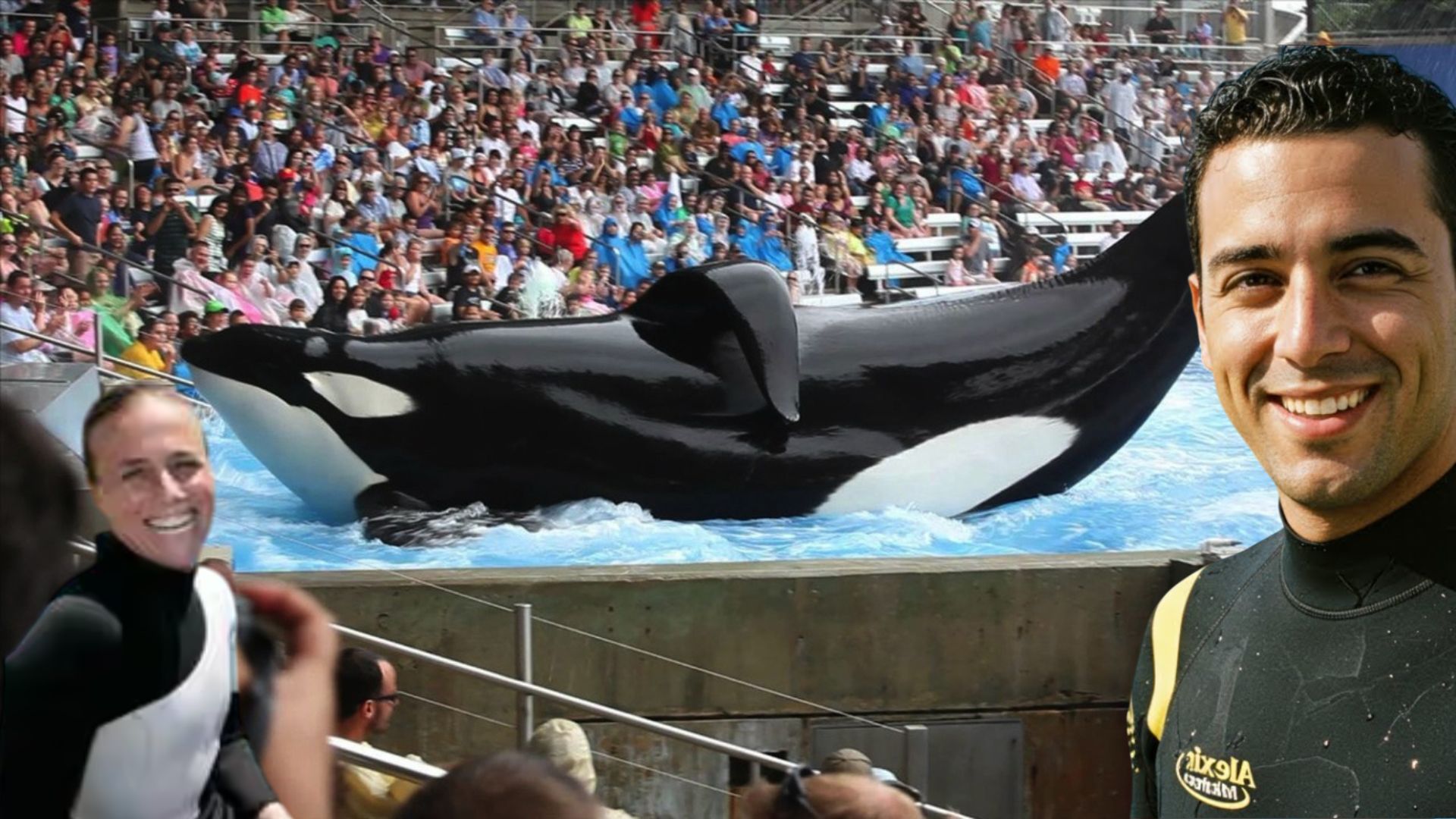
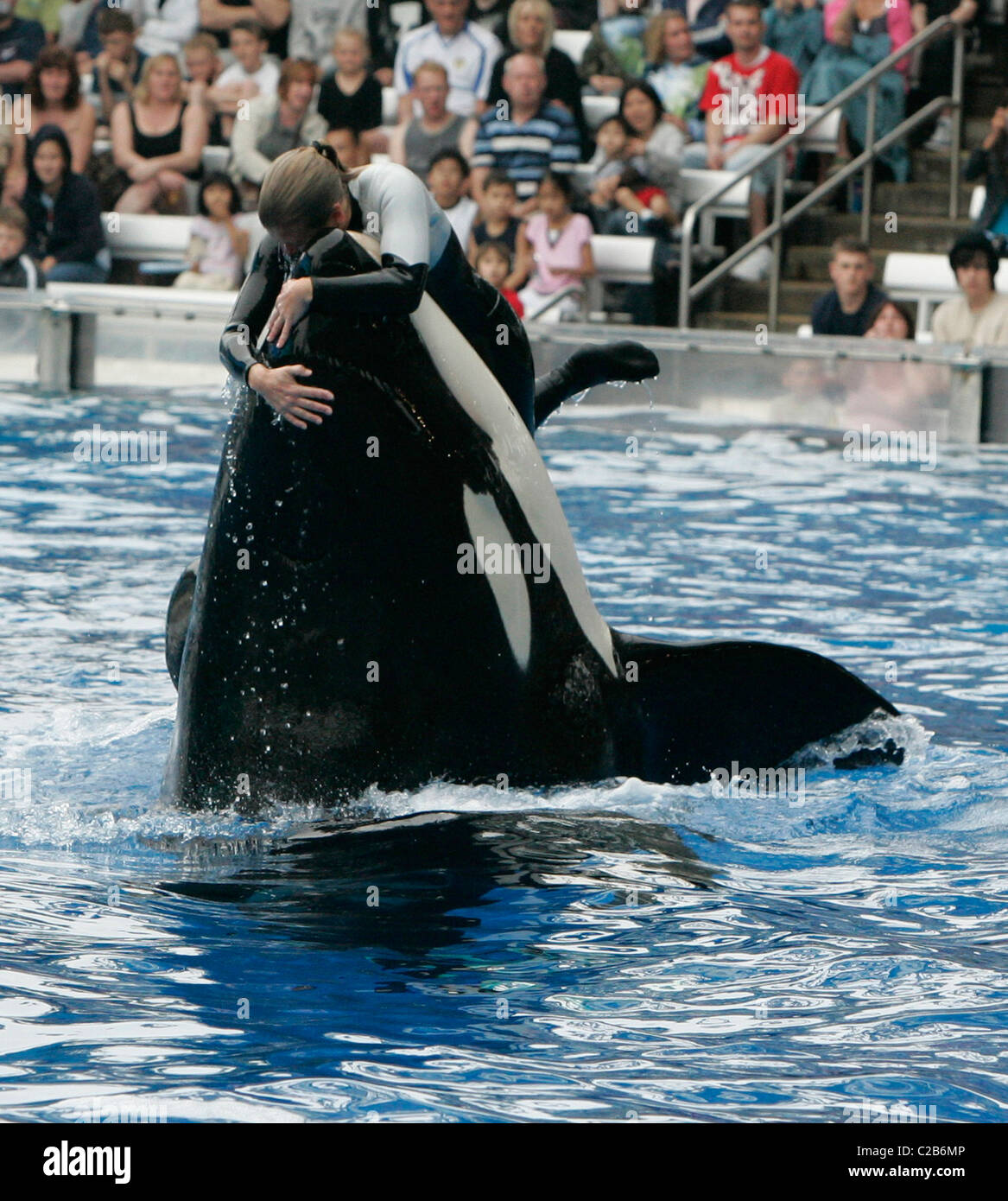
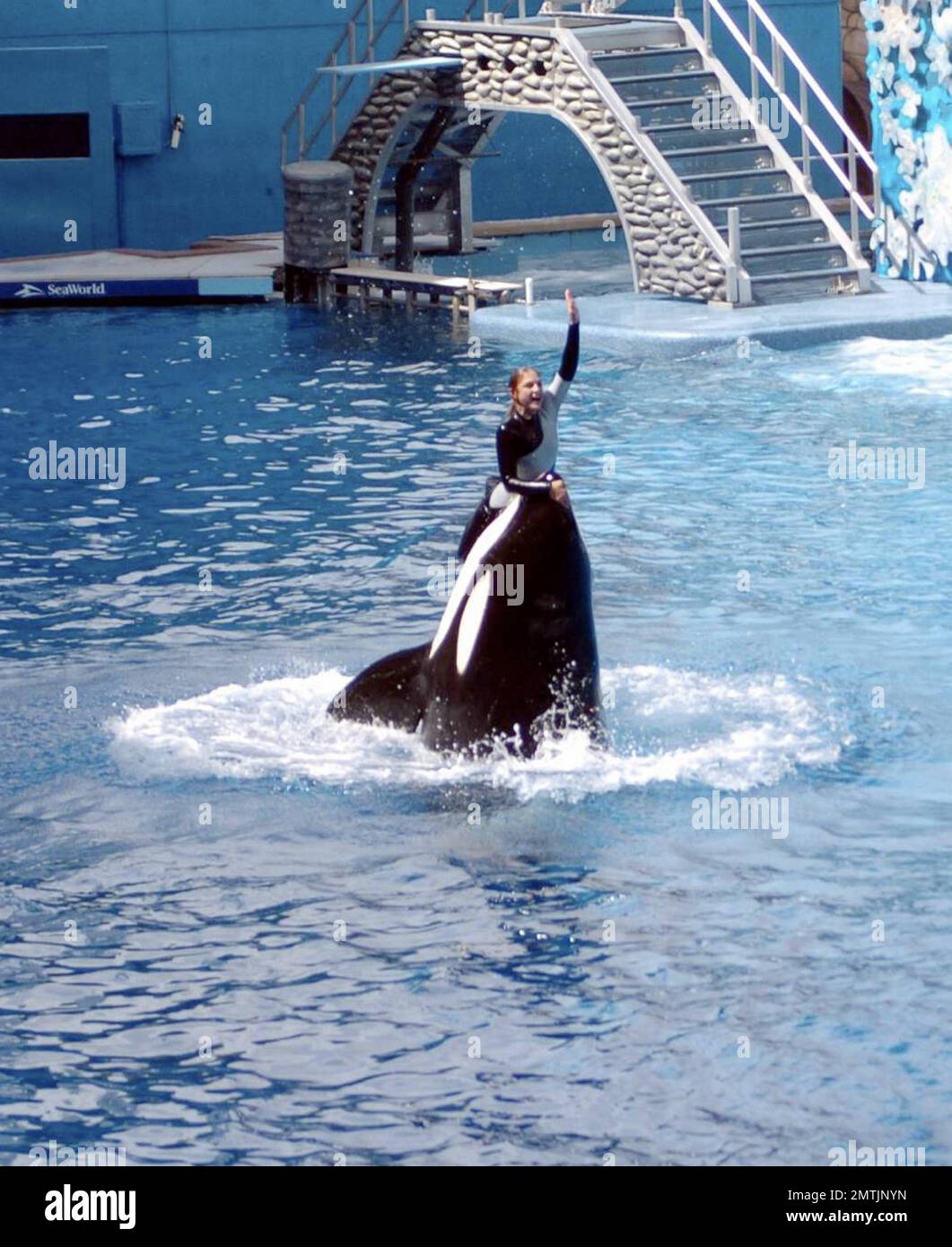
The name Dawn Brancheau remains the most significant touchstone in the history of marine mammal care and professional zoological safety. As we evaluate the landscape of marine parks in 2026, Brancheau’s life and the tragic events of February 24, 2010, continue to dictate the operational frameworks, legal requirements, and ethical standards of the industry. Brancheau was not merely a performer; she was a senior trainer of the highest caliber at SeaWorld Orlando, possessing a deep academic background in psychology and biology, and over 15 years of experience with orcas (Orcinus orca). Her death during a "Dine with Shamu" presentation was a watershed moment that forced a global reckoning regarding the safety of human-animal interactions and the psychological health of apex predators in captivity.
In 2026, the "Brancheau Standard" refers to a comprehensive set of safety protocols that have moved the industry away from theatrical performance and toward a model of husbandry-focused education. This analysis explores her enduring influence on OSHA regulations, the shift in cetacean management, and the technical safety requirements that govern modern marine facilities.
The Professional Career and Expertise of Dawn Brancheau
Dawn Brancheau’s career was defined by technical precision and a profound commitment to animal welfare. After joining SeaWorld in 1994, she quickly ascended the ranks due to her mastery of Positive Reinforcement Training (PRT). By 2010, she was a cornerstone of the Shamu Stadium team, responsible for mentoring junior trainers and managing complex behavioral scenarios involving the park's largest bull orca, Tilikum.
Her approach was rooted in the science of operant conditioning. Trainers like Brancheau used primary reinforcers (food) and secondary reinforcers (whistles, tactile touch, and play) to shape behaviors that allowed for medical examinations without the need for sedation. This "voluntary husbandry" remains a gold standard in 2026, though the context in which it is performed has changed radically since her passing. The 2010 incident did not occur due to a lack of skill, but rather highlighted the inherent unpredictability of massive marine predators, regardless of the level of trainer proficiency.
Regulatory Transformation: The OSHA Rulings and Mandatory Safety Barriers
The most tangible legacy of the Brancheau incident is the permanent shift in the legal relationship between trainers and orcas. Following an exhaustive investigation by the Occupational Safety and Health Administration (OSHA), SeaWorld was issued a "willful" violation—the most serious category of citation—indicating a plain indifference to or intentional disregard for employee safety.
The Landmark Judicial Precedent
The legal battle that followed culminated in a 2014 ruling by the U.S. Court of Appeals for the District of Columbia Circuit. The court upheld OSHA's findings, effectively ending "waterwork" (the practice of trainers being in the water with orcas) during public performances. In 2026, these regulations have been expanded to include mandatory physical barriers or a minimum distance between trainers and orcas during all interactions, except for essential medical procedures conducted under strict safety oversight.
These regulations created a technical requirement for facilities to install specialized safety equipment. In 2026, these include:
- Fast-Rising False Floors: Hydraulic platforms that can lift a 12,000-pound whale out of the water in seconds to facilitate rescue or medical intervention.
- Emergency Acoustic Deterrents: Underwater sound arrays designed to distract or redirect an animal during a safety breach.
- Remotely Operated Gates: High-speed gate systems that can isolate animals instantly from designated training areas.
Behavioral Science and the Psychology of Captive Orcas
The 2010 incident sparked a decade-long scientific inquiry into the psychological impact of captivity on orcas, specifically regarding Tilikum. In 2026, marine biologists and cetacean psychologists have more data than ever regarding "captivity-induced aggression." Tilikum’s history, which included two previous incidents involving human fatalities, is now studied as a case study in sensory deprivation and social isolation.
Technical analysis of orca behavior in 2026 identifies several critical stress markers that were overlooked in the early 2000s:
- Stereotypy: Repetitive behaviors, such as gnawing on concrete or steel gates, which lead to dental degradation and chronic infection.
- Social Incompatibility: The forced grouping of unrelated orcas from different geographical ecotypes, which leads to "raking" (biting) and aggressive dominance displays.
- Acoustic Stress: The impact of pump noise and stadium acoustics on a creature that perceives the world primarily through echolocation.
Industry Comparison: Marine Park Standards 2010 vs. 2026
The following table outlines the technical and operational shift in the marine park industry since the era of Dawn Brancheau.
| Operational Metric | 2010 Standard (Pre-Incident) | 2026 Standard (Modern Era) |
|---|---|---|
| Trainer Proximity | "Waterwork" allowed; trainers swam with orcas. | Strict "Dry-Work" only; 100% barrier separation. |
| OSHA Classification | General Duty Clause applied loosely. | Specific Cetacean Safety Protocols (M-Standard). |
| Breeding Programs | Active artificial insemination and breeding. | Breeding programs phased out/prohibited (since 2016). |
| Primary Focus | Theatrical entertainment and spectacle. | Scientific education and husbandry-focused demos. |
| Rescue Technology | Manual net deployments and basic gate systems. | AI-monitored behavioral alerts and hydraulic lifts. |
| Public Interaction | Direct contact during "Dine with Shamu." | Observation-only; interactive VR/AR educational tools. |
The "Blackfish" Effect and the 2026 Landscape of Animal Welfare
While the OSHA ruling changed the technical safety of the job, the cultural impact was catalyzed by the 2013 documentary Blackfish. By 2026, the public sentiment regarding the display of large cetaceans has shifted so significantly that no new orca facilities have been constructed in North America for over a decade.
The 2026 landscape is defined by the "Sunset Generation." This refers to the remaining orcas in captivity, such as those at SeaWorld Orlando, San Diego, and San Antonio. Following the 2016 announcement to end breeding, the current population is the last that will ever be held in these facilities. Management in 2026 focuses on "Geriatric Orca Care," a specialized field of veterinary medicine that addresses the unique needs of aging whales in a captive environment.
Safety Protocol Guide for Modern Marine Mammal Professionals
For professionals working with large pinnipeds or delphinids in 2026, the following safety protocol is mandatory under the brancheau-derived safety frameworks.
- Pre-Interaction Behavioral Assessment: Trainers must conduct a "bridge test" before any session. If the animal fails to respond to three consecutive neutral cues, the session is terminated immediately.
- The Two-Person Rule: No trainer may be within the "strike zone" (the area reachable by the animal's head or tail) without a designated safety spotter equipped with an emergency communication device.
- Environmental Control: Ensure all secondary gates are locked and verified by a digital "all-clear" system before an animal is moved into a shared training space.
- Husbandry Priority: Sessions must be structured so that 80% of the time is spent on medical conditioning (blood draws, ultrasound, dental cleaning) and only 20% on physical exercise/education.
- Emergency Extraction Plan: Every facility must conduct monthly "man-overboard" drills involving the deployment of fast-rise floors and acoustic distractors.
Frequently Asked Questions
Who was Dawn Brancheau and why is she significant in 2026?
Dawn Brancheau was a senior marine mammal trainer at SeaWorld Orlando with 15 years of experience. Her death in 2010 involving the orca Tilikum led to a permanent ban on trainers entering the water with orcas and transformed the safety and ethical standards of the entire zoological industry.
What is the "Brancheau Rule" in marine safety?
The "Brancheau Rule" refers to the OSHA-mandated requirement for physical barriers and minimum safety distances between trainers and orcas. It effectively ended the era of "waterwork" and changed the architectural design of marine mammal habitats to prioritize human safety through separation.
Is SeaWorld still breeding orcas in 2026?
No, SeaWorld ended its orca breeding program in 2016. The orcas currently in their care in 2026 are the "Sunset Generation," meaning they are the last population of orcas that will reside in the parks as the company shifts toward a more educational and rescue-centric mission.
What happened to Tilikum after the 2010 incident?
Tilikum remained at SeaWorld Orlando under restricted contact protocols, where he was only interacted with via high-pressure hoses and automated systems for safety. He passed away in January 2017 due to a persistent bacterial lung infection, but his story remains a primary catalyst for captive animal advocacy.
How has trainer training changed since Dawn Brancheau’s death?
In 2026, trainer training focuses heavily on behavioral psychology and emergency response rather than performance. Trainers are now required to be experts in "protected contact" techniques, ensuring they can care for the animals' health and well-being without ever placing themselves in a position of physical vulnerability.
The legacy of Dawn Brancheau is one of both tragedy and profound transformation. Her life’s work as a dedicated animal caretaker continues through the improved safety of her colleagues and the evolving dignity of the animals she spent her life studying. As the industry moves toward a future of sanctuary-based care and advanced educational technology, the lessons learned from her career remain the cornerstone of professional marine mammal management.