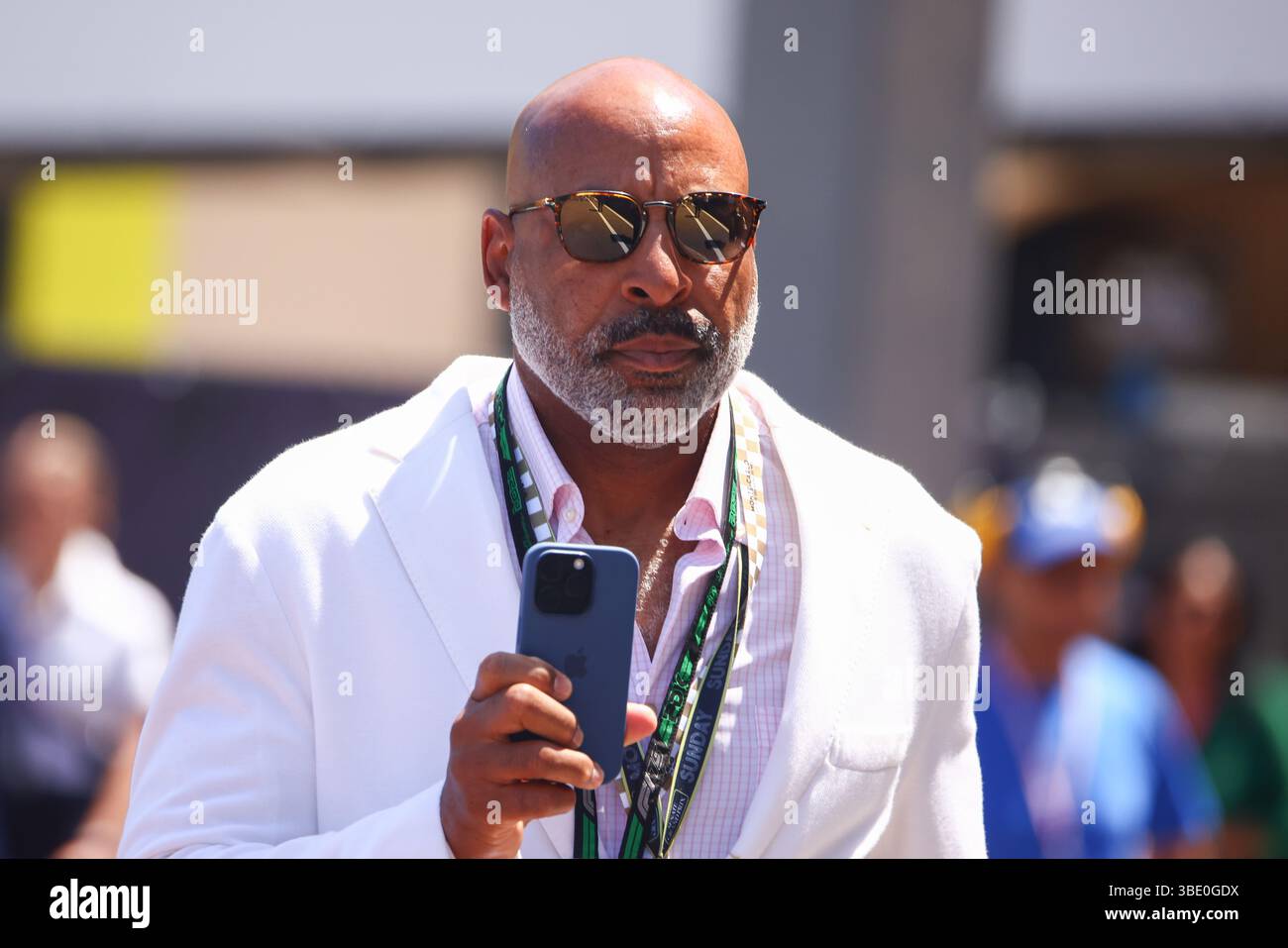
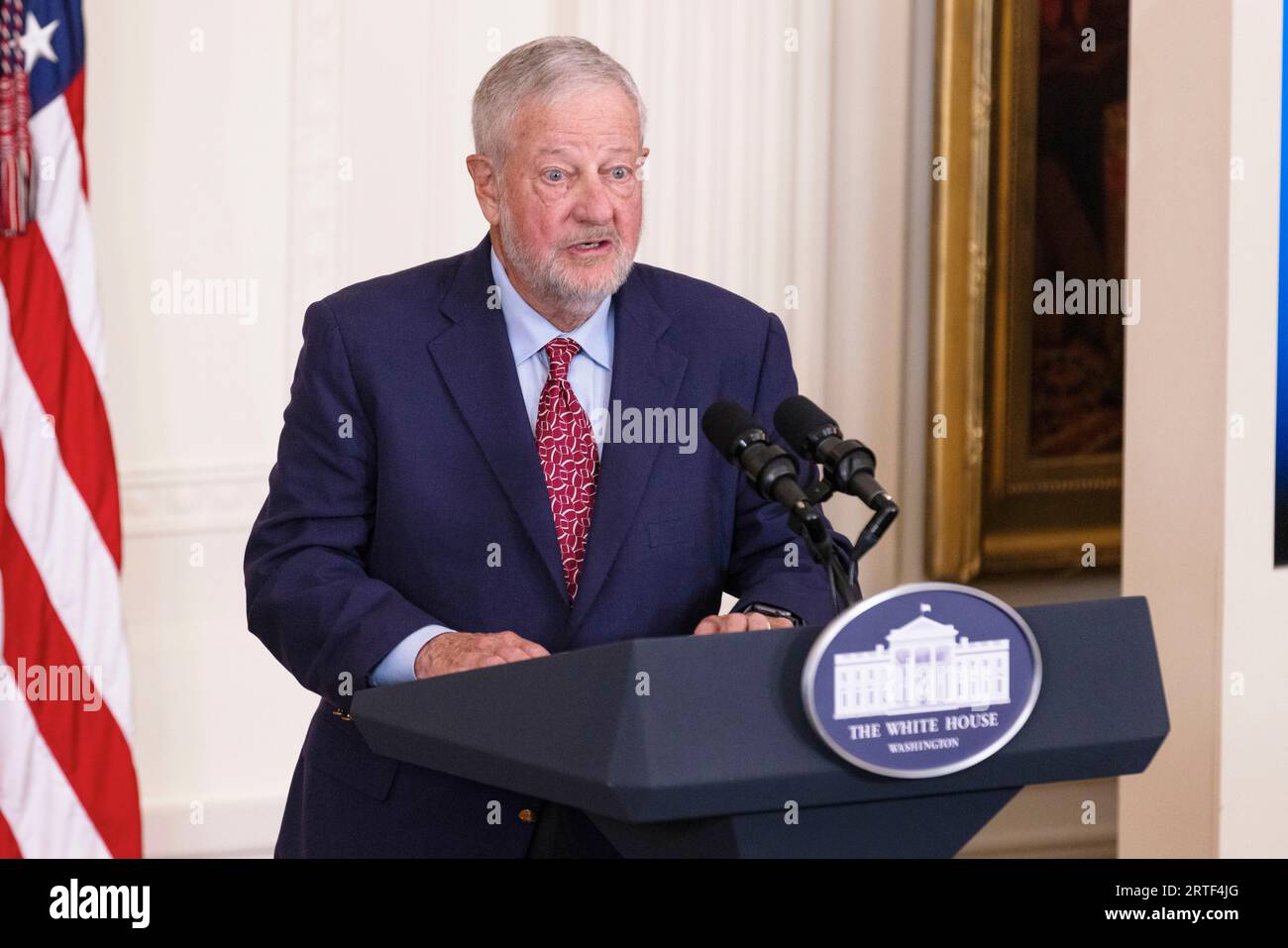
David J. Grain, frequently identified as David Grain Jr., is a distinguished American investment executive and the founder and CEO of Grain Management, LLC. He is widely recognized for his strategic leadership in global communications infrastructure, managing multibillion-dollar private equity funds that specialize in spectrum, fiber optics, and tower assets essential to the 2026 digital economy.
The Professional Origins and Education of David J. Grain
To understand the trajectory of David Grain Jr., one must examine his roots in New Bedford, Massachusetts. Born to David Grain Sr., a dedicated postmaster, and Martha Grain, his early life was defined by a strong emphasis on education and civic duty. This foundation led him to the College of the Holy Cross, where he earned a Bachelor of Arts degree. His academic journey continued at Harvard Business School, where he received his Master of Business Administration (MBA).
His early career was forged in the high-stakes environment of Wall Street. During his tenure at Morgan Stanley, he served as a Managing Director, gaining vital experience in capital markets and corporate finance. This period was instrumental in developing his "owner-operator" mentality. Unlike many private equity practitioners who view assets purely through a financial lens, Grain’s background in investment banking provided him with a dual perspective: the ability to structure complex deals and the foresight to understand the operational requirements of large-scale infrastructure.
Before founding his own firm, Grain played a pivotal role at Global Signal, Inc. As the President of the company, he led it through a transformative period, culminating in its acquisition by Crown Castle International in 2007. This experience in the tower sector solidified his reputation as a specialized expert in telecommunications—a niche that was then beginning to see a massive influx of institutional capital.
Founding Grain Management: A Specialized Investment Approach
In 2007, David Grain Jr. founded Grain Management, LLC, headquartered in Washington, D.C., with a primary office in Sarasota, Florida. The firm was established with a clear mandate: to identify and capture value in the data-intensive sectors of the communications industry. By 2026, the firm has established itself as a premier global investment firm, known for its rigorous, data-driven approach to infrastructure.
The "Grain Methodology" distinguishes itself by focusing on the "pipes" of the internet rather than the content flowing through them. This includes:
- Spectrum Licenses: Grain Management was a pioneer in treating wireless spectrum as a tangible infrastructure asset. By acquiring and managing spectrum, the firm provides the essential invisible highway required for 5G and 6G transmissions.
- Fiber Optic Networks: Recognizing that wireless signals eventually need to "hit the ground," the firm has invested heavily in "dark fiber" and regional broadband providers, ensuring high-capacity backhaul for data centers and residential areas.
- Cellular Towers and Small Cells: Continuing the expertise Grain developed at Global Signal, the firm manages physical structures that host transmission equipment for major carriers.
The firm’s ability to navigate the complex regulatory environment of the Federal Communications Commission (FCC) has been a significant competitive advantage. David Grain’s deep understanding of policy ensures that his firm’s investments are not only technically sound but also legally resilient.
Leadership and Governance: Board Positions and Public Service
Beyond his role at Grain Management, David Grain Jr. is a highly sought-after voice in corporate governance and national policy. His board service reflects a broad range of influence across the technology, energy, and financial sectors.
As a member of the Board of Directors for Dell Technologies, Grain provides insight into the intersection of hardware and connectivity. His role at Southern Company, one of the largest energy providers in the United States, highlights his expertise in regulated utilities and large-scale infrastructure projects. Furthermore, his involvement with New York Community Bancorp (and its subsidiaries) showcases his financial acumen in the banking sector.
His influence extends into the public sector as well. In 2011, President Barack Obama appointed Grain to the National Infrastructure Advisory Council (NIAC). In this capacity, he worked alongside other industry leaders to provide the White House with technical advice on the security and resilience of the nation’s critical infrastructure, both physical and cyber. This appointment underscored his status as a non-partisan expert dedicated to national connectivity and security.
Comparison of Communication Infrastructure Asset Classes
Investors following the "Grain model" often evaluate different types of telecommunications assets based on their risk-return profiles. The following table outlines how these assets are typically categorized within the industry as of 2026.
| Asset Class | Primary Function | Revenue Model | Relative Risk |
|---|---|---|---|
| Wireless Spectrum | Transmission of data over airwaves | Licensing and leasing to carriers | Moderate/High (Regulatory dependent) |
| Fiber Optics | High-speed data transport (Ground) | Long-term lease (IRUs) or monthly service | Low/Moderate (High CAPEX) |
| Cell Towers | Physical hosting of equipment | Long-term master lease agreements | Low (Predictable cash flow) |
| Data Centers | Storage and processing | Colocation fees and power usage | Moderate (Highly competitive) |
| Small Cells | Dense urban connectivity | Managed service contracts | Moderate (Rapidly evolving tech) |
Impact on the Digital Divide and Infrastructure Equity
A significant portion of David Grain’s professional legacy involves his commitment to social impact through private investment. He has frequently spoken about the "digital divide"—the gap between those who have access to high-speed internet and those who do not, particularly in rural and underserved urban communities.
Through Grain Management’s acquisitions of regional broadband providers, the firm has effectively modernized infrastructure in areas that larger carriers often overlook. By upgrading legacy copper lines to fiber-to-the-home (FTTH) technology, Grain’s investments have facilitated remote work, telehealth, and online education in these regions.
This focus on equity is also reflected in his philanthropic efforts. Grain and his wife, Dr. Lisa Grain, have been active supporters of educational initiatives, particularly those benefiting minority students and the Martha’s Vineyard community. His belief is that infrastructure is not just about financial returns; it is a fundamental prerequisite for participation in the modern economy.
Strategic Insights for Infrastructure Investors in 2026
As we navigate the investment landscape of 2026, the principles established by David Grain Jr. remain more relevant than ever. For institutional investors and analysts, his career offers several key takeaways regarding the future of the sector:
- Valuing Unseen Assets: The importance of spectrum as a finite resource cannot be overstated. Grain’s early entry into this market demonstrated that the most valuable infrastructure is often invisible.
- Operational Depth: Successful infrastructure investment requires more than just capital; it requires the ability to manage the assets. Grain Management’s success is largely attributed to its team of engineers and industry veterans who understand the technical specifications of the equipment they own.
- Regulatory Fluency: In a world where data privacy and national security are paramount, understanding the legal framework governing communications is essential. Investors must be prepared for shifting policies regarding net neutrality and cross-border data flows.
- The Convergence of Power and Data: As seen in Grain’s work with Southern Company, the line between telecommunications and energy is blurring. Smart grids and electric vehicle (EV) charging stations require the same fiber connectivity that powers the internet.
Is David Grain Jr. the same person as David J. Grain?
Yes, David J. Grain is often referred to as David Grain Jr. to distinguish him from his father, David Grain Sr. Professionally, he is most commonly known as David Grain. He is the founder of Grain Management and a prominent figure in the private equity and telecommunications sectors.
What is Grain Management's investment focus?
Grain Management focuses exclusively on the global communications industry. This includes investments in cell towers, fiber optic networks, wireless spectrum licenses, and other technology-related infrastructure. The firm utilizes a data-centric approach to identify value-add opportunities in both domestic and international markets.
What boards does David Grain serve on?
As of 2026, David Grain has served on several prestigious boards, including Dell Technologies, Southern Company, and New York Community Bancorp. He is also a former trustee of the College of the Holy Cross and has been involved with various civic and educational organizations, including the National Infrastructure Advisory Council.
Where is Grain Management headquartered?
Grain Management is headquartered in Washington, D.C. The firm also maintains a significant executive presence in Sarasota, Florida, where David Grain spends a substantial amount of his professional time.
How has David Grain contributed to public policy?
His primary contribution to public policy was through his appointment to the National Infrastructure Advisory Council (NIAC) by President Obama. In this role, he provided expert counsel on protecting the nation's critical infrastructure. He is also a frequent commentator on the importance of closing the digital divide through private-public partnerships.
Navigating Future Infrastructure Opportunities
For those looking to follow the path carved by David Grain Jr., the next steps involve a deep dive into the integration of artificial intelligence with physical connectivity. As data demands continue to surge in 2026, the need for robust "edge computing" and localized fiber networks will drive the next wave of investment. Stakeholders should prioritize assets that offer long-term, inflation-protected cash flows while remaining adaptable to the next generation of wireless standards. David Grain’s career serves as a blueprint for this balanced approach, combining rigorous financial discipline with a visionary understanding of technological progress.