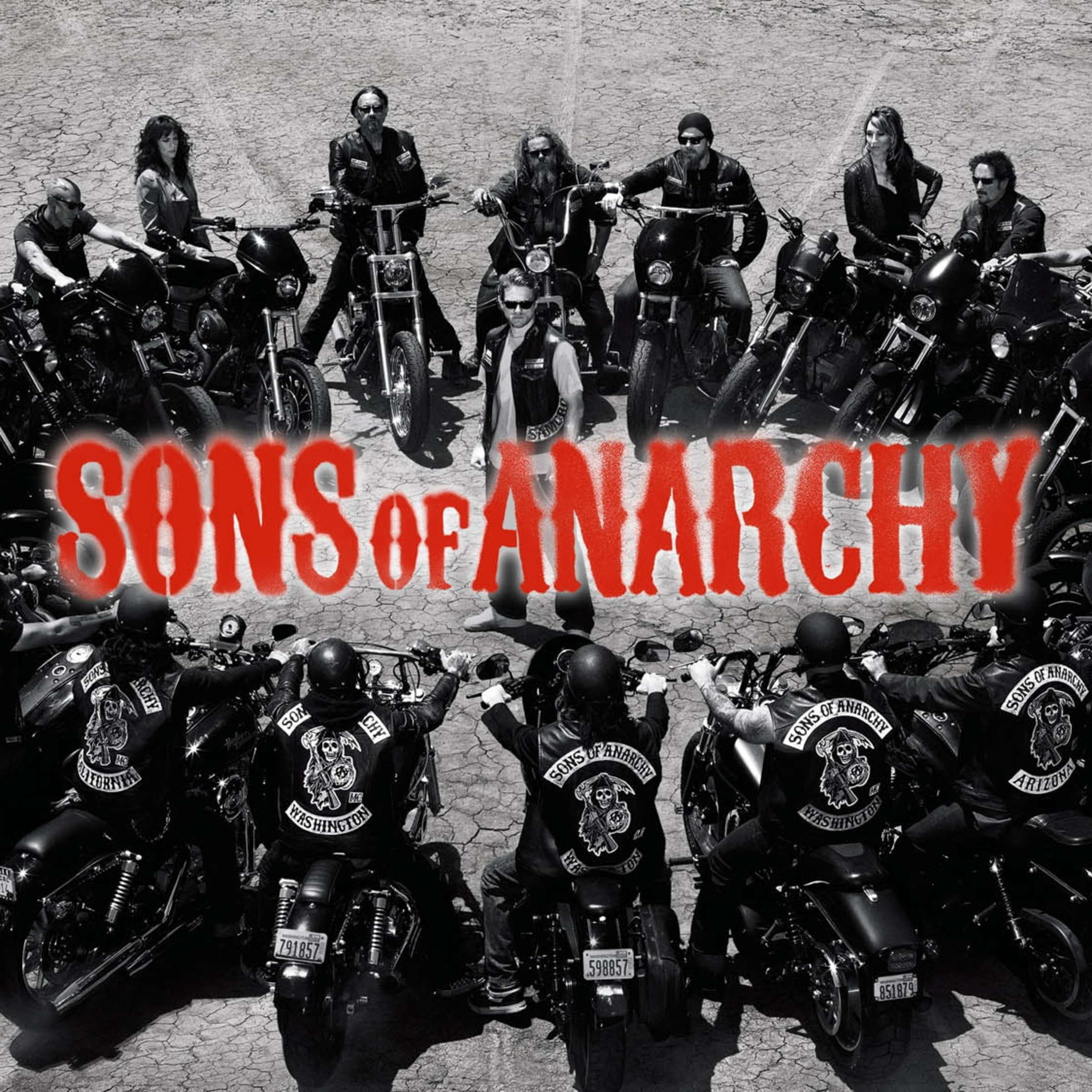
Darvany Jennings is a pivotal, albeit brief, character in the sixth season of the FX drama Sons of Anarchy. Introduced as the mother of the teenager responsible for a tragic school shooting, she serves as a catalyst for the escalating moral conflict surrounding Jax Teller’s leadership of the Sons of Anarchy Motorcycle Club, Redwood Original (SAMCRO). Her arc highlights the unintended consequences of the club’s illicit arms trade and the complex ethical dilemmas that define the show's latter seasons.
The Context: SAMCRO’s Complicity in Violence
In the premiere of season six, titled "Straw," the narrative centers on a school shooting perpetrated by a young boy named Matthew Jennings. The firearm used in the crime is traced back to a KG-9 semi-automatic pistol sold by SAMCRO. This event forces the club, particularly Jax Teller, to confront the direct impact of their weapon-trafficking business on the civilian population of Charming.
Darvany Jennings enters the story as a grieving and desperate mother, reeling from the realization that her son committed an atrocity. Her presence is not merely that of a secondary character; she represents the human cost of the "gun running" operations that the club had been deeply embedded in under the influence of the Irish Kings and the IRA. The tragedy shifts the tone of the series, moving it away from internal power struggles and toward a broader commentary on the systemic cycle of violence.
The Tragic Intersection of Lives
Darvany’s role is defined by her interaction with the club members, who are desperately trying to cover their tracks to avoid federal scrutiny. Because the weapon used by her son was linked to the club, SAMCRO becomes deeply invested in controlling her narrative. The club fears that if she speaks to the authorities—specifically the federal investigators—they will be able to trace the gun back to the source, potentially dismantling the club's operation and leading to life-altering prison sentences for the leadership.
This creates an intense environment of paranoia. Darvany is sequestered by the club under the pretense of protection, but the reality is that she is a liability. Her grief-stricken state and desire for justice, or at least answers, make her a threat to the club’s survival. She is placed in a "safe house," which serves more as a prison, trapping her in the center of a conflict she does not fully understand.
Character Significance and Narrative Impact
The character of Darvany serves as a mirror for the audience to view the moral decay of Jax Teller. Throughout the first five seasons, Jax consistently seeks a "legitimate" path for SAMCRO, often claiming that their illicit activities are a necessary evil to keep the club alive. Darvany’s narrative arc serves to prove that this justification is hollow.
When the club determines that Darvany knows too much, or perhaps more accurately, that her proximity to the investigation makes her a danger that cannot be neutralized through conventional means, a decision is made to end her life. Her death is orchestrated to look like a suicide, a cold-blooded act that underscores the extent to which the club has lost its moral compass. By executing a mother who was already suffering from the loss of her child, the club crosses a line that cannot be uncrossed, further distancing the viewers from the protagonists.
Comparative Dynamics: The Cost of Secrets
To understand Darvany’s role in the series, it is helpful to look at how the club manages external threats versus internal liabilities. The following table illustrates the strategic position Darvany held compared to other figures in the show's later seasons.
| Character | Relationship to SAMCRO | Threat Level | Outcome |
|---|---|---|---|
| Darvany Jennings | External (Victim's Parent) | High (Legal Liability) | Executed by the Club |
| Clay Morrow | Internal (Founding Member) | High (Political/Power) | Executed by the Club |
| Tara Knowles | Internal (Family) | High (Legal Cooperation) | Murdered by Gemma |
| Toric | External (Federal Agent) | High (Investigation) | Killed by Otto/Others |
This table demonstrates that in the world of Sons of Anarchy, the survival of the organization is consistently prioritized over individual lives, regardless of the individual's moral standing or relationship to the members. Darvany’s lack of agency in the situation highlights the ruthless efficiency of the club at this stage of the series.
Ethical Implications of Her Arc
The arc involving Darvany is frequently cited by critics and fans as the turning point where the show abandoned any pretense of the club being a "necessary evil" or a group of honorable outlaws. Unlike previous antagonists who were rival gang members or corrupt officials, Darvany was an innocent civilian.
Her death serves two specific purposes in the narrative:
- The Moral Point of No Return: It solidifies the idea that there is no redemption for Jax. By sanctioning the murder of an innocent mother, he sheds the last of his father’s idealism and fully embraces the role of a criminal overlord.
- The Catalyst for Law Enforcement: While her death prevents her from testifying, the shadow of the school shooting lingers throughout the season, serving as the backdrop for the federal investigation led by Lee Toric.
Frequently Asked Questions
Why did the club decide to kill Darvany Jennings?
The club decided to kill Darvany because she was a witness to their involvement in the arms trade that led to the school shooting. Her grief and interaction with the authorities posed a significant risk that the ATF or other federal agencies would trace the weapon back to the IRA and, subsequently, the Sons. Her removal was deemed a "tactical necessity" to protect the club's existence.
Was Darvany Jennings involved in the gun trade?
No, Darvany had no involvement in the club's criminal activities. She was an innocent civilian. Her son, Matthew, acquired the weapon through the secondary market of gun distribution that the club had fueled, making her an indirect victim of the violence they facilitated.
How did the club cover up the murder of Darvany?
The club, under the direction of Jax, made her death look like a suicide. This was an attempt to avoid a murder investigation that would inevitably bring more law enforcement attention to their activities in Charming. It was a cold, calculated move intended to erase the link between the school shooting and the motorcycle club.
Did Darvany's death effectively save the club?
In the short term, it silenced a potential witness, but it did not save the club from the broader consequences of their actions. The school shooting remained a focal point of law enforcement scrutiny throughout the season, and the guilt and moral consequences of these actions continued to plague the club's leadership, contributing to the ultimate collapse of the organization by the series finale.
Next Steps for Viewers
If you are currently re-watching the series or analyzing the narrative structure of the later seasons, pay close attention to the scenes involving the safe house where Darvany is kept. Observe the dialogue between Jax and the other club members during this sequence; it provides a masterclass in how characters rationalize horrific actions through the lens of "greater good" and club protection. This specific arc is essential for understanding the darker, more nihilistic tone that defines the final two seasons of the show.