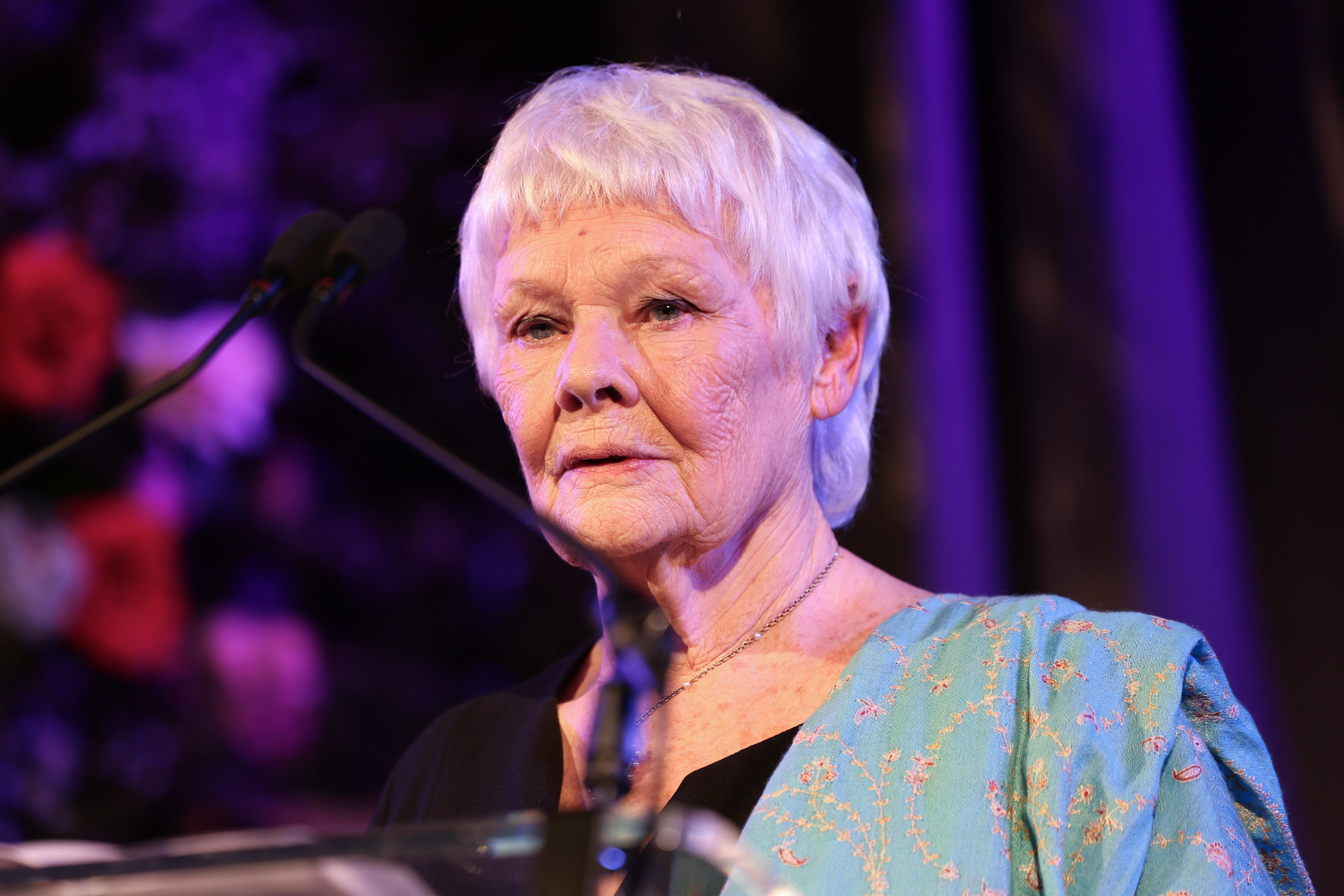
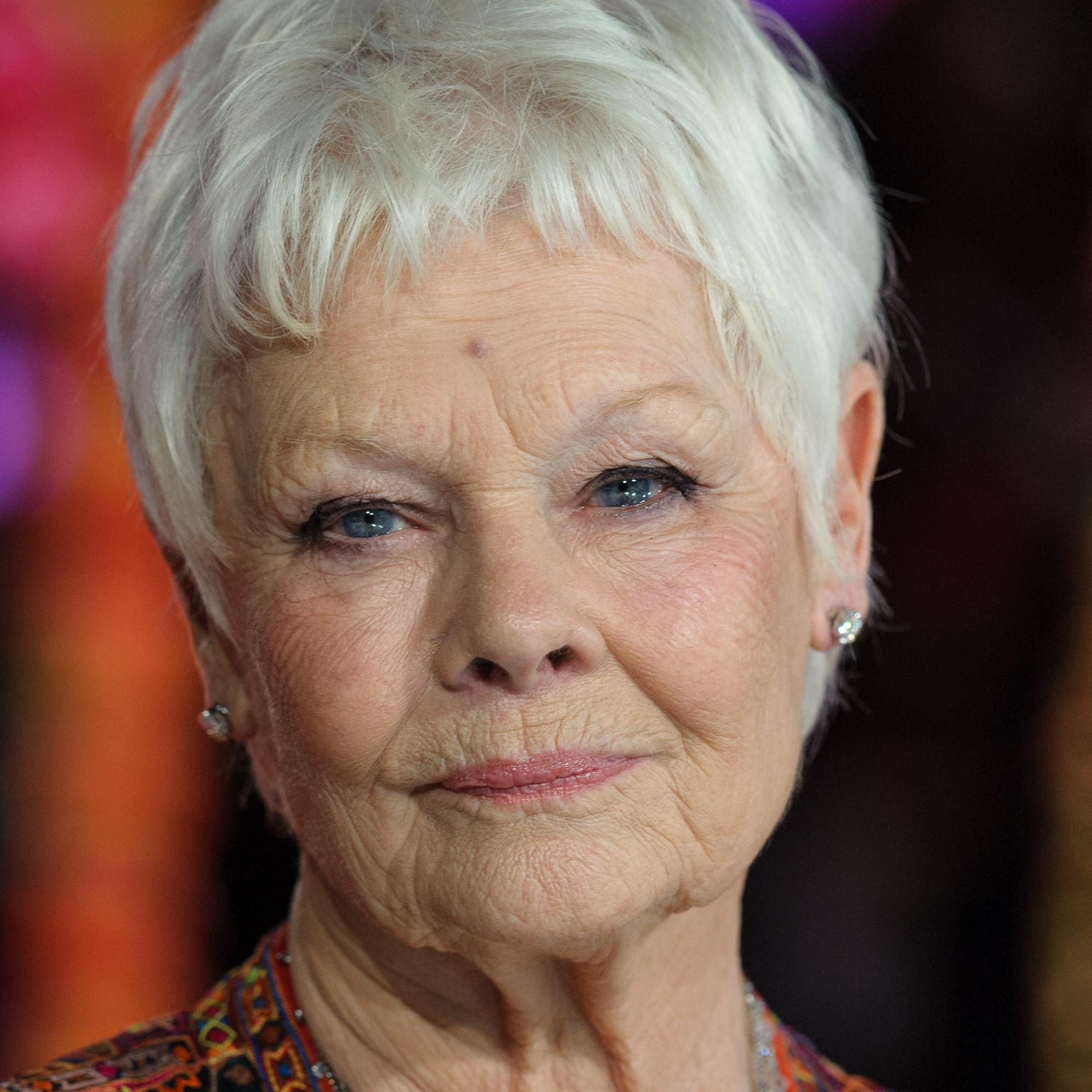
Dame Judi Dench’s filmography is a masterclass in range, spanning over six decades of cinema, television, and stage. From her definitive portrayal of "M" in the James Bond franchise to her Academy Award-winning turn in Shakespeare in Love, she has become a foundational figure in modern acting, balancing regal authority with profound emotional vulnerability.
As of 2026, Dame Judi Dench remains one of the most celebrated actresses in history, possessing an expansive body of work that reflects the evolution of British and international cinema. Her career is characterized by a late-blooming transition into global superstardom, having spent much of her early professional life as a titan of the British stage before conquering Hollywood in her sixties. This guide explores the pivotal eras of her filmography, her most significant roles, and the technical brilliance that defines her screen presence.
The Evolution of a Screen Legend: From Stage to Global Icon
To understand Dame Judi Dench’s movie career, one must first recognize her origins in the theatre. A mainstay of the Royal Shakespeare Company and the Old Vic, Dench brought a unique "stage-honed" discipline to her film roles. Unlike many actors who transition early to film, Dench’s cinematic presence is marked by a deep understanding of text and subtext, often communicating more through a subtle shift in gaze than a page of dialogue.
Her early film work in the 1960s and 70s, such as Four in the Morning (1965), for which she won a BAFTA for Most Promising Newcomer, showcased a raw, naturalistic talent. However, for many years, she was primarily known to British audiences through television and theater. It wasn't until the mid-1990s that a series of strategic casting choices propelled her into the global limelight. This late-career surge is rare in Hollywood, making her trajectory a subject of study for film historians and aspiring actors alike.
The James Bond Legacy: Redefining "M" for a New Generation
Perhaps no role altered Dench's career trajectory more significantly than her casting as M in the 1995 James Bond film GoldenEye. As the first woman to play the head of MI6, Dench provided a sharp, icy counterpoint to Pierce Brosnan’s suave 007. Her introduction of the character as a "sexist, misogynist dinosaur" famously signaled a shift in the franchise’s gender dynamics.
Dench’s tenure as M spanned seven films and one voice-over cameo, bridging the gap between the Brosnan and Daniel Craig eras. In the Craig era, specifically in Casino Royale and Skyfall, her role was expanded from a mere briefing officer to a maternal yet stern figure of authority. Her final major appearance in Skyfall (2012) treated M not just as a boss, but as the emotional center of the film—a rare feat for a supporting character in an action blockbuster.
The Bond Filmography (1995–2015):
- GoldenEye (1995)
- Tomorrow Never Dies (1997)
- The World Is Not Enough (1999)
- Die Another Day (2002)
- Casino Royale (2006)
- Quantum of Solace (2008)
- Skyfall (2012)
- Spectre (2015) – (Cameo)
Royal Portrayals and Historical Dramas
Dame Judi Dench has become the definitive actress for portraying British royalty, specifically Queen Victoria. Her performance in Mrs. Brown (1997) was a turning point, earning her her first Academy Award nomination and establishing her as a formidable leading lady in Hollywood. The film explored Victoria’s grief-stricken relationship with her servant John Brown, requiring Dench to balance the rigidity of the monarch with the internal collapse of a grieving widow.
She revisited the role of Victoria two decades later in Victoria & Abdul (2017), showcasing the character at a much older age. However, her most famous "royal" moment remains her brief, eight-minute appearance as Queen Elizabeth I in Shakespeare in Love (1998). Despite the limited screen time, her presence was so commanding that it earned her the Academy Award for Best Supporting Actress. This win remains one of the most cited examples of how an actor can dominate a narrative through pure gravitas rather than quantity of lines.
Critical Acclaim: The Academy Award Milestones
Beyond Bond and Queens, Dench has delivered some of the most psychologically complex performances in modern drama. Her ability to play "difficult" or morally ambiguous characters is best seen in Notes on a Scandal (2006), where she played Barbara Covett, an obsessive and manipulative schoolteacher. The role required a departure from her "national treasure" persona, delving into loneliness and malice.
In Iris (2001), she portrayed the novelist Iris Murdoch during her battle with Alzheimer’s disease. This role highlighted Dench’s capacity for physical acting, as she depicted the gradual loss of self with devastating accuracy. Her work in Philomena (2013) also stands as a career high, where she played a woman searching for the son she was forced to give up decades earlier. These roles are unified by a common thread: the exploration of memory, loss, and the enduring human spirit.
| Film Title | Year | Role | Primary Accolade/Result |
|---|---|---|---|
| Mrs. Brown | 1997 | Queen Victoria | Academy Award Nominee (Lead) |
| Shakespeare in Love | 1998 | Queen Elizabeth I | Academy Award Winner (Supporting) |
| Chocolat | 2000 | Armande Voizin | Academy Award Nominee (Supporting) |
| Iris | 2001 | Iris Murdoch | Academy Award Nominee (Lead) |
| Mrs Henderson Presents | 2005 | Laura Henderson | Academy Award Nominee (Lead) |
| Notes on a Scandal | 2006 | Barbara Covett | Academy Award Nominee (Lead) |
| Philomena | 2013 | Philomena Lee | Academy Award Nominee (Lead) |
| Belfast | 2021 | Granny | Academy Award Nominee (Supporting) |
Comedic Timing and The "Marigold" Era
While she is often associated with heavy drama, Dench’s comedic timing is a vital component of her filmography. Her work in The Best Exotic Marigold Hotel (2011) and its sequel demonstrated her ability to anchor an ensemble cast in a lighthearted yet poignant narrative. These films, alongside her long-running television work in As Time Goes By, showcase a warmth and accessibility that contrasts with her more formidable historical roles.
In these "later-life" comedies, Dench often plays characters who are navigating the complexities of aging, grief, and new beginnings. Her performances avoid the clichés of the "sweet grandmother," instead offering characters who are witty, observant, and occasionally sharp-tongued. This period of her career has been instrumental in proving that movies centered on older protagonists can achieve significant commercial success.
Collaborations with Kenneth Branagh
A significant portion of Dench’s filmography is tied to her creative partnership with director Kenneth Branagh. Their collaboration spans decades, from Shakespearean adaptations like Henry V (1989) and Hamlet (1996) to modern blockbusters like Murder on the Orient Express (2017) and Artemis Fowl (2020).
Their most personal collaboration arrived with Belfast (2021), a semi-autobiographical film for Branagh. Dench’s portrayal of the "Granny" provided the emotional backbone of the story, earning her another Oscar nomination. This partnership illustrates Dench’s loyalty to directors who understand her theatrical roots while pushing her into new cinematic territories.
Technical Depth: The Dench Method
Critics often point to "The Dench Method"—a term used to describe her ability to inhabit a character instantly. Technically, this involves a specific focus on the eyes and the economy of movement. In films like The Shipping News or Ladies in Lavender, she often uses long silences to build tension.
Furthermore, Dench is known for not reading the entire script of a project before agreeing to it, often preferring to hear the story described by the director. This approach allows her to maintain a sense of spontaneity and "discovery" during filming, which prevents her performances from feeling rehearsed or stale. This technical choice is particularly evident in her more improvisational scenes in ensemble comedies.
Why Her Roles Matter in 2026
In 2026, looking back at her filmography provides a roadmap for the "Prestige Drama" genre. She has consistently chosen projects that prioritize character development over spectacle. As the film industry continues to grapple with the rise of AI and digital de-aging, Dench’s career stands as a testament to the irreplaceable value of human experience and the physical reality of an actor's presence on screen.
Frequently Asked Questions
How many Academy Awards has Dame Judi Dench won?
Dame Judi Dench has won one Academy Award. She won the Oscar for Best Supporting Actress for her role as Queen Elizabeth I in Shakespeare in Love (1998). Despite her single win, she has received a total of eight nominations, making her one of the most nominated actors in the history of the awards. Her nominations span across both Lead and Supporting categories for films such as Mrs. Brown, Iris, and Philomena.
Which James Bond actor did Judi Dench work with the most?
Judi Dench worked with Pierce Brosnan and Daniel Craig. She appeared in four films with Pierce Brosnan (GoldenEye, Tomorrow Never Dies, The World Is Not Enough, and Die Another Day) and four films with Daniel Craig (Casino Royale, Quantum of Solace, Skyfall, and Spectre—though her appearance in Spectre was a brief video message). Her role evolved significantly during the Daniel Craig era, focusing more on the personal history between Bond and M.
What is considered Judi Dench’s breakthrough film role?
While she was already a legend in the UK for her theater and TV work, GoldenEye (1995) is considered her global breakthrough. However, her first lead role to gain massive critical acclaim in the United States was Mrs. Brown (1997). This film proved that she could carry a major motion picture as the primary protagonist and led to her becoming a staple of the "awards season" for the next two decades.
Has Judi Dench retired from acting as of 2026?
As of 2026, Dame Judi Dench has not officially retired, although she has been selective about her roles due to her well-documented struggle with age-related macular degeneration. She has adapted by having scripts read aloud to her and continues to appear in projects that accommodate her needs. Her commitment to the craft remains a point of inspiration within the industry, as she continues to participate in documentaries, voice work, and occasional screen appearances.
How to Explore Her Work Further
To truly appreciate the depth of Dame Judi Dench's contributions to cinema, viewers should watch her films chronologically to see the transition from her early British New Wave appearances to her status as a global powerhouse. For those interested in the technical aspects of her acting, comparing her performances in Notes on a Scandal and The Best Exotic Marigold Hotel offers a clear view of her range from psychological thriller to heartwarming comedy.
For the most accurate and up-to-date listings of her current projects and historical credits, consulting the British Film Institute (BFI) or the official Academy Awards Database is recommended. These resources provide verified data on her impact on the industry and the specific technical milestones of her career.