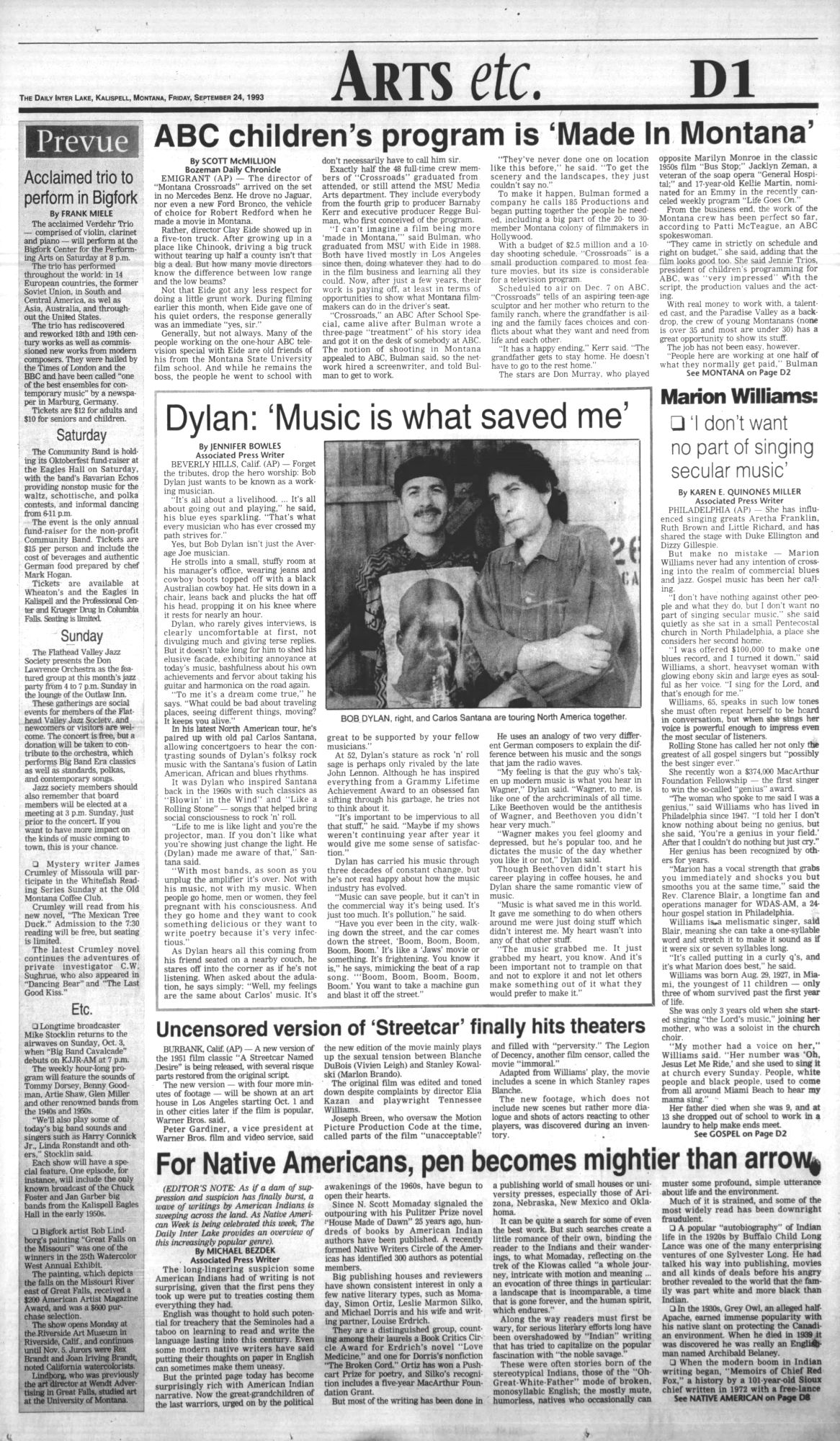
The Daily Interlake represents the primary journalistic pulse for the Flathead Valley and surrounding regions in Montana. As of 2026, this media entity serves as a critical information infrastructure for residents, local businesses, and visitors, providing essential coverage on regional governance, economic developments, and community events. Understanding how to leverage this resource for local intelligence is vital for those navigating the rapidly evolving social and environmental landscape of the Interlake region.
The Evolution of Regional Journalism in the Flathead Valley
By 2026, the Daily Interlake has transitioned from a traditional print-heavy model to a sophisticated digital-first multimedia ecosystem. The platform serves as the central repository for municipal updates, land-use planning, and regional legislative shifts that directly impact residents of Kalispell, Whitefish, and Columbia Falls.
Technological integration has shifted the focus toward real-time reporting. Readers now engage with the content through data-driven infographics, interactive local maps detailing infrastructure projects, and verified community forums. For local stakeholders, the publication acts as a bridge between official government records and the public, maintaining transparency standards that are essential for regional accountability.
Essential Pillars of Local Coverage
To maximize the value of the information provided by the publication, users should focus on the specific thematic pillars that define its 2026 editorial standards. These pillars ensure that readers receive actionable intelligence rather than speculative commentary.
- Municipal Infrastructure and Expansion: Tracking the 2026 development permits, zoning changes, and water management projects impacting property values.
- Regional Economic Metrics: Reporting on the shift in tourism revenue, agricultural output, and small business growth within the Interlake corridor.
- Environmental Stewardship and Policy: Coverage regarding the management of regional forests, watershed protections, and legislative updates from Helena as they pertain to local resource use.
- Community Safety and Emergency Protocols: Immediate dissemination of alerts concerning weather events, wildfire mitigation efforts, and public utility outages.
Comparing Information Sources for Regional Accuracy
Navigating the landscape of regional media requires identifying the difference between verified journalism and secondary social media aggregation. The following table illustrates the operational differences in 2026 media consumption for the Interlake region.
| Source Type | Verification Standard | Primary Intent | Frequency of Update |
|---|---|---|---|
| The Daily Interlake | Professional Editorial | Informational / Civic | Real-time / Daily |
| Local Social Groups | Peer-to-Peer | Conversational | Instant / Unverified |
| Municipal Press Releases | Government Authorized | Administrative | As-needed |
| Regional News Aggregators | Algorithmic | Commercial / Ad-heavy | Automated |
Navigating Local Policy and Civic Engagement
For residents and business owners, the Daily Interlake serves as a primary source for identifying upcoming public hearings and ballot initiatives. In 2026, active participation in local governance has become a prerequisite for managing the pressures of regional growth. Readers are encouraged to utilize the "Civic Tracker" feature, which monitors the progression of city council agendas and county commissioner sessions.
Effective engagement requires understanding the specific reporting cycles. Legislative reporting typically peaks during the winter and early spring sessions in Helena, while land-use and tourism-related coverage intensifies during the summer months. By aligning personal research with these reporting cycles, stakeholders can stay ahead of policy changes that affect tax structures, building codes, and community development.
Strategies for Reliable Information Consumption
To ensure the highest level of accuracy when consuming regional news in 2026, experts recommend a systematic approach to cross-referencing information. Avoid relying solely on headline-level data; instead, investigate the primary source documents often linked within the detailed reports provided by the Daily Interlake.
- Prioritize reporting that explicitly cites government agencies or public record identifiers (e.g., specific ordinance numbers or permit IDs).
- Utilize the platform’s archives to track the trajectory of a local project over a minimum of six months to identify patterns in funding or delays.
- Cross-reference infrastructure announcements with the Montana Department of Transportation’s current project status maps for 2026.
- Engage with the "Letters to the Editor" and editorial opinion sections as a barometer for community sentiment, but distinguish these clearly from hard news reporting.
Frequently Asked Questions Regarding Regional Access
Is the Daily Interlake the official outlet for all local government legal notices in 2026? Yes, it remains a primary venue for public records, though it operates alongside digital-only municipal portals. Always check the official county website for direct legal filings to ensure you are seeing the most granular technical documentation.
How does the publication handle corrections and misinformation in 2026? The outlet adheres to a strict editorial policy where corrections are appended to the original digital article, ensuring the history of the reporting remains transparent. Any factual errors identified in community-driven reports are updated via a verified strike-through or updated timestamp system.
Can I find archived demographic data for the Interlake region here? Yes, the archives house extensive reports on regional census updates, economic shifts, and historical land-use changes. These datasets are frequently utilized by local researchers and developers for long-term project planning.
Does the publication cover real-time emergency weather updates? Yes, during high-risk seasons, the platform prioritizes emergency bulletins regarding wildfire activity and severe weather. Residents are advised to bookmark the dedicated live-feed section specifically for rapid updates.
Are there subscription requirements for accessing high-depth analytical content? Most investigative reporting and deep-dive analytics are behind a digital subscription model in 2026, which supports the cost of professional journalism. Basic breaking news often remains accessible to the general public to maintain community safety.
Expert Insight: The Value of Localized Reporting
As a senior strategist monitoring regional information environments, it is clear that the value of an entity like the Daily Interlake lies in its niche specialization. While national news platforms may cover broader economic trends, they lack the granularity required to understand the nuances of local property zoning, specific regional hospital network capacity, or granular school board policy updates. In 2026, your ability to make informed decisions regarding your investments, business operations, and community involvement is directly proportional to your access to verified, hyper-local intelligence. Ensure that you are not just scanning the headlines but actively participating in the information ecosystem by engaging with the detailed documentation provided by regional experts.
For those looking to influence policy or stay informed on regional growth, the most effective path forward is to maintain a consistent review schedule of local municipal calendars, cross-referencing them with the investigative features provided by your regional media partner.