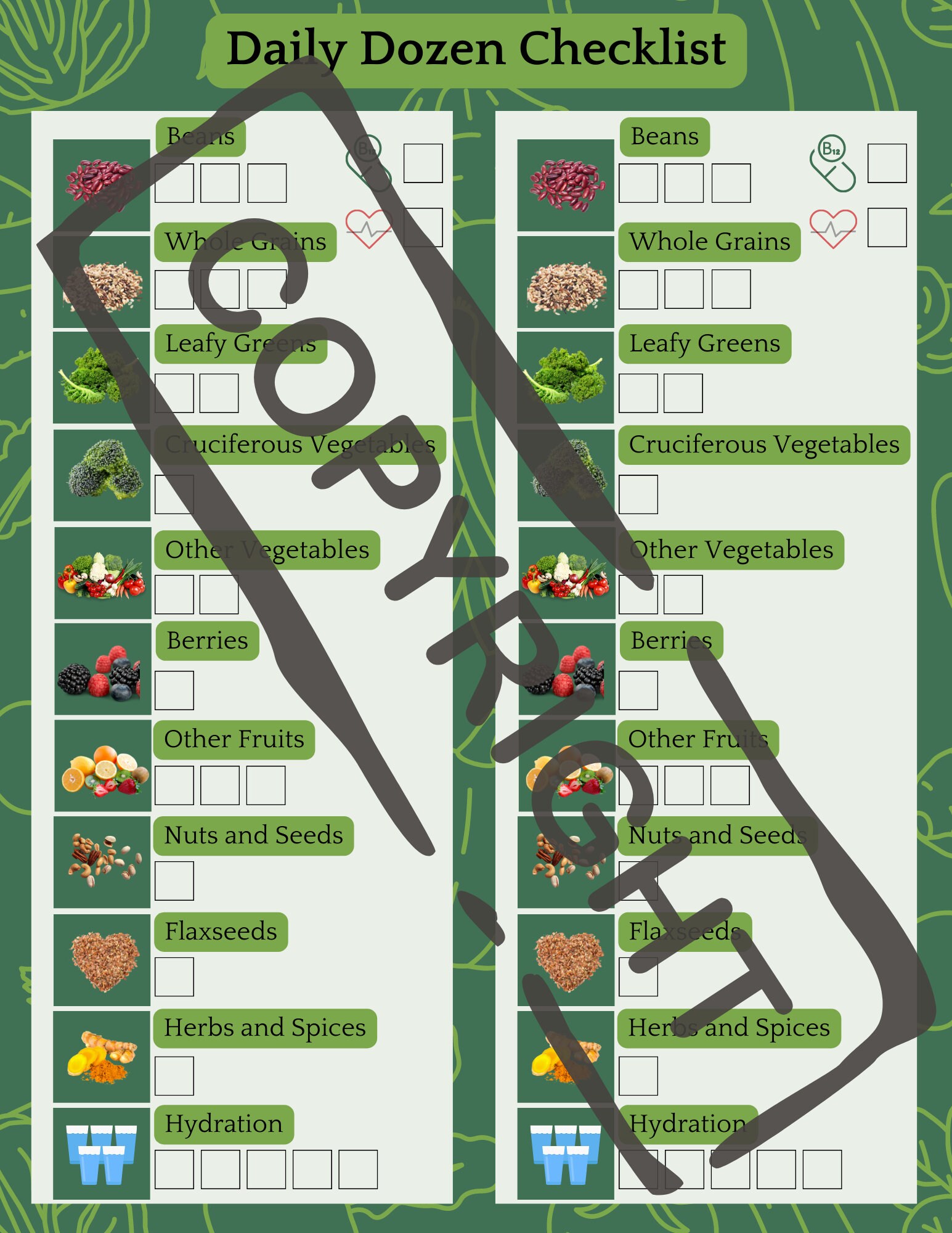
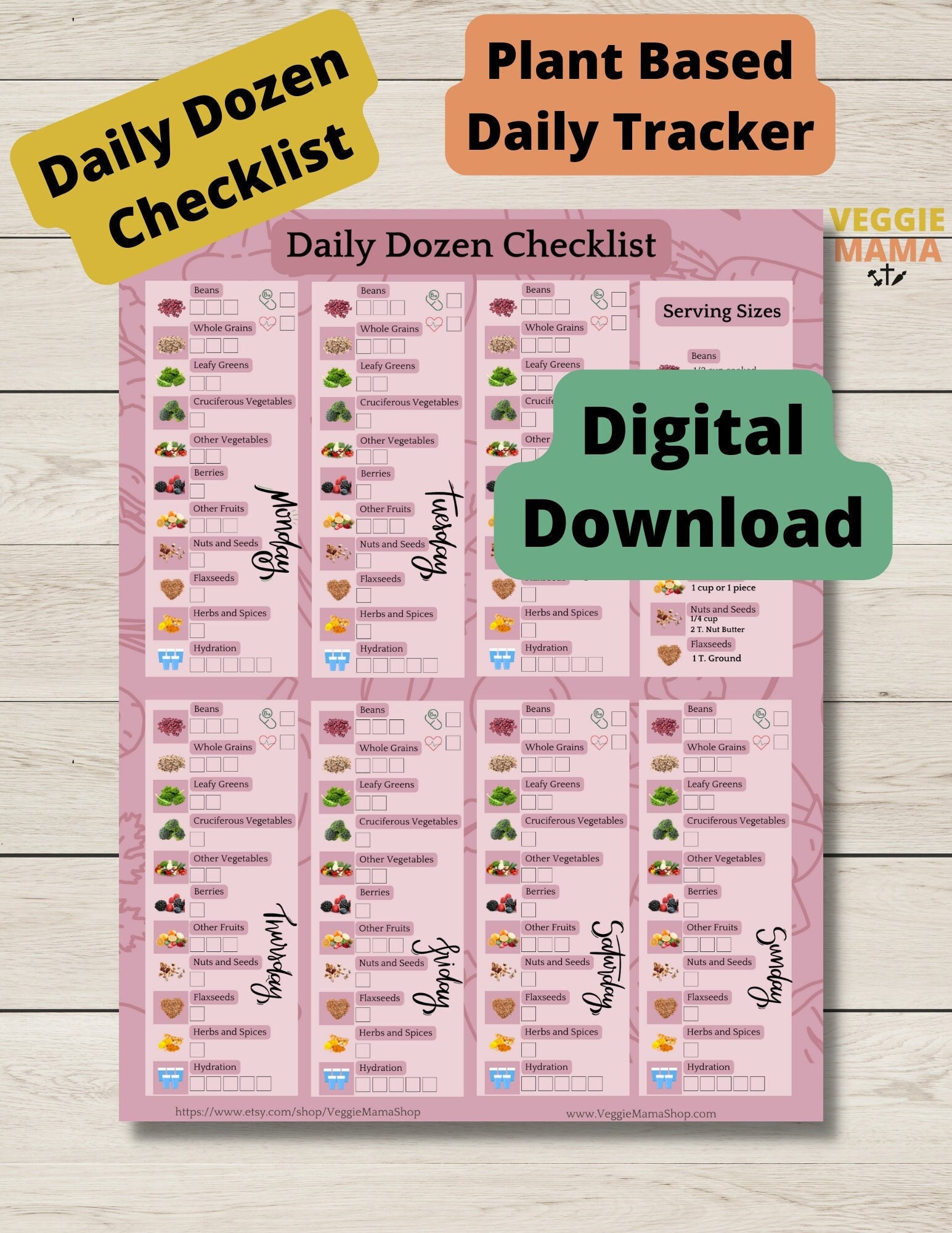
The "daily dozen" primarily refers to the evidence-based nutritional checklist popularized by nutrition researcher Dr. Michael Greger, detailing the daily servings of whole plant foods needed for optimal health.
Navigating nutritional frameworks in 2026 requires moving beyond simple calorie counting to focus on micronutrient density, anti-inflammatory compounds, and sustainable whole-food consumption. The daily dozen framework provides a structured, highly actionable blueprint for individuals seeking to optimize their dietary intake without falling victim to restrictive fad diets. Understanding the mechanics of these specific food groups, their exact serving sizes, and the biochemical rationale behind them allows practitioners and health-conscious individuals to build a resilient, disease-preventing dietary pattern.
Biochemical Foundations of the Plant-Based Daily Dozen
Adopting a whole-food, plant-based lifestyle demands a clear understanding of why specific food categories matter at a cellular level. The daily dozen framework is not arbitrary; it is engineered to cover all physiological bases, ensuring adequate intake of antioxidants, soluble and insoluble fiber, essential fatty acids, and phytonutrients.
When evaluating nutritional intake against clinical biomarkers—such as lipid panels, glycemic control markers, and systemic inflammatory indicators like C-reactive protein—adhering to this checklist consistently correlates with improved metabolic health. Every single component of the daily dozen targets a specific physiological pathway, from endothelial function supported by nitrate-rich greens to microbiome diversification driven by diverse prebiotic fibers.
Breaking Down the Core Categories
- Beans and Legumes: Three servings daily of lentils, chickpeas, black beans, or tofu provide vital resistant starch and plant-based protein.
- Berries: One serving daily of blueberries, strawberries, or raspberries delivers high concentrations of anthocyanins for cognitive and vascular health.
- Other Fruits: Three servings daily ensure broad-spectrum vitamin C, potassium, and hydration.
- Cruciferous Vegetables: One serving daily of broccoli, kale, Brussels sprouts, or cabbage activates phase II liver detoxification enzymes via sulforaphane production.
- Greens: Two servings daily of raw or cooked leafy greens protect macular health and supply systemic nitrates.
- Other Vegetables: Two servings daily of non-leafy, non-cruciferous options add essential bulk and diverse micronutrients.
- Flaxseeds: One tablespoon daily of freshly ground flaxseeds supplies essential alpha-linolenic acid (ALA) and lignans.
- Nuts and Seeds: One serving daily provides healthy monounsaturated fats and trace minerals like selenium and zinc.
- Whole Grains: Three servings daily of oats, quinoa, brown rice, or barley maintain stable glycemic curves.
- Spices: One quarter-teaspoon of turmeric daily, paired with black pepper, drastically reduces systemic oxidative stress.
- Beverages: Five glasses of water or unsweetened green or herbal tea support baseline metabolic clearance.
- Exercise: Ninety minutes of moderate activity or forty minutes of vigorous activity completes the holistic health prescription.
Comparative Analysis of Daily Dozen vs. Standard Dietary Approaches
To appreciate the distinct advantages of the daily dozen framework, it must be evaluated against other prevailing nutritional standards of 2026. Nutritional science continuously evolves, yet the core tenets of whole-food intake consistently outperform highly processed dietary regimes in long-term clinical trials.
| Dietary Framework | Primary Focus | Soluble Fiber Target | Processed Food Allowance | Clinical Outcome Correlation |
|---|---|---|---|---|
| The Daily Dozen | Whole plant foods, phytonutrient diversity | High (40g+ daily) | Strictly Minimized | Reduced cardiovascular events, lower HbA1c |
| Standard Western Diet | Caloric convenience, animal protein | Low (10-15g daily) | High (Ultra-processed) | Increased systemic inflammation, metabolic syndrome |
| Standard Ketogenic Diet | Macronutrient ratios (High fat, low carb) | Variable | Moderate | Rapid short-term weight loss, potential LDL elevation |
| Mediterranean Diet | Healthy fats, lean proteins, plants | Moderate (25g daily) | Low to Moderate | Supported cardiac health, longevity markers |
This matrix highlights how the daily dozen deliberately maximizes fiber and phytonutrient diversity, setting it apart from diets that prioritize isolated macronutrient ratios over cellular micronutrient density.
Step-by-Step Implementation Guide for Busy Schedules
Integrating twelve distinct categories into a routine may seem overwhelming initially. Successful execution relies on batch preparation, strategic pantry stocking, and habit stacking.
- Audit Your Current Pantry: Remove ultra-processed snacks and stock your kitchen with staples like canned beans, rolled oats, ground flaxseed, and frozen berries.
- Batch Prep Legumes and Grains: Cook a large batch of quinoa and lentils on Sunday to form the base of your lunches throughout the week.
- Establish a Morning Routine: Incorporate flaxseeds, berries, and greens into a morning smoothie to check off multiple categories before the workday begins.
- Leverage Freezer Assets: Keep frozen cruciferous vegetables and berries on hand to prevent spoilage and ensure uninterrupted compliance.
- Track and Adjust: Use a digital habit tracker or physical checklist for the first thirty days until the rhythm becomes second nature.
Expert Strategic Insight: Do not attempt to hit every single category on day one if your baseline diet is heavily processed. Gradual behavioral modification prevents gastrointestinal distress caused by sudden massive increases in dietary fiber. Introduce one or two new categories every few days to allow your gut microbiome time to adapt to the influx of prebiotic substrates.
Potential Challenges and Practical Troubleshooting
Even with clear intentions, practitioners often encounter specific roadblocks when scaling up plant-based intake. Recognizing these hurdles ensures long-term adherence and prevents common nutritional pitfalls.
- Gastrointestinal Distress: A sudden surge in fiber can trigger temporary bloating and gas. Remedy this by slowly ramping up bean and cruciferous vegetable intake while significantly increasing water consumption.
- Meal Monotony: Eating the same salads daily leads to burnout. Rotate your spice profiles, experiment with international seasoning blends, and utilize seasonal produce to keep meals exciting.
- Time Constraints: Chopping vegetables daily is labor-intensive. Invest in a food processor, buy pre-washed greens, and utilize frozen produce to drastically reduce preparation time.
- Micronutrient Gaps: While the framework covers most bases, ensure adequate supplementation of Vitamin B12, as it cannot be reliably sourced from unfortified plant foods in a sterile modern environment.
Frequently Asked Questions
What is the primary purpose of the daily dozen framework?
The daily dozen checklist provides a targeted, food-based blueprint ensuring optimal intake of anti-inflammatory compounds, antioxidants, and fiber for chronic disease prevention. It eliminates guesswork by establishing concrete daily serving targets across essential plant-based food groups.
Do I need to track exact gram weights for every serving?
No, exact gram weights are unnecessary; standard household measurements, such as a cup of leafy greens or a tablespoon of ground flaxseeds, serve as reliable proxies for clinical tracking. Consistency in consuming the designated number of servings matters far more than obsessing over decimal-level precision.
How does the daily dozen handle protein requirements?
Protein needs are easily met through generous daily servings of beans, lentils, whole grains, nuts, and seeds. These sources provide amino acids alongside protective fiber and phytochemicals, avoiding the inflammatory saturated fats often accompanying animal proteins.
Can athletes thrive using the daily dozen framework?
Yes, many endurance and strength athletes utilize this framework because it accelerates recovery by lowering systemic oxidative stress and inflammation. High-calorie needs can be satisfied by simply scaling up portions of calorically dense whole plant foods like nuts, seeds, avocados, and whole grains.
Is supplementation required while following this routine?
While the diet covers the vast majority of micronutrient requirements, health authorities universally recommend supplementing with Vitamin B12. Depending on geographic location and sun exposure, Vitamin D supplementation may also be warranted during winter months.
What should I do if I miss several categories on a given day?
Treat the checklist as a flexible guide rather than a rigid dogma, simply resuming your normal routine the following day without guilt. Long-term dietary patterns dictate health outcomes, not isolated daily deviations.
Prioritize your long-term metabolic health today by auditing your current grocery list, introducing one new daily dozen category into your next meal, and building a sustainable routine rooted in whole-food nutrition.