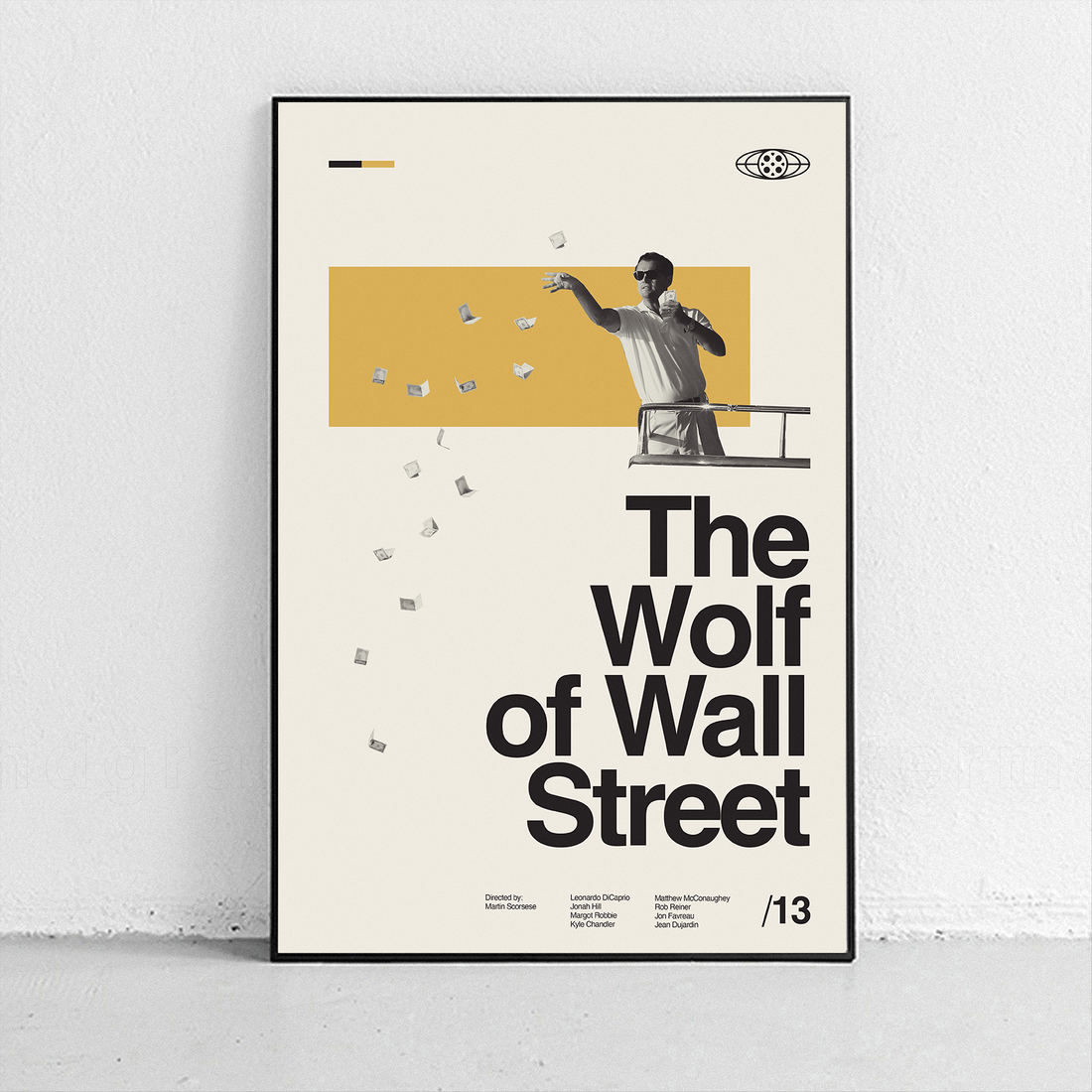
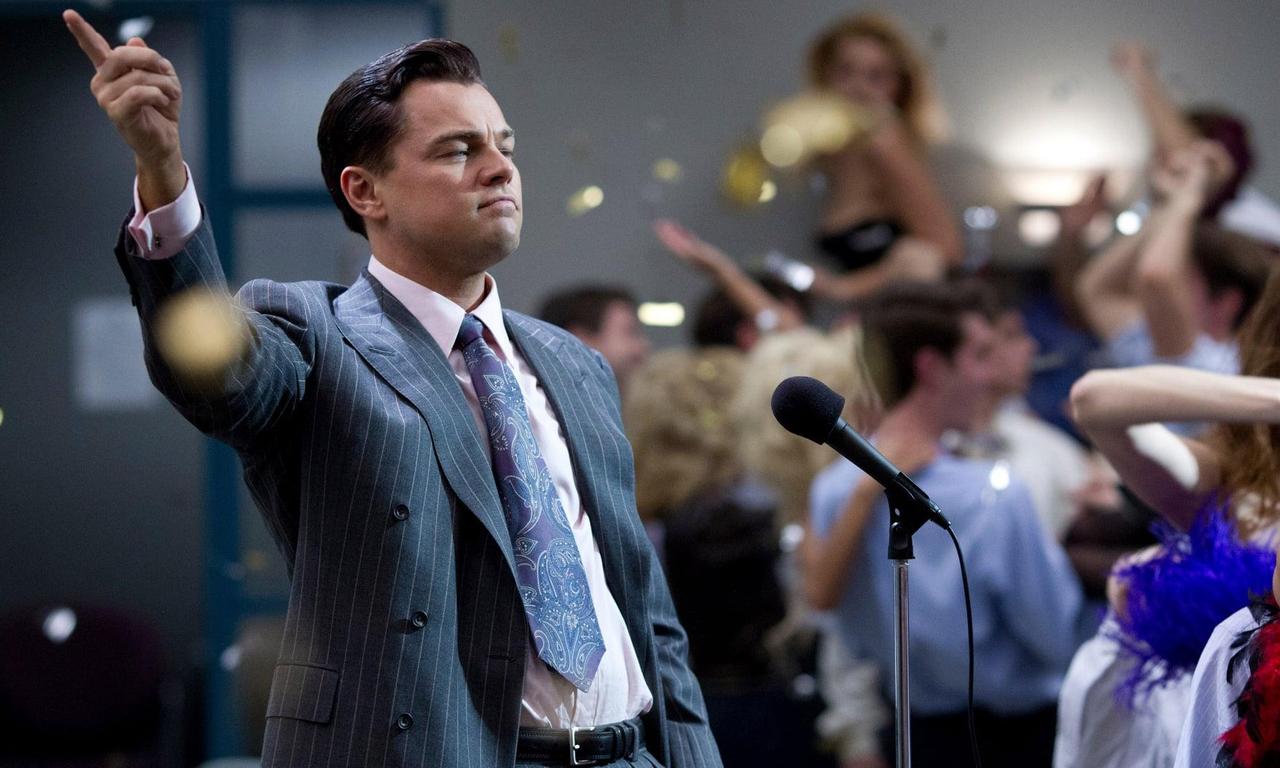
Max Belfort, portrayed by Rob Reiner in the 2013 film The Wolf of Wall Street, was the father of the real-life "Wolf," Jordan Belfort. Known by the nickname "Mad Max" for his legendary temper, he served as the internal accountant and compliance enforcer at Stratton Oakmont, attempting to provide a semblance of financial oversight amidst the firm's chaotic and illegal activities.
The cinematic portrayal of Max Belfort has become one of the most memorable aspects of Martin Scorsese’s masterpiece. While the film focuses heavily on the debauchery and financial crimes of Jordan Belfort, Max serves as a fascinating counter-point—a man of a different generation trying to apply traditional accounting logic to a business model built on fraud and excess. As of 2026, over a decade since the film's release and decades since the events occurred, interest remains high regarding how much of "Mad Max" was rooted in reality versus Hollywood dramatization.
Who was the Real Max Belfort?
Max Belfort was born into a Jewish family in the Bronx, New York, and he lived through an era defined by the Great Depression and World War II. These formative years instilled in him a conservative financial mindset and a fierce work ethic that stood in stark contrast to the "get rich quick" schemes his son would later champion. Max and his wife, Leah Belfort, were both accountants, which makes the eventual financial trajectory of their son particularly ironic.
In the real-world narrative of the Belfort family, Max was not just a spectator but a direct participant in the early days of Jordan’s career. Before Stratton Oakmont became a household name for white-collar crime, Max and Leah were there to witness Jordan’s first failed business venture—a meat and seafood distribution company. When that business collapsed, Max was the one who encouraged Jordan to find a more stable path, leading Jordan to the doors of L.F. Rothschild.
Max’s personality was described as explosive but deeply loyal. He was a man who valued family and security, often expressing his frustration with his son's lifestyle through high-decibel outbursts. This "Mad Max" persona was not an invention of the screenwriters; Jordan Belfort’s own memoirs describe his father as someone who could reach a boiling point in seconds, a trait that became a core part of the film's comedic and dramatic relief.
Rob Reiner’s Portrayal: Bringing "Mad Max" to Life
The casting of Rob Reiner as Max Belfort was a stroke of genius by Martin Scorsese. Reiner, primarily known as a legendary director (When Harry Met Sally, The Princess Bride), brought a level of gravitas and comedic timing that balanced Leonardo DiCaprio’s high-energy performance. Reiner’s Max became the "straight man" in an world of lunacy, representing the voice of a previous generation that was bewildered by the sheer scale of the waste occurring at Stratton Oakmont.
Reiner's performance captured the nuance of a father who was simultaneously horrified by his son’s behavior and protective of his son’s safety. In the film, Max is often seen in his office, surrounded by spreadsheets and files, yelling at brokers for their exorbitant spending on entertainment and illicit services. This role was vital because it grounded the film, reminding the audience that even in a world of yachts and private jets, there was still an "accountant" trying to make the numbers make sense—even when they didn't.
One of the most praised aspects of Reiner's performance was his chemistry with DiCaprio. The scenes where Max tries to give Jordan advice—or yells at him for his public antics—feel authentic to a father-son dynamic. It captures the tragedy of a man who sees his son drifting further away from the values he was raised with, yet cannot help but participate in the machine that is making his son rich.
Max’s Role at Stratton Oakmont: Accountant and Enforcer
At Stratton Oakmont, Max Belfort held a position that was both vital and paradoxical. He was the head of the firm's compliance and internal accounting. On paper, his job was to ensure that the firm adhered to financial regulations and that its books were in order. In reality, Max was tasked with managing the "unmanageable"—the massive overhead costs generated by a workforce of young, reckless brokers.
Max was famous for scrutinizing expense reports. He would famously scream about the "excesses" of the firm, but his focus was often on the optics rather than the legality. For instance, in the film and the book, he is portrayed as being more upset about the $26,000 bill for a "prostitute and champagne" lunch than the actual stock manipulation occurring on the trading floor. This highlights a key detail about the real Max: he was a traditionalist. He didn't necessarily understand the complexities of the pump-and-dump schemes, but he understood when a bill for entertainment was out of line with standard business practices.
His presence at the firm provided Jordan with a level of trust. Having his father "watch the books" gave Jordan a sense of security, believing that his father would protect him from the SEC and the FBI. However, Max’s inability to stop the momentum of Stratton Oakmont ultimately meant that he was a witness to the firm's collapse.
Fact vs. Fiction: Comparing the Movie to Reality
While The Wolf of Wall Street is known for its exaggerations, many of the details surrounding Max Belfort are surprisingly accurate. According to Jordan Belfort’s memoirs and interviews with former Stratton Oakmont employees, the character of "Mad Max" was only slightly dialed up for the screen.
| Feature | Movie Portrayal (Rob Reiner) | Real-Life Max Belfort |
|---|---|---|
| Nickname | "Mad Max" | "Mad Max" |
| Profession | Internal Accountant | Accountant / Consultant |
| Temperament | Explosive and loud | Known for extreme shouting matches |
| Financial Philosophy | Conservative, focused on overhead | Thrifty, lived below his means |
| Role in Fraud | Mostly unaware of the "how," but saw the "spend" | Aware of the lifestyle, largely ignored the legal mechanics |
| Fate | Remains a supportive but angry figure | Passed away in 2005 from natural causes |
The film accurately depicts Max’s obsession with the "sides of the road." This was a real-life metaphor Max used to explain his view on life and business: you can drive on either side, but if you drive down the middle, you're going to get hit. This philosophy explains why Max was so aggressive in his role; he believed in picking a lane and staying in it, even if the lane Jordan chose was fraught with danger.
One area where the film takes liberties is the timeline of his involvement. In the movie, Max seems to be present for almost every major milestone of Stratton Oakmont. In reality, while Max was a constant presence in Jordan’s life, his day-to-day involvement in the office fluctuated as the firm grew into a massive operation with hundreds of employees.
The Belfort Family Dynamics and Influence
To understand the dad from The Wolf of Wall Street, one must understand the influence of his wife, Leah. Jordan’s parents were a formidable duo. They were both professionals who valued education and financial stability. This background is what made Jordan’s descent into drug-fueled corporate raiding so shocking to them.
Max was a product of a generation that believed in the American Dream through hard work and incremental gains. Jordan, conversely, represented the 1980s and 90s "Greed is Good" era. The friction between Max and Jordan was essentially a clash of two different American centuries. Max’s constant yelling was a manifestation of his anxiety about his son’s precarious position. He knew that the level of success Jordan was achieving was unsustainable and likely illegal, yet he was caught in the gravitational pull of his son’s charisma and wealth.
Interestingly, despite the shouting and the public disagreements, Max remained a loyal defender of his son. When the legal walls began to close in, Max was there, providing whatever support he could, even as he continued to berate Jordan for his poor choices. This complex relationship—love mixed with utter disapproval—is what makes Max Belfort one of the most relatable and human characters in the story.
Key Scenes and Cultural Impact
Several scenes involving Max Belfort have entered the cultural zeitgeist. Perhaps the most famous is the "aerobics video" scene, where Max is seen watching an exercise tape while discussing the firm's legal troubles. This scene perfectly captures the absurdity of the Belfort household—a mix of mundane domesticity and high-stakes criminal investigation.
Another key scene is the discussion regarding the "sides of the road" mentioned earlier. This conversation serves as a rare moment of genuine mentorship, where Max tries to warn Jordan that his current path is leading toward a head-on collision. The performance by Rob Reiner in this scene is masterfully understated, showing the fear beneath the "Mad Max" exterior.
The cultural impact of Max Belfort lies in his role as the "everyman" surrogate. While the audience might find Jordan Belfort’s lifestyle fascinating or even enviable, they likely relate more to Max—the person asking, "How much did you spend on what?" and "Is this even legal?" He represents the conscience that the rest of the characters have largely abandoned.
FAQ: Facts about the Dad from The Wolf of Wall Street
Was Max Belfort really an accountant at Stratton Oakmont?
Yes, Max Belfort was a real person and a qualified accountant. He worked for his son's firm, Stratton Oakmont, primarily in a role that involved overseeing internal finances and attempting to curb the excessive spending of the brokers. He was officially tasked with compliance and administrative oversight.
Is the "Mad Max" nickname real?
The nickname "Mad Max" was indeed real. It was used by Jordan Belfort and the employees at Stratton Oakmont to describe Max’s frequent and intense outbursts of anger. These outbursts were usually triggered by waste, incompetence, or the legal threats facing the company.
Did Max Belfort go to jail like his son?
No, Max Belfort was not indicted or imprisoned for the crimes committed at Stratton Oakmont. While he was in a high-level position, the investigations by the SEC and the FBI primarily targeted the principals of the firm—Jordan Belfort and Danny Porush (Donnie Azoff in the film)—for their roles in securities fraud and money laundering.
Who played the dad in The Wolf of Wall Street?
Max Belfort was played by the acclaimed actor and director Rob Reiner. Reiner was specifically chosen by Martin Scorsese to provide a grounded, veteran presence to the cast, acting as a foil to the younger, more erratic characters played by Leonardo DiCaprio and Jonah Hill.
What happened to the real Max Belfort?
The real Max Belfort passed away in 2005. He lived long enough to see the collapse of Stratton Oakmont and his son's subsequent imprisonment and release, but he died several years before the film The Wolf of Wall Street was produced and released in 2013.
Practical Insights for Viewers and Researchers
For those looking to understand the history of Stratton Oakmont and the role of the Belfort family, it is essential to distinguish between the stylized version of events in the movie and the documented history in Jordan Belfort’s memoirs. While the film is largely accurate regarding Max Belfort’s personality and his general role at the firm, the timeline is condensed for dramatic effect.
If you are researching the financial history of this era, Max Belfort serves as a case study in "internal oversight" within a fraudulent organization. His presence shows that having a "compliance officer" or an "accountant" on staff is not a guarantee of legality if the culture of the firm is fundamentally built on deception. For students of business and ethics, studying Max's role provides insight into how family loyalty can sometimes cloud professional judgment, leading individuals to stay within organizations they know are failing the "side of the road" test.