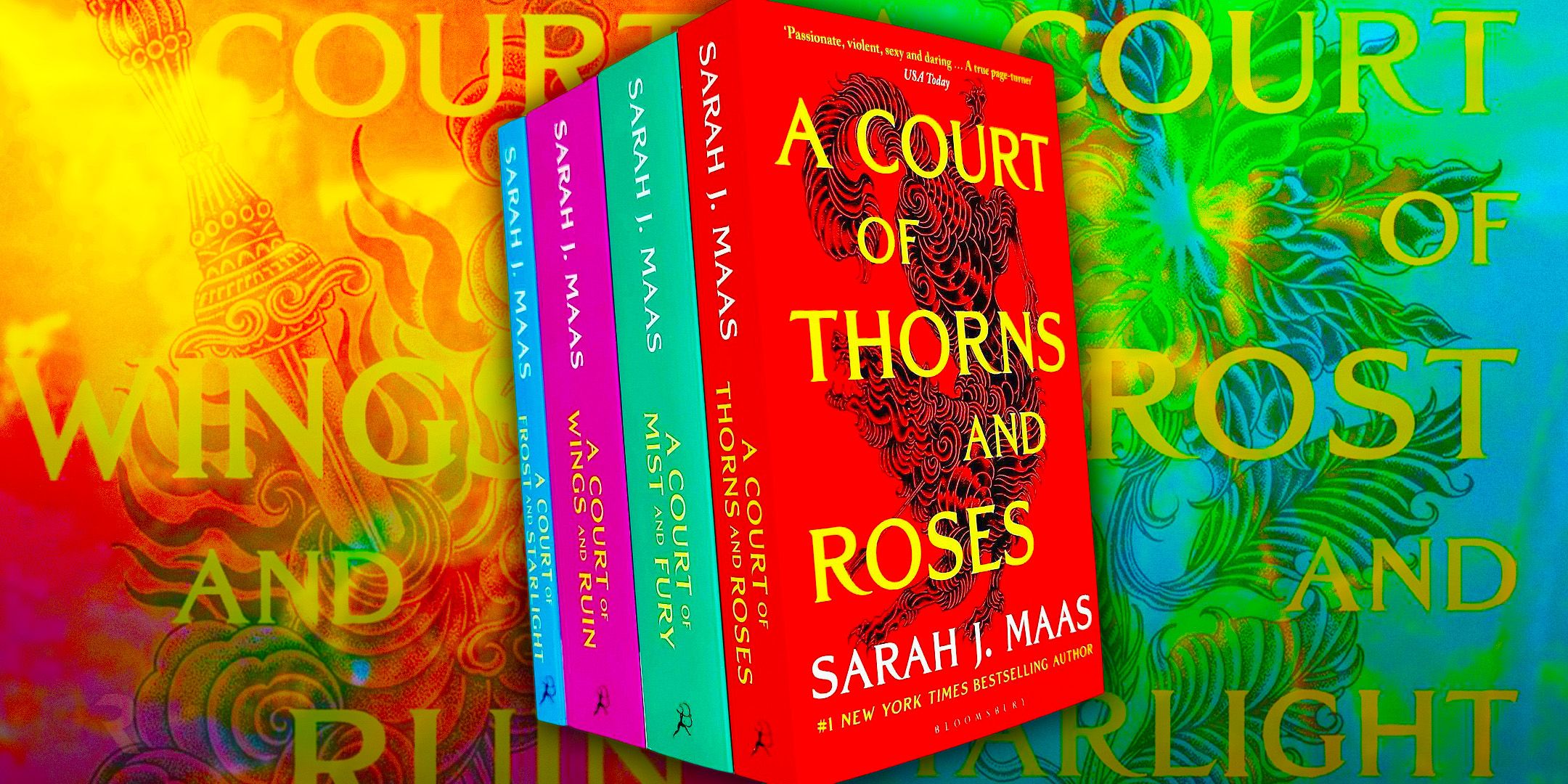
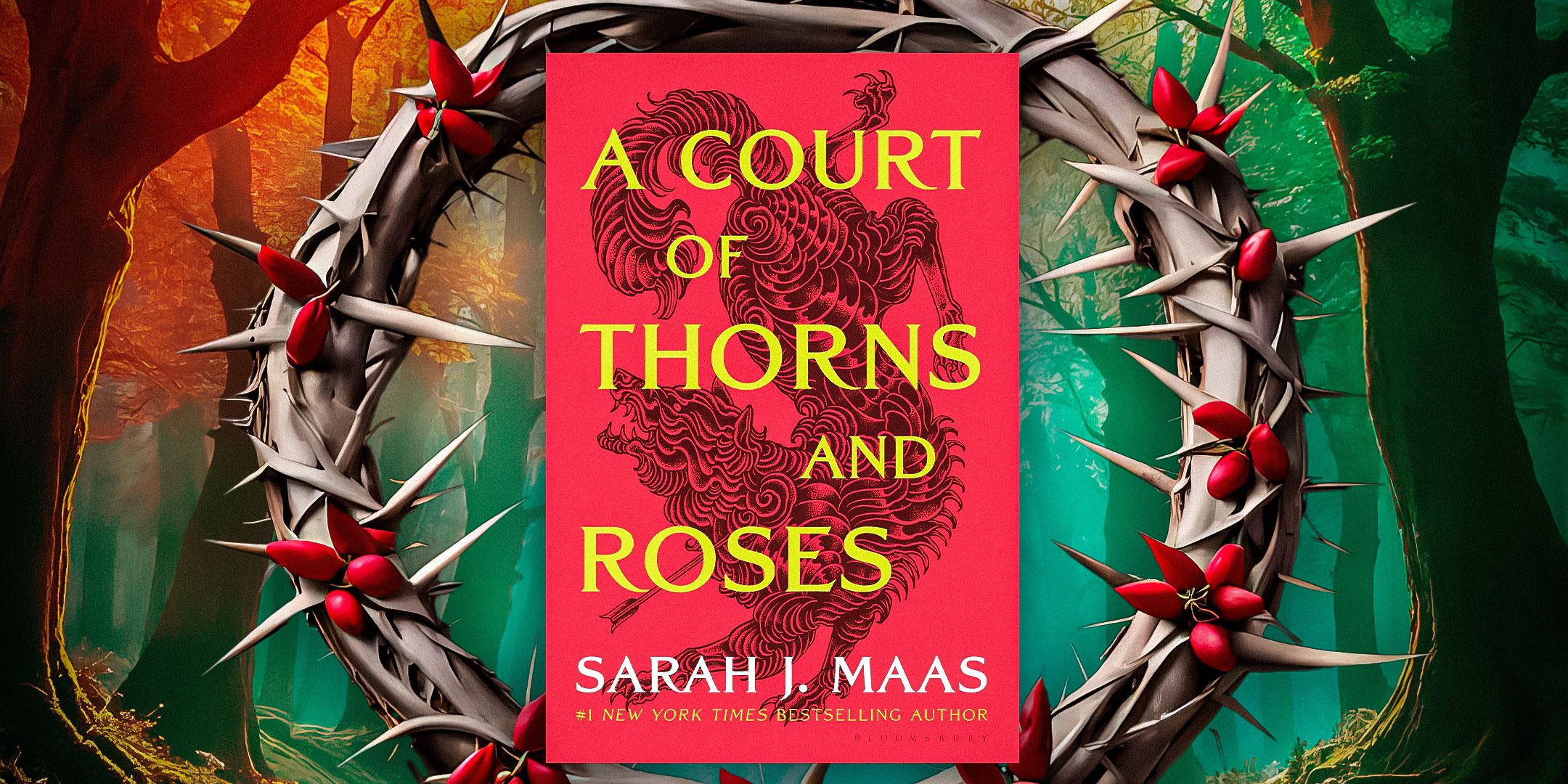
Sarah J. Maas’s A Court of Thorns and Roses blends classic fairy tales, ancient European folklore, and original fantasy world-building into a complex narrative of survival, magic, and romance. Understanding the story requires decoding the rules governing Prythian’s High Fae magic, the fairy tale archetypes behind the plot, and the exact mechanics of the climax Under the Mountain.
The World of Prythian: High Fae, Courts, and Magic Mechanics
The continent of Prythian is divided into seven distinct territories known as Courts, governed by immortal beings called High Lords. Understanding the hierarchy and environmental nature of these realms is essential to understanding how magic functions throughout the narrative.
Prythian is split geographically and culturally into two types of court structures:
- Seasonal Courts: The Spring, Summer, Autumn, and Winter Courts remain anchored in eternal, static seasons. Their High Lords possess magic tied directly to environmental manipulation, elemental control, and seasonal regeneration.
- Solar Courts: The Day, Dawn, and Night Courts correspond to daily celestial cycles. Their magic leans heavily toward light manipulation, spatial control, mind-walking (Daemati powers), and shadowweaving.
At the top of the social and magical hierarchy are the High Lords. A High Lord is not merely a political monarch; they are the physical manifestation of their court's magical power. When a High Lord dies, the magic passes automatically to the most worthy heir through an indelible magical inheritance, rather than strict primogeniture.
- Wall / Human Realm
- Seasonal Courts
- Spring Court
- Summer Court
- Autumn Court
- Winter Court
- Solar Courts
- Day Court
- Dawn Court
- Night Court
- Seasonal Courts
Lesser Fae inhabit these lands alongside High Fae. Lesser Fae often possess specialized, creature-specific magical traits—such as the water-dwelling Suriel, who are bound by ancient magic to answer any question truthfully when captured, or the Prowlers and Attor, who serve as specialized hunters. Magic in Prythian functions under precise rules: it can be bound by oaths, restricted by curses, or transferred through physical sacrifices.
Decoding the Mythological Roots: Folklore and Fairy Tale Foundations
Sarah J. Maas constructed A Court of Thorns and Roses by weaving three primary mythological framework narratives together: the French fairy tale Beauty and the Beast, the Scottish ballad Tam Lin, and the ancient Greek myth of Hades and Persephone.
1. Beauty and the Beast
The foundational structure of the novel's first half mirrors Beauty and the Beast. Feyre Archeron, a mortal huntress driven by desperate poverty, slays a giant wolf in the woods to feed her family. The wolf is actually Andras, a High Fae sentinel sent across the Wall.
Tamlin, the High Lord of the Spring Court, arrives at her cottage to demand retribution under the terms of the Treaty of Treaty-breaking: a life for a life. Feyre must forfeit her mortal life in the human realm to live permanently in Prythian. What begins as captivity gradually shifts into mutual respect and love as Feyre discovers that the beastly facade hides a protective ruler striving to shield his people.
2. The Ballad of Tam Lin
While the romantic setup comes from Beauty and the Beast, the magical curse mechanics directly adapt the Scottish folklore of Tam Lin. In traditional balladry, a young mortal woman (Janet) must travel to a faerie realm to rescue her lover (Tam Lin) from the Queen of the Faeries.
Janet must hold onto Tam Lin while the Queen transforms him into dangerous beasts, proving her love under threat of death. Maas adapts this directly through Feyre's journey Under the Mountain, where she must endure physical torment and complete lethal trials enforced by the cruel High Queen Amarantha to win Tamlin's freedom.
3. Hades and Persephone
The introduction of Rhysand, High Lord of the Night Court, introduces the mythic archetype of Hades. Just as Hades abducted Persephone and bound her to the Underworld through pomegranate seeds, Rhysand enters a binding magical bargain with a desperate Feyre Under the Mountain.
By saving her life from a fatal infection, he requires her to spend one week out of every month in the Night Court. This bargain shifts the story away from a traditional fairy-tale ending toward a broader exploration of agency, autonomy, and moral ambiguity.
The Curse and the Riddle: Amarantha’s Reign Under the Mountain
The driving conflict of A Court of Thorns and Roses centers on a 49-year curse imposed by Amarantha, a powerful High Fae conqueror from the continent of Hybern who appointed herself High Queen of Prythian.
- Amarantha's Curse
- Condition 1: The Mask
- Tamlin & court forced to wear glamour masks for 49 years.
- Condition 2: The Heart
- Must find a mortal girl who hates Fae to confess love.
- Condition 1: The Mask
Driven by hatred for mortals and bitterness over Tamlin’s past rejection of her romantic advances, Amarantha stripped the High Lords of their full magic and established her seat of power in a subterranean fortress known as Under the Mountain.
The Mechanics of Tamlin's Curse
To humiliate Tamlin, Amarantha placed a specific, highly conditional curse upon him:
- Tamlin and his court members were forced to wear magical glamour masks affixed to their faces that could not be removed.
- The curse could only be broken if a mortal woman—who had killed a faerie out of hatred—travelled across the Wall, lived in the Spring Court, and confessed her love for Tamlin before the 49-year deadline expired.
When Feyre finally confesses her love for Tamlin in the Spring Court, the timeline has already lapsed by a matter of days because Tamlin had sent her back to the human realm to protect her from Amarantha's forces. Because the spell was not resolved in time on Spring Court soil, Feyre must travel Under the Mountain to bargain directly with Amarantha.
The Riddle and the Trials
Amarantha offers Feyre an alternative path to free Tamlin and restore Prythian's High Lords: complete three dangerous trials across three months, or solve a single riddle.
"There is a bird, very pale and white,That flying does not touch the light.It sits on a tree that does not grow,And leaves no shadow on the snow..."
The answer to Amarantha’s riddle is Love. Amarantha believed human emotions were weak and shallow, foolishly assuming a mortal could never comprehend the concept deeply enough to solve it. Feyre focuses primarily on surviving the physical trials rather than decoding the riddle, leading directly to the book's violent climax.
Comparative Analysis: Mythology vs. Narrative Implementation
| Mythological / Folklore Source | Traditional Myth Element | A Court of Thorns and Roses Adaptation | Plot Function & Resolution |
|---|---|---|---|
| Beauty and the Beast | A father steals a rose; a beast demands his daughter in payment. | Feyre kills a Fae sentinel (Andras); Tamlin demands her life under treaty law. | Establishes Feyre’s removal from the mortal world and her initial captivity in Spring Court. |
| Tam Lin (Scottish Ballad) | Janet rescues her lover from the Queen of the Faeries by holding him through transformations. | Feyre travels Under the Mountain to face trials and free Tamlin from Amarantha. | Shifting the protagonist from passive recipient of protection to active savior of the realm. |
| Hades & Persephone | Persephone eats pomegranate seeds in the Underworld, binding her to return. | Rhysand heals Feyre's arm in exchange for one week per month in the Night Court. | Establishes the magical tattoo bond and sets up the structural pivot toward the Night Court. |
| The Childe Rowland | Travelling into the subterranean faerie mound to free family from evil spells. | Descending "Under the Mountain" into Amarantha's underground court. | Serves as the high-stakes, oppressive setting for the climax and trials. |
The Climax and Ending Breakdown: Feyre’s Transformation
The final act Under the Mountain resolves the primary conflict with Amarantha while permanently altering Feyre's physical and magical nature.
- Feyre's Death Under the Mountain
- (7 High Lords contribute kernel of magic)
- Resurrected as High Fae ("Made")
- Immortality & Enhanced Senses
- Inherited Magic from all 7 Courts
- Night Court Bargain Tattoo Active
The Three Trials and the Ultimate Betrayal
Feyre completes the first two trials through her own ingenuity and secret assistance from Rhysand:
- Trial One (The Middengard Wyrm): Feyre uses her hunting instincts and bone spikes to trap and kill a giant subterranean creature.
- Trial Two (The Grid of Spikes): Feyre solves an underwater lever puzzle while reading ancient High Fae script, guided covertly by Rhysand's telepathic signals.
- Trial Three (Stabbing Three Fae): Feyre is forced to plunge an ash-wood dagger into the hearts of three innocent faeries. To her horror, the third disguised faerie is Tamlin himself. Knowing ash wood paralyzes Fae but does not kill them instantly, she drives the blade home, fulfilling the terms of the trial.
Despite completing all three trials, Amarantha reneges on her bargain. In a moment of clarity right before Amarantha attacks her, Feyre speaks the answer to the riddle aloud: "Love."
Enraged that a mortal solved the riddle, Amarantha brutally snaps Feyre’s neck. As Feyre lies dying, Tamlin's restored magic enables him to strike down and execute Amarantha.
The Resurrection and Becoming "Made"
Feyre dies as a mortal human. However, the seven High Lords—grateful for their freedom and moved by her sacrifice—each contribute a kernel of their own unique magical essence to restore her life.
This magical restoration does not simply heal Feyre; it resurrects her as a High Fae. Because she received magic directly from all seven High Lords, she becomes what Prythian calls Made: a being forged by raw magical power rather than born into it naturally.
High Lord Essences Contributed to Feyre:
- Spring Court (Healing & Physical Enhancement)
- Summer Court (Water Manipulation)
- Autumn Court (Fire Manipulation)
- Winter Court (Ice Manipulation)
- Day Court (Cleansing Light & Spell-cleaving)
- Dawn Court (Healing Light & Regeneration)
- Night Court (Shadowweaving & Darkness)
Feyre awakens immortal, possessing heightened physical senses, enhanced speed, and dormant magical abilities inherited from every court in Prythian.
Foreshadowing and Implications for the ACOTAR Series
The ending of A Court of Thorns and Roses resolves Amarantha's immediate threat but leaves profound structural changes that set up subsequent books in the series:
- The Night Court Bargain: The dark spiral tattoo on Feyre’s left hand and forearm represents her binding agreement with Rhysand. The bargain grants her life in exchange for spending seven days every month in the Night Court. The eye painted on her palm allows Rhysand to see and hear what she experiences.
- Tamlin's Traumatic Response: Although free from the curse, Tamlin exhibits severe trauma and possessive behaviors, refusing to allow Feyre to exercise her newfound High Fae capabilities out of fear of losing her again.
- Dormant Powers: Because Feyre received contributions from all seven High Lords, she carries latent magic from every realm—a power structure unprecedented in Prythian history.
- The Looming Hybern Threat: Amarantha was merely an emissary of King of Hybern. Her death alerts the mainland empire to Prythian’s vulnerability and the destruction of the Wall separating Fae from mortals.
Frequently Asked Questions
Why did Tamlin send Feyre back to the mortal realm right before the curse ended?
Tamlin sent Feyre away to protect her life. As the 49-year deadline approached, Amarantha’s scouts were actively searching for any human female who might fulfill the curse's conditions. Tamlin chose Feyre's physical safety over breaking his own curse, prioritizing her survival over his own freedom.
What is the exact answer to Amarantha's riddle?
The answer to the riddle is Love. Amarantha designed the riddle around the one concept she believed mortals were too selfish to understand and High Fae were too prideful to yield to.
How did Feyre become High Fae if she was born human?
Feyre was resurrected by the direct intervention of all seven High Lords of Prythian. Each High Lord offered a drop of their personal magical power to bring her back from death, transforming her physical body from human to High Fae and rendering her "Made."
What does the tattoo on Feyre's hand mean?
The tattoo on Feyre’s left arm and hand is the physical manifestation of her magical bargain with Rhysand, struck Under the Mountain to save her from dying of infection. It obligates her to spend one week per month at the Night Court and serves as a direct sensory link between her and Rhysand.
Is Rhysand evil in the first book?
Rhysand acts as an antagonist in early chapters to maintain his cover Under the Mountain. He plays the role of Amarantha’s ruthless courtier to protect his own people in the Night Court while secretly manipulating events to keep Feyre alive and force Tamlin to act.
Next Steps: Order for Reading the ACOTAR Series
To follow Feyre’s evolving journey, magical development, and the political struggles across Prythian, read the remaining installments of Sarah J. Maas’s series in publication order:
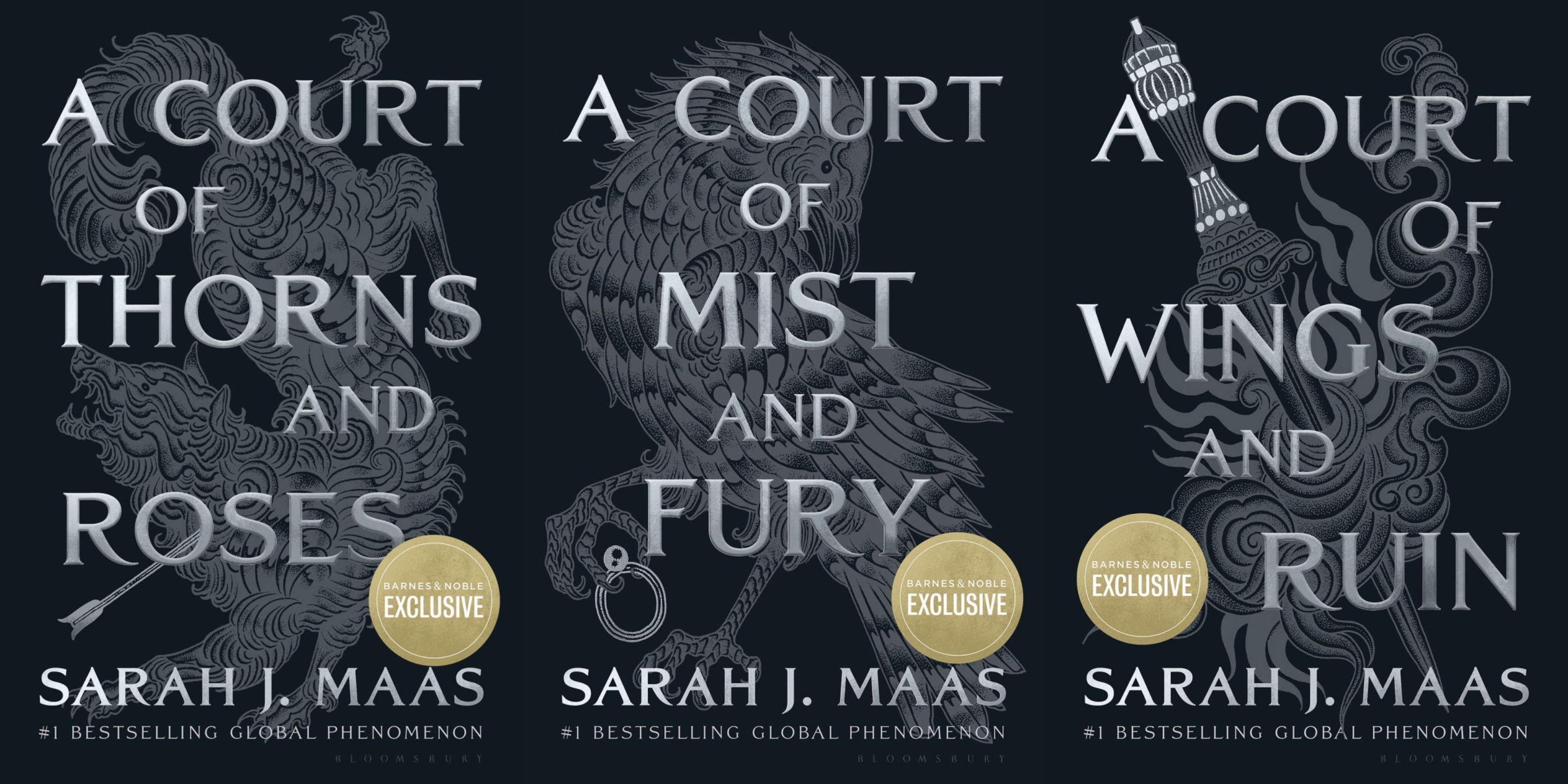
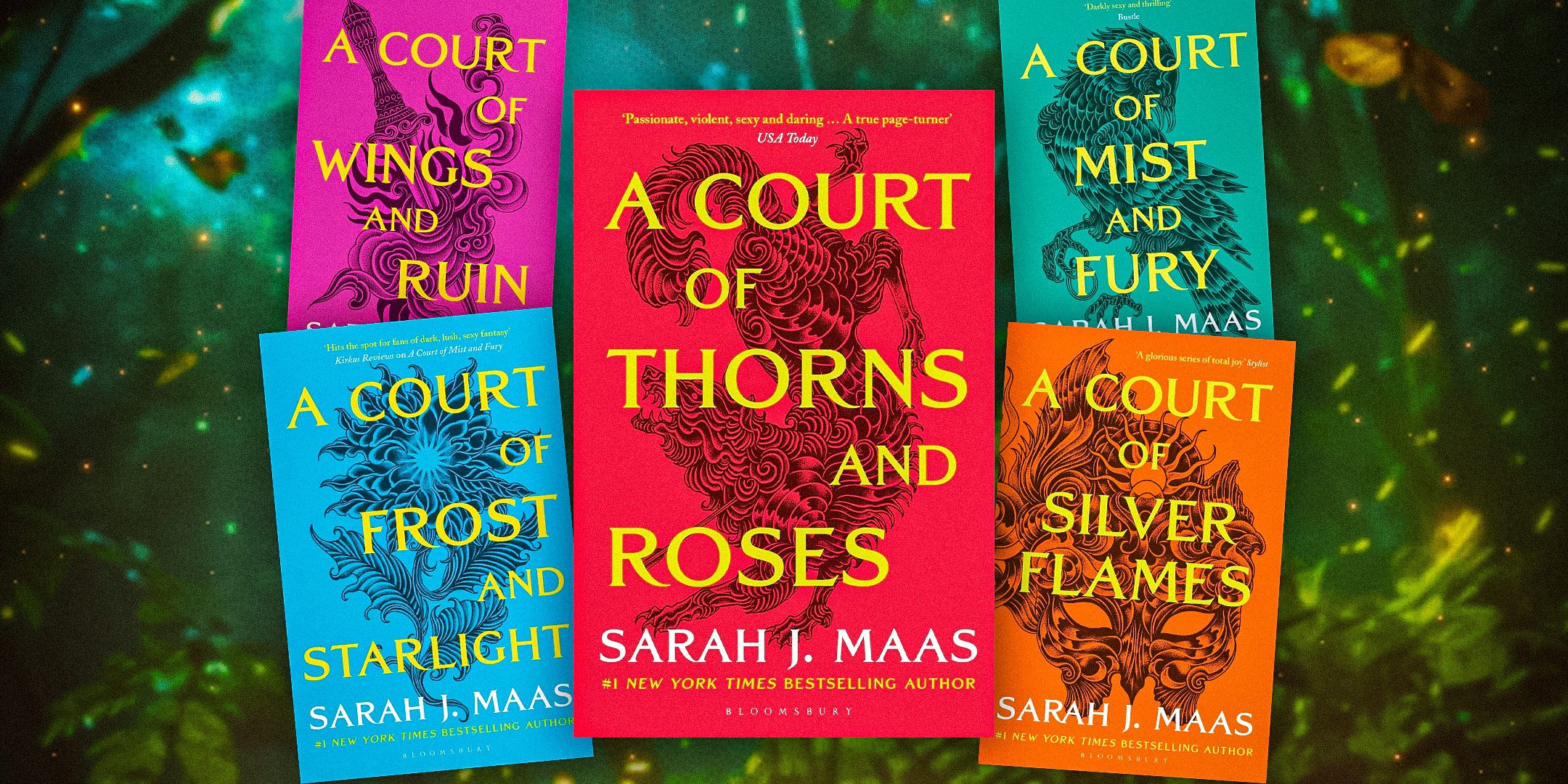
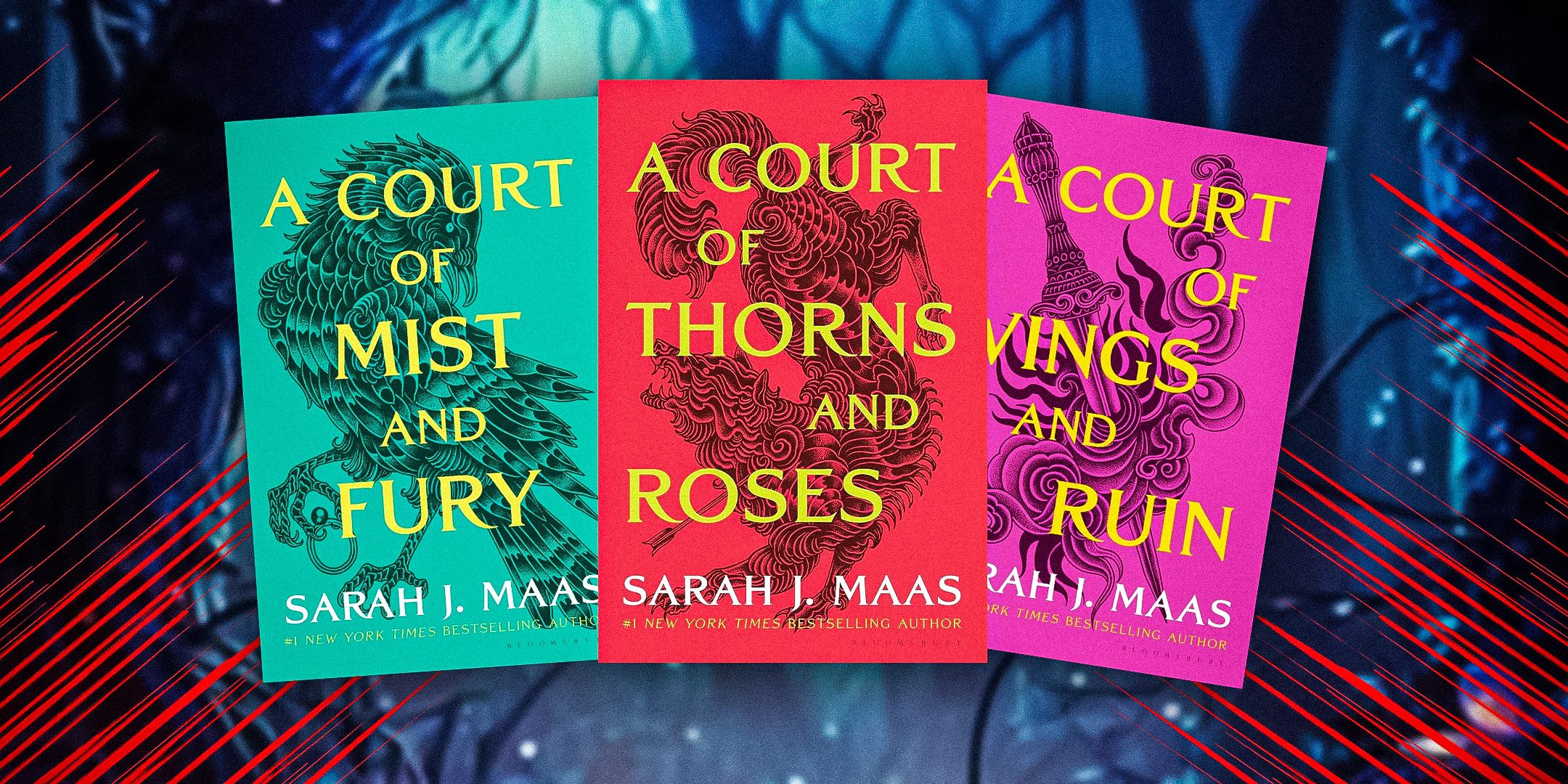
- A Court of Thorns and Roses (Book 1): Introduces Feyre, Prythian, Tamlin's curse, and Amarantha's fall.
- A Court of Mist and Fury (Book 2): Explores Feyre's post-resurrection power, the Night Court, and the threat from Hybern.
- A Court of Wings and Ruin (Book 3): Details the total war between Prythian’s allied Courts and the forces of Hybern.
- A Court of Frost and Starlight (Novella 3.5): Bridges the aftermath of the war and sets up political shifts in Prythian.
- A Court of Silver Flames (Book 4): Shifts focus to Nesta Archeron's transformation, personal recovery, and magic.