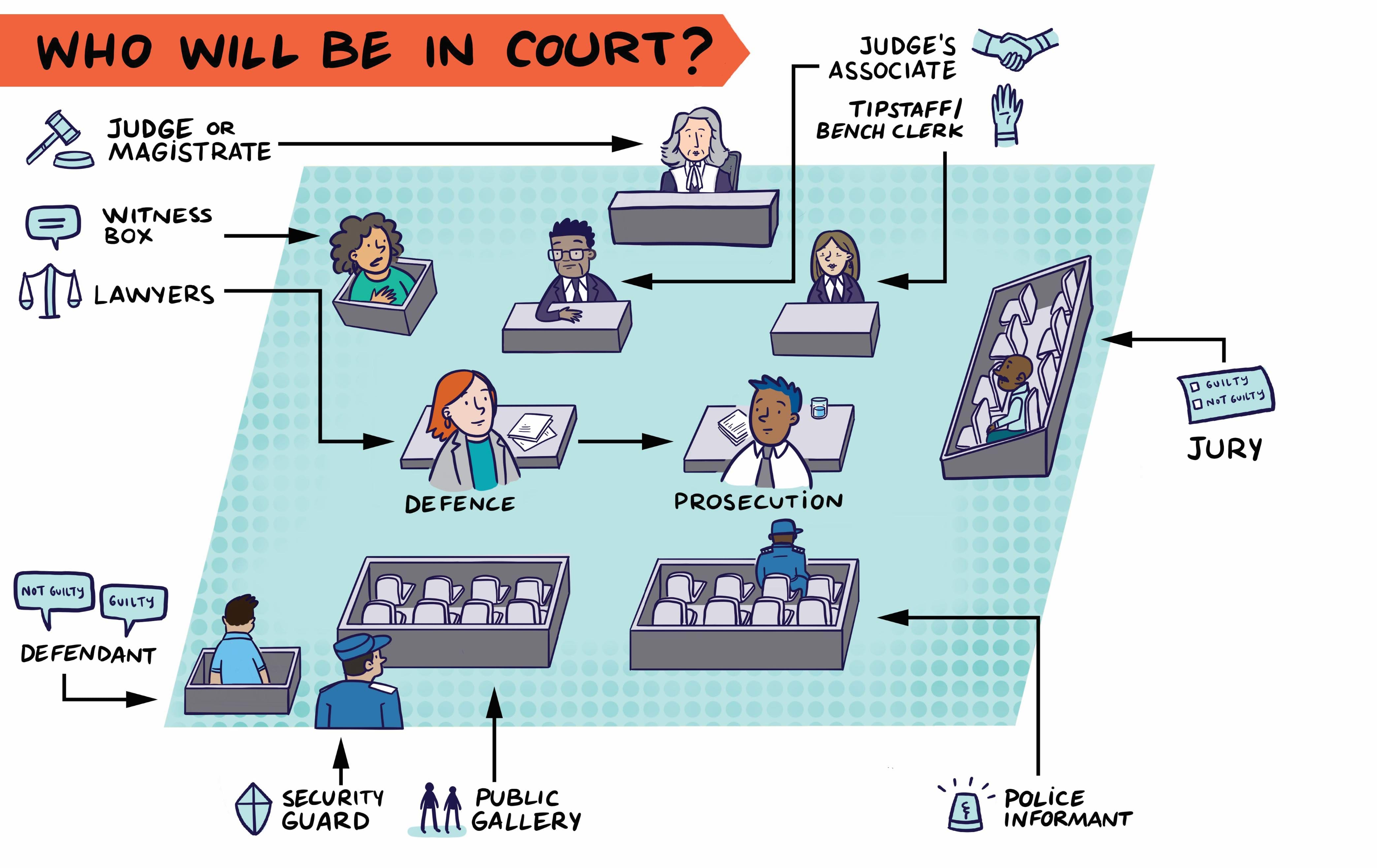
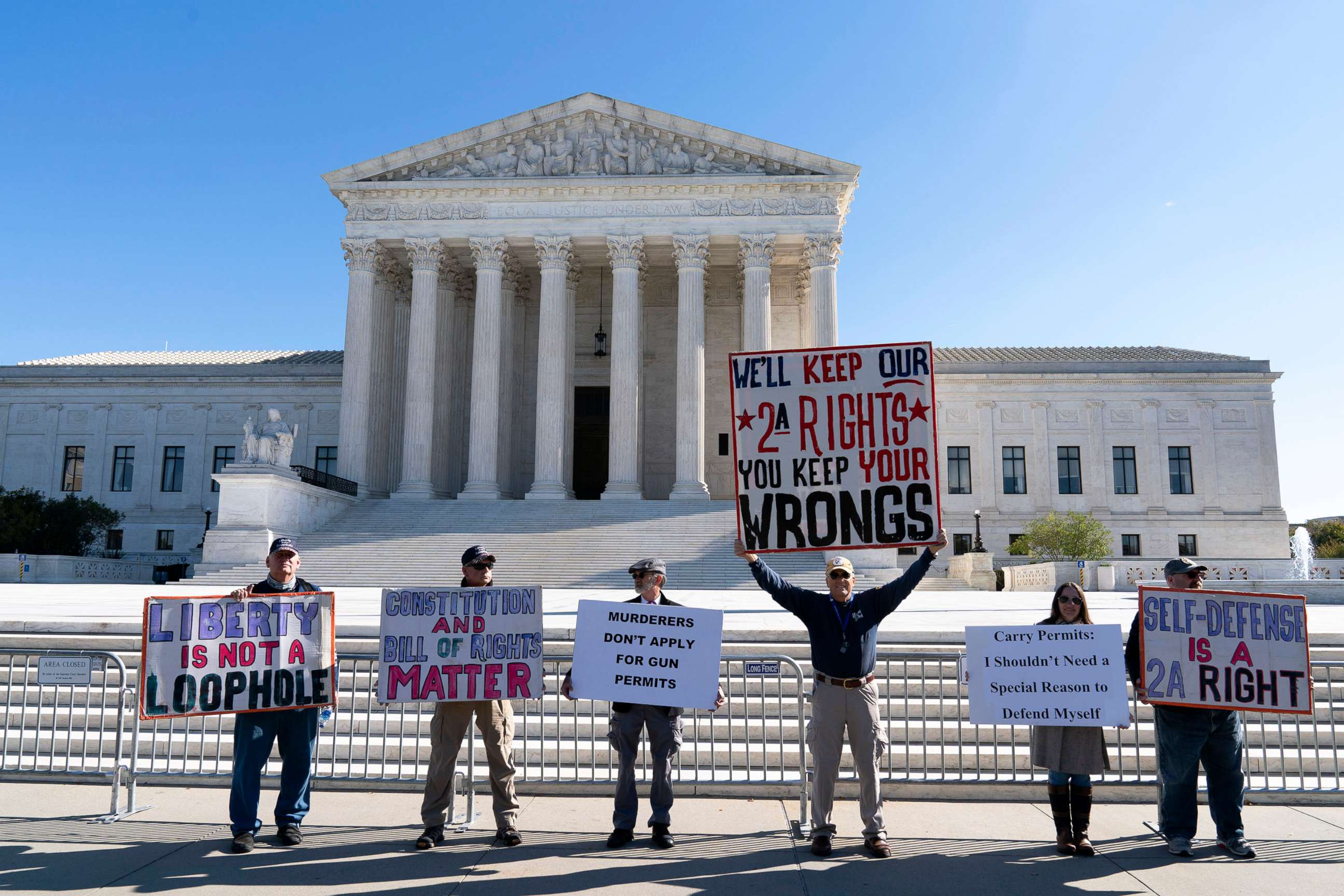
The landscape of the American judicial system has undergone a profound transformation as we move through 2026. Whether you are facing a civil dispute, a criminal charge, or an administrative hearing, a court case represents a formal legal process designed to resolve conflicts through the application of law. In 2026, the integration of AI-augmented legal research, mandatory e-filing across all jurisdictions, and the standardization of hybrid virtual hearings has redefined how litigants interact with the bench. Understanding the mechanics of your court case is no longer just about knowing the law; it is about navigating a high-tech procedural environment where efficiency and data-driven evidence dominate the proceedings.
The Evolving Infrastructure of Court Proceedings in 2026
The traditional image of a wood-paneled courtroom remains, but the operational reality of a 2026 court case is digital-first. State and federal courts have now fully synchronized their Case Management/Electronic Case Files (CM/ECF) systems, allowing for real-time updates and instant access to docket entries. This shift has eliminated the lag time once common in legacy systems, requiring parties to be more responsive than ever.
The Rise of the Hybrid Courtroom
The 2026 judicial standard prioritizes "Hybrid Accessibility." While major trials and evidentiary hearings often remain in-person to allow for the direct observation of witness demeanor, status conferences, motion hearings, and initial appearances are now conducted via high-definition, encrypted video platforms by default. This transition has significantly reduced the billable travel hours for legal counsel, though it requires litigants to possess a high degree of digital literacy and access to secure, high-speed connectivity to ensure their "day in court" is not compromised by technical failure.
AI-Assisted Evidence and Discovery
Discovery—the phase where parties exchange information—now involves "Predictive Coding 3.0." In 2026, court cases involving large volumes of data utilize sophisticated algorithms to identify relevant documents. However, this has led to new legal challenges regarding the "black box" nature of AI. Judges now frequently appoint Technical Special Masters to oversee the transparency of the algorithms used to filter evidence, ensuring that no critical information is buried by biased software.
Categorizing Modern Court Cases: Civil vs. Criminal vs. Administrative
Determining the nature of your legal matter is the first step in establishing a strategy. The standard of proof and the potential outcomes vary drastically between these categories. In 2026, the distinction between these fields has sharpened due to specialized "rocket dockets" designed to expedite specific case types.
| Case Type | Primary Objective | Standard of Proof | Potential Outcomes | 2026 Key Metric |
|---|---|---|---|---|
| Civil Litigation | Dispute resolution/Compensation | Preponderance of Evidence | Monetary damages or Injunctions | Median Resolution Time: 14 Months |
| Criminal Prosecution | Punishment/Rehabilitation | Beyond a Reasonable Doubt | Fines, Probation, or Incarceration | 98% E-Discovery Compliance |
| Family Law | Domestic welfare/Asset split | Best Interests of the Child | Custody orders, Divorce decrees | AI-Assisted Asset Valuation |
| Administrative | Regulatory compliance | Substantial Evidence | License revocation or Civil penalties | 90-Day Summary Judgment Goal |
Civil Litigation and Tort Law
Most individual court cases fall under civil law. This includes personal injury, breach of contract, and property disputes. In 2026, civil courts have implemented mandatory "Mediation-First" protocols. Before a case can proceed to a jury trial, parties must demonstrate they have engaged in at least one round of court-sanctioned Alternative Dispute Resolution (ADR). This initiative has successfully diverted 65% of civil filings away from the trial calendar, preserving judicial resources for complex litigation.
Criminal Defense and Constitutional Rights
Criminal court cases in 2026 are heavily influenced by the "Digital Privacy Act of 2025," which overhauled how law enforcement handles biometric and geolocation data. Defendants now have robust avenues to challenge evidence gathered through automated surveillance. The 2026 criminal justice landscape also emphasizes "Restorative Justice Diversion" for non-violent offenses, allowing for the dismissal of court cases upon the successful completion of community-based rehabilitation programs.
The Lifecycle of a Court Case: From Filing to Final Judgment
Navigating a court case requires strict adherence to the Rules of Civil or Criminal Procedure. A single missed deadline in 2026 can result in a "Suasponte Dismissal," where the judge closes the case without a motion from the opposing party.
- Commencement and Pleadings: The process begins with the filing of a Complaint (civil) or an Indictment/Information (criminal). In 2026, these documents must be tagged with standardized legal metadata to allow for automated court sorting.
- Service of Process: Notifying the defendant is now often achieved through "Verified Digital Service" if traditional methods fail, provided the court grants leave to serve via encrypted communication channels.
- The Discovery Phase: This is the most labor-intensive period. It involves depositions, interrogatories, and requests for production. 2026 standards require all digital evidence to be exchanged in "Native Format" with preserved metadata.
- Pre-Trial Motions: Parties may file for a Summary Judgment if there are no material facts in dispute, asking the judge to rule on the law alone.
- Trial: If no settlement is reached, the case proceeds to trial. Modern 2026 trials utilize "Digital Evidence Displays" where jurors view exhibits on individual tablets rather than physical paper.
- Judgment and Post-Trial Appeals: After a verdict, the losing party has a strictly enforced 30-day window to file a Notice of Appeal.
Expert Insight on 2026 Procedural Compliance
The most common reason for losing a court case in 2026 is not a lack of evidence, but a failure to maintain the "Chain of Custody" for digital assets. When presenting text messages, emails, or sensor data from IoT devices, you must provide a cryptographic hash to prove the data has not been altered since the time of the incident.
Furthermore, litigants must be aware that "Shadow Dockets"—proceedings that happen outside the main public trial—are being used more frequently for emergency injunctions. Monitoring your electronic notification system daily is a non-negotiable requirement for anyone involved in active litigation.
Financial Realities: The Cost of Litigation in 2026
The "Efficiency Gap" in 2026 means that while technology has made filings faster, the cost of expert witnesses and specialized legal counsel has risen. Legal fees are generally structured in three ways:
- Hourly Rates: Common in corporate and family law, ranging from $350 to $1,200 per hour depending on the jurisdiction and firm prestige.
- Contingency Fees: Standard in personal injury cases, where the attorney takes a percentage (typically 33% to 40%) of the final settlement.
- Flat-Fee Hybrid Models: A 2026 trend where firms charge a fixed price for specific phases of the court case (e.g., $5,000 for the Discovery phase) to provide clients with more budget predictability.
Common Challenges and Strategic Pitfalls
Even with a strong legal argument, several factors can derail a court case. The 2026 judicial environment is particularly unforgiving regarding "Discovery Spoliation"—the destruction or loss of evidence.
- Social Media Exposure: Courts in 2026 routinely grant broad access to "Private" social media archives if they are deemed relevant to the case. A single contradictory post can destroy a witness's credibility.
- Statute of Limitations: These time limits are being strictly interpreted in 2026. For example, most personal injury cases must be filed within two years of the incident, with very few exceptions for "delayed discovery."
- Jurisdictional Complexity: With the rise of remote work, "Forum Shopping" has become a major issue. A court case may be dismissed if it is filed in a state that does not have a "Significant Nexus" to the parties or the event.
Frequently Asked Questions
How long does a typical court case take to reach trial in 2026? While "Rocket Dockets" can resolve cases in under six months, the national average for a standard civil case to reach trial is currently 14 to 18 months. This timeline is heavily influenced by the complexity of electronic discovery and the availability of judicial officers in high-volume districts.
Can I represent myself in a court case (Pro Se)? Yes, you have the legal right to represent yourself, but 2026 court statistics show that Pro Se litigants lose over 85% of contested cases due to procedural errors. Most courts now provide "AI-Navigator" kiosks to help self-represented parties format their filings, but these tools do not provide legal strategy or advice.
What is the difference between a bench trial and a jury trial? In a bench trial, the judge hears the evidence and decides the outcome, whereas, in a jury trial, a group of peers makes the determination. In 2026, many commercial contracts now include "Jury Waiver" clauses, forcing disputes into bench trials or private arbitration to save time and costs.
Are virtual hearings as effective as in-person trials? Data from the 2025 Judicial Review indicates that virtual hearings are highly effective for procedural matters but may lead to slightly lower damage awards in civil jury trials. The "human element" of being physically present in the courtroom still carries significant weight in persuasive advocacy.
What happens if I cannot afford a lawyer for my court case? In criminal cases, the 6th Amendment guarantees you a public defender if you meet income requirements. In civil cases, there is no such guarantee, but 2026 has seen an expansion of "Legal Aid 2.0," which uses pro-bono networks and state-funded grants to provide limited-scope representation for housing and family law matters.
Securing Your Legal Future
The outcome of a court case in 2026 is determined by a combination of meticulous preparation, technological proficiency, and aggressive advocacy. As the legal system becomes increasingly automated, the value of a human strategist who can navigate these digital waters is higher than ever. If you are served with a summons or believe you have a claim, the window for effective action is narrow. Consult with a board-certified attorney who specializes in the specific jurisdiction of your case to ensure your rights are protected under the latest 2026 statutes and procedural rules.