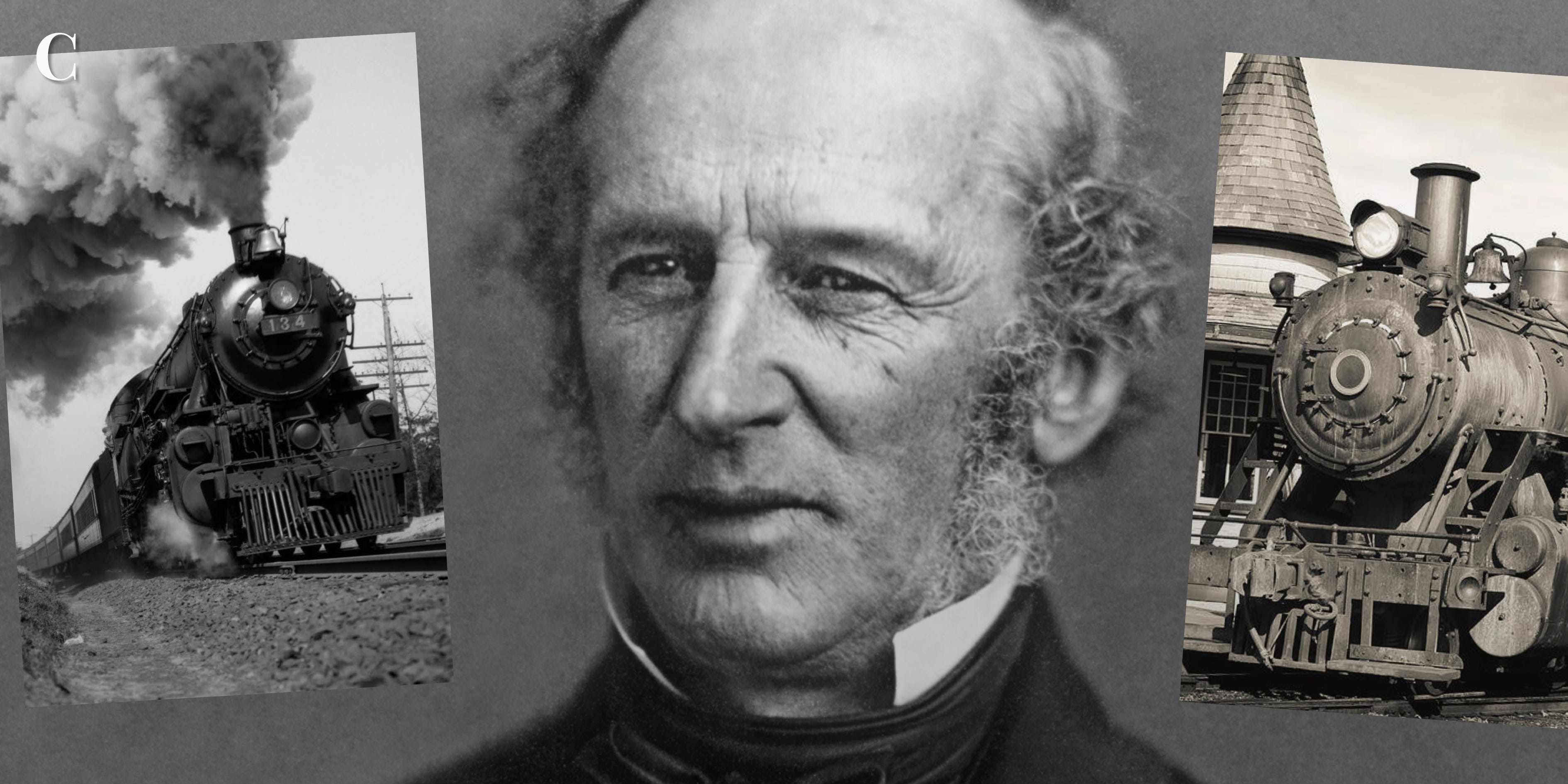
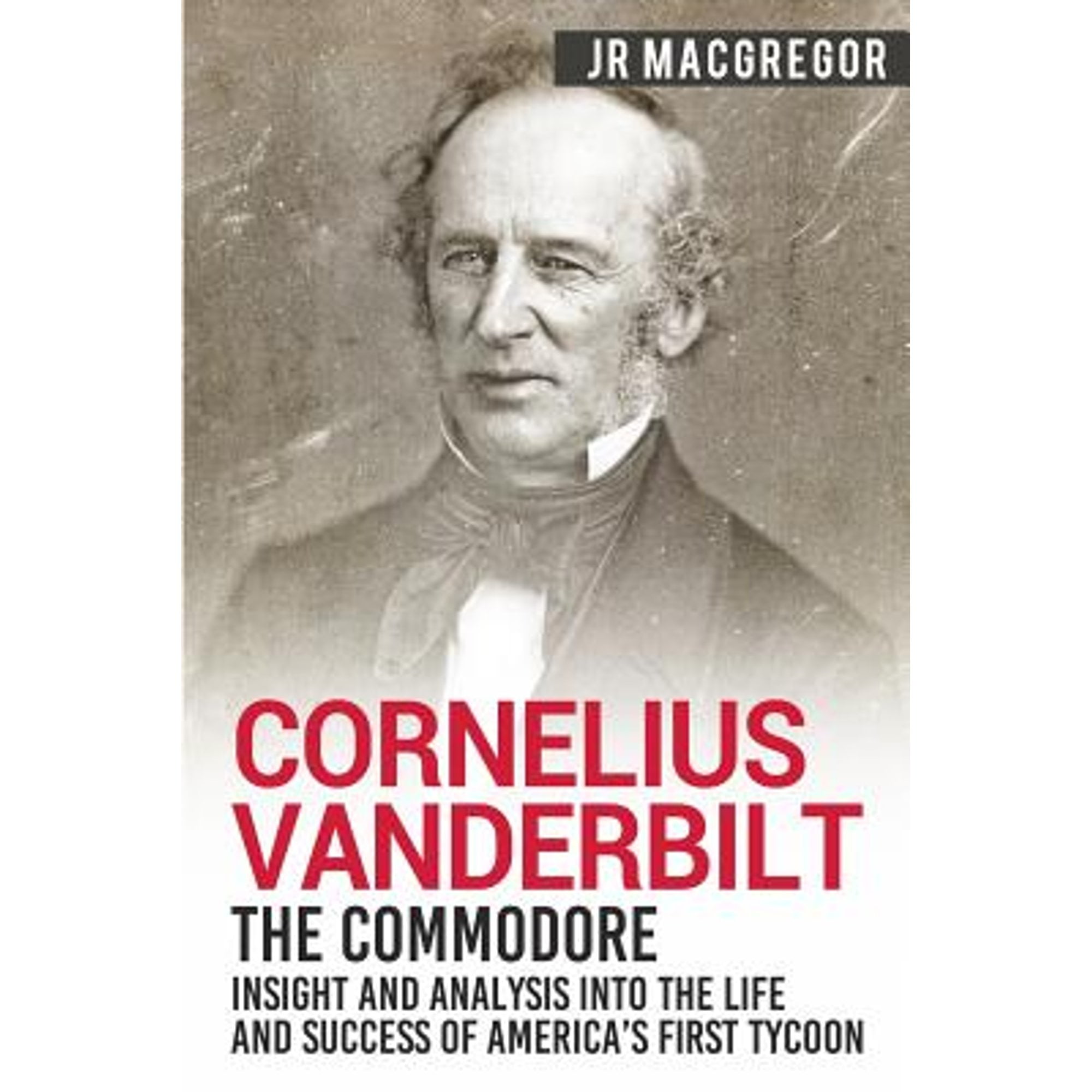
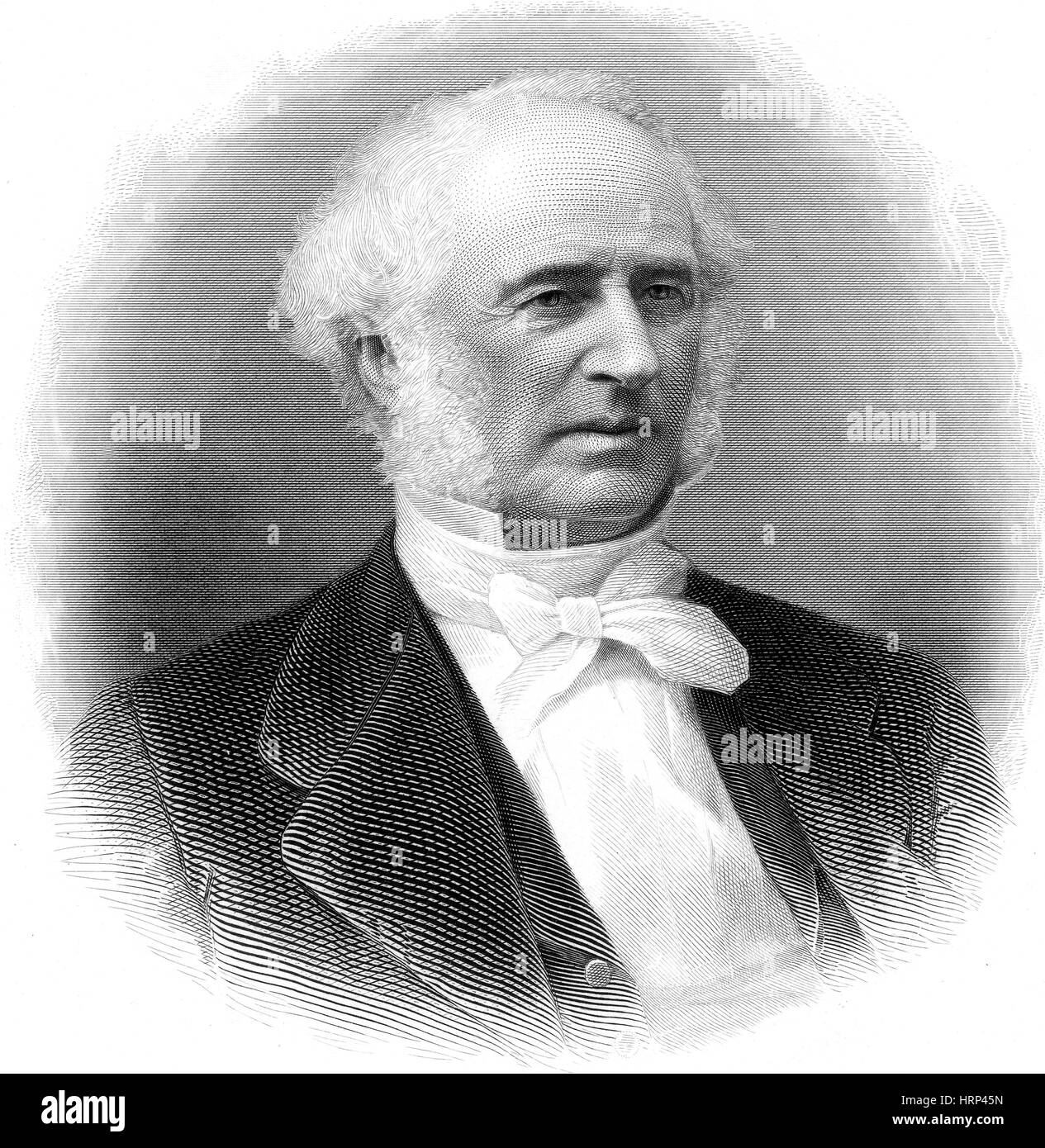
Cornelius Vanderbilt, the legendary shipping and railroad tycoon known as "The Commodore," died on January 4, 1877, at his home in New York City. At age 82, he succumbed to complications from chronic exhaustion and a combination of intestinal and heart ailments after a prolonged eight-month illness.
The death of Cornelius Vanderbilt was not a sudden event but the culmination of a long, public decline that transfixed the American public and the financial markets of the late 19th century. As one of the wealthiest individuals in human history, Vanderbilt’s failing health sparked intense speculation regarding the future of the New York Central Railroad and the distribution of an estate valued at approximately $100 million—an unfathomable sum in 1877. To understand how the Commodore died, one must look at the specific medical conditions he faced, the limitations of Victorian-era medicine, and the atmosphere of the vigil held at his residence on Washington Place.
The Long Decline: A Timeline of the Commodore’s Illness
The health of Cornelius Vanderbilt began to fail significantly in the spring of 1876. While he had remained remarkably active into his late 70s, managing his vast railroad empire with a firm hand, the physical toll of a lifetime of relentless work finally began to manifest. By May 1876, the Commodore was forced to retreat from public life, confined largely to his bedroom at 10 Washington Place in Manhattan.
Reports from the era indicate that his illness was characterized by severe digestive distress and a gradual weakening of the heart. Vanderbilt suffered from chronic gastritis and what physicians of the time referred to as "complications of the bowels." These issues made it increasingly difficult for him to retain nourishment, leading to rapid weight loss and a state of general debility. Throughout the summer and autumn of 1876, the public was kept informed by frequent medical bulletins issued by his primary physician, Dr. Jared Linsly. These reports often fluctuated between "cautious optimism" and "grave concern," reflecting the erratic nature of the Commodore’s final months.
During this period, Vanderbilt was not merely a passive patient. He reportedly attempted to maintain control over his business interests from his bedside, frequently consulting with his eldest son, William Henry Vanderbilt. However, as the winter of 1876 approached, his physical strength evaporated. By late December, it was clear to his family and medical staff that the end was near. He became increasingly bedridden, suffering from bouts of delirium and physical pain that were managed with the limited pharmacopeia of the day, likely including opiates and brandy.
The Medical Cause of Death: 19th-Century Perspectives
In the 1870s, medical terminology was less precise than it is today. When Cornelius Vanderbilt finally passed away at 10:51 AM on January 4, 1877, the official cause of death was listed as "exhaustion." In modern medical terms, this was likely a combination of congestive heart failure and malnutrition or electrolyte imbalance resulting from chronic gastrointestinal disease.
Chronic Gastritis and Intestinal Obstruction
The primary source of Vanderbilt’s suffering for many years had been his digestive system. Historical records suggest he suffered from chronic inflammation of the stomach lining. In his final months, this condition worsened, possibly involving an obstruction or a slow-growing malignancy that went undiagnosed by the technology of the time. The inability to process nutrients led to "wasting," a condition where the body essentially consumes itself for energy, further taxing his already strained heart.
Cardiac Failure
At 82, Vanderbilt’s cardiovascular system was under immense pressure. The "exhaustion of the heart" cited by his doctors was a recognition that his pulse had become irregular and weak. As his kidneys and liver likely began to fail due to poor perfusion and age, fluid retention (edema) and respiratory distress probably complicated his final days. His physicians, including Dr. Linsly and Dr. Lewis Sayre, noted that his heart simply lacked the "vital force" to continue pumping against the systemic failures of his other organs.
The Role of 19th-Century Treatment
It is important to note that medical practice in 1877 was in a state of transition. Germ theory was only beginning to be widely accepted, and diagnostic tools were primitive. Vanderbilt’s treatment consisted largely of "supportive care," which involved keeping him comfortable and attempting to feed him easily digestible broths. The lack of intravenous hydration or advanced cardiac medication meant that once a patient of his age reached a certain level of physical depletion, recovery was biologically impossible.
The Final Vigil at Washington Place
The atmosphere surrounding Vanderbilt’s death was one of somber religious intensity and high-stakes family drama. Vanderbilt's second wife, Frank Crawford Vanderbilt, was a deeply religious woman who sought to bring the rough-hewn Commodore closer to the Christian faith in his final hours. This period was marked by the constant presence of family members and various clergymen, specifically those from the Moravian Church and the Episcopal Church.
During the final week of December 1876, the house on Washington Place became a focal point for the world’s media. Reporters camped outside, waiting for the latest word from the doctors. Inside, Vanderbilt was often heard singing hymns with his wife and daughters, a stark contrast to the aggressive, often profane persona he had maintained during his rise to power. His final words, reported by several family members, were, "I am going to leave you," addressed to his wife as he finally lost consciousness.
The Commodore died surrounded by his children and his wife. His death was peaceful, occurring in a state of semi-consciousness that spared him the most acute agonies of his condition. Immediately following his passing, the news was telegraphed across the globe, causing a temporary dip in railroad stocks as investors prepared for the transition of power.
Legacy and the Distribution of the Vanderbilt Estate
The death of Cornelius Vanderbilt did not just mark the end of a life; it signaled the beginning of one of the most famous legal battles in American history. Vanderbilt’s will was a document of strategic consolidation. He left the overwhelming majority of his fortune—roughly $95 million—to his eldest son, William Henry Vanderbilt. This was a deliberate move to keep the New York Central Railroad under a single, powerful leadership, rather than diluting the family’s influence among his many heirs.
| Recipient | Relationship | Approximate Inheritance | Impact/Role |
|---|---|---|---|
| William Henry Vanderbilt | Eldest Son | $90,000,000 - $95,000,000 | Assumed control of the railroad empire. |
| Frank Crawford Vanderbilt | Second Wife | $500,000 + Washington Place | Provided for her life and philanthropic work. |
| Cornelius Jeremiah Vanderbilt | Son | $200,000 (in trust) | Estranged; later contested the will. |
| Vanderbilt University | Institution | $1,000,000 (Total gift) | Endowed the university in Nashville, TN. |
| His Daughters | Children | $250,000 - $500,000 each | Secured their financial independence. |
The decision to favor William Henry led to the "Vanderbilt Will Contest," a sensational court case in which his other children, led by Cornelius Jeremiah Vanderbilt and Mary Alicia La Bau, attempted to prove that the Commodore was of "unsound mind" or under "undue influence" at the time the will was written. The trial lasted over a year and exposed many of the family's private dysfunctions to the public, though the will was ultimately upheld in its essential form.
Historical Significance of the Commodore’s Passing
When analyzing how Cornelius Vanderbilt died, it is essential to view his passing as the end of the "Individualist" era of American capitalism. Vanderbilt was a man who built his fortune through raw competition and personal grit, often operating in a legal gray area. His death forced the professionalization of the railroad industry, as William Henry Vanderbilt transitioned the family business from a personal fiefdom into a more corporate, structured entity.
Vanderbilt's death also highlighted the limitations of the "Gilded Age" lifestyle. Despite having access to the best medical minds and unlimited resources, he was as vulnerable to the ailments of the 19th century as any of his employees. His death certificate served as a reminder that the massive accumulation of wealth could not purchase an escape from the biological realities of the era.
He was buried in the Vanderbilt Family Mausoleum at the Moravian Cemetery on Staten Island, a structure that remains a testament to his desire for a lasting, monumental legacy. The mausoleum was designed to be as enduring as the railroads he built, ensuring that even in death, the Commodore remained a towering figure in the New York landscape.
What were Cornelius Vanderbilt's last words?
Cornelius Vanderbilt’s final recorded words were "I am going to leave you," spoken to his wife, Frank Crawford Vanderbilt. Accounts from the time suggest he was remarkably calm and lucid in his final moments of consciousness, having spent much of his last days listening to hymns and speaking with family members about the future of his business and his soul.
Who was the doctor who attended to Vanderbilt?
Dr. Jared Linsly was the primary physician for Cornelius Vanderbilt during his final illness. Linsly was a prominent New York doctor who had treated the Vanderbilt family for decades. He was assisted in the final months by Dr. Lewis Sayre, a famous surgeon of the time. Together, they issued the regular medical bulletins that informed the public of the Commodore's declining condition.
Where is Cornelius Vanderbilt buried?
Vanderbilt is buried in the Moravian Cemetery in New Dorp, Staten Island, New York. He is interred in the massive Vanderbilt family mausoleum, which he commissioned before his death. Staten Island was his birthplace and the site of his early successes in the ferry and shipping business, making it a fitting final resting place for the man who once dominated the New York harbor.
Did Cornelius Vanderbilt die of a heart attack?
While heart failure was a significant factor in his death, he did not die of a sudden heart attack. His death was a gradual process resulting from "exhaustion of the heart" following months of chronic intestinal disease and malnutrition. In the medical context of 1877, this was viewed as a natural "wearing out" of the vital organs due to advanced age and prolonged physical stress.
How did the stock market react to his death?
The stock market reacted with initial volatility but quickly stabilized. Because his illness had been public for eight months, the financial world had already "priced in" the likelihood of his passing. Furthermore, the fact that he had clearly designated William Henry Vanderbilt as his successor provided the markets with a sense of continuity and stability that prevented a major crash.
Exploring the Gilded Age Legacy
For those interested in the historical context of the Vanderbilt family, visiting the remaining Gilded Age mansions or researching the "Vanderbilt Will Case" provides deeper insight into the era. Understanding how the Commodore died is only the first step in grasping the massive cultural shift his passing initiated. You may wish to explore historical archives at the New York Historical Society or visit the Vanderbilt University campus to see the lasting impact of his final philanthropic gestures.