Walmart produce provides a broad selection of conventional and organic fruits and vegetables sourced from local growers and global distributors. Supported by regional cold-chain distribution networks and a 100% Fresh Guarantee policy, Walmart offers cost-effective fresh food accessible through in-store shopping, store pickup, and direct home delivery via the Walmart app.
Understanding Walmart's Produce Sourcing and Logistics
Evaluating fresh produce at a major retailer requires understanding how items transition from field to shelf. As one of the largest food retailers in North America, Walmart manages an extensive agricultural supply chain designed to balance high inventory turnover with regional availability.
The retailer relies on a hybrid sourcing model. During peak growing seasons, regional farms supply nearby distribution centers under localized sourcing initiatives. This reduces transit times for delicate items like leafy greens, berries, and stone fruits. For year-round availability of items such as bananas, citrus, and avocados, Walmart contracts with commercial agricultural suppliers across Central America, South America, and warmer domestic climates like California and Florida.
- Farm Harvest
- Pre-Cooling & Packing
- Temperature-Controlled Transit
- Regional Distribution Center
- Store Produce Floor
To preserve freshness during long-distance transport, Walmart utilizes temperature-controlled logistics, often referred to as the cold chain. Refrigerated trailers maintain precise humidity and temperature levels tailored to specific produce categories. For instance, cold-tolerant items like broccoli and apples are kept near freezing, while cold-sensitive items like tomatoes and bananas are held in warmer, humidity-controlled zones to prevent chilling injury.
Once shipment pallets reach store distribution centers, quality control teams evaluate incoming shipments against federal standards, such as those established by the U.S. Department of Agriculture Agricultural Marketing Service. Produce that fails to meet appearance, firmness, or temperature criteria is rejected before reaching store shelves. This systemic screening helps maintain baseline consistency across thousands of locations.
Organic vs. Conventional Options: What to Expect
Navigating the produce aisle involves choosing between conventional and organic items. Walmart has expanded its produce section to accommodate various dietary preferences and budgets, offering distinct lines for both categories.
- PRODUCE SELECTION OPTIONS
- CONVENTIONAL PRODUCE
- Great Value / National Brands
- Lower price per pound
- Sourced globally & locally
- Standard agricultural methods
- ORGANIC PRODUCE
- Marketside Organic / National Brands
- USDA Organic Certified (Non-GMO)
- Grown without synthetic pesticides
- Distinct green packaging / signage
- CONVENTIONAL PRODUCE
Conventional Produce Characteristics
Conventional produce represents the majority of Walmart’s fresh inventory. These items are grown using standard agricultural methods designed to maximize yield and crop resilience.
- Price Advantage: Generally sold at a lower price per unit or pound compared to organic counterparts due to higher production yields.
- Selection Depth: Offers the widest variety of bulk and packaged fruits, roots, and vegetables.
- Packaging: Sold loose in bulk bins or pre-packaged in netted bags and vented clamshells.
Organic Produce Standards
Walmart’s organic selection includes both national brands and private-label items under the Marketside Organic brand.
- Certification: All organic produce sold at Walmart must comply with national certification programs, such as the USDA National Organic Program. This ensures the items are grown without synthetic fertilizers, prohibited pesticides, or genetic engineering (GMOs).
- Identification: Organic items are clearly labeled with green signage, green twist-ties, or distinct green packaging wrappers to prevent cross-contamination and assist consumers in identifying certified products.
- Cost Difference: Organic items typically carry a price premium over conventional items, though private-label organic options are priced competitively against name-brand organics found at specialized grocery stores.
The 100% Fresh Guarantee and Return Policy
One of the central features of Walmart's produce department is its explicit quality policy, known as the 100% Fresh Guarantee. Understanding how this policy operates helps consumers shop with confidence, particularly when utilizing online order pickup or delivery services where store associates select the items.
- 100% FRESH GUARANTEED
- IN-STORE PURCHASES
- Return item or receipt to store
- Full refund issued to original payment
- No lengthy approval required
- ONLINE ORDERS (PICKUP/DELIVERY)
- Initiate refund in Walmart app
- Select "Item Quality Issue"
- Digital credit or refund applied
- IN-STORE PURCHASES
Policy Rules and Coverage
The Fresh Guarantee covers fresh fruits, vegetables, bakery items, deli goods, and fresh meat. If a customer is dissatisfied with the quality, freshness, or longevity of a produce item, Walmart offers a full refund.
- In-Store Returns: Customers can bring the item, or simply the item receipt, back to the customer service desk at any store location within the return window (typically within 90 days of purchase, though immediate returns are recommended for perishable goods).
- Digital Returns (Pickup & Delivery): For purchases made through the Walmart app or website, physical returns are rarely necessary. Customers can initiate a refund request directly within their purchase history by selecting the item and marking it as damaged, spoiled, or poor quality. The system usually processes a digital refund or account credit automatically.
This return mechanism acts as a safety net for customers who receive bruised, overripe, or damaged produce during fulfillment operations.
Overview of Produce Categories and Standards
The following reference table outlines the primary product lines, sourcing origins, and packaging standards found within the Walmart produce department:
| Produce Category | Typical Items Included | Primary Brand Labels | Key Selection & Sourcing Features |
|---|---|---|---|
| Bulk Fresh Fruits | Apples, bananas, oranges, peaches, melons | Produce of USA, Imported, Local Farms | Sold loose by weight; standard display tables; varied ripeness stages available daily. |
| Bulk Fresh Vegetables | Potatoes, onions, peppers, squashes, tomatoes | Great Value, Regional Growers | Sourced regionally when in season; available in loose bins or heavy-duty mesh sacks. |
| Packaged Salads & Greens | Spinach, romaine, mixed greens, salad kits | Marketside, Fresh Express, Taylor Farms | Sealed in atmospheric-controlled bags or plastic clamshells; pre-washed options. |
| Certified Organic Produce | Berries, leafy greens, carrots, avocados | Marketside Organic, Earthbound Farm | Certified by USDA or equivalent body; separated or sealed to avoid cross-contamination. |
| Value / Pre-Cut Fruit | Cut watermelon, fruit bowls, veggie trays | Marketside | In-store or vendor pre-sliced; kept refrigerated; higher convenience price per ounce. |
How to Select the Freshest Produce at Walmart
Maximizing shelf life and food quality requires actively inspecting items on the sales floor. Because high foot traffic leads to continuous restocking throughout the day, applying specific inspection techniques ensures you select produce at peak freshness.
- PRODUCE INSPECTION CHECKLIST
- VISUAL
- Bright, uniform color
- No brown spots/wilting
- TACTILE
- Firm to gentle pressure
- Free of soft sunken areas
- PACKAGE
- No trapped moisture
- Sealed integrity intact
- VISUAL
1. Inspect Leafy Greens and Herbs
When selecting packaged salad mixes, kale, or herbs under the Marketside label, check the bottom of the plastic clamshell or bag for liquid accumulation. Excess moisture accelerates decay and causes leaves to turn slimy. Choose packages that appear dry and crisp, with bright, un-wilted foliage. Always verify the "Best If Used By" date printed on the film.
2. Evaluate Berries and Soft Fruits
Strawberries, raspberries, and blueberries are susceptible to mold and bruising during shipping. Turn the plastic clamshell upside down to inspect the bottom berries. If berries are sticking to the container or if you spot juice stains on the bottom pad, decay has likely begun. Choose firm, evenly colored berries without soft, white, or fuzzy spots.
3. Test Root Vegetables and Hard Produce
Potatoes, onions, and garlic should feel dense and firm without soft areas or green sprouts. Green discoloration on potatoes indicates exposure to light, which increases the production of solanine—a natural compound that causes a bitter taste. Store onions and potatoes in cool, dry areas away from each other at home, as onions release ethylene gas that speeds up potato spoilage.
4. Understand Ethylene Sensitivities
Fruits such as bananas, apples, and avocados emit ethylene gas as they ripen. If you buy bananas at Walmart that are still green, keep them at room temperature away from other produce to allow gradual ripening. Conversely, if you want to accelerate the ripening of an avocado, place it inside a paper bag with an ethylene-producing apple or banana for 24 to 48 hours.
Smart Savings: Digital Coupons, Pickup, and Price Advantages
Optimizing value in the produce aisle involves combining low base prices with digital tools provided through Walmart's ecosystem.
Utilizing the Walmart App for Price Transparency
The Walmart app allows shoppers to view real-time inventory and pricing per unit or per pound before visiting the store. By using the app's barcode scanner while walking through the aisle, shoppers can quickly check unit pricing and determine whether pre-packaged items offer a lower price per ounce than bulk alternatives.
Leveraging Store Pickup and Walmart+
Using Walmart’s free curbside pickup service (on eligible minimum order amounts) allows shoppers to build a produce order online without impulse spending.
- Quality Guarantees on Picked Orders: Store associates are trained to pick produce items with the furthest expiration dates and best physical appearance. However, if an associate selects an item that fails to meet your standard, the 100% Fresh Guarantee allows you to claim a refund via the app without returning to the store.
- Walmart+ Benefits: Subscribers to the Walmart+ program receive free delivery on grocery orders from local stores, facilitating frequent, smaller orders of fresh produce rather than large weekly purchases that might spoil before consumption.
Frequently Asked Questions
Does Walmart source produce locally?
Yes, Walmart operates a regional sourcing initiative that partners with domestic farms during local growing seasons. Items grown regionally are typically marked with signage stating the state of origin or "Local" banners on the produce tables.
How does Walmart ensure organic items aren't mixed with conventional produce?
Walmart follows strict retail organic compliance rules. Organic items are either physically separated on display tables, packaged in sealed plastic wrap/clamshells, or clearly identified using color-coded green tags and specialized PLU stickers (which begin with the digit "9").
What should I do if my produce spoils earlier than expected?
You can take advantage of Walmart's 100% Fresh Guarantee. Bring your store receipt or physical item back to customer service for a full refund. If you ordered online or via store pickup, open your order history in the Walmart app and select "Request Refund" on the affected produce item.
Are pre-cut fruits and vegetables prepared in-store or by vendors?
Most pre-cut items under the Marketside brand are prepared and packaged in regional processing facilities under controlled conditions to maintain strict food safety standards. They are shipped directly to stores in refrigerated trucks and placed immediately into cold displays.
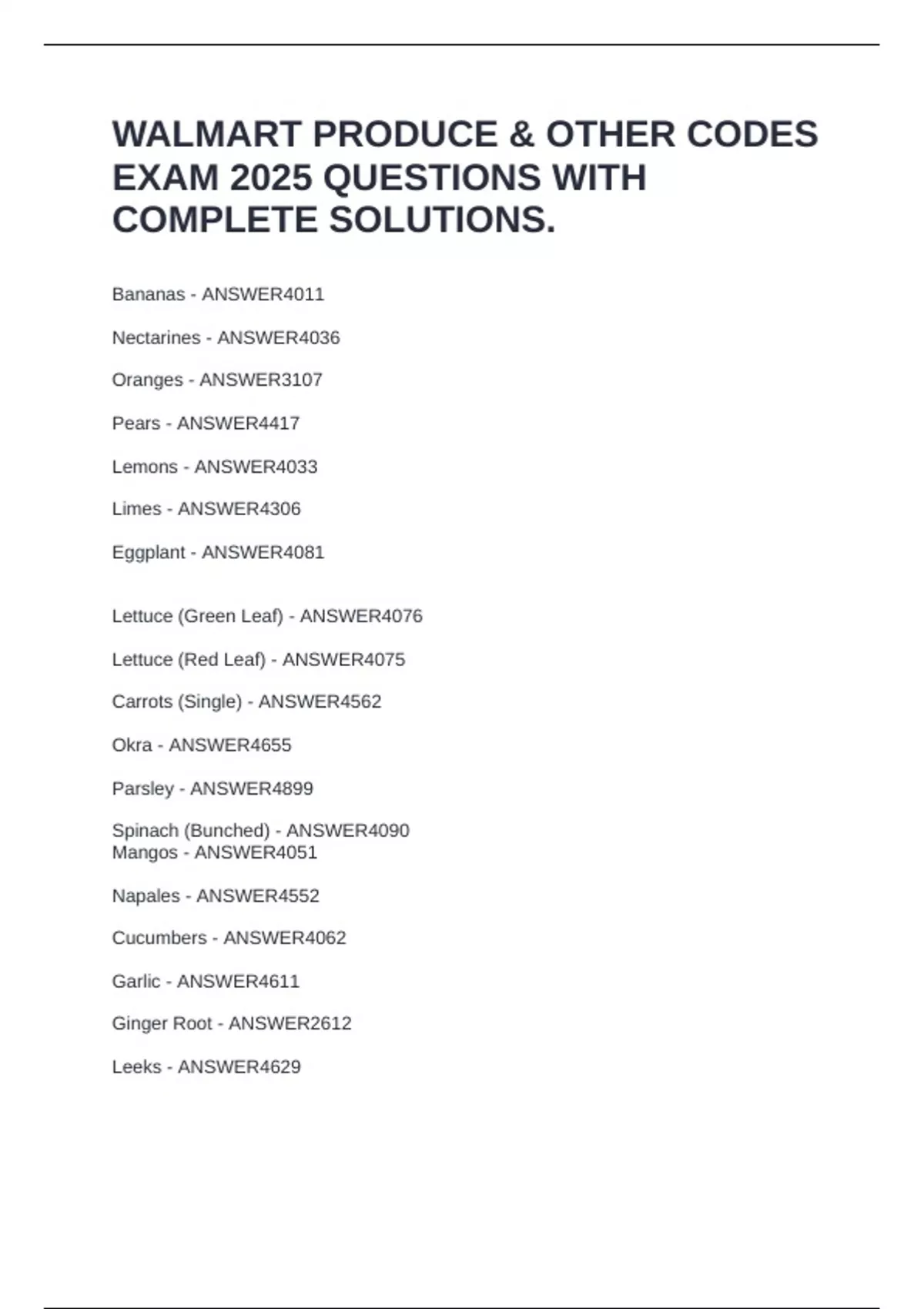
Why do PLU codes matter when weighing produce at self-checkout?
Price Look-Up (PLU) codes ensure you are billed correctly for the specific variety and farming method of your item. Conventional items use standard four-digit codes (e.g., 4011 for standard bananas), while organic items use five-digit codes starting with 9 (e.g., 94011 for organic bananas). Entering the correct PLU prevents overcharging or misidentifying organic products.
Optimizing Your Produce Purchases
To extract maximum value from Walmart's produce department, establish a routine that balances smart selection habits with digital convenience:
- Plan Around Seasonal Availability: Purchase core items like apples, citrus, and root vegetables year-round, but prioritize seasonal berries, stone fruits, and squash when regional crops enter distribution networks for peak flavor and lower costs.
- Inspect Before Buying: Utilize physical inspection guidelines—checking the undersides of containers, evaluating firmness, and checking package seals—before placing items into your cart.
- Keep Purchases Tracked via App: Keep your digital receipts stored within your Walmart account. If an item fails to hold up at home, use the app interface to submit a Fresh Guarantee refund claim immediately.
- Store Items Properly at Home: Separate ethylene-sensitive items from heavy gas producers to preserve shelf life once you arrive home from the store.
By leveraging Walmart's competitive unit pricing alongside the security of the 100% Fresh Guarantee, shoppers can reliably supply their households with fresh, nutritious produce on any budget.