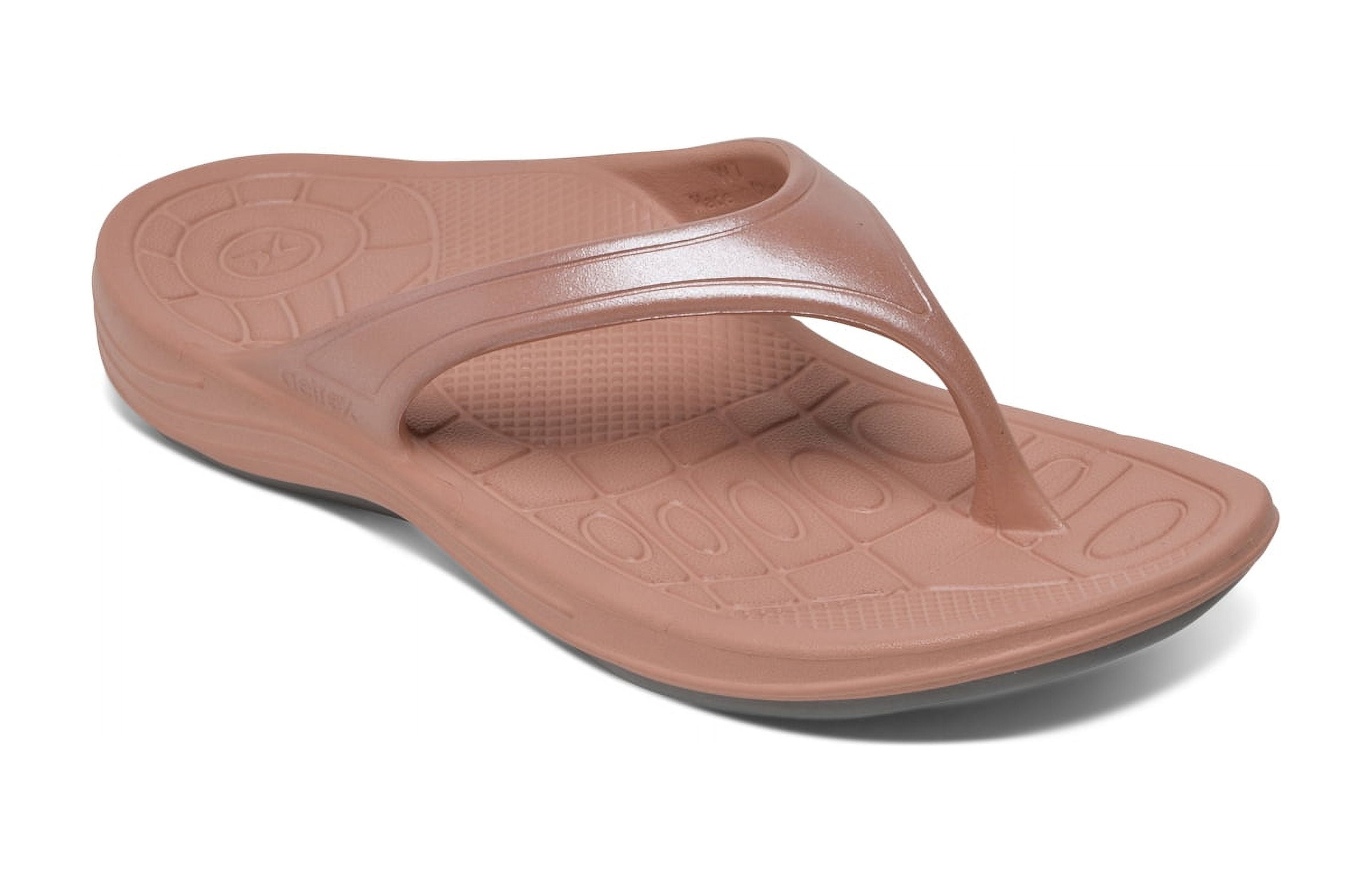
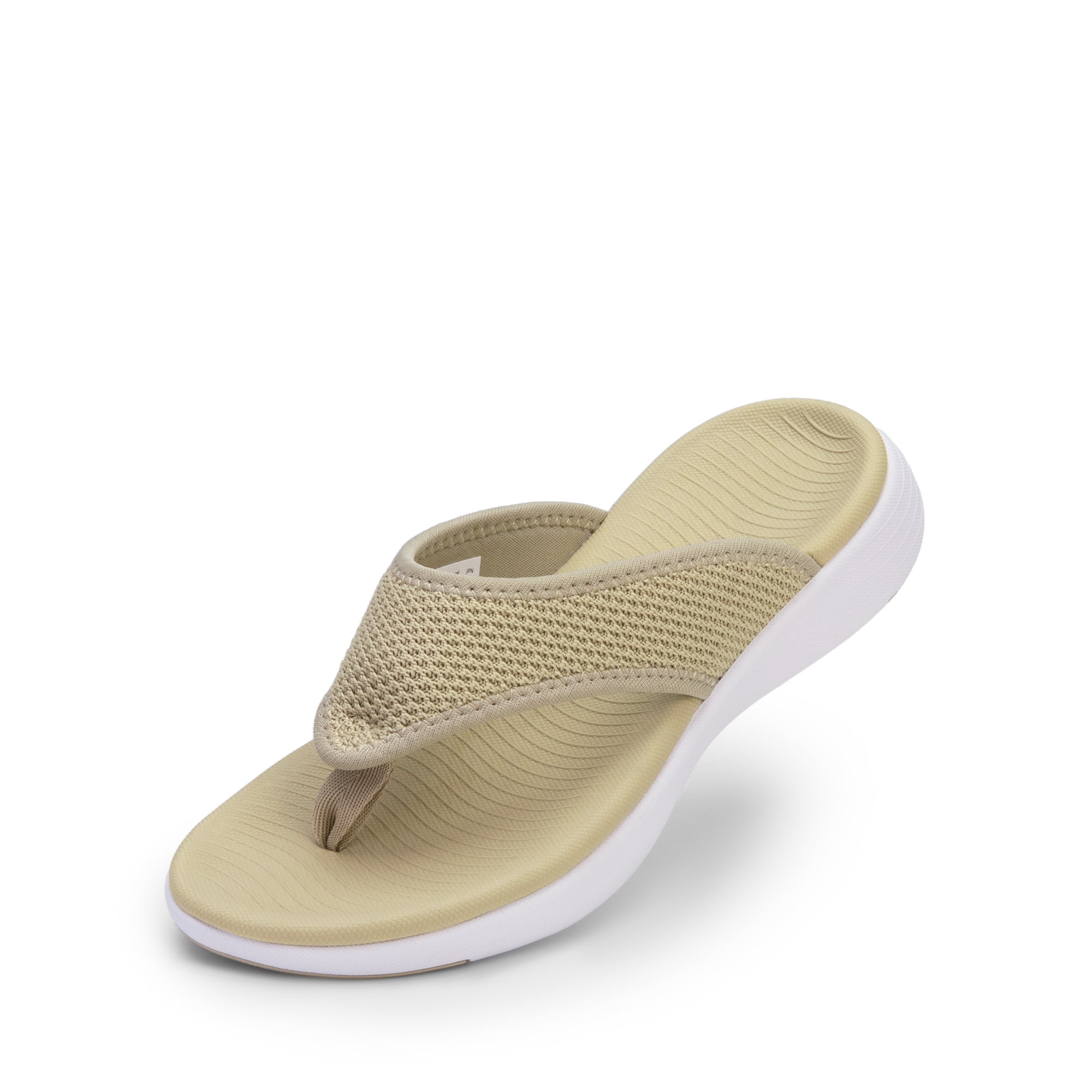
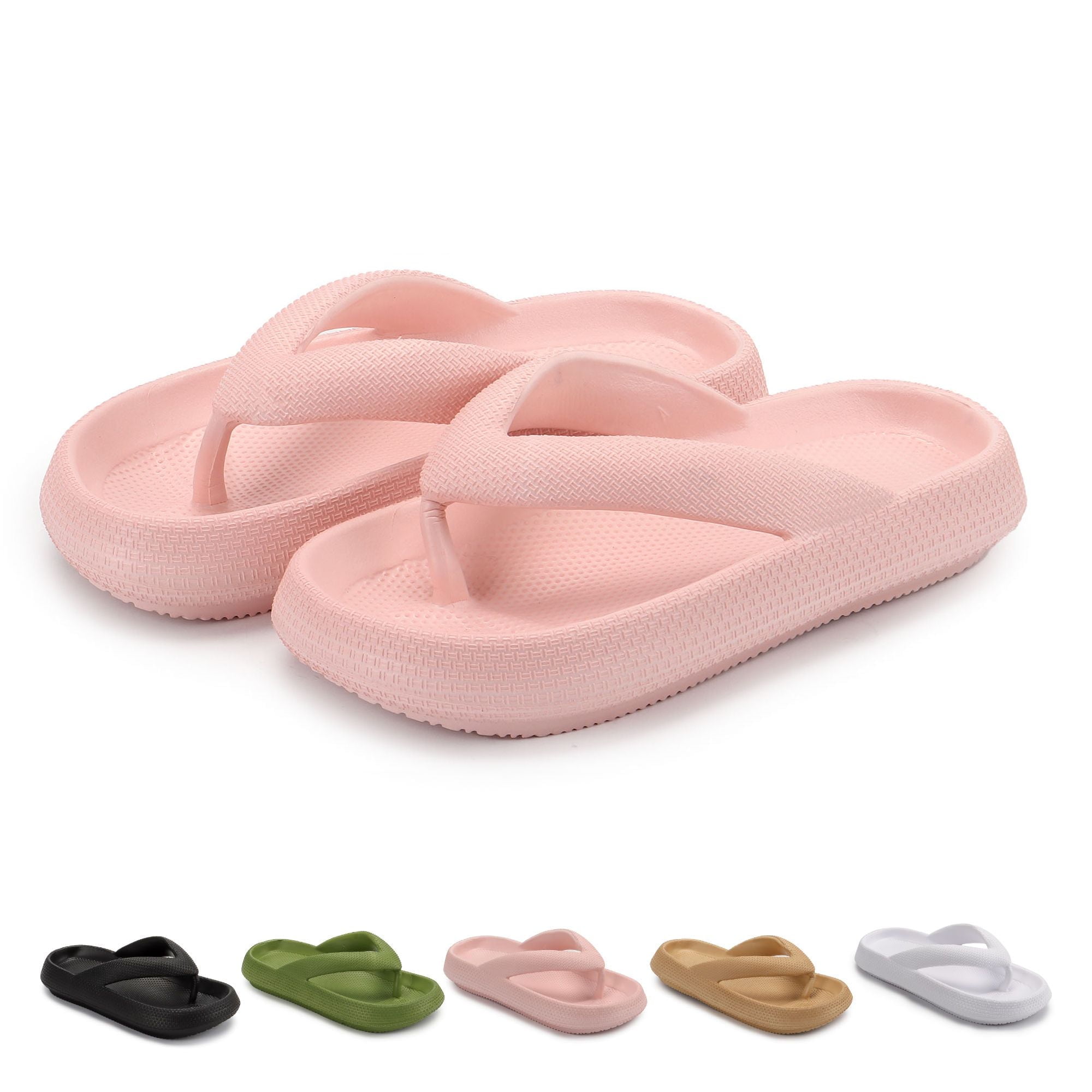
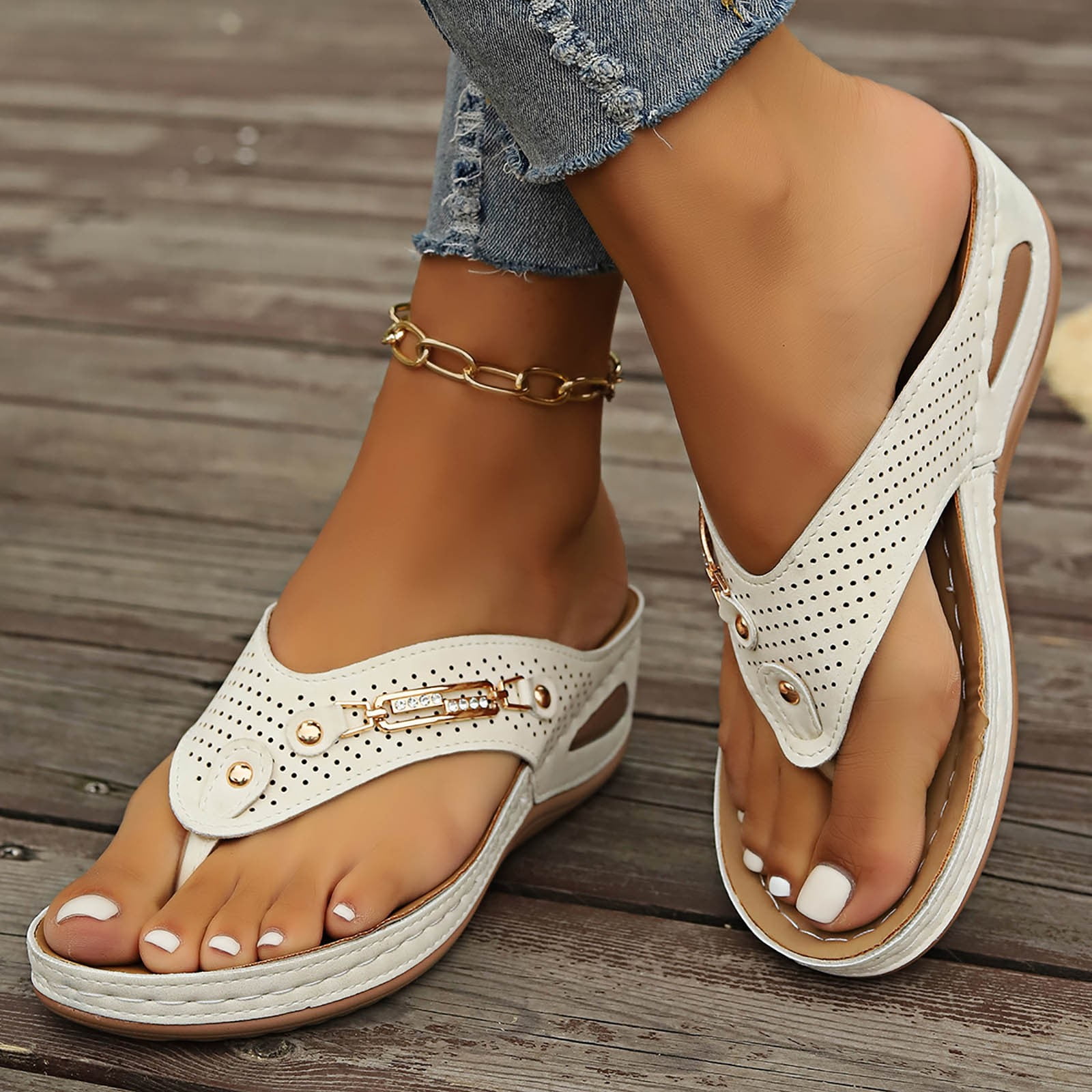
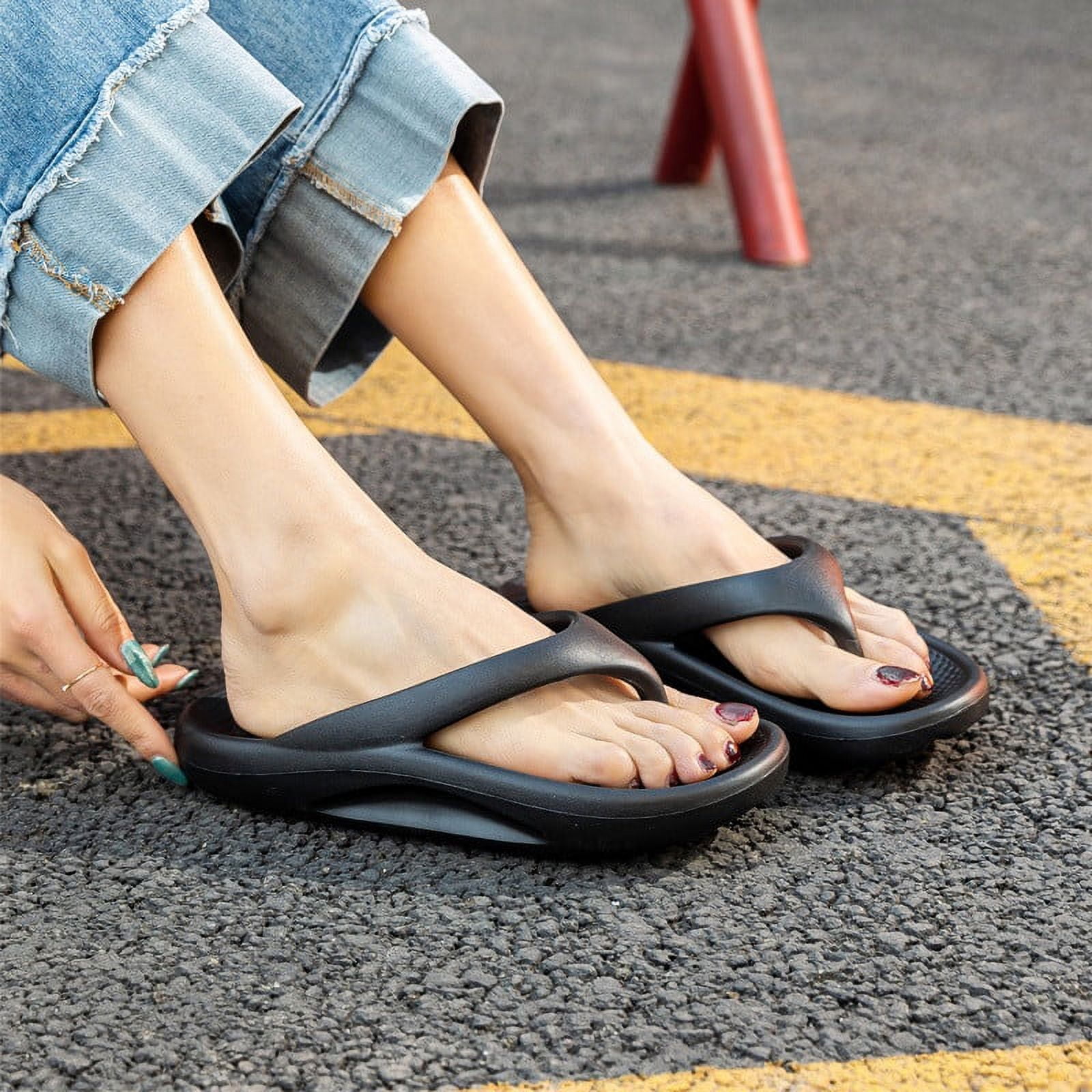
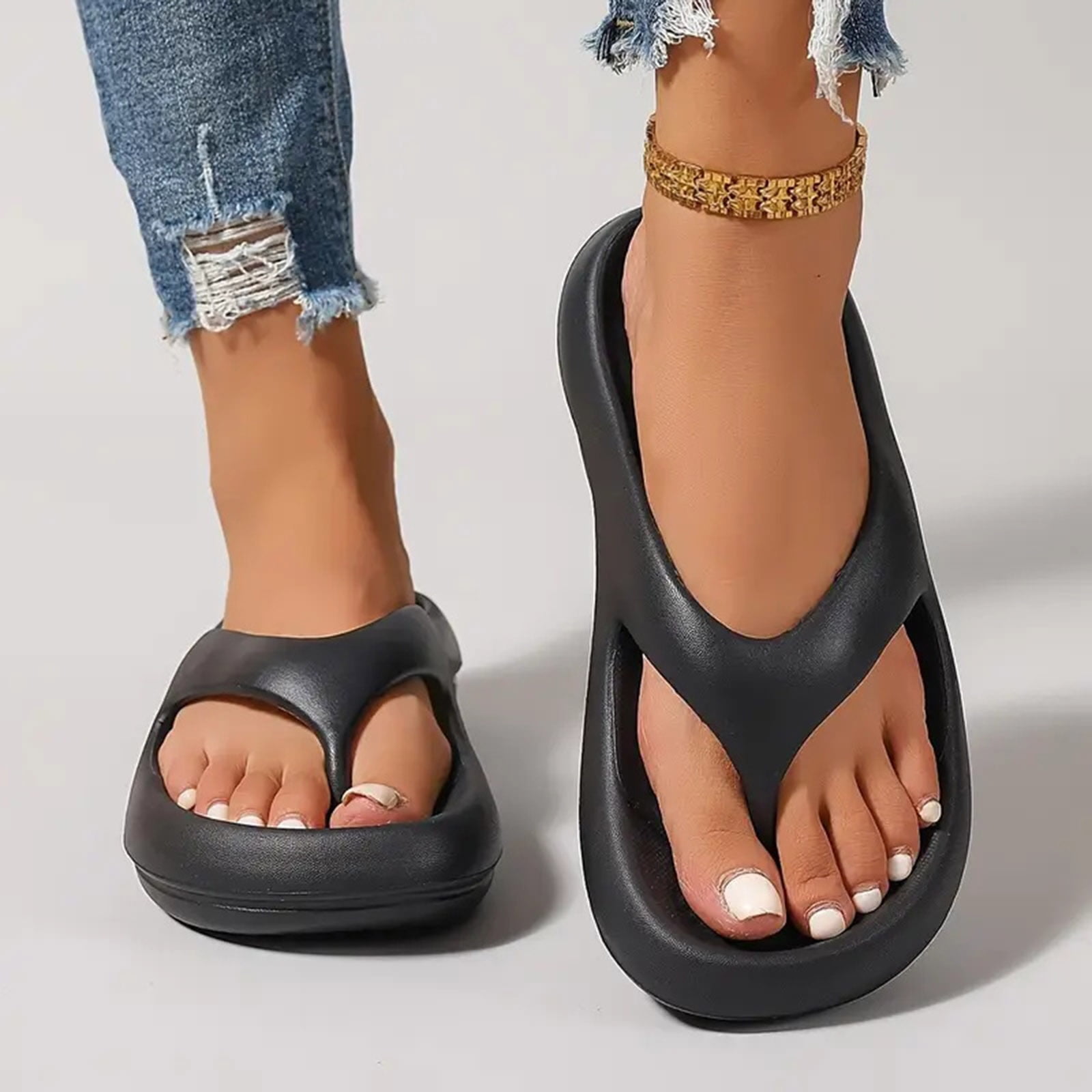
Soft flip flops for women combine plush underfoot cushioning with ergonomic contours to provide immediate pressure relief and all-day comfort. Finding the right pair requires balancing shock-absorbing materials like high-density Ethylene-Vinyl Acetate (EVA), memory foam, or soft rubber with structural arch support to prevent foot fatigue, plantar fasciitis, and joint strain.
Understanding Cushioning Materials: What Makes Flip Flops Soft?
The feeling of stepping into a soft flip flop is determined entirely by the material composition of its footbed and midsole. Manufacturers utilize distinct polymer blends and foam technologies, each offering a specific balance of initial softness, energy return, and compression resistance.
- Footbed Material Options:
- Closed-Cell EVA Foams: High rebound, Water-resistant, Ultra-light
- Open-Cell Memory Foams: Slow recovery, Molded fit, Dry-use only
- Yoga Mat & Synthetic TPE: Squishy touch, Moderate bounce, Flex-resilient
- Polyurethane (PU) Elastomer: High strength, Dense support, Long lifespan
Ethylene-Vinyl Acetate (EVA) and Injection-Molded Super-Foams
Closed-cell EVA foam is the most widely used material in soft footwear. It is extremely lightweight, inherently water-resistant, and can be engineered to varying degrees of durometer (hardness). In recent years, foot care and athletic brands have introduced proprietary "super-foams"—specialized injection-molded EVA variants designed to absorb up to 37% more impact energy than standard sneaker foams. These formulations provide a plush, cloud-like sensation while maintaining structural elasticity, preventing the sandal from flattening out after repeated steps.
Memory Foam and Cushion Tops
Memory foam, an open-cell polyurethane material originally developed for seat cushioning, offers immediate pressure redistribution. When pressed, memory foam slowly conforms to the unique contours of the female foot, eliminating pressure points beneath the heel and the ball of the foot. However, because open-cell foam acts like a sponge, memory foam flip flops are generally restricted to dry conditions and casual indoor or outdoor use. They are frequently paired with soft synthetic leather or microfiber top sheets to enhance skin comfort.
Yoga Mat Latex and Thermoplastic Elastomers (TPE)
Flip flops made from recycled yoga mat material or TPE offer a distinctive squishy yet responsive underfoot experience. Synthetic and natural rubber elastomers provide a high coefficient of friction, meaning the foot does not slide around even when damp. Yoga mat formulations excel at cushioning vertical impacts without compressing permanently, making them an excellent mid-range choice for everyday walking.
Molded Polyurethane (PU) Elastomers
Polyurethane is denser and heavier than standard EVA, but it delivers unmatched durability and structural memory. Soft PU midsoles do not pack down over months of heavy wear. While they may feel slightly firmer upon first wear compared to ultra-soft memory foam, soft-formulated PU provides long-term dynamic shock absorption while supporting the skeletal structure of the foot.
Softness vs. Support: The Bio-Mechanical Balance
A common misconception among consumers is that the softest flip flop is inherently the healthiest footbed choice. While immediate step-in softness reduces vertical ground reaction forces, overly squishy, flat sandals can induce instability, overpronation, and structural strain across the lower extremities.
- The Softness vs. Support Spectrum:
- Ultra-Soft / Unstructured:
- High initial plushness
- Zero arch resistance
- Causes muscle fatigue
- Risk of plantar fascia strain
- Ergonomic / Molded:
- Deep heel cupping
- Built-in arch contour
- Distributes body weight
- Long-term joint comfort
- Ultra-Soft / Unstructured:
The Hazards of Unstructured Softness
When a flip flop soft footbed lacks internal arch architecture, the foot sinks unchecked into the foam during the stance phase of walking. This causes the ankle to roll inward (hyper-pronation), twisting the tibia and putting excessive strain on the knee, hip, and lower back. Furthermore, extremely soft, flat soles force the toes to claw continuously to keep the sandal attached to the foot, potentially aggravating conditions like hammer toes or flexor tendonitis.
Key Anatomical Features to Look For
To ensure maximum foot comfort without sacrificing stability, look for soft flip flops that integrate essential orthopedic design elements:
- Anatomical Arch Support: A raised arch profile prevents excessive foot collapse and evenly distributes body weight across the entire plantar surface.
- Deep Heel Cup: A concave heel recess cradles the heel's natural fat pad directly under the calcaneus bone, optimizing natural shock absorption and preventing lateral foot movement.
- Contoured Toe Ridge: A soft, shallow ridge beneath the toes provides leverage during push-off without requiring toe-gripping.
- Flared Outsole Geometry: A slightly wider base provides stabilizing contact area, preventing ankle rolls on uneven surfaces.
Comparing Soft Flip Flop Materials for Women
Selecting the best material depends on primary use cases, exposure to moisture, and required durability. The following comparison highlights key functional characteristics across common flip flop materials:
| Material Type | Shock Absorption | Arch Support Potential | Water Resistance | Weight Profile | Expected Lifespan | Primary Best Use |
|---|---|---|---|---|---|---|
| Injection-Molded EVA | Exceptional | High (when molded) | Waterproof | Ultra-Lightweight | 12–18 Months | Recovery, Beach, Pool, Everyday |
| Standard EVA Foam | Moderate | Low to Moderate | Waterproof | Lightweight | 6–12 Months | Short Casual Wear, Shower |
| Memory Foam Layer | High (Immediate) | Low (Sinks in) | Water-Absorbent | Moderate | 6–12 Months | House Shoe, Dry Casual Walk |
| Yoga Mat / TPE | High (Springy) | Moderate | Water-Resistant | Moderate | 12–24 Months | Casual Outings, Festivals |
| Polyurethane (PU) | High (Sustained) | High | Water-Resistant | Moderate to Heavy | 24–36+ Months | All-Day Travel, Extended Walking |
Podiatric Insights: Addressing Foot Pain and Conditions
For women managing chronic lower-limb issues, selecting soft flip flops is a matter of therapeutic necessity. Podiatric research emphasizes that soft flip flops equipped with structured footbeds can play a key role in pain management and rehabilitation.
- Therapeutic Footbed Contouring Mechanism:
- Deep Heel Cupping:
- Centers calcaneal fat pad
- Prevents heel shearing forces
- Medial Arch Contour:
- Offloads plantar fascia stress
- Corrects excessive pronation
- Deep Heel Cupping:
Plantar Fasciitis Relief
Plantar fasciitis involves inflammation of the thick band of tissue running across the bottom of the foot. Soft, flat footwear worsens this condition by stretching the fascia excessively during off-loading and heel strike. However, therapeutic soft flip flops incorporating high-rebound cushioning alongside rigid or semi-rigid arch supports dramatically reduce tension on the plantar fascia attachment point at the heel.
The American Podiatric Medical Association (APMA) awards its Seal of Acceptance to footwear that promotes good foot health. Women struggling with heel pain should specifically look for soft flip flops carrying this certification or those explicitly designed with orthotic footbeds.
Overpronation and Joint Realignment
Overpronation places stress on the interior side of the ankle, inner knees, and kinetic chain. Soft flip flops engineered with a medial post or built-in arch ramp hold the foot in a neutral mechanical alignment. This prevents the interior ankle collapse that often occurs when wearing standard flat rubber flip flops.
Metatarsalgia and Forefoot Pressure
Pain in the ball of the foot (metatarsalgia) demands generous forefoot cushioning combined with a slight forefoot rocker sole. High-resilience soft foam under the metatarsal heads diminishes peak pressure points during the push-off phase of the walking gait, allowing sensitive nerve endings and inflamed joints to rest.
How to Choose the Right Soft Flip Flops for Your Lifestyle
Matching the construction of the sandal to your planned activities ensures both safety and performance.
- Activity-Based Selection Guide:
- Beach & Water:
- Hydrophobic
- Textured grip
- Molded EVA
- Post-Workout:
- High-rebound
- Thick midsole
- Deep heel cup
- Travel & City:
- Dual-density
- Leather straps
- Rubber tread
- Home & Indoor:
- Soft lining
- Memory foam
- Plush top
- Beach & Water:
1. Beach, Poolside, and Marine Environments
Water exposure requires hydrophobic, quick-drying materials that maintain traction when wet.
- Material: Injection-molded closed-cell EVA or high-grade rubber.
- Strap Considerations: Molded TPU or quick-dry synthetic webbed straps. Avoid untreated leather or fabric linings that retain water and cause chafing.
- Outsole: Look for multi-directional tread patterns designed to channel water away, preventing hydroplaning on slick pool decks.
2. Post-Workout and Recovery Wear
Athletes and active individuals benefit from maximum impact absorption after high-impact training sessions.
- Material: Super-soft, high-rebound recovery EVA foam with an exaggerated stack height.
- Design: Ergonomic cradling designs that minimize muscle energy expenditure in the feet and calves during recovery periods.
- Fit: Roomier fit to accommodate minor foot swelling following prolonged exercise.
3. Urban Travel and All-Day Walking
Navigating hard concrete pavements requires a balance between plush cushioning and structural resilience.
- Material: Dual-density constructions featuring a soft top layer over a high-density, durable PU or firm EVA outsole.
- Strap Considerations: Padded, wider leather or soft textile straps lined with neoprene to prevent blisters across the instep.
- Outsole: Abrasion-resistant rubber outer treads for traction and longevity on hot asphalt.
4. Indoor House Use and Lounging
For hardwood or tile flooring at home, soft flip flops act as protective indoor footwear to prevent heel impact pain.
- Material: Memory foam top layers, soft fleece-lined EVA, or yoga mat footbeds.
- Design: Lightweight design with smooth internal seams to protect delicate skin during relaxed wear.
Fit, Sizing, and Footwear Maintenance
Even the highest quality soft flip flop will cause discomfort if fitted incorrectly or maintained poorly.
- Flip Flop Fit Checklist:
- [ YES ] Heel rests fully inside the rear cup without hanging over.
- [ YES ] Toes remain 1/4 inch inside the perimeter rim during movement.
- [ YES ] Toe post rests comfortably without digging into webbed tissue.
- [ YES ] Arch contour matches the natural curve of your foot.
Achieving the Perfect Fit
- Perimeter Safety Margin: The foot should sit entirely inside the raised protective rim of the footbed. Your heel or toes should never hang over the edge, as this disrupts weight distribution and risks impact injury.
- Toe Post Materials: Look for soft woven webbing, seamless molded silicone, or rolled leather toe posts. Avoid rigid plastic seams that rub between the big toe and second toe.
- Strap Tension: Straps should hug the instep securely without digging into the skin. If the strap is too loose, your foot will slide forward, forcing your toes to grip the footbed and causing muscle fatigue.
Cleaning and Care Instructions
Proper maintenance prolongs foam resiliency and keeps footwear hygienic:
- Closed-Cell EVA & Rubber: Clean regularly using warm water, mild dish soap, and a soft-bristle brush. Air dry away from direct sunlight, as extreme heat can warp or shrink EVA foam.
- Memory Foam & Textile Tops: Hand-wash surfaces using a damp microfiber cloth and delicate fabric detergent. Blot dry with a towel and allow to air dry fully before wearing to prevent odor-causing bacteria.
- Sanitization: Spray footbeds periodically with a diluted tea tree oil solution or mild antibacterial mist to control odor.
Knowing When to Replace Soft Flip Flops
Because soft foams absorb repeated foot strikes, they gradually lose structural integrity over time. Replace your flip flops when:
- The footbed retains permanent deep foot impressions and no longer rebounds.
- The outsole tread pattern wears smooth, compromising slip resistance.
- You experience unexplained foot, ankle, or knee fatigue that was not present when the footwear was new.
Frequently Asked Questions
Are soft flip flops good for women with plantar fasciitis?
Yes, provided they feature built-in arch support and a contoured heel cup alongside soft cushioning. Extremely flat, soft flip flops can worsen plantar fasciitis by allowing the foot arch to collapse. Look for options with APMA acceptance or explicit orthotic support built into shock-absorbing EVA foam.
How long do memory foam flip flops usually last?
Memory foam flip flops typically last between 6 and 12 months with regular wear. Because open-cell memory foam compresses permanently over time under body weight, it loses its cushioning ability faster than closed-cell EVA or polyurethane foams.
Can soft flip flops be worn safely in the water?
Only if they are made from closed-cell materials like EVA, TPU, or synthetic rubber. Flip flops with memory foam, canvas straps, or soft leather linings absorb water, become heavy, deteriorate quickly, and foster mold and odor when exposed to moisture.
What is the primary difference between soft EVA foam and memory foam flip flops?
EVA foam is a bouncy, closed-cell material that offers high energy return, structural support, and water resistance. Memory foam is an open-cell polyurethane layer that slowly molds to the precise shape of your foot, offering localized pressure relief, but it absorbs water and offers less dynamic rebound.
How do I know if my flip flops are too soft?
If your foot sinks so deeply into the footbed that you feel the hard floor underneath, or if your ankles roll inward when walking, the flip flops are too soft and lack necessary structural support. Softness should always be balanced by a firm outsole and supportive arch contours.
Actionable Buyer Recommendation: Finding Your Ideal Soft Pair
When choosing soft flip flops, align your purchase decision with your primary physical needs and daily environment:
- For Chronic Heel Pain or Plantar Fasciitis: Choose a recovery flip flop with a high-density EVA midsole, built-in orthopedic arch support, a deep heel cup, and APMA validation.
- For Beach, Water, and Pool Use: Select an all-EVA or rubber molded flip flop with a textured, slip-resistant outsole and water-repellent synthetic straps.
- For House Use and Sensitive Feet: Opt for a cushioned memory foam or soft yoga mat flip flop with microfiber-lined straps to maximize top-of-foot comfort on indoor flooring.
- For Travel and Extended Urban Walking: Invest in a dual-density model featuring a soft top layer, a resilient polyurethane midsole, adjustable leather or padded textile straps, and durable rubber outer soles.
Always measure your foot length accurately and ensure a minimum 1/4-inch protective margin around the footbed edge to guarantee full shock-absorption coverage for your stride.