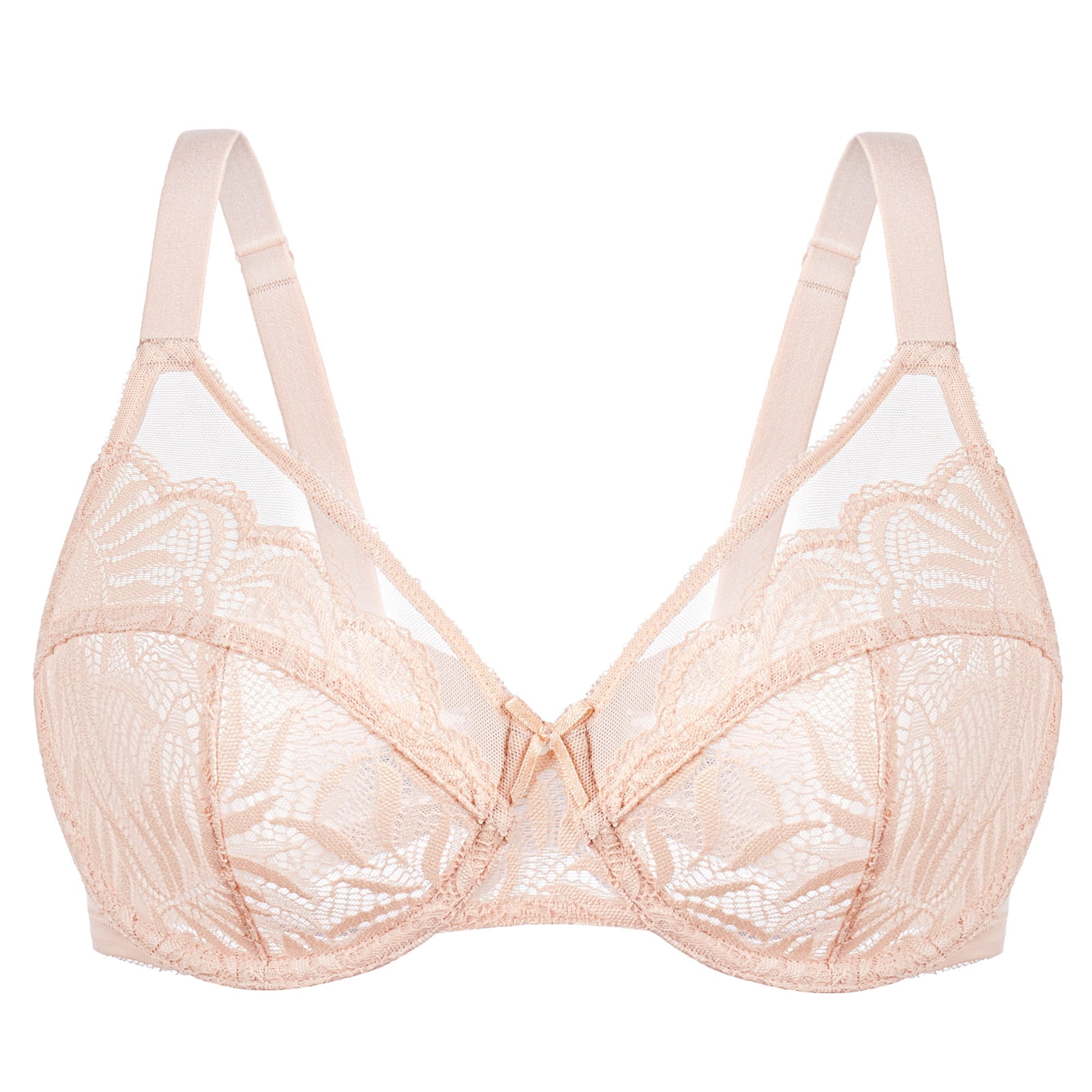
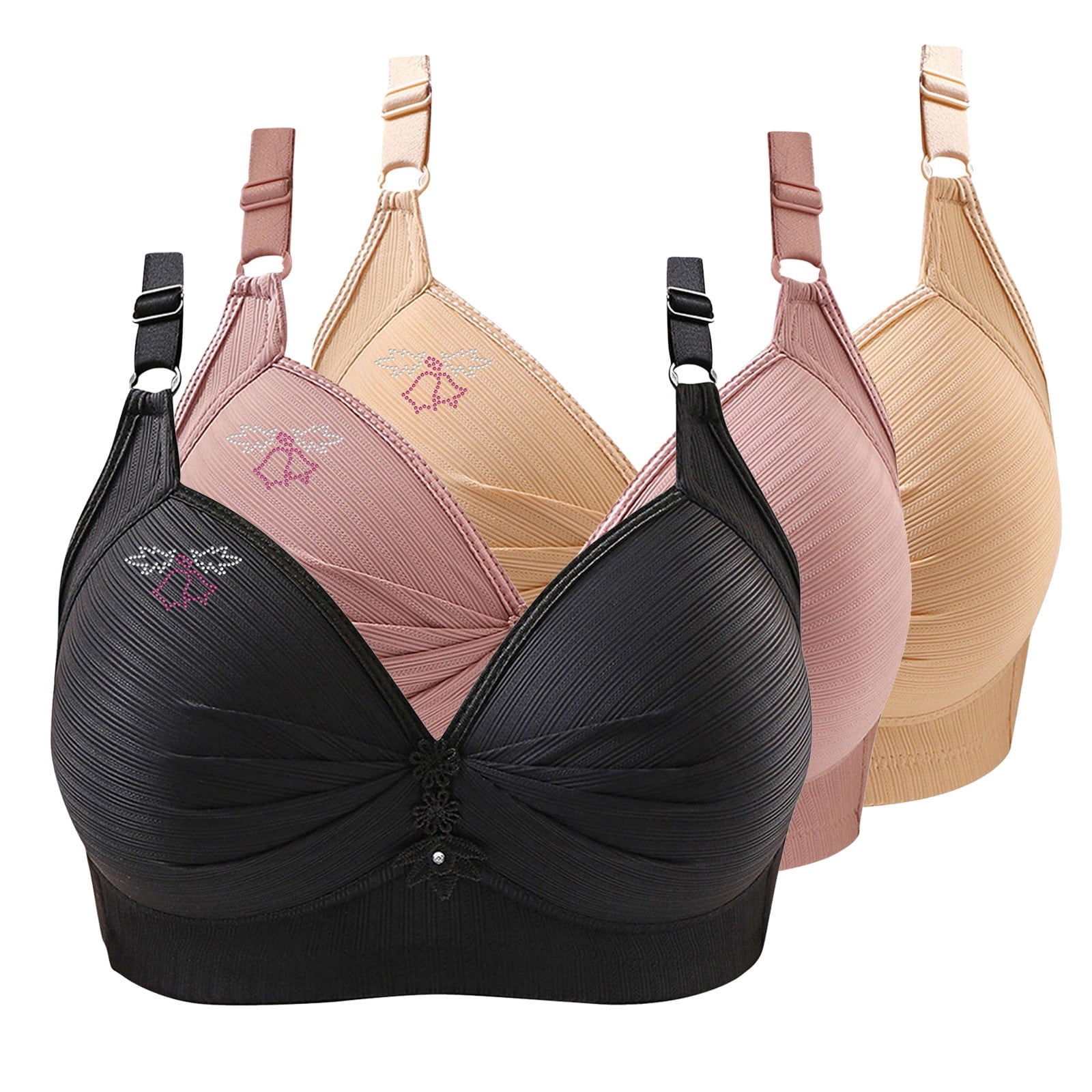
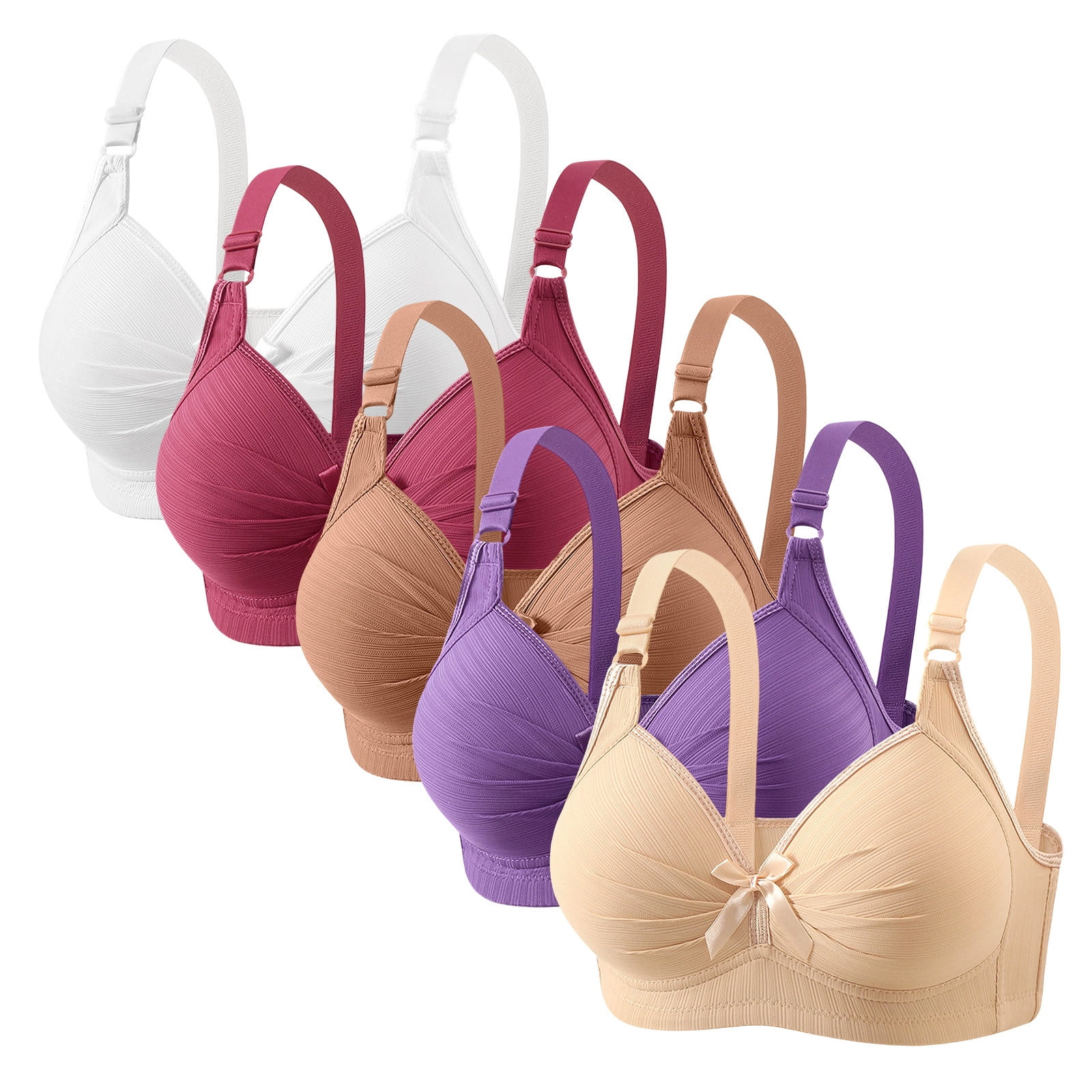
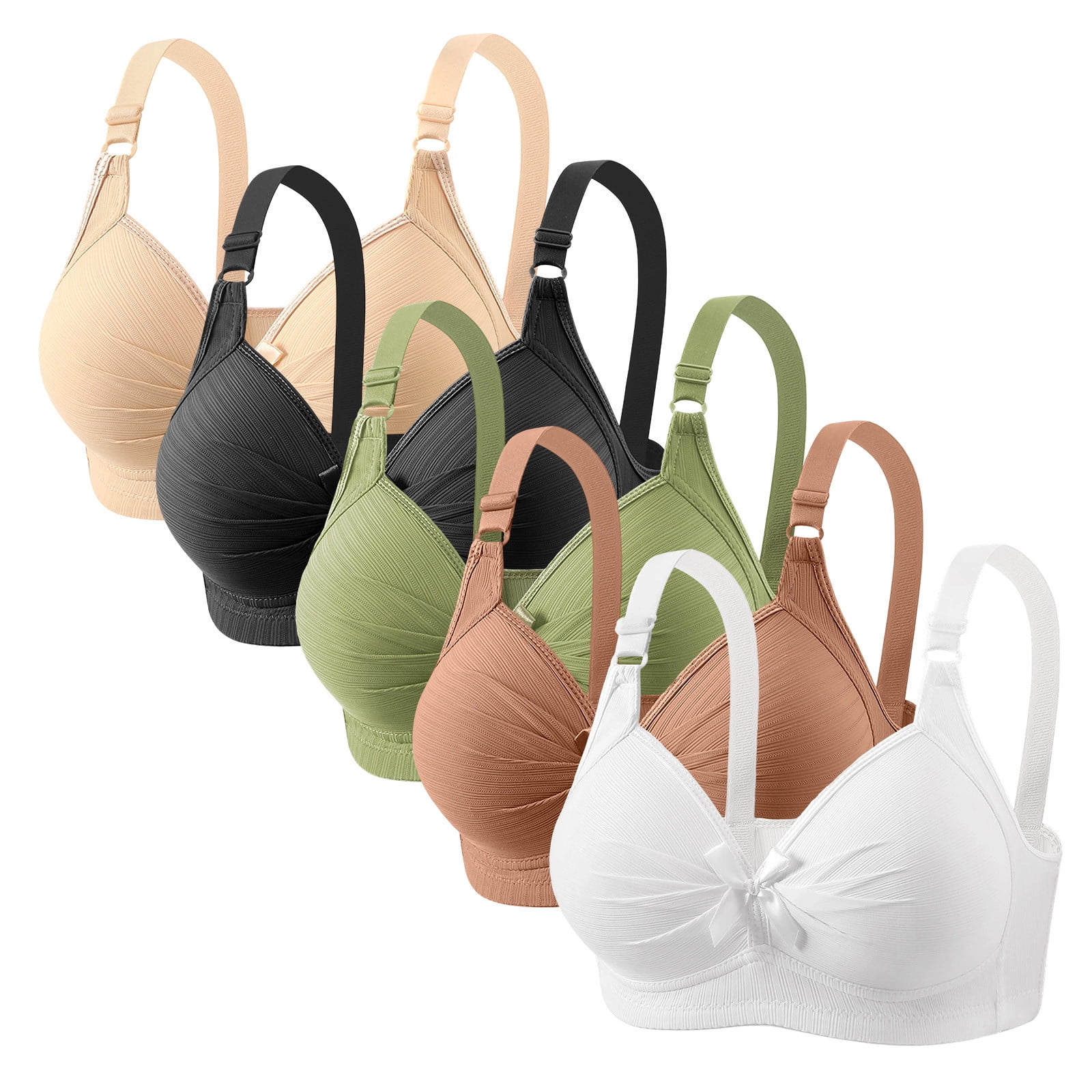
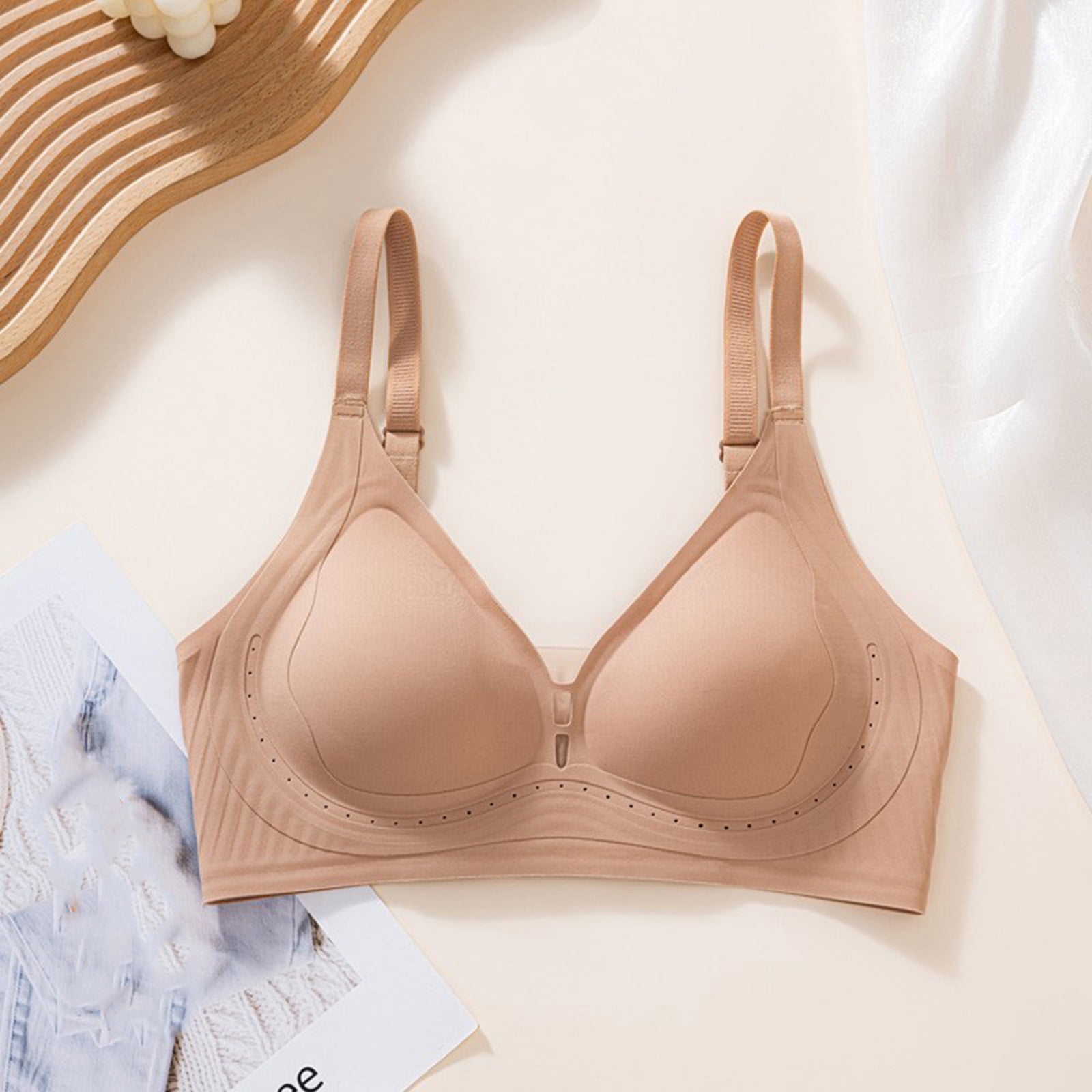
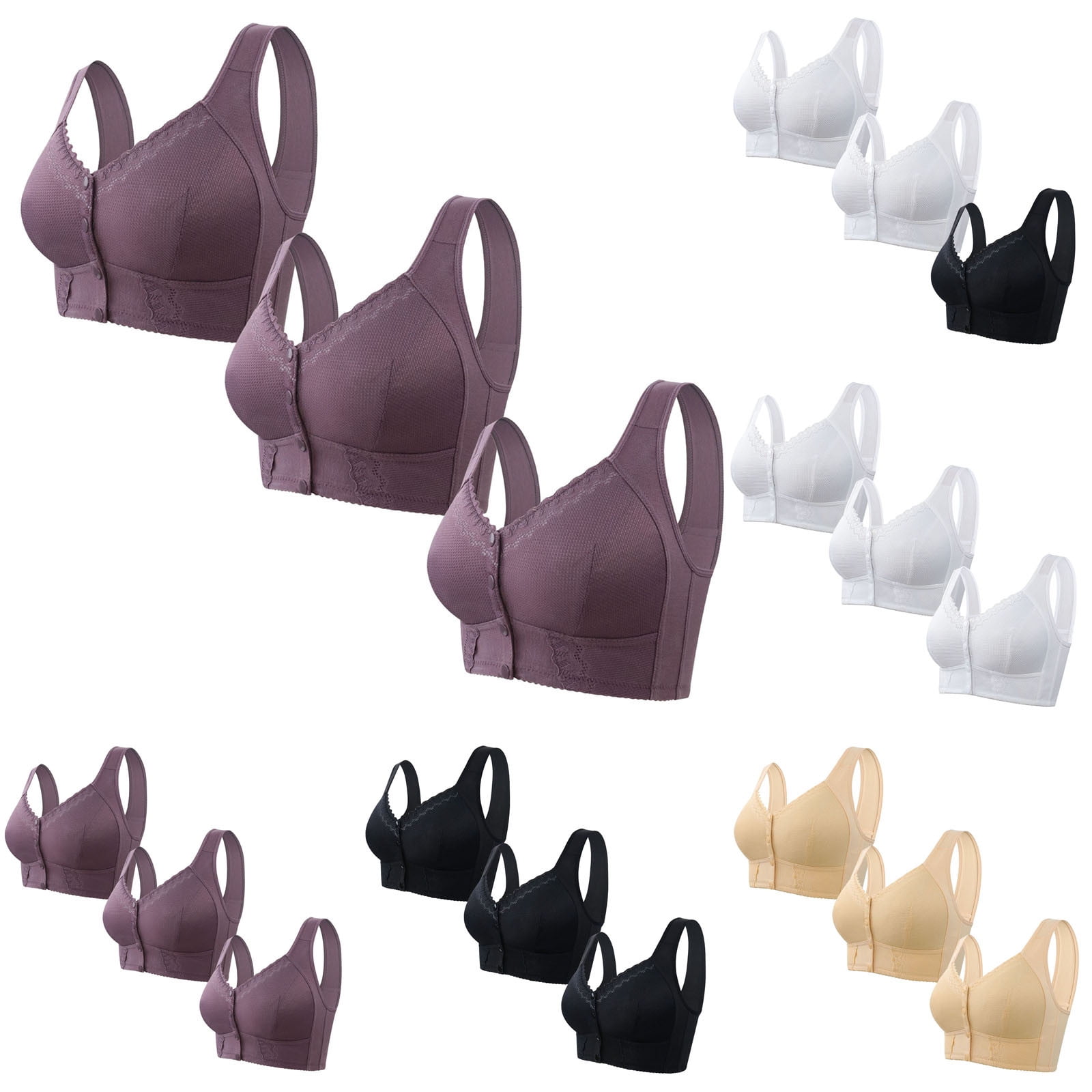
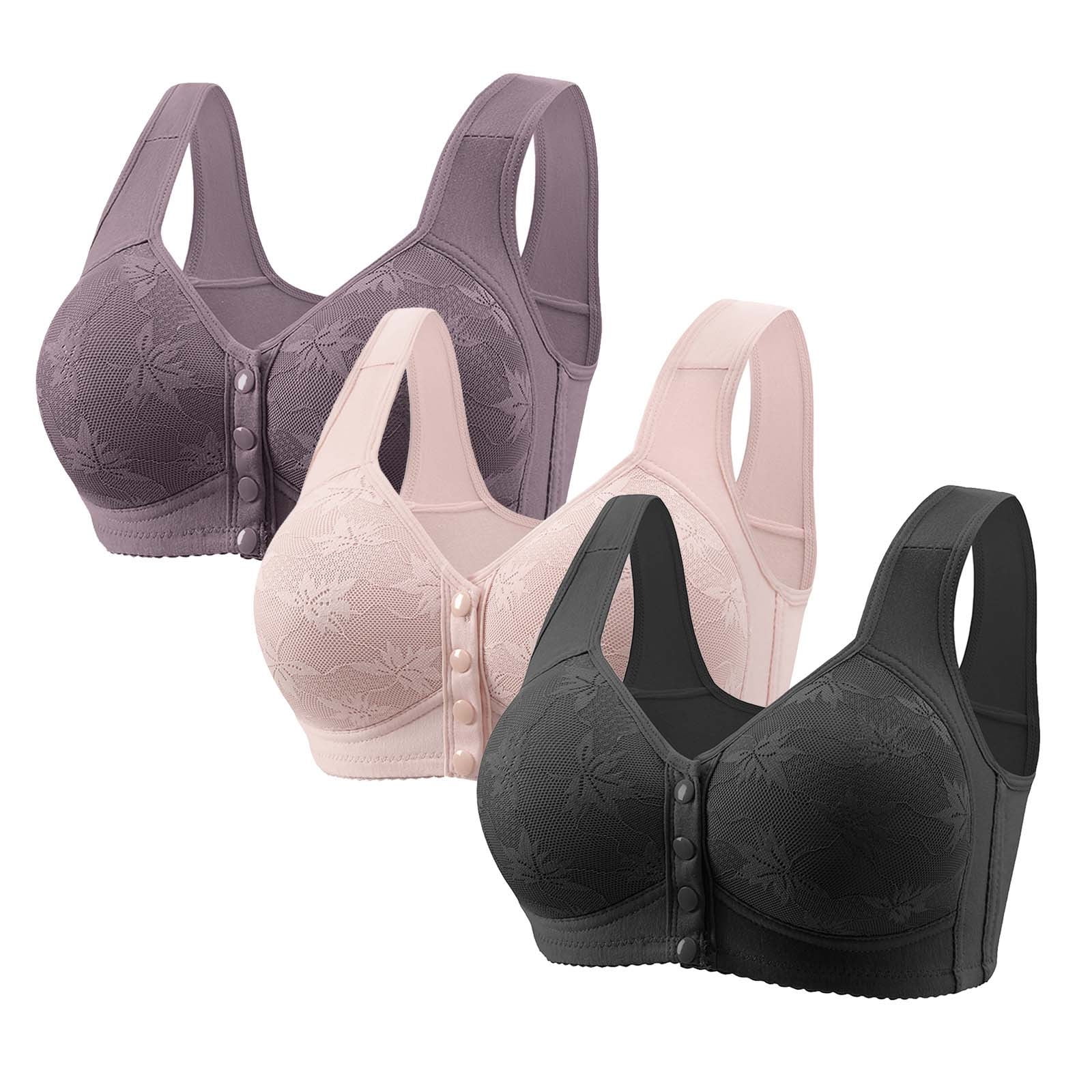
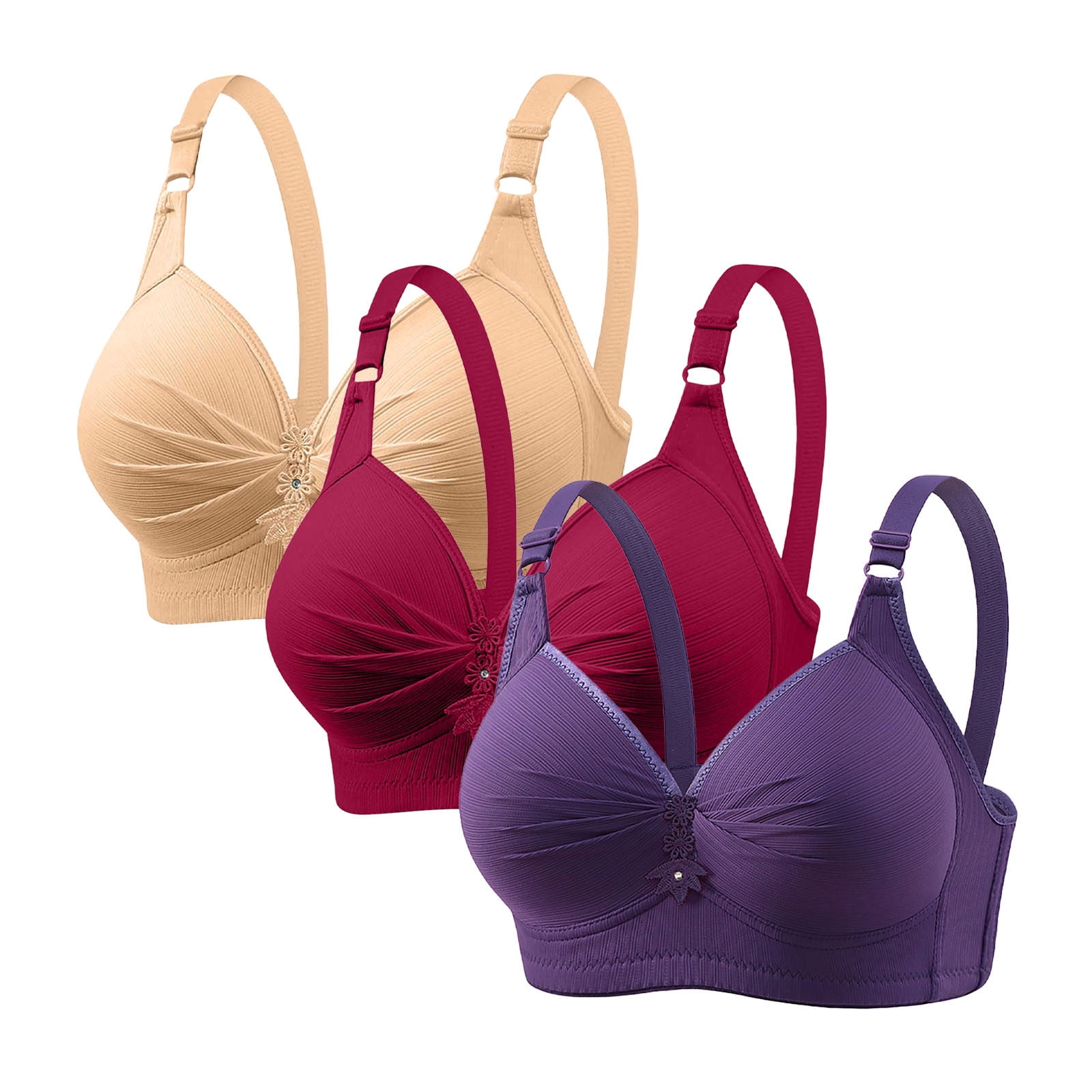
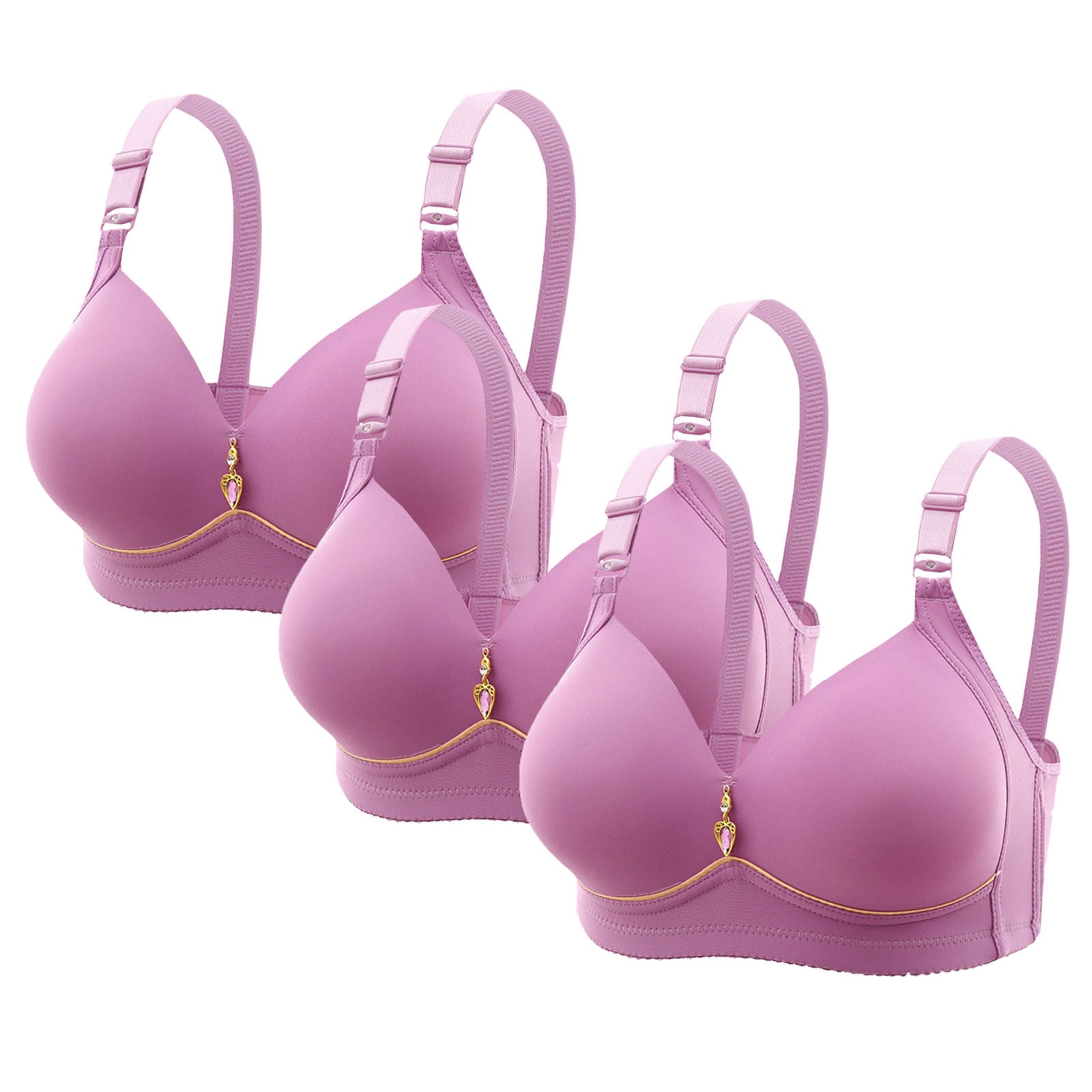
A soft bra for a large bust is a wireless, non-padded or lightly lined bra engineered to provide lift, separation, and support for D-cup sizes and above without standard rigid underwires. Rather than relying on metal channels, high-support soft bras utilize high-tension bottom bands, multi-panel seamed cups, internal side slings, and high-density powernet fabrics to distribute bust weight evenly across the torso.
The Engineering Behind Wireless Support for Fuller Cups
Transitioning from an underwired bra to a soft or wireless model often raises concerns about sag, tissue compression, and inadequate lifting power. In conventional bra construction, a tempered steel or titanium alloy underwire acts as a load-bearing arch, directing breast tissue upward and anchoring the center front (the gore) against the sternum. When underwires are removed, garment mechanics must shift dramatically to replace that structural rigidity with fabric tension and geometric tailored seams.
Support in a well-constructed soft bra relies on three core mechanical principles: band anchor tension, multi-panel seaming, and tensile reinforcement.
[ Wide Adjustable Straps ] <-- Relieves Shoulder Shear Force | [ Multi-Panel Seamed Cups ] <-- Encapsulates & Shapes Tissue | [ Internal Side Slings ] <-- Pushes Tissue Forward & Centrally | [ High-Tension Wide Band ] <-- Carries 80% of Total Bust Load
Band Anchor Tension
The ribcage band carries approximately 80% of the bust’s physical weight, regardless of whether the bra contains underwires. In soft bras designed for large busts, the band must be wider—typically featuring three to five hook-and-eye column closures—and constructed from low-stretch, high-recovery elastics. This prevents the band from riding up the back under the downward pull of heavy breast tissue.
Multi-Panel Seamed Cups
Molded, single-piece foam cups rarely offer sufficient depth or structure for full busts in wireless formats. Instead, high-performance soft bras use multi-part cut-and-sew cups (usually three or four pieces). Horizontal and vertical seams act as structural beams within the fabric, creating a three-dimensional pocket that holds tissue securely without forcing it flat against the chest wall.
Internal Side Slings and Side Boning
To prevent breast tissue from spilling toward the armpits (lateral displacement), structural soft bras incorporate internal slings—crescent-shaped fabric panels sewn into the outer cup edge. Combined with flexible vertical side boning (made from plastic or spring steel casing along the band wings), these elements channel tissue forward, providing projection and a streamlined silhouette.
Soft Bras vs. Underwired Bras: A Structural Comparison
Selecting between a soft bra and an underwired design involves balancing rigid frame control against soft-tissue encapsulation and mobility. Understanding these functional differences helps identify when a wireless construction is appropriate for daily wear, work, or relaxation.
| Structural Attribute | High-Support Soft Bra | Traditional Underwired Bra |
|---|---|---|
| Primary Support Source | High-tension wide underband and cup seaming | Metal wire frame combined with underband |
| Gore Attachment | Floats slightly off the sternum; relies on fabric bridge | Tacks flat against the sternum to isolate cups |
| Breast Tissue Encapsulation | Partial to full (depends on seaming vs. compression) | Full isolation and individual cup encapsulation |
| Pressure Distribution | Diffused broad pressure across ribcage and sides | Concentrated upward force along the inframammary fold |
| Flexibility & Range of Motion | High; adapts dynamically to torso movement | Rigid; restricts extreme torso bending or twisting |
| Silhouette & Projection | Natural rounded shape; slight forward projection | Defined lift, maximum projection, and apex elevation |
| Fabric Tensile Requirements | Needs high-GSM powernet lining and rigid mesh | Uses moderate fabric strength backed by wire framing |
Essential Structural Features to Look For
When evaluating a soft bra for a full bust (UK D–K / US D–O cups), superficial aesthetics must take a back seat to garment architecture. A bra designed for a smaller cup size scaled up proportionally will inevitably fail; true full-bust engineering requires specific hardware, fabric selection, and panel placement.
1. Extended Band Width and Anchor Wings
A narrow band will roll, fold, or dig into skin when subjected to the downward pull of heavy tissue. Look for bands that feature at least 3 inches (7.6 cm) of vertical wing fabric under the armpits, tapering to a solid multi-hook closure at the rear. High-side wings smooth back tissue and prevent the band from flexing out of position.
2. Seamed Construction (Cut-and-Sew)
Avoid seamless, single-layer stretch bralettes if high lift and separation are desired. Prioritize bras with:
- Three-Piece Cups: Featuring a bottom cup seam for lift and a vertical side seam for forward projection.
- Four-Piece Cups (Side Support): Adding an extra outer panel that sweeps tissue from under the arms toward the center chest.
- Transverse Seams: Running horizontally across the cup to establish upper-cup containment and prevent top-spill.
3. Integrated Powernet and Laminated Fabrics
Stretch lace or thin jersey alone cannot counteract gravity over extended periods. High-quality soft bras line the cup interiors and wings with powernet—a high-density synthetic mesh made from poly-elastane blends. In maximum-support soft models, the lower cup half uses non-stretch laminated nylon or rigid simplex fabric to eliminate downward cup elongation.
4. Broad, Padded, and Centralized Shoulder Straps
While the band bears most of the weight, shoulder straps maintain cup position and upper edge tension. Large-bust soft bras require wide straps (typically 18mm to 25mm) lined with plush foam or gel backing to prevent shoulder grooving. Furthermore, straps set closer together on the back panel (leotard back or racerback conversion) prevent slipping off sloping shoulders.
Sizing and Fitting Mechanics for Fuller Cups
Achieving an accurate fit in a soft bra requires a distinct approach compared to underwired fitting. Because soft bras lack a metal wire to mark the boundary between breast tissue and the ribcage (the inframammary fold), sizing must focus on band anchorage and cup volume distribution.
FIT EVALUATION CHECKLIST [ ] Band stays level around the ribcage. [ ] No fabric digging at the underarm. [ ] Tissue encapsulated without double-bust overflow. [ ] Center bridge sits flat or stays flush without twisting. [ ] Straps hold tension without indenting shoulders.
The Separation vs. Compression Trade-Off
A frequent challenge with wireless bras is the "uniboob" effect, where breasts are compressed into a single central mass. This occurs when a bra relies purely on compression (pushing tissue against the wall) rather than encapsulation (holding each breast in its own structured space).
To avoid compression-induced sweating and friction:
- Select soft bras with a defined center bridge (the fabric section between cups).
- Choose designs featuring deep cup volume and inner vertical slings, which maintain separation without a tacking wire.
Step-by-Step Fitting Protocol
- Calculate Baseline Band Size: Measure tightly around the ribcage directly beneath the bust, exhaling completely. Round up to the nearest even number if between sizes. The band must fit snugly on the loosest hook when new, allowing you to tighten it as the elastic naturally relaxes over time.
- Determine Cup Volume: Measure across the fullest part of the bust while wearing a non-padded bra. Subtract the ribcage measurement from the full-bust measurement. Each inch of difference corresponds to a cup size (1" = A, 2" = B, 3" = C, 4" = D, 5" = DD/E, and so forth).
- Check the Inframammary Fold: Put the bra on using the "scoop and swoop" technique—reach inside the cup, pull all breast tissue forward from under the armpit, and settle it into the cup pocket. Ensure the bottom elastic rests precisely in the fold beneath the breast, not on top of tissue.
- Evaluate Band Anchorage: Raise your arms above your head and twist your torso. If the band rides up over the breast tissue or shifts significantly up your back, the band is too large, or the cup volume is too small to accommodate the bust.
Advanced Fabric Science in Wireless Apparel
The structural integrity of a soft bra depends heavily on its textile engineering. Synthetic microfibers, mesh structures, and specialized weaves dictate how the garment responds to heat, friction, and dynamic weight loads.
MATERIAL LAYERING SYSTEM Outer Shell --> Decorative Lace / Smooth Microfiber Middle Layer --> Rigid Mesh / Non-Stretch Simplex Inner Lining --> Breathable High-GSM Powernet / Cotton
Powernet Mesh
Powernet is a warp-knitted synthetic mesh combining nylon (polyamide) and elastane (Spandex). Its open hexagonal structure allows air movement while providing exceptional multi-directional compression and recovery. High-support wireless bras use high-GSM (grams per square meter) powernet in the wings and inner linings to maintain firm tension across the back.
Non-Stretch Simplex Fabric
Simplex is a tightly knit, rigid polyester fabric that exhibits virtually zero stretch along its warp and weft. Used extensively in the lower cup section of full-bust soft bras, simplex acts as an unyielding sling that keeps the bust elevated without stretching out over a full day of wear.
Spacer Fabric
Spacer fabric is a 3D knit comprising two outer layers of fabric separated by micro-filament yarns, creating a light, cushioned airspace. Used in molded soft bras, spacer fabric offers moisture regulation, breathability, and subtle shaping without adding bulk or rigid underwires.
Care, Maintenance, and Longevity
Because soft bras rely entirely on fabric elasticity and seam strength to maintain lift, improper laundering degrades support capabilities far faster than in underwired bras.
Washing Protocols
Heat and harsh detergents break down elastane fibers, leading to elastic degradation, band stretching, and cup distortion.
- Hand Washing: Wash soft bras in cool water using a gentle, pH-neutral liquid wash designed for delicate synthetics. Avoid harsh bleach or fabric softeners, which coat elastane filaments and destroy their recovery strength.
- Machine Washing (Alternative): If machine washing is necessary, hook the bra band closed, place the garment inside a structured mesh laundry bag, and select a cold, delicate cycle with a slow spin speed.
Drying and Rotation Cycles
- Air Drying: Never tumble dry soft bras. High temperatures permanently damage elastane fibers. Lay the bra flat on a drying rack or hang it by the center bridge. Never hang a wet soft bra by its shoulder straps, as the weight of wet fabric will stretch the elastic out of shape.
- Rest Periods: Rotate bras between wears. Allowing a soft bra to rest for 24 to 48 hours between uses permits the elastane fibers to contract and regain their baseline memory, extending the garment's functional lifespan.
FAQ: Frequently Asked Questions
Can a soft bra provide the same level of lift as an underwired bra for large cups?
A high-engineered soft bra can achieve substantial lift, though the profile differs slightly from an underwired model. While an underwired bra isolates tissue to create high apex elevation and extreme forward projection, a well-constructed soft bra uses multi-part seamed cups, rigid lower cup fabrics, and high-tension bands to uplift the bust into a natural, rounded shape without sharp focal pressure.
How do I prevent the "uniboob" effect in a wireless bra?
To prevent breasts from being compressed into a single central mass, select soft bras with cut-and-sew seamed cups (3-part or 4-part construction) rather than single-piece stretch bralettes. Look for models with a distinct center bridge, inner vertical support slings, and non-stretch cup linings that hold each breast independently within its own structural pocket.
Why does the band on my soft bra roll up or fold over under my bust?
Band rolling typically occurs when the bra band is too loose, the cups are too small, or the band lacks adequate vertical boning. When cup volume is insufficient, breast tissue pushes downward against the band elastic, forcing it to fold outward. Ensuring an accurate cup size and choosing a bra with a wide, powernet-lined band featuring flexible side boning will stop rolling.
Should I buy the same cup and band size in a soft bra as in an underwired bra?
Usually yes, but slight adjustments may be needed depending on the brand's sizing system and fabric stretch. Because soft bras lack a rigid wire to anchor the cup perimeter, some individuals find they need to drop one band size (and increase one cup size to maintain volume) for tighter band stability, or adjust cup sizing if transitioning from molded underwire cups to unlined seamed soft cups.
Are soft bras suitable for all-day wear with dense, heavy breast tissue?
Yes, provided the bra is engineered specifically for full-bust support. Individuals with dense breast tissue should seek out soft bras with wide back wings (3+ hooks), non-stretch lower cups (such as simplex or lined powernet), broad padded straps, and firm side slings. Lightweight stretch bralettes will cause strain, but structured wireless frames handle heavy loads comfortably all day.
Finding Your Optimal Fit and Next Steps
To select the right soft bra for your body, evaluate your primary needs—whether broad daily wear, post-activity relaxation, or workplace comfort—and audit your current bra collection using these steps:
- Conduct a Precise Measurement: Measure your band size tightly on an exhale and measure your bust size across its fullest point while leaning slightly forward.
- Prioritize Cut-and-Sew Construction: Filter your search specifically for 3-part or 4-part seamed soft cups with internal powernet panels rather than simple crop-top bralettes.
- Verify Return and Fit Policies: When ordering online, ensure the retailer allows try-ons. Wear the bra for 20 to 30 minutes indoors while sitting, standing, and moving to confirm the band remains stationary without rolling or digging.