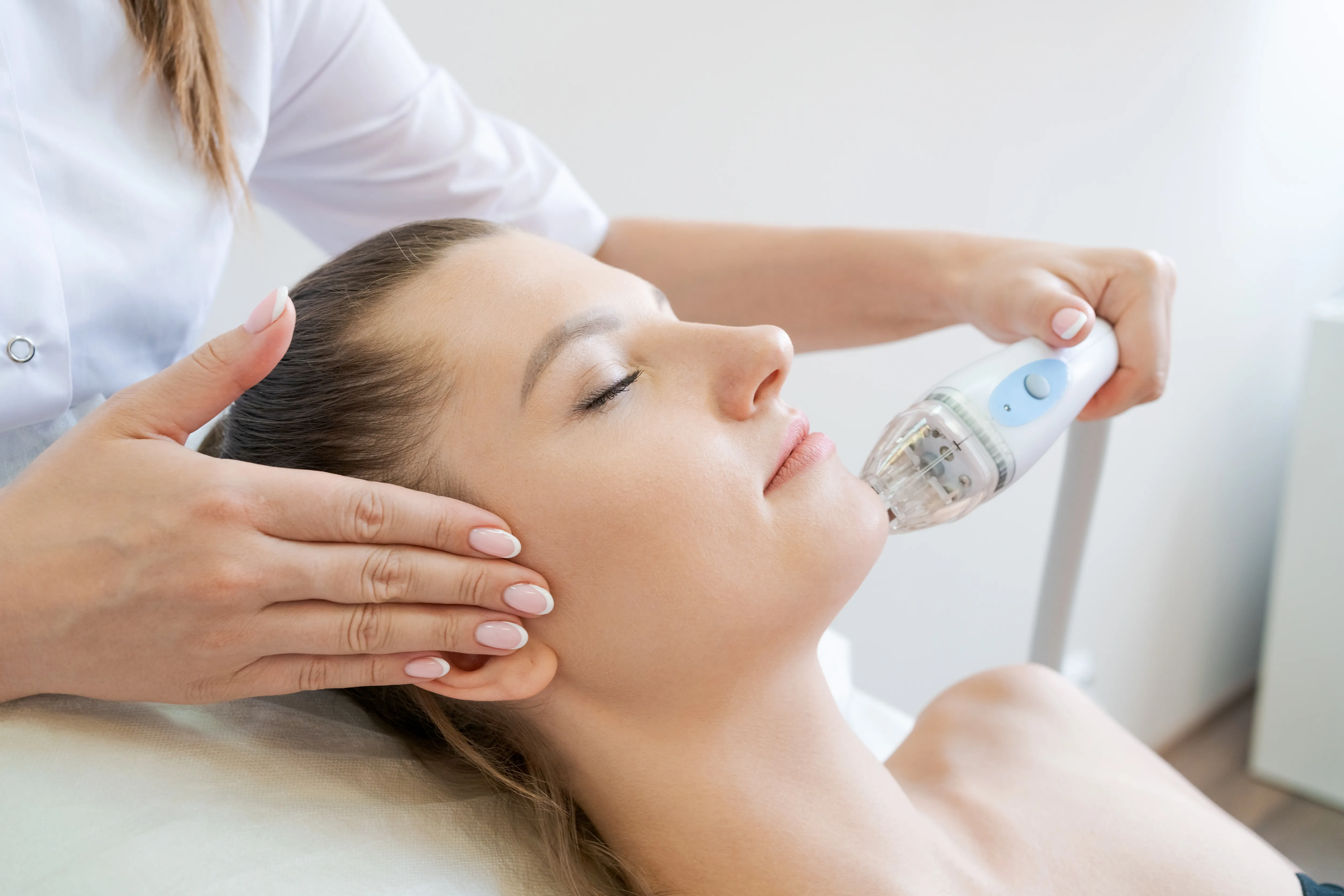
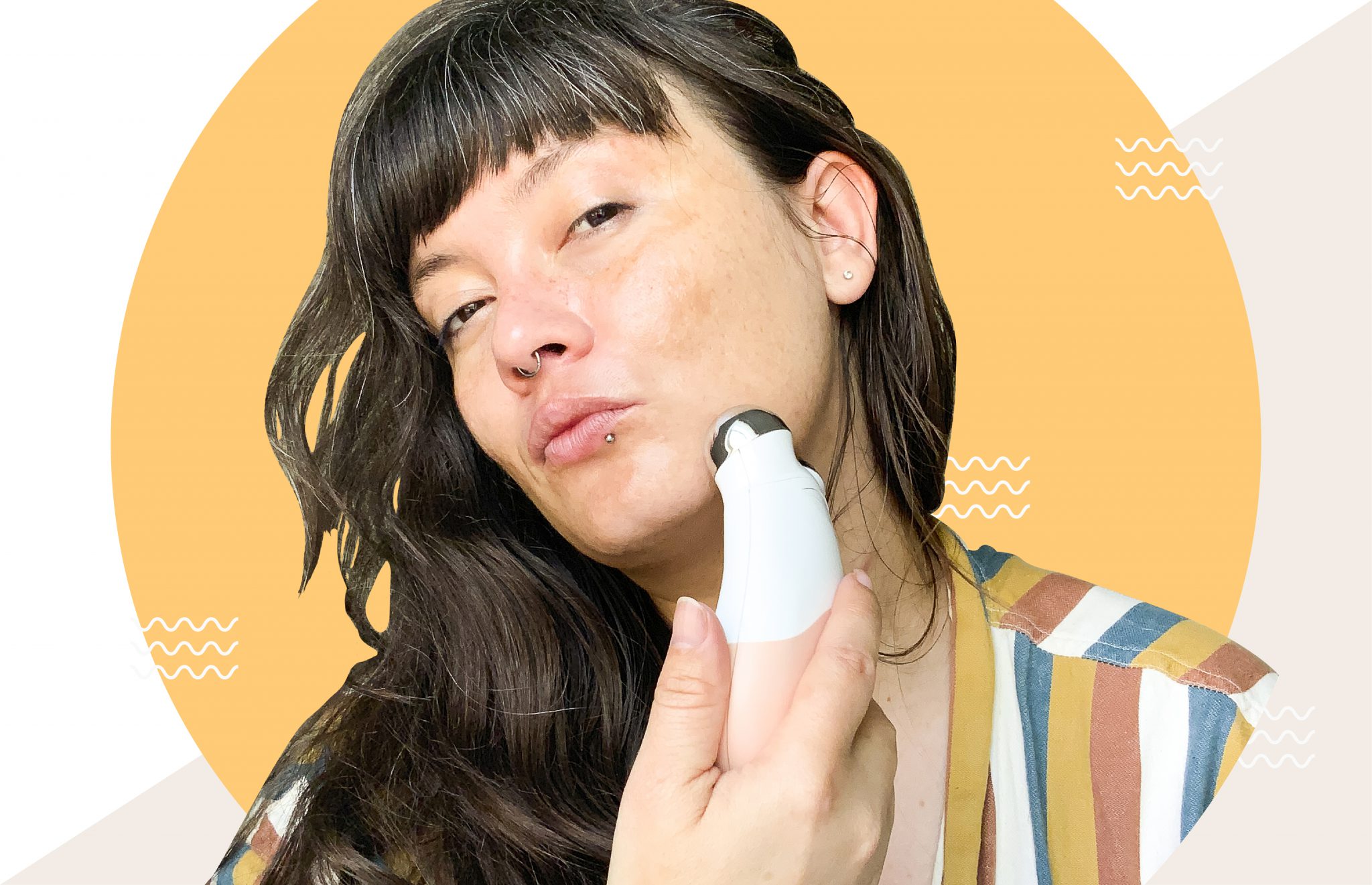
Skin toning devices are non-invasive aesthetic tools designed to firm, lift, and rejuvenate facial and body tissue by delivering targeted energy into the dermal and muscular layers. These devices utilize modalities such as microcurrent, radiofrequency, electrical muscle stimulation, and light therapy to stimulate cellular metabolism, collagen production, and muscle contraction. When integrated into a consistent routine with appropriate conductive mediums, at-home skin toning devices provide measurable improvements in skin contour, elasticity, and overall structural integrity.
Disclaimer: This guide is intended for educational purposes only and does not constitute medical or dermatological advice. Individuals with underlying health conditions, medical implants, or pregnancy should consult a qualified physician or board-certified dermatologist prior to using energy-based personal care devices.
Understanding Skin Toning Technology: How At-Home Modalities Work
Modern non-invasive skin toning relies on distinct physical modalities, each interacting with biological tissue at specific depths and energy levels. Selecting the appropriate device requires understanding how these technologies function beneath the epidermis.
- EPIDERMIS: Photobiomodulation (LED Light Therapy)
- DERMIS: Radiofrequency (RF) Thermal Collagen Remodeling
- SUBQ / SMAS: High-Intensity Focused Ultrasound (HIFU)
- MUSCLE LAYER: Microcurrent & Electrical Muscle Stimulation (EMS)
Microcurrent Technology
Microcurrent devices deliver low-level electrical currents—typically ranging between 10 microamps ($\mu\text{A}$) and 500 $\mu\text{A}$—that mimic the human body's natural bioelectric signals. This electrical stimulation operates primarily at the cellular level. Research indicates that microcurrent stimulation increases intracellular adenosine triphosphate (ATP) production by up to 500%. ATP acts as the primary energy currency for cellular functions, accelerating protein synthesis, tissue repair, and amino acid transport. Furthermore, microcurrent re-educates underlying facial muscles through mild, sub-sensory electrical pulses, promoting subtle muscle lengthening or shortening to restore structural tone.
Radiofrequency (RF) Thermal Remodeling
Radiofrequency devices transmit high-frequency electromagnetic energy (typically between 1 MHz and 5 MHz) into the dermal layer of the skin. As the electrical resistance of the tissue converts this electromagnetic energy into thermal energy, the deep dermis reaches a controlled temperature of approximately 40°C to 43°C (104°F to 109.4°F). This localized heating induces immediate contraction of existing triple-helix collagen fibers. Over a period of weeks to months, this thermal micro-injury triggers a biological wound-healing cascade known as neocollagenesis and neoelastogenesis, resulting in denser dermal tissue and increased skin tightness.
Electrical Muscle Stimulation (EMS)
Unlike microcurrent, which operates at a sub-sensory cellular level, Electrical Muscle Stimulation (EMS) utilizes higher-intensity electrical currents designed to directly trigger motor nerve depolarization. This forces visible, involuntary motor unit contractions within the facial or body musculature. By systematically contracting and relaxing targeted muscle groups—such as the zygomaticus major in the cheeks or the platysma in the neck—EMS improves muscular baseline tone and localized microcirculation, producing a temporary lifted aesthetic.
Light Emitting Diode (LED) Phototherapy
LED devices emit specific wavelengths of non-thermal light to trigger photobiomodulation within skin cells. Red light (ranging from 630 nm to 660 nm) penetrates into the mid-dermis, where it is absorbed by cytochrome c oxidase within the mitochondrial electron transport chain, boosting cellular energy and collagen synthesis. Near-infrared light (800 nm to 850 nm) penetrates deeper into tissue to reduce inflammation and accelerate deep cellular repair. Blue light (415 nm) targets porphyrins within Cutibacterium acnes bacteria, generating oxygen radicals that destroy acne-causing pathogens without damaging surrounding skin tissue.
Focused Ultrasound Technology
Ultrasound skin devices utilize low-frequency micro-vibrations or High-Intensity Focused Ultrasound (HIFU) to deliver acoustic energy deep into the skin. While clinical-grade ultrasound reaches the Superficial Muscular Aponeurotic System (SMAS) layer, consumer-grade at-home ultrasound devices focus on lower energy thresholds. These acoustic waves induce mechanical friction and mild thermal effects, promoting cellular turnover, improving vascular permeability, and enhancing the transdermal delivery of topical active ingredients.
Modality Comparison: Technical Specifications and Primary Use Cases
Choosing the right skin toning device depends on identifying the precise tissue layer and skin condition you intend to target. The following table provides a structural comparison of the primary energy modalities available in consumer skin toning equipment.
| Modality | Energy Source | Target Depth | Primary Skin Concern | Recommended Usage Frequency | Conductive Gel Required? |
|---|---|---|---|---|---|
| Microcurrent | Low-amperage electrical current ($10\text{–}500\ \mu\text{A}$) | Facial musculature & cellular dermis | Loss of facial contour, mild laxity, dullness | 3 to 5 times per week | Yes (Water-based gel mandatory) |
| Radiofrequency (RF) | Electromagnetic thermal energy (1–5 MHz) | Mid-to-deep dermis (1.5–4.0 mm) | Skin sagging, deep wrinkles, loss of elasticity | 2 to 3 times per week | Yes (RF gel or glycerin medium) |
| Electrical Muscle Stimulation (EMS) | Intermittent neuromuscular current | Deep facial & body muscles | Muscular sagging, heavy jawline, loss of tone | 2 to 3 times per week | Yes (Hydrating gel medium) |
| LED Phototherapy | Non-thermal narrow-band light (415–850 nm) | Epidermis to upper dermis (0.5–3.0 mm) | Fine lines, uneven tone, acne, inflammation | 3 to 7 times per week | No (Clean, bare skin preferred) |
| Targeted Ultrasound | High-frequency acoustic waves (1–3 MHz) | Dermis and upper subcutaneous tissue | Texture refinement, localized tissue firmness | 1 to 2 times per week | Yes (Acoustic coupling gel) |
Clinical Efficacy and Real-World Expectations
Understanding the timeline and magnitude of results is essential when adopting at-home non-invasive skin devices. Consumer skin toning devices operate within strict regulatory power limits to ensure user safety outside clinical settings.
Short-Term vs. Long-Term Biological Changes
The effects of skin toning devices fall into two distinct physiological categories:
- Immediate (Transient) Effects: Microcurrent and EMS devices yield immediate, temporary lifting and depuffing effects due to transient muscle engagement and accelerated lymphatic drainage. Similarly, initial radiofrequency treatments cause temporary contraction of existing collagen hydrogen bonds, yielding a mild tightening effect that typically lasts 24 to 48 hours.
- Cumulative (Structural) Effects: True dermal remodeling and cellular conditioning require sustained, repeated application. Neocollagenesis induced by RF devices typically takes 4 to 12 weeks to manifest as newly synthesized type I and type III collagen fibers mature. Microcurrent requires ongoing usage to maintain baseline cellular ATP enhancement and muscular re-education.
Timeline of Biological Adaptation:
- Week 1–2: Improved localized blood flow, immediate temporary muscle tonus, enhanced lymphatic drainage.
- Week 3–6: Fibroblast activation, sustained cellular ATP enhancement, micro-texture refinement.
- Week 7–12+: Dermal matrix thickening, structural collagen remodeling, visible firming of facial contours.
In-Office Procedures vs. Consumer Devices
At-home devices do not match the intensity of professional clinical equipment. For example, clinical radiofrequency machines or micro-focused ultrasound systems (such as Ultherapy) deliver higher energy density under medical supervision, often requiring only one treatment per year. Consumer devices utilize lower output parameters—such as lower wattage, controlled temperature caps, and reduced microamperage—requiring frequent, routine application over extended periods to achieve cumulative aesthetic improvements safely.
Step-by-Step Protocol: How to Safely Use a Skin Toning Device
Adhering to a standardized operational procedure maximizes energy delivery into target tissues while protecting the protective barrier of the skin.
- Step 1: Cleanse Skin completely (Remove oil/makeup)
- Step 2: Apply Conductive Medium evenly across target zone
- Step 3: Execute Systematic Upward & Outward Glides
- Step 4: Cleanse Residual Gel & Inspect Tissue
- Step 5: Apply Hydrating Serums, Barrier Cream & Sunscreen
Phase 1: Pre-Treatment Preparation
- Thorough Cleansing: Wash the face with a gentle, oil-free cleanser. Residual oils, silicone, or heavy moisturizers act as electrical insulators, reflecting microcurrent or RF energy and rendering the treatment ineffective.
- Conductive Gel Application: Apply an even layer of specialized, water-based conductive gel to the specific area being treated. Never attempt to use microcurrent, EMS, or ultrasound devices on dry skin, as this can cause painful stinging, epidermal arching, or superficial burns.
- Patch Testing: Perform a 60-second patch test on the inner arm or jawline when using a new device or conductive medium to verify tissue tolerance and ensure no allergic contact dermatitis occurs.
Phase 2: Device Application Technique
- Contact Maintenance: Ensure both treatment spheres or electrodes remain in direct, continuous contact with the skin surface throughout each stroke.
- Vector Movement: Glide the device slowly in upward and outward directions, following key anatomical facial vectors:
- Jawline: From the center of the chin upward along the mandible toward the earlobe.
- Cheeks: From the nasolabial fold outward across the zygomatic arch toward the temple.
- Forehead: From the eyebrow ridge upward toward the hairline.
- Speed and Pressure: Maintain light to moderate pressure. Never drag or stretch the skin aggressively. For radiofrequency devices, keep the probe moving continuously to avoid localized heat accumulation and thermal hot spots.
Phase 3: Post-Treatment Care
- Removal of Medium: Gently wipe away residual conductive gel using a damp microfiber cloth or rinse with lukewarm water.
- Barrier Restoration: Apply a soothing serum containing hyaluronic acid, niacinamide, or ceramides to replenish moisture. Avoid applying high-strength exfoliants (such as glycolic acid, salicylic acid, or prescription retinoids) immediately after thermal RF treatments to avoid compromising the moisture barrier.
- Sun Protection: Daily application of a broad-spectrum sunscreen with SPF 30 or higher is mandatory, as post-treatment tissue remains sensitive to ultraviolet damage.
Safety Standards, Contraindications, and Common Mistakes
While consumer-facing aesthetic equipment undergoes safety testing to meet regulatory standards, incorrect operational methods or disregard for contraindications can cause adverse reactions.
Material Health Contraindications
Do not use microcurrent, EMS, or RF devices if any of the following medical criteria apply:
- Implanted Electronic Devices: Cardiac pacemakers, internal defibrillators, or deep brain stimulators can be disrupted by external electrical fields.
- Pregnancy and Lactation: Safety parameters for fetal development have not been established for electrical or electromagnetic modalities.
- Metallic Implants: Facial metal plates, screws, or dental implants located near the treatment site can concentrate electrical or thermal energy, causing discomfort or localized heat accumulation.
- Active Skin Conditions: Open wounds, active acne lesions, severe rosacea flare-ups, eczema, psoriasis, or active herpes simplex infections must be completely healed before treatment.
- Neurological Conditions: Individuals with a history of epilepsy or seizure disorders should avoid electrical stimulation devices around the neck and head.
Critical Errors to Avoid
| DRY GLIDING | STATIONARY RF PLACEMENT |
|---|---|
| Using electrical devices without gel causes stinging & skin sparks. | Holding thermal probes in one spot can induce epidermal burns. |
| OVER-TREATMENT | INCOMPATIBLE ACTIVE INGREDIENTS |
| Exceeding daily time limits causes muscle fatigue & barrier damage. | Applying harsh acids before energy delivery increases irritation. |
- Dry Gliding: Attempting to operate microcurrent or EMS devices without a proper conductive gel breaks electrical continuity, resulting in superficial discomfort and zero energy transmission to underlying target tissues.
- Stationary RF Placement: Pausing a radiofrequency device over a single point on the face can cause rapid focal heating exceeding 45°C, risking epidermal burns or subcutaneous fat necrosis.
- Over-Treatment: Using devices longer or more frequently than recommended by the manufacturer does not speed up results. Overusing EMS can lead to facial muscle exhaustion, while excessive RF usage can cause chronic low-grade inflammation and barrier impairment.
- Improper Gel Selection: Using oil-based gels or heavy creams with microcurrent devices blocks current transmission. Always select water-based formulas engineered for conductive compatibility.
How to Select the Right Skin Toning Device for Your Skincare Goals
Selecting an effective skin toning device requires aligning the technology's operational depth with your specific aesthetic goals, skin maturity, and daily routine.
Determine Primary Concern:
- Skin Laxity & Deep Wrinkles: Select Radiofrequency (RF)
- Contour Loss & Muscle Sagging: Select Microcurrent or EMS
- Surface Texture & Fine Lines: Select Red/NIR LED Therapy
- Dullness & Product Absorption: Select Low-Frequency Ultrasound
Primary Concern Alignment
- For Loss of Firmness and Jawline Definition: Prioritize Microcurrent or EMS. Microcurrent re-educates underlying muscle tone and boosts cellular energy, while EMS offers active physical muscle engagement for immediate lift.
- For Sagging Skin, Laxity, and Deep Creases: Choose Radiofrequency (RF). Thermal energy reaches into the dermis to contract weak collagen networks and stimulate new collagen production over time.
- For Surface Texture, Mild Lines, and Inflammation: Select Red/Near-Infrared LED Phototherapy. LED light provides non-thermal cellular support suitable for sensitive skin or those unable to tolerate electrical stimulation.
Regulatory Clearances and Device Engineering
When purchasing a skin toning device, evaluate the following regulatory and mechanical indicators:
- Regulatory Approval: Look for devices with official safety clearances, such as FDA 510(k) Clearance in the United States or CE Mark certification in Europe. Clearance indicates that the device has undergone testing for electrical safety, bio-compatibility, and output stability.
- Built-In Safety Sensors: High-quality RF devices feature integrated thermal sensors that automatically shut off energy delivery if the skin's surface temperature exceeds safe thresholds (typically 42°C to 43°C).
- Ergonomic Probe Design: Ensure probe shapes fit the contours of your target zones (such as smaller dual-spheres for orbital bones or broad flat probes for cheeks and forehead).
Frequently Asked Questions
How long does it take to see results from an at-home skin toning device?
Immediate temporary results, such as reduced facial puffiness and subtle muscle elevation from microcurrent or EMS, are often visible right after a single session. However, structural skin changes driven by collagen synthesis—such as those triggered by radiofrequency or LED phototherapy—typically require consistent use over 6 to 12 weeks.
Can at-home skin toning devices replace clinical in-office procedures?
No, at-home skin toning devices are designed to complement, maintain, or extend the results of professional treatments rather than replace them. Clinical procedures utilize higher energy densities and deeper target depths under professional oversight. At-home devices offer a lower-energy, lower-risk alternative that relies on frequent application for steady maintenance.
Is conductive gel strictly necessary for microcurrent and radiofrequency devices?
Yes, water-based conductive gel is mandatory for microcurrent, EMS, and radiofrequency devices. Water and electrolytes inside the gel facilitate continuous energy transmission from the device probes into the target tissue layers. Using these devices on dry skin causes painful electrical arcing, superficial burning, and prevents the energy from reaching dermal or muscular structures.
Are at-home skin toning devices safe to use every day?
Frequency depends on the modality used. LED phototherapy devices are generally safe for daily application because they deliver gentle, non-thermal light. Microcurrent devices can be used 3 to 5 times per week. However, radiofrequency and EMS devices should typically be limited to 2 to 3 sessions per week to allow muscular and dermal tissues sufficient recovery time between applications.
Can different skin toning modalities be combined in a single skincare routine?
Yes, modalities can be safely combined when used in the correct sequence. A standard multi-modality regimen involves performing thermal radiofrequency first to heat the dermis, followed by microcurrent to lift and tone the underlying facial muscles, and finishing with LED phototherapy to calm the skin and reduce post-treatment redness. Always follow individual manufacturer guidelines regarding combined usage.
Establishing an Effective Long-Term Skin Toning Strategy
To achieve lasting improvements in facial contour, density, and tissue tone, approach non-invasive skin devices as a structured, long-term commitment rather than an immediate fix.
Begin by defining your primary structural goal: target underlying facial muscle baseline tone with microcurrent or EMS, or address structural dermal collagen degradation using radiofrequency. Start your chosen routine conservative—performing treatments 2 to 3 times per week for the first 60 days to allow skin tissue and musculature to adapt. Always use a dedicated, water-based conductive medium, maintain slow upward vector movements, and follow up with barrier-supporting moisturizers and broad-spectrum sunscreen.
Once you achieve your baseline aesthetic goals, transition to a maintenance schedule of 1 to 2 sessions per week. Combining consistent device application with proven topical actives (such as retinoids, vitamin C, and hyaluronic acid) provides a comprehensive, multi-layered approach to maintaining skin health, firmness, and natural vitality.