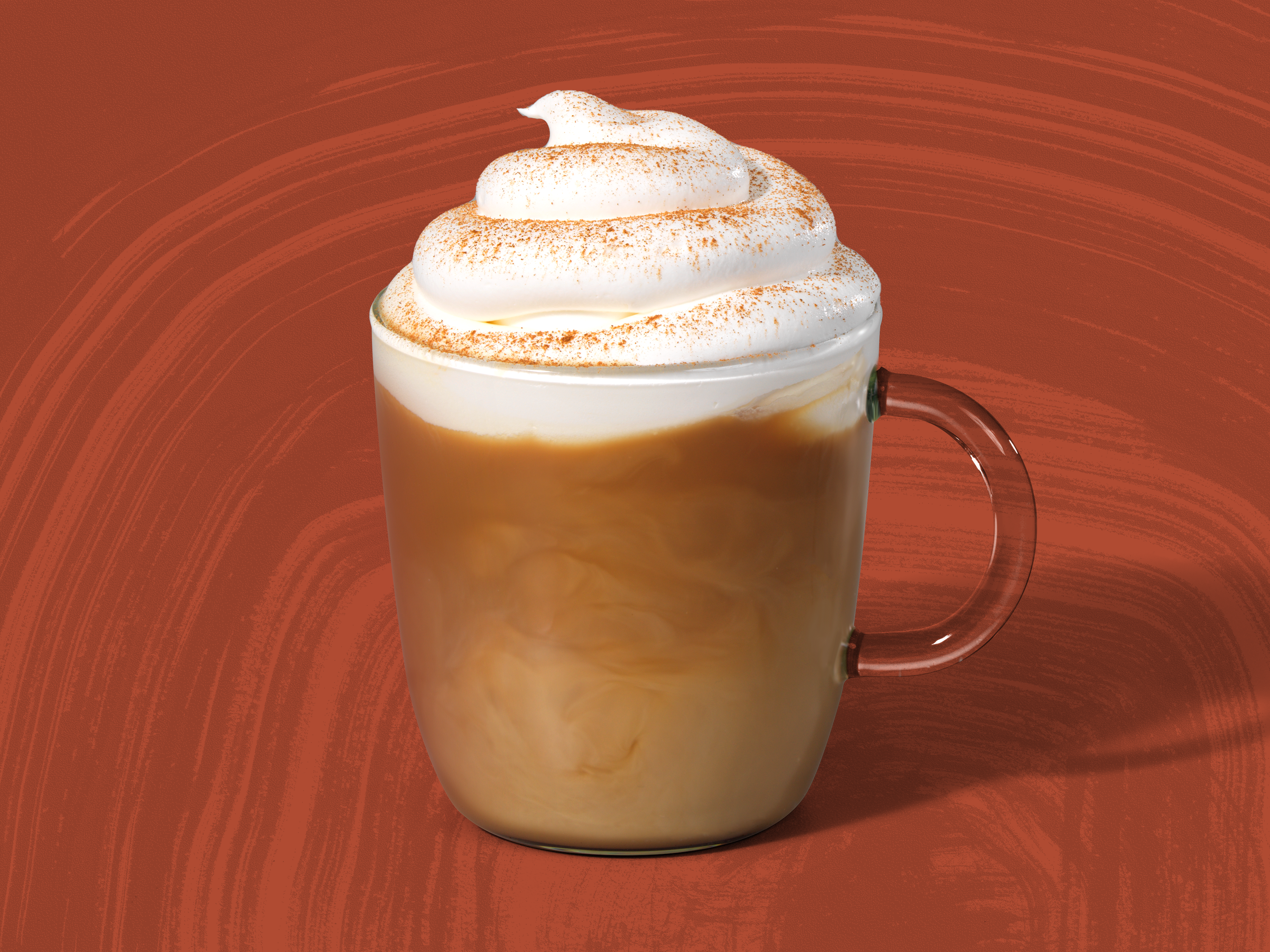
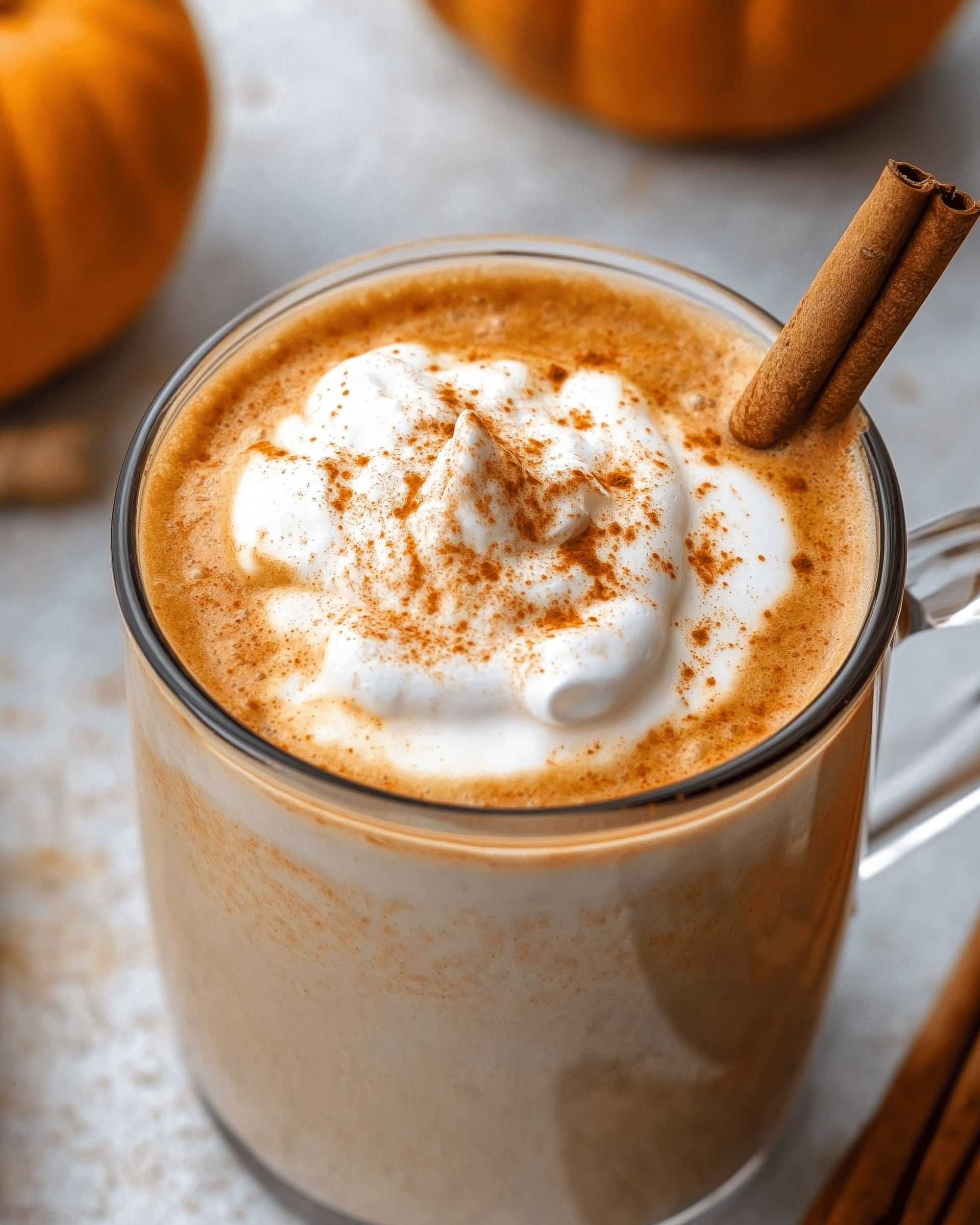
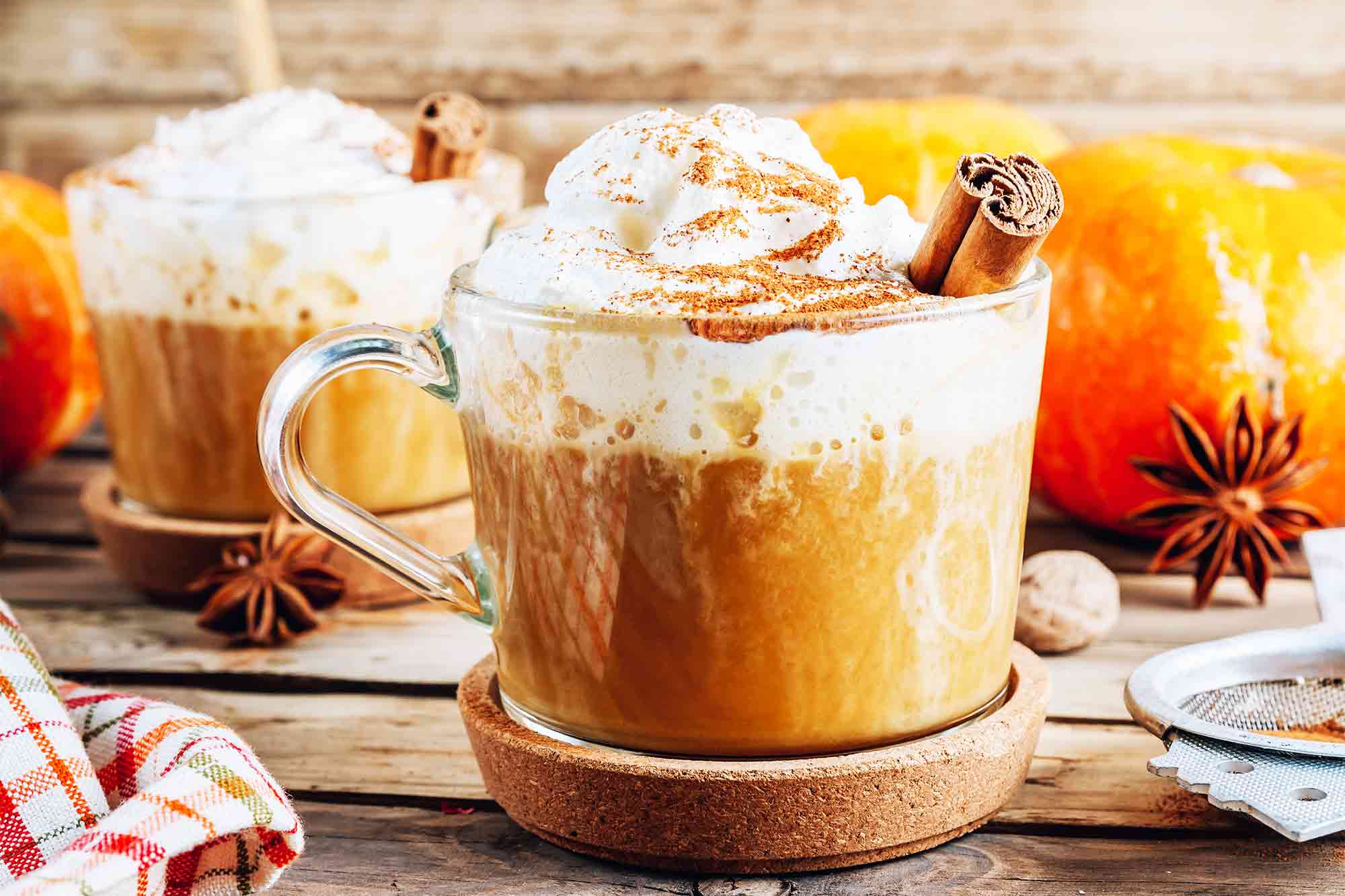
The Pumpkin Spice Latte (PSL) is a seasonal espresso beverage crafted with steamed milk, espresso, and a concentrated syrup or sauce featuring autumn spices such as cinnamon, nutmeg, clove, and ginger, typically combined with sweet pumpkin puree. First introduced by Starbucks in 2003, the drink has grown into a global cultural phenomenon, establishing the definitive flavor profile of fall for commercial chains and specialty roasters worldwide.
The Origins and Cultural Evolution of the Pumpkin Spice Latte
The creation of the Pumpkin Spice Latte dates back to the spring of 2003 inside the high-concept flavor development lab at Starbucks headquarters in Seattle, Washington. Led by product developer Peter Dukes, the team sought a fall seasonal follow-up to the highly successful Peppermint Mocha. During sensory testing, the team poured high-spice pumpkin pie fillings directly over fresh espresso shots to understand how baked-spice aromatics interacted with hot coffee oils.
After initial market testing in Vancouver and Washington, D.C., the beverage achieved immediate commercial traction. Starbucks launched the Pumpkin Spice Latte nationwide across North America in the autumn of 2004. The beverage single-handedly shifted seasonal beverage marketing, prompting global food and beverage industries to adopt "pumpkin spice" as an annual autumn retail category.
A pivotal reform in the drink's formulation occurred in 2015. Responding to consumer demand for ingredient transparency, Starbucks reformulated its proprietary sauce to include real pumpkin puree while removing artificial caramel coloring. Today, the release of the seasonal PSL menu serves as an informal cultural marker for the arrival of autumn, influencing specialty coffee shops to develop their own craft interpretations of the traditional recipe.
Deconstructing the Flavor Profile and Key Ingredients
Creating a balanced Pumpkin Spice Latte requires understanding how fat, sugar, aromatic spices, and espresso extraction interact. The classic drink balances intense sweetness and warm baked aromatics against the bitter, dark chocolate, and roasted notes of espresso.
[ Spice Matrix ] (Cinnamon, Nutmeg, Clove, Ginger) + [ Pumpkin Sauce Base ] ======> [ Integrated PSL ] (Puree, Sugars, Milk Solids) + + [ Microfoam Milk ] [ Espresso Extraction ]
The Espresso Foundation
The underlying coffee dictates the structural integrity of the drink. A dark or medium-roast espresso blend featuring South American or Asia-Pacific beans yields low acidity, full body, and notes of cocoa and toasted nuts. These characteristics cut through dense dairy fats and heavy sugars. Alternatively, using a lighter blonde roast elevates floral acidity and subtle citrus undertones, though it requires a lower sugar ratio to prevent the coffee notes from being completely obscured.
The Spice Matrix
The signature aromatic bouquet relies on a precise combination of warm baking spices:
- Cinnamon (Cinnamomum verum or cassia): Provides top-note sweetness and primary woody aromatics through the compound cinnamaldehyde.
- Nutmeg (Myristica fragrans): Delivers a bittersweet, slightly nutty aroma that bridges the coffee’s roasted qualities with the sugar base.
- Clove (Syzygium aromaticum): Adds intense, sharp warmth due to high eugenol content. It must be used sparingly to prevent overpowering the blend.
- Ginger (Zingiber officinale): Imparts a snappy, pungent back-of-throat bite that offsets rich dairy fats.
- Allspice (Pimenta dioica): Contributes complex undertones reminiscent of cardamom, pepper, and clove combined.
Milk Texturing and Alternatives
Whole milk remains the standard liquid vehicle due to its fat (approximately 3.25–3.5%) and protein balance. When heated between 140°F and 150°F (60°C to 65°C), lactose breaks down into sweeter-tasting sugars, while whey proteins stabilize microfoam structure. For plant-based alternatives, oat milk serves as the most compatible substitute because its natural maltose complements baked spice notes and produces a creamy mouthfeel comparable to whole milk. Almond milk offers a lighter body but exhibits higher acidity, which can cause curdling if mixed with highly acidic coffee concentrates.
Step-by-Step Home Barista Guide: Crafting an Authentic PSL
Making a craft Pumpkin Spice Latte at home requires building a stable spice-infused syrup base and pulling a properly ratioed espresso shot.
Prerequisites and Equipment
- Espresso machine, Moka pot, or AeroPress
- Milk steaming wand, electric frother, or French press (for frothing)
- Fine-mesh sieve
- Small saucepan
- Digital kitchen scale
Ingredients
- Espresso: 18g finely ground coffee bean matrix (yielding 36g–40g espresso liquid)
- Milk: 7–8 oz (210–240 mL) whole milk or oat milk
- Pumpkin Purée: 2 tbsp (30g) canned pure pumpkin (not pumpkin pie mix)
- Sweetener: 1.5 tbsp (22g) light brown sugar or maple syrup
- Spice Mix: 1/2 tsp ground cinnamon, 1/4 tsp ground ginger, 1/8 tsp ground nutmeg, 1/8 tsp ground clove
- Vanilla Extract: 1/2 tsp pure vanilla extract
[Step 1: Simmer Base] ---> [Step 2: Strain Sauce] ---> [Step 3: Pull Espresso] | [Step 5: Garnish & Serve] <--- [Step 4: Steam & Integrate Milk] <---'
Preparation Steps
- Prepare the Pumpkin Spice Base: Place the pumpkin puree, brown sugar, and spice mix into a small saucepan over medium heat. Cook for 2 minutes while stirring constantly. This step toasts the spices and caramelizes the sugars in the pumpkin, eliminating raw vegetal flavor notes.
- Liquefy and Strain: Whisk 2 tablespoons of milk or water into the saucepan until the mixture reaches a smooth syrup consistency. Remove from heat and stir in the vanilla extract. Pour the syrup through a fine-mesh sieve to remove large insoluble spice particulates that cause a gritty mouthfeel.
- Extract the Espresso: Pull a double shot of espresso (approx. 36–40 mL extraction) directly into a warm 12 oz mug containing 2 tablespoons of your strained pumpkin base. Stir vigorously to dissolve the syrup into the hot coffee.
- Steam and Froth the Milk: Heat your choice of milk to 145°F (63°C). Aerate the liquid to create a dense microfoam with velvet texture rather than dry, large-bubbled foam.
- Assemble the Drink: Pour the steamed milk steadily into the espresso-pumpkin mixture from a low height, allowing the milk to integrate under the crema. Top with a thin layer of microfoam, a light dollop of sweetened whipped cream, and a dusting of cinnamon or pumpkin pie spice.
Commercial vs. Homemade Nutritional Profiles
Commercial Pumpkin Spice Lattes tend to feature high caloric and sugar content due to pre-mixed, shelf-stable sweet sauces containing condensed milk and high-fructose corn syrup. Homemade or craft variations allow for precise control over sugar volume and fat ratios.
| Beverage Variant | Serving Size | Total Calories | Total Carbohydrates | Sugars | Total Fat | Protein | Caffeine Content |
|---|---|---|---|---|---|---|---|
| Starbucks Standard PSL (2% Milk, Whipped Cream) | 16 oz (Grande) | 390 kcal | 52 g | 50 g | 14 g | 14 g | ~150 mg |
| Dunkin' Pumpkin Signature Latte (Whole Milk) | 16 oz (Medium) | 420 kcal | 59 g | 55 g | 14 g | 12 g | ~166 mg |
| Craft Homemade PSL (Whole Milk, Maple Base) | 12 oz (Standard) | 210 kcal | 24 g | 21 g | 8 g | 7 g | ~130 mg |
| Low-Sugar Plant-Based PSL (Oat Milk, Stevia/Erythritol) | 16 oz (Grande) | 140 kcal | 16 g | 4 g | 5 g | 3 g | ~150 mg |
Nutritional metrics are derived from standard commercial recipe disclosures and ingredient database calculations.
To reduce sugar density when ordering commercially, request a reduction in sauce pumps (e.g., two pumps instead of the standard four for a 16 oz cup), omit the sweetened whipped cream, or opt for unsweetened plant-based milk alternatives.
Commercial Chains vs. Specialty Coffee Variations
The approach to the Pumpkin Spice Latte differs significantly between major commercial retail operations and independent specialty roasters.
Commercial Chains (Mass Consistency) Specialty Coffee (Artisanal Craft) - Pre-made, shelf-stable sauces - Small-batch, house-made syrups - Higher sweetness, heavy syrups - Lower sugar, spice-forward balance - Standardized automated espresso - Origin-selected, manual extraction
Commercial Chain Formulations
Large retail franchises prioritize consistency across thousands of locations. They utilize pasteurized, shelf-stable pumpkin sauce bases packed with stabilizers (such as potassium sorbate and mono- and diglycerides) to ensure uniform flavor and prevent separation. These recipes lean heavily on sugar to mask batch-to-batch variations in automated espresso extraction.
Specialty and Third-Wave Roasters
Third-wave cafes focus on high-grade single-origin coffees or seasonal espresso blends. Rather than masking the espresso, specialty coffee shops design pumpkin syrup recipes that complement the specific acidity, roast profile, and aroma of their coffee beans. Features of specialty preparations often include:
- Roasting Fresh Squash: Roasting local heirloom squashes (such as Sugar Pie pumpkins or Kabocha) in-house to achieve rich Maillard caramelization before pureeing.
- Whole-Spice Inclusions: Steeping whole cinnamon sticks, cracked nutmeg, star anise, and fresh ginger root directly in simple syrup, rather than using dried powder extracts.
- Alternative Sweeteners: Incorporating unrefined sweeteners like grade-A dark maple syrup, coconut sugar, or turbinado to add complexity.
Modern Offshoots: Cold Brews and Nitro Variations
As consumer preferences shift toward iced coffee options year-round, variations such as the Pumpkin Cream Cold Foam have gained popularity. Instead of heating milk with pumpkin sauce, baristas whip heavy cream or oat milk with pumpkin spice syrup to create a cold, low-density foam layered atop unsweetened cold brew or nitro coffee. This format isolates the sweetness in the top layer, letting it gradually blend into the dark coffee base as it is consumed.
Common Brewing Mistakes and Troubleshooting
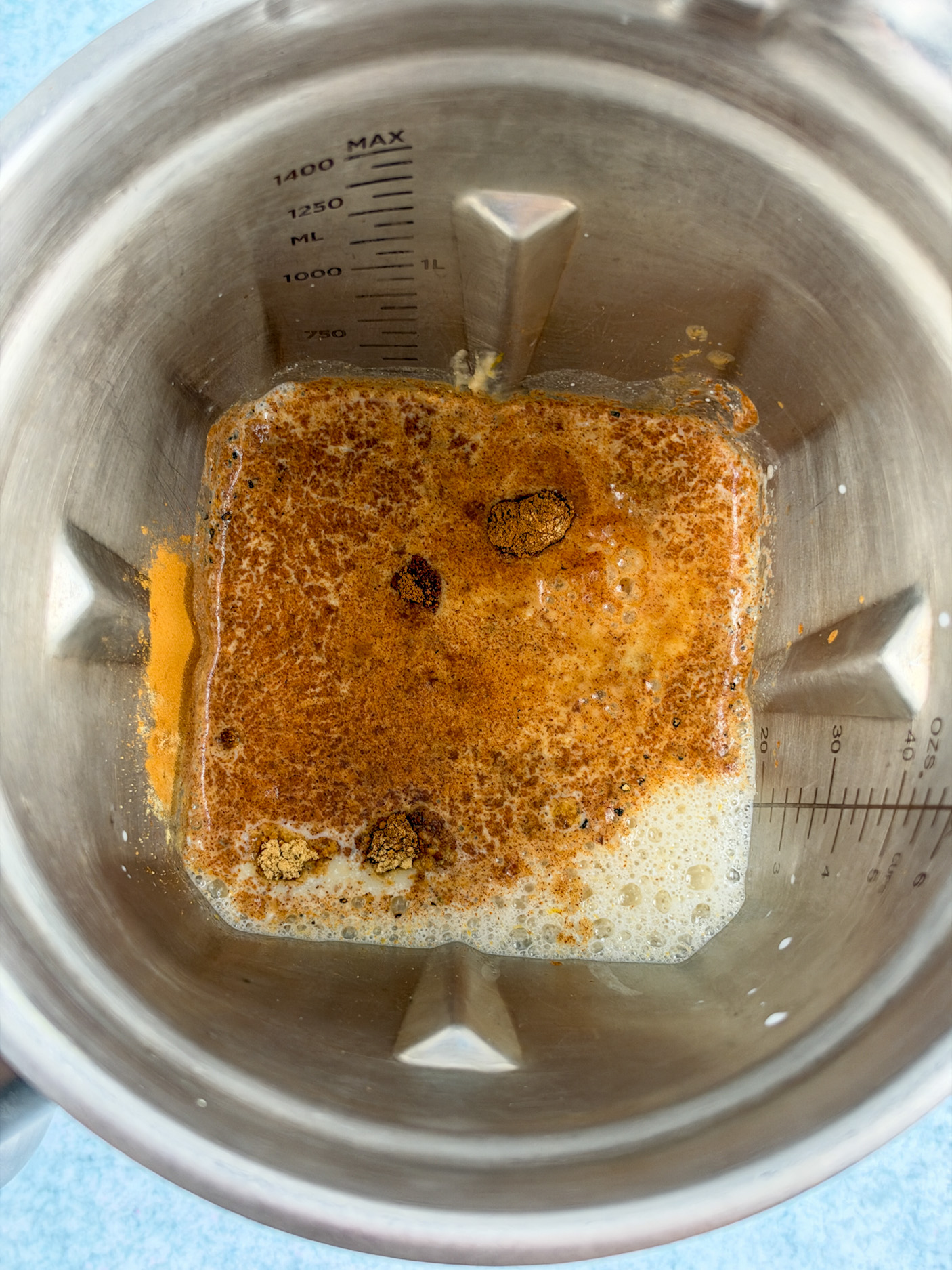
Critical Quality Factor: Never add raw ground spices directly into hot espresso without blending them into a liquid syrup base or straining them. Dry spice powders do not dissolve in water; un-strained mixtures result in a gritty texture at the bottom of the cup and accelerate milk curdling due to localized spice acidity.
Grainy Texture
- Cause: Insoluble cellulose particles from dried spices or raw pumpkin puree settling out of liquid suspension.
- Solution: Strain the syrup through a fine cheesecloth or 200-mesh sieve after heating. Alternatively, use alcohol-based liquid spice extracts instead of dry powders for a completely clear, smooth liquid texture.
Milk Curdling or Splitting
- Cause: High thermal shock combined with slight acidity from spices or light-roast espresso, causing milk proteins (casein) to coagulate.
- Solution: Never heat milk past 155°F (68°C). Add the warm pumpkin syrup into the espresso before pouring the steamed milk, ensuring the acid and sugar levels normalize within the coffee before dairy contact.
Overpowering Sweetness Obscuring Coffee
- Cause: Excess syrup volume masking delicate coffee aromatics.
- Solution: Increase the espresso extraction yield slightly or switch to a darker roast profile with higher bitterness. Reduce the syrup quantity to 15–20 mL per 150 mL of milk.
Optimizing Your Autumn Coffee Experience
To construct the ideal Pumpkin Spice Latte at home or evaluate craft offerings at specialty cafes, consider the following technical steps:
- Select the Right Beans: Choose a fresh medium-to-dark roast coffee harvested within the last 2 to 6 weeks. Look for origin notes of dark chocolate, hazelnut, caramel, or molasses.
- Batch-Prepare Fresh Sauce: Prepare a fresh batch of pumpkin syrup every 7 to 10 days. Store it in an airtight glass container under refrigeration (35°F–38°F / 1.6°C–3.3°C) to maintain aromatic volatile compounds and prevent mold growth.
- Calibrate Serving Ratios: Maintain a balanced drink architecture: 1 part espresso, 1 part pumpkin spice base, and 4 to 5 parts microfoam milk.
- Pairing Suggestions: Complement the spices by pairing your beverage with dry, buttery baked goods such as almond biscotti, warm pecan scones, or aged Gouda cheese.
Frequently Asked Questions
Does a Pumpkin Spice Latte contain real pumpkin?
Modern formulations from major chains like Starbucks (since 2015) and authentic homemade recipes contain real pumpkin puree. However, historically and in many lower-cost syrup lines, the flavor relies entirely on synthetic or natural spice extracts (cinnamon, nutmeg, clove) designed to emulate the taste of pumpkin pie rather than the vegetable itself.
How much caffeine is in a standard Pumpkin Spice Latte?
A standard 16 oz (Grande) hot Pumpkin Spice Latte containing a double shot of espresso has approximately 150 mg of caffeine. This amount varies slightly depending on coffee bean origin, roast level, and specific commercial franchise standards.
Can you make a low-sugar or keto-friendly Pumpkin Spice Latte?
Yes, a low-sugar version can be made by substituting the sugar base with keto-friendly sweeteners such as erythritol, stevia, or monk fruit extract. Combine these sweeteners with real pumpkin puree, spice extracts, unsweetened almond milk or heavy cream, and fresh espresso.
Why do ground spices sink to the bottom of the cup?
Ground spices such as cinnamon and nutmeg consist of insoluble plant cell walls that cannot dissolve in water or milk. Unless they are micro-filtered out or stabilized inside a thick sugar-emulsion syrup base, gravity causes them to settle out of suspension as the drink cools.
What is the difference between pumpkin spice syrup and pumpkin spice sauce?
Pumpkin spice syrup is a thin, water-and-sugar base infused with spice flavorings, making it easily soluble in cold beverages. Pumpkin spice sauce is a thick, dense emulsion containing milk solids, sweetened condensed milk, sugar, and real pumpkin puree, giving hot beverages a richer texture and mouthfeel.