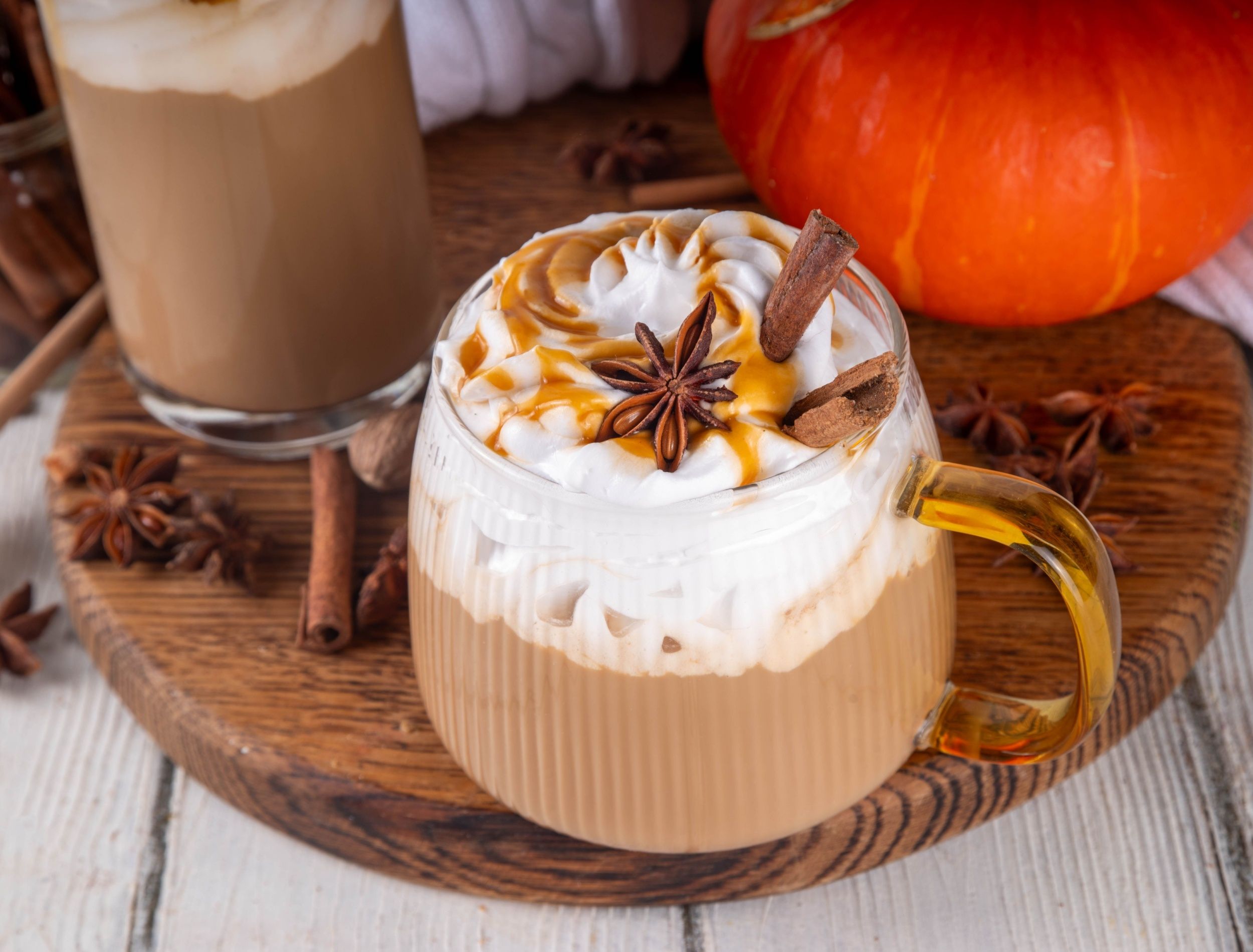
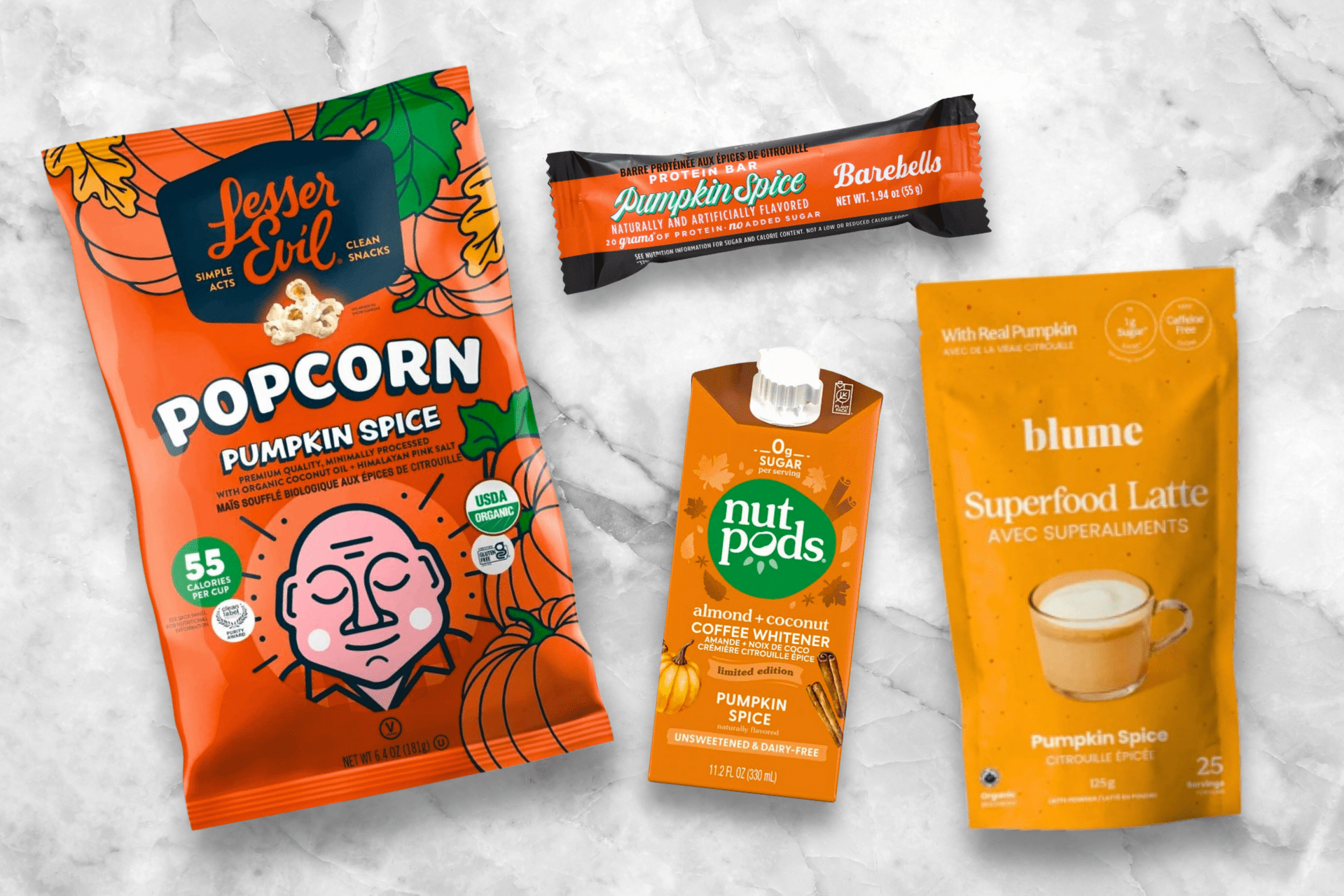
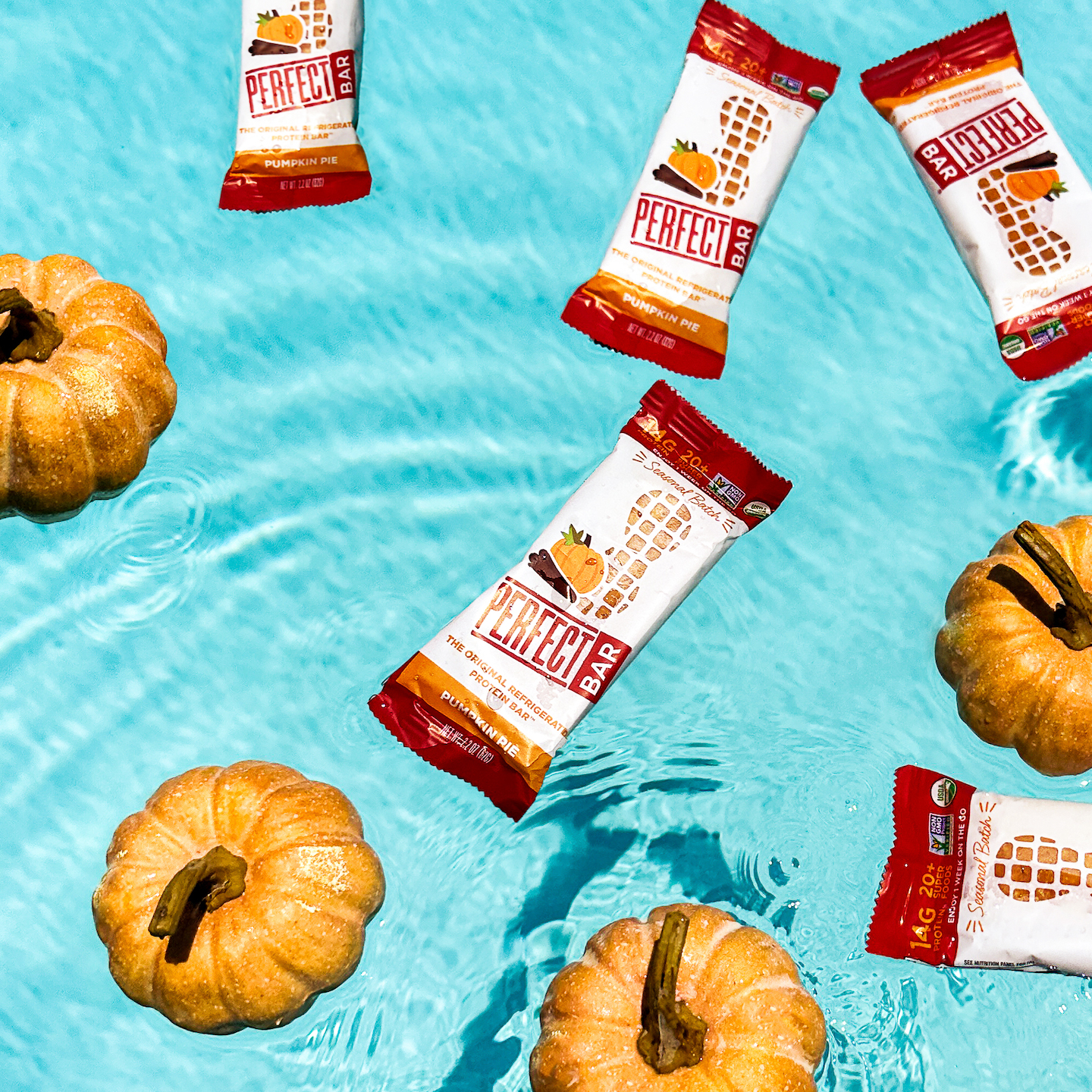
Pumpkin-flavored snacks encompass a wide range of seasonal and year-round foods infused with either real pumpkin puree, pumpkin seeds, or the aromatic spice blend known as pumpkin pie spice. This guide details the categories, flavor profiles, nutritional attributes, packaged options, and DIY preparation techniques needed to navigate the pumpkin snack landscape effectively.
Defining Pumpkin Flavor: Real Pumpkin vs. Pumpkin Spice
To evaluate pumpkin-flavored snacks accurately, consumers must distinguish between two primary flavor bases used across the food industry: actual pumpkin fruit (Cucurbita pepo or Cucurbita moschata) and pumpkin spice mixtures. While the two often overlap, their nutritional profiles and taste structures differ significantly.
Real Pumpkin Puree and Pepitas
Culinary pumpkin ingredients primarily consist of cooked, mashed pumpkin flesh or harvested pumpkin seeds (pepitas).
- Pumpkin Flesh Puree: Offers a mild, earthy, slightly sweet flavor with a rich, moist texture. It adds dietary fiber, potassium, and high concentrations of beta-carotene (provitamin A) to baked goods, dips, and yogurts without adding high calorie counts.
- Pepitas (Pumpkin Seeds): Provide a nutty flavor profile and direct structural crunch. High in plant-based protein, healthy magnesium, and zinc, pepitas appear in savory snack mixes, granola bars, and salad toppers.
Pumpkin Pie Spice Chemistry
Many products labeled "pumpkin flavored" contain no actual pumpkin fruit. Instead, they rely on a combination of warm baking spices that emulate traditional pumpkin pie. The standard compound ratio generally includes:
- Cinnamon: Provides the primary sweet, woody aroma driven by cinnamaldehyde.
- Nutmeg & Mace: Delivers warm, nutty, and slightly spicy notes via myristicin.
- Ginger: Adds a sharp, pungent bite due to gingerol compounds.
- Clove & Allspice: Contributes deep, aromatic intensity rich in eugenol.
Understanding whether a snack relies on real fruit, spice chemistry, or a combination of both helps buyers evaluate nutritional quality, allergen potential, and authentic flavor depth.
The Spectrum of Pumpkin Flavored Snacks
The market for pumpkin snacks spans multiple food categories, ranging from indulgent sweet treats to high-protein, nutrient-dense savory items.
1. Sweet Packaged Snacks and Bakery Items
Sweet pumpkin snacks dominate autumn supermarket shelves. Common formats include soft-baked cookies, wafer bars, coated pretzels, pop-up pastries, and seasonal cereals. These products typically emphasize pumpkin pie spice paired with sweet vanilla, cream cheese, or white chocolate coatings. While appealing in flavor, packaged sweet options often feature higher proportions of added cane sugar, refined flour, and hydrogenated oils.
2. Savory and Roasted Variants
Savory pumpkin snacks showcase the earthy characteristics of the squash and its seeds. Popular variations include:
- Dry-Roasted Pepitas: Seasoned with sea salt, smoked paprika, garlic powder, or cayenne pepper.
- Pumpkin Tortilla Chips and Extruded Snacks: Corn chips combined with pumpkin puree or seed flour to produce an earthy base suitable for salsa and guacamole pairing.
- Pumpkin Seed Crackers: Grain-free cracker alternatives incorporating pumpkin seed meal for enhanced structural crunch and healthy fatty acid profiles.
3. Dairy and Plant-Based Refrigerated Items
Refrigerated aisles feature functional dairy items transformed by autumn flavor profiles. Pumpkin yogurts, kefir, cottage cheese spreads, and plant-based almond or oat milks frequently incorporate blended pumpkin puree alongside natural spice extracts. These snacks generally offer balanced macronutrients, pairing natural dairy or plant proteins with fiber-dense squash.
4. Functional Foods and Protein Bars
For fitness-focused consumers, protein bars, collagen powders, and meal replacement shakes utilize pumpkin spice formulations to deliver seasonal appeal. These products typically rely on whey isolate or pea protein bases, sweetened with low-calorie agents like stevia or erythritol, and enriched with pumpkin seed protein concentrate.
Comparing Pumpkin Snack Categories
The following matrix compares common pumpkin snack categories by primary flavor profile, core ingredients, and dietary considerations.
| Snack Category | Primary Flavor Profile | Core Ingredients | Key Nutritional & Dietary Considerations |
|---|---|---|---|
| Roasted Pepitas | Nutty, savory, or mildly spicy | Whole pumpkin seeds, oil, sea salt, spices | High protein, rich in magnesium/zinc, naturally gluten-free, keto-friendly |
| Pumpkin Granola & Bars | Sweet, warm spice, toasted grain | Oats, pumpkin puree, pepitas, maple syrup, cinnamon | Moderate-to-high fiber, contains whole grains; watch for added sugar levels |
| Pumpkin Dairy / Yogurt | Creamy, tangy, sweet spice | Cultured milk or oat base, pumpkin puree, spice extracts | Source of calcium and probiotics; varies from low-sugar to dessert-level sweetness |
| Bakery & Biscuits | Sweet, rich, buttery spice | Refined or whole flour, sugar, butter/oil, pumpkin spice | Higher calorie density, lower fiber unless made with whole grain or real puree |
| Pumpkin Extruded Chips | Earthy, corn-forward, salty | Yellow corn, pumpkin powder/puree, vegetable oil, salt | Lower saturated fat than potato chips; pairs well with savory dips |
| Functional Protein Bars | Vanilla-spice, herbal, dense | Protein isolates, pumpkin seed meal, natural sweeteners | High protein (12g–20g per serving), low glycemic impact depending on sweetener |
Nutritional Profiles and Ingredient Standards
Evaluating the nutritional value of a pumpkin snack requires reading the ingredient panel to distinguish nutrient-dense foods from heavily processed confectioneries.
PUMPKIN SNACK INGREDIENT CHECK
| HIGH QUALITY INDICATORS | INFLATED CALORIE INDICATORS |
|---|---|
| • Real Pumpkin Puree / Flesh | • High Fructose Corn Syrup |
| • Whole Pumpkin Seeds/Pepitas | • Palm Kernel Oil / Fillers |
| • Natural Spices (Cinnamon) | • Artificial Colors/Flavors |
| • Low Added Sugars (< 6g) | • Refined Bleached Flour |
Positive Nutritional Components
- Dietary Fiber: Real pumpkin puree adds soluble and insoluble fiber, aiding digestion and promoting satiety.
- Micronutrients: True pumpkin-based snacks deliver carotenoids (alpha and beta-carotene), which convert to Vitamin A in the body, supporting immune health and vision.
- Essential Minerals: Seeds provide substantial daily values of magnesium, copper, manganese, and iron.
Potential Drawbacks to Monitor
- Added Sugars: Seasonal bakery products often contain between 12 to 24 grams of added sugar per serving to offset the naturally earthy taste of squash.
- Saturated Fats: Glazes, coatings, and shelf-stable fillings frequently use palm kernel oil or hydrogenated oils.
- Sodium Levels: Savory roasted seed snacks can contain excessive sodium if heavily processed with commercial seasoning blends.
Homemade vs. Store-Bought Preparation Techniques
Making pumpkin snacks at home provides full control over sweetness, ingredient quality, and dietary restrictions. Below are three distinct preparation strategies for creating fresh pumpkin treats.
Strategy 1: Stovetop Spiced Roasted Pepitas
Roasted seeds deliver maximum crunch and fresh flavor without added preservatives.
- Clean and Dry: Rinse raw pumpkin seeds thoroughly to remove stringy pulp. Pat completely dry with towels; moisture prevents crisping.
- Oil and Season: Toss 1 cup of dry pepitas with 1 teaspoon of extra virgin olive oil or avocado oil. Season with 1/2 teaspoon of coarse salt, 1/2 teaspoon of smoked paprika, and a dash of garlic powder.
- Toast: Heat a dry skillet over medium-low heat. Add seeds and stir continuously for 5–7 minutes until they pop, brown slightly, and release a nutty aroma.
- Cool: Transfer immediately to a parchment-lined tray to cool completely before storing in an airtight container.
Strategy 2: No-Bake Pumpkin Oat Energy Balls
Energy balls combine real pumpkin puree with whole grains for sustained energy release.
- Ingredients: 1.5 cups of rolled oats, 1/2 cup of real canned pumpkin puree, 1/3 cup of natural almond butter, 3 tablespoons of pure maple syrup, 1 teaspoon of ground cinnamon, 1/4 teaspoon of nutmeg, and 2 tablespoons of chia seeds.
- Procedure: Mix all ingredients in a medium bowl until a uniform dough forms. If the mixture is too wet, add an extra tablespoon of oats. Chill in the refrigerator for 30 minutes. Roll into 1-inch balls. Store chilled for up to one week.
Strategy 3: Baked Pumpkin Spice Chickpeas
For a high-protein, crunchy savory-sweet hybrid snack:
- Drain and rinse one 15-ounce can of chickpeas. Dry thoroughly using paper towels, removing any loose skins.
- Toss chickpeas with 1 tablespoon of light vegetable oil, 1 teaspoon of pumpkin pie spice, and 1 tablespoon of coconut sugar.
- Spread evenly on a baking sheet and bake at 400°F (204°C) for 35 to 40 minutes, shaking the pan halfway through, until dry and crunchy.
Frequently Asked Questions
Are pumpkin-flavored snacks generally healthy?
The health profile depends entirely on the specific product formulation. Snacks containing real pumpkin puree or whole pumpkin seeds provide valuable fiber, micronutrients, and healthy fats. However, many commercial baked goods, candies, and sweet drinks labeled "pumpkin spice" contain high amounts of added sugar, refined flour, and saturated fats with negligible pumpkin content.
Is there real pumpkin in pumpkin spice products?
Not always. "Pumpkin spice" refers to the spice mixture traditionally used to season pumpkin pies (cinnamon, nutmeg, ginger, clove, and allspice). Many packaged snacks use this aromatic blend without incorporating any actual pumpkin fruit. Check the ingredient list for "pumpkin," "pumpkin puree," or "pumpkin juice concentrate" to confirm real fruit content.
How can I find gluten-free or vegan pumpkin snacks?
Many pumpkin snacks are naturally vegan and gluten-free, such as roasted pepitas, pureed fruit pouches, and roasted vegetable chips. For packaged items like granolas, cookies, and bars, inspect certified labels for "Gluten-Free" or "Certified Vegan." Avoid products containing barley malt, wheat flour, whey, or dairy-based glazes.
Can pets safely consume pumpkin-flavored snacks?
Plain cooked pumpkin puree and plain roasted pumpkin seeds are safe and beneficial for dogs and cats in small amounts. However, commercial human pumpkin snacks should never be fed to pets. They often contain sugars, high sodium, dairy, nutmeg (which can be toxic to dogs in large amounts), or artificial sweeteners like xylitol, which is highly toxic to canines.
Practical Recommendations for Navigating Pumpkin Snacks
When selecting or making pumpkin snacks, follow these guidelines to optimize flavor and nutrition:
- Read the First Three Ingredients: If purchasing sweet snacks, select products where whole grains, real pumpkin puree, or nuts appear before refined sugar or oils.
- Balance Macronutrients: Pair high-carbohydrate pumpkin snacks (like cookies or pumpkin bread) with a source of protein or healthy fat (such as Greek yogurt or raw walnuts) to prevent sharp blood sugar spikes.
- Inspect Seed Seasonings: Check sodium content on roasted pepita packs; target options providing less than 150 mg of sodium per serving.
- Make Your Own Spice Mix: Keep a jar of custom pumpkin pie spice (4 parts cinnamon, 1 part ginger, 1 part nutmeg, 1/2 part clove) on hand to flavor oatmeal, plain yogurt, and cottage cheese without adding processed sugars.