The Olympic Closing Ceremony is the official protocol-driven and artistic finale of the Olympic Games. Governed by Rule 55 of the Olympic Charter, it combines solemn Olympic rituals—such as the parade of athletes, the lowering of the Olympic flag, the handover to the next host city, and the extinguishing of the flame—with cultural celebrations.
The Purpose and Significance of the Olympic Closing Ceremony
While the Opening Ceremony marks the formal commencement of the Olympic Games with a focus on national pride and anticipation, the Closing Ceremony serves a distinct dual purpose: celebrating the achievements of all competing athletes and providing an orderly, protocol-bound conclusion to the sporting events.
The International Olympic Committee (IOC) mandates specific elements within the Closing Ceremony to guarantee continuity across every Olympic edition, regardless of the host nation. Under the International Olympic Committee rules detailed in the Olympic Charter, the ceremony balances rigid diplomatic protocols with creative artistic freedom.
Unlike the Opening Ceremony, where delegations march strictly separated by nation, the Closing Ceremony emphasizes global unity and camaraderie. Competitors enter the stadium together as one unified body, symbolizing the spirit of peace and international friendship that underpins the Olympic Movement.
Key Protocol Elements: The Mandatory Sequence of Events
The structure of every Olympic Closing Ceremony follows a chronological sequence dictated by official IOC protocol. While host cities design their own theatrical performances, music, and light shows around these requirements, the core protocol steps remain non-negotiable.
- Entry of Flagbearers & Parade of Athletes
- Final Medal Ceremony (e.g., Marathon/Cross-Country)
- Recognition of Newly Elected IOC Athletes' Comm.
- Lowering of Olympic Flag & Playing of Olympic Anthem
- Official Flag Handover (The Antwerp Ceremony)
- Next Host City Cultural Presentation (8 Minutes)
- Official Speeches & Extinguishing of the Flame
1. The Entry of Flagbearers and Parade of Athletes
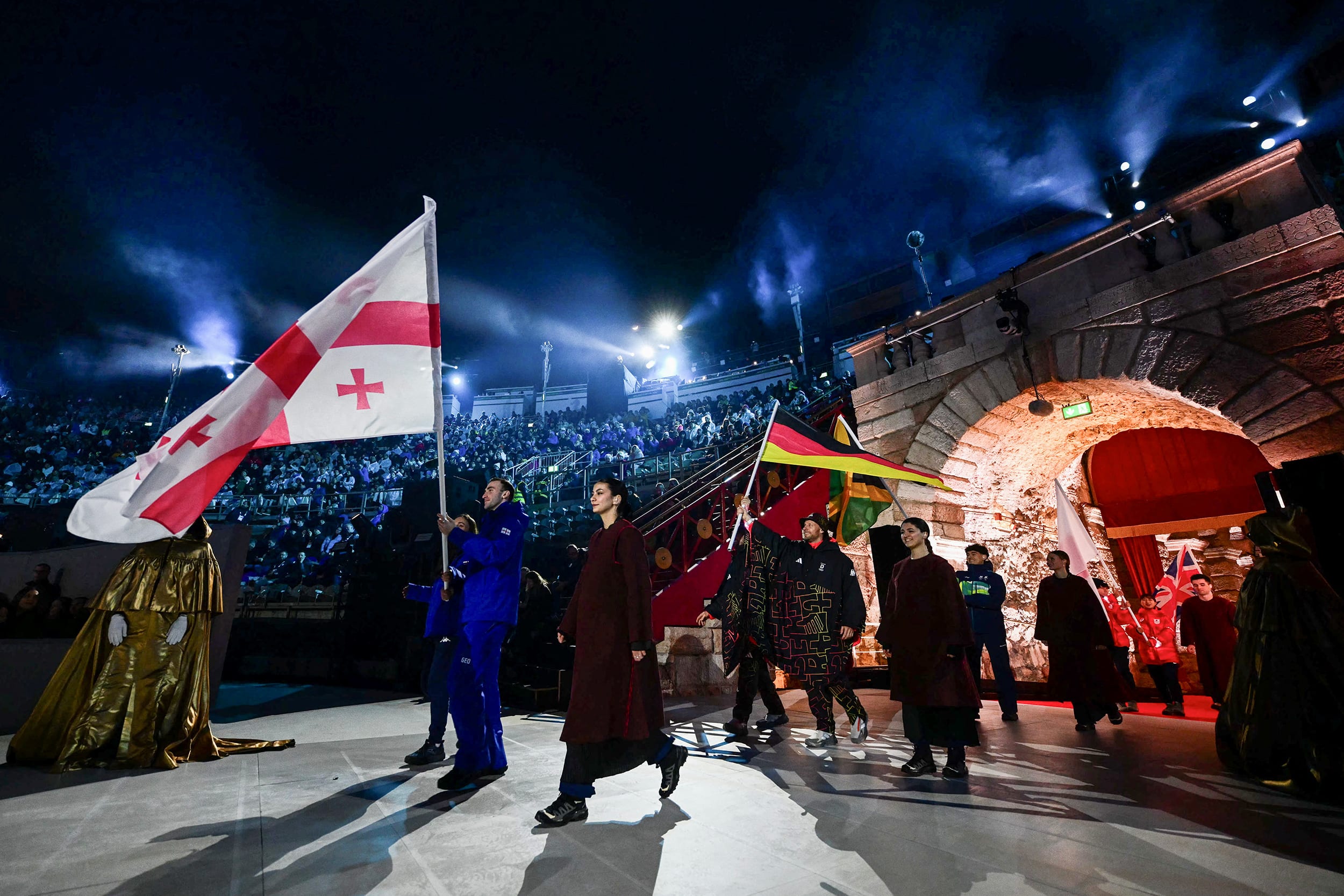
The ceremony begins with the entry of national flagbearers, followed immediately by the parade of athletes. Each participating National Olympic Committee (NOC) selects one or two flagbearers to lead their delegation into the stadium.
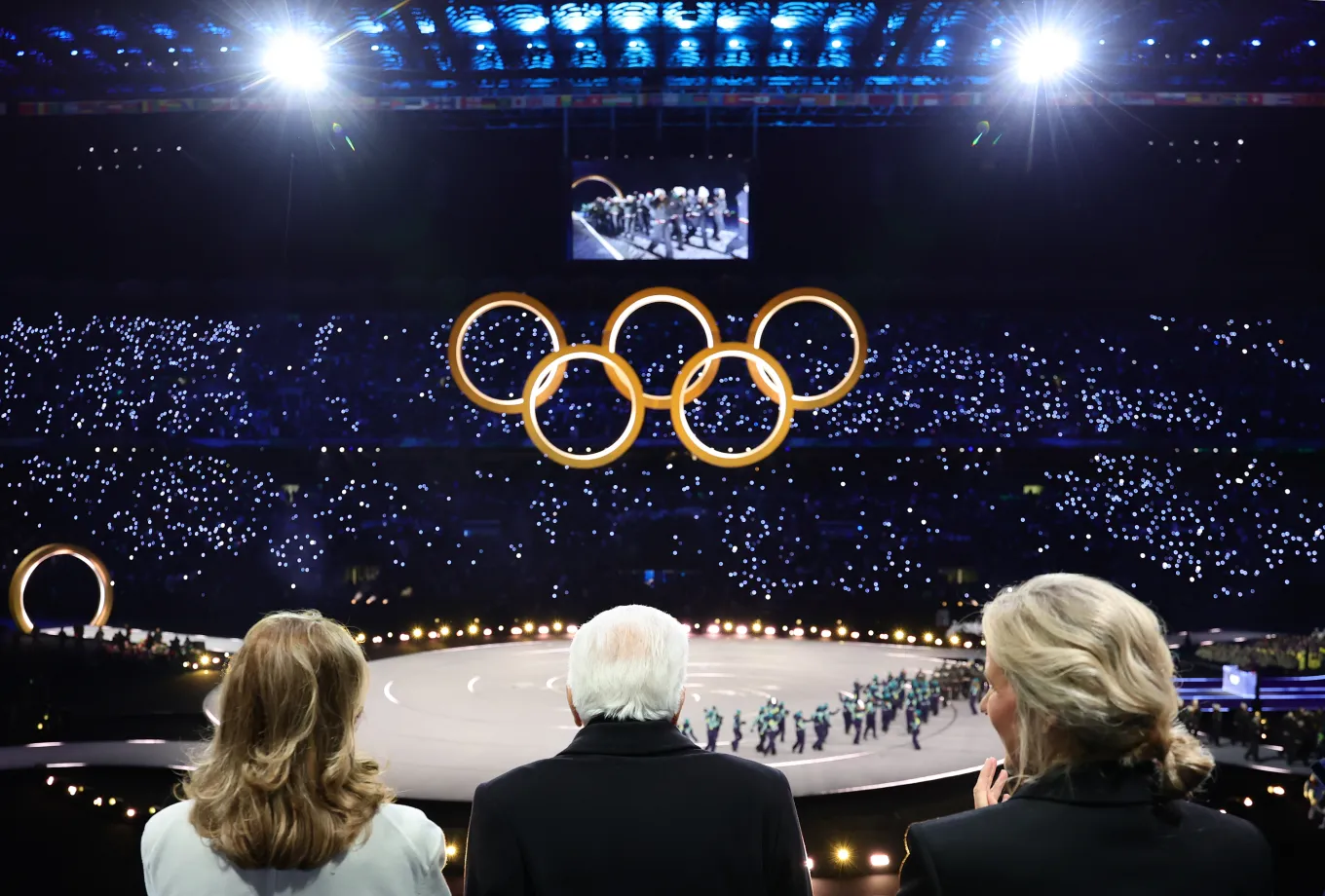
Following the flagbearers, athletes enter the stadium en masse without national distinction or alphabetical sorting. This tradition creates a celebratory, party-like atmosphere on the stadium floor where competitors mix freely, take photographs, and celebrate the conclusion of the competition.
2. The Final Victory Ceremony
By long-standing tradition, the final medal presentations of the Olympic Games take place during the Closing Ceremony.
- Summer Games: The medals for the Men’s and Women’s Marathons are traditionally awarded on the main stage before the global audience.
- Winter Games: The medals for the Men’s and Women’s 30 km / 50 km Mass Start Cross-Country Skiing events are presented.
The IOC President presents the medals alongside the president of the relevant International Sports Federation, accompanied by the raising of the medalists' national flags and the playing of the gold medalist's national anthem.
3. Recognition of Volunteers and Athletes' Commission
To honor the tens of thousands of local volunteers who support the operational success of the Games, newly elected members of the IOC Athletes' Commission present flowers or symbolic gifts to representative volunteers. This step emphasizes the community-driven effort behind organizing the event.
4. Lowering of the Olympic Flag and National Anthems
The protocol shifts to formal closure as the Greek national flag is raised to the playing of the Greek national anthem, honoring the birthplace of ancient and modern Olympics. Next, the host nation’s flag is raised, followed by the playing of the Olympic Anthem as the official Olympic Flag is slowly lowered from its flagpole and carried horizontally out of the arena.
5. The Antwerp Ceremony (Official Flag Handover)
The physical handover of the Olympic Flag represents the transfer of responsibility from the current host city to the next. The Mayor of the current host city returns the official Olympic Flag to the IOC President, who then hands it to the Mayor (or official representative) of the next host city.
Historical Context: This ritual is known as the Antwerp Ceremony because the original official flag was presented to the IOC at the 1920 Olympic Games in Antwerp, Belgium. A dedicated physical flag is passed between host cities: the Seoul Flag for the Summer Games (introduced in 1988) and the Oslo Flag for the Winter Games (introduced in 1952).
6. The Next Host City Presentation
Immediately following the flag handover, the next host city receives an eight-minute artistic segment to showcase its culture, vision, and a preview of what spectators can expect at the upcoming Games. This presentation often features artistic performances, video segments, and appearances by prominent cultural or sporting figures from the future host nation.
7. Formal Speeches and Extinguishing of the Flame
The President of the Local Organizing Committee delivers a brief farewell address, followed by the President of the IOC. The IOC President officially declares the Games closed with a standardized phrase:
"I declare the Games of the [Ordinal Number] Olympiad / [Ordinal Number] Olympic Winter Games closed, and I call upon the youth of the world to assemble four years from now to celebrate the Games."
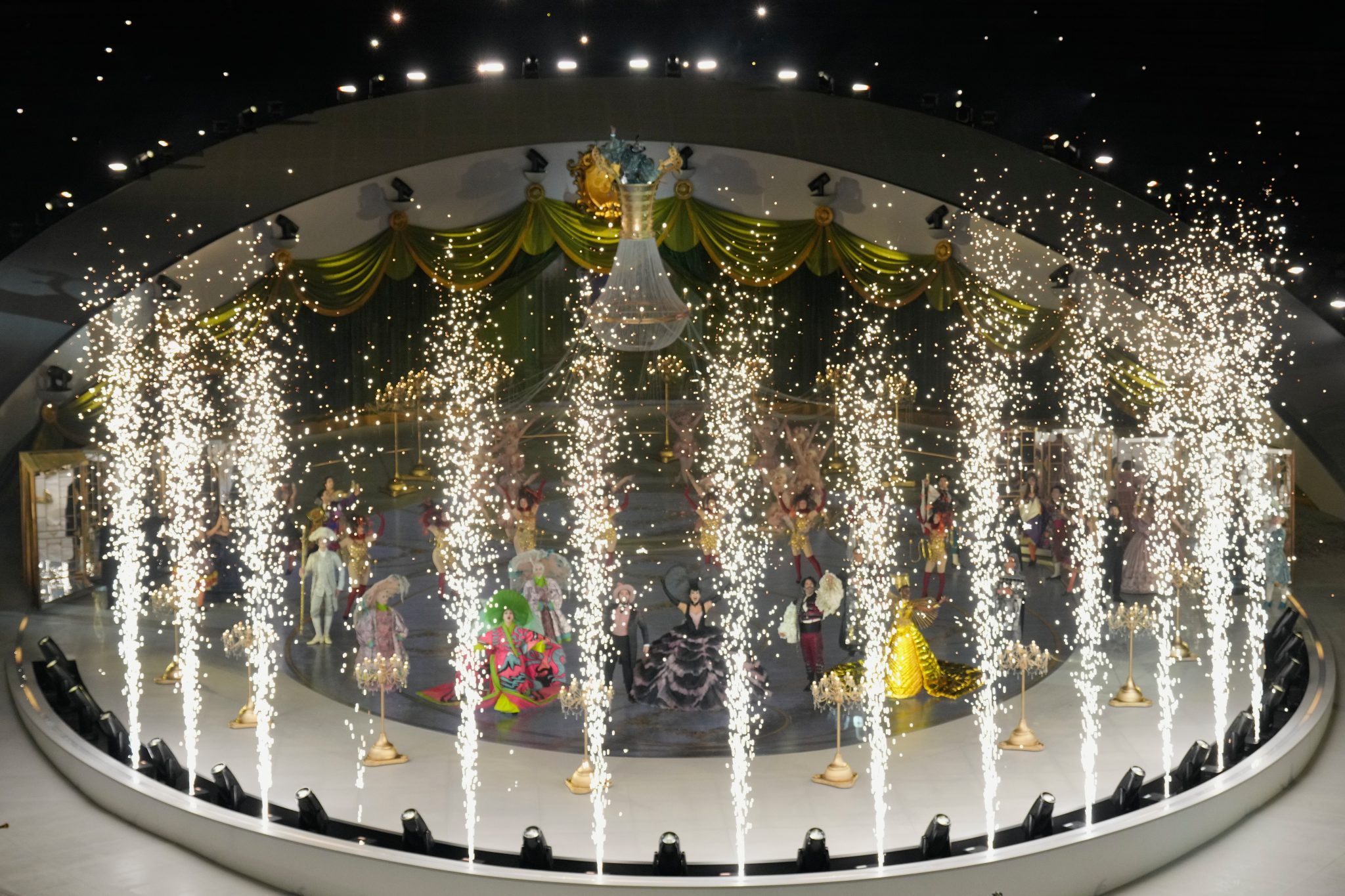
Finally, attention turns to the Olympic Cauldron. As reflective music plays, the Olympic Flame—which burned continuously throughout the Games—is extinguished, bringing the sporting event to an official end. A musical finale and fireworks display conclude the evening.
Historical Evolution of Closing Ceremony Traditions
The Closing Ceremony has undergone significant evolution since the first modern Olympic Games in Athens in 1896. Originally, closing proceedings were brief, understated athletic gatherings focused primarily on prize distributions.
- 1896 (Athens)
- Simple prize ceremony & banquet
- 1920 (Antwerp)
- First official flag handover protocol created
- 1956 (Melbourne)
- Athletes march together as one unified group
- Present Day
- Global multi-media spectacle combining protocol & artistic handover
The 1956 Melbourne Innovation
The defining characteristic of the modern Closing Ceremony—athletes walking together as a single group rather than behind national banners—was introduced at the Melbourne 1956 Olympic Games.
Prior to 1956, athletes marched strictly by country, mirroring the rigid structure of the Opening Ceremony. An Australian schoolboy named John Ian Wing sent an anonymous letter to the Olympic Organizing Committee proposing that athletes walk together to demonstrate world unity following a period of geopolitical tension. The committee adopted the idea, and it immediately became a permanent Olympic tradition.
The Evolution of the Flag Handover
The physical symbol passed during the Antwerp Ceremony has evolved to preserve historical artifacts:
- The Original Antwerp Flag: Used from 1920 through 1984 for Summer Games. It was retired after the Los Angeles Games due to wear and age.
- The Seoul Flag: Adopted at the 1988 Seoul Olympics as the new official flag for the Summer Games, featuring the five rings mounted on a white silk background.
- The Oslo Flag: Presented by the city of Oslo during the 1952 Winter Olympics and used continuously for the Winter Games handover.
Comparing the Opening and Closing Ceremonies
While both events bookend the Olympic Games, their operational focus, atmosphere, and official protocols differ substantially.
| Feature / Protocol | Opening Ceremony | Closing Ceremony |
|---|---|---|
| Primary Theme | Welcome, cultural history, formal opening | Celebration, unity, gratitude, handover |
| Athlete Parade Style | Formal entry by nation, led by Greece | Combined entry, non-alphabetical unity march |
| Flag Protocol | Raising of Host Flag & Olympic Flag | Lowering of Olympic Flag; Antwerp Handover |
| Flame Protocol | Lighting of the Olympic Cauldron | Extinguishing of the Olympic Cauldron |
| Final Medals Awarded | None | Yes (Marathon or Cross-Country Skiing) |
| Next Host Role | Minor participation | 8-minute artistic performance |
| Official Declaration | Host Head of State opens the Games | IOC President closes the Games |
| Tone & Atmosphere | Ceremonial, expectant, structured | Party-like, celebratory, emotional |
Logistics for Spectators and Live Viewers
Attending or watching the Olympic Closing Ceremony requires planning due to high global demand, strict security parameters, and complex broadcast schedules.
Ticket Purchasing and Access
Tickets for the Closing Ceremony are among the most sought-after passes of the Olympic Games, second only to the Opening Ceremony and high-profile sporting finals.
- Official Channels: Tickets must be purchased strictly through the official Olympic ticketing portal or authorized hospitality providers. Secondary third-party ticket reselling outside official platforms is illegal in most host countries and risks ticket cancellation.
- Pricing Tiers: Seats are categorized from Category A (prime seating along the lower bowl/prime viewing angles) to Category D or E (upper deck/restricted view). Prices generally range from several hundred to several thousand dollars equivalent in the host currency.
- Security Screening: Stadium entry opens three to four hours before the ceremony. Attendees must pass through airport-style security checks. Large bags, umbrellas, flagpoles over a specific length, and professional camera equipment are prohibited.
Global Broadcast Coverage
For viewers watching at home, major rightsholders manage live coverage across broadcast television and streaming platforms:
- United States: Broadcast live on NBC and streamed on Peacock, with prime-time re-broadcasts featuring tailored commentary.
- United Kingdom: Broadcast live across BBC One, BBC iPlayer, and Eurosport/Discovery+.
- Europe: Covered by national public broadcasters (such as ARD/ZDF in Germany or France Télévisions in France) alongside Eurosport.
- International: Official Olympic media partners stream live coverage in every territory worldwide. Check local listings for exact kickoff times, as ceremonies generally run between 2.5 and 3.5 hours.
Frequently Asked Questions
Why do athletes march together in the Closing Ceremony?
Athletes march together without national distinction to symbolize global unity, friendship, and peace. This tradition began at the Melbourne 1956 Games following a suggestion by John Ian Wing to demonstrate that athletes are all members of one global sporting community regardless of political borders.
What is the Antwerp Ceremony?
The Antwerp Ceremony is the formal flag handover protocol during the Closing Ceremony. The mayor of the host city hands the official Olympic Flag back to the IOC President, who then presents it to the mayor or representative of the next host city. It takes its name from the 1920 Antwerp Games, where the first official handover flag was introduced.
Which medals are traditionally awarded during the Closing Ceremony?
In the Summer Olympics, the medals for the Men's and Women's Marathons are traditionally presented during the Closing Ceremony. In the Winter Olympics, the medals for the Men's and Women's 30 km / 50 km Mass Start Cross-Country Skiing events are awarded.
Who formally declares the Olympic Games closed?
The President of the International Olympic Committee (IOC) formally declares the Games closed. As part of the declaration speech, the IOC President also calls upon the youth of the world to assemble four years later at the next host city.
How long does an Olympic Closing Ceremony typically last?
An Olympic Closing Ceremony typically lasts between 2.5 and 3.5 hours. This includes artistic performances, the athlete parade, official medal presentations, the flag handover, speeches, and the extinguishing of the flame.
How to Prepare for the Upcoming Closing Ceremony
Whether planning to attend the next Olympic Closing Ceremony in person or hosting a viewing party at home, strategic preparation ensures an optimal experience:
- Verify Official Dates and Local Time Zones: Check the official schedule published by the local organizing committee. Because ceremonies occur in the host city's local evening hours, broadcast times will vary significantly based on your home time zone.
- Secure Official Ticketing Early: If traveling to the host city, register on the official Olympic ticketing platform months in advance to participate in ticket draws or public sale phases.
- Review Venue Logistics: Spectators attending live should utilize public transit, as private vehicle drop-offs and parking near the main stadium are heavily restricted. Download the official Games app for real-time gate information and stadium maps.
- Familiarize Yourself with the Handover Host: Research the next host city's preview segment to understand the cultural themes and artistic performance presented during their 8-minute showcase.