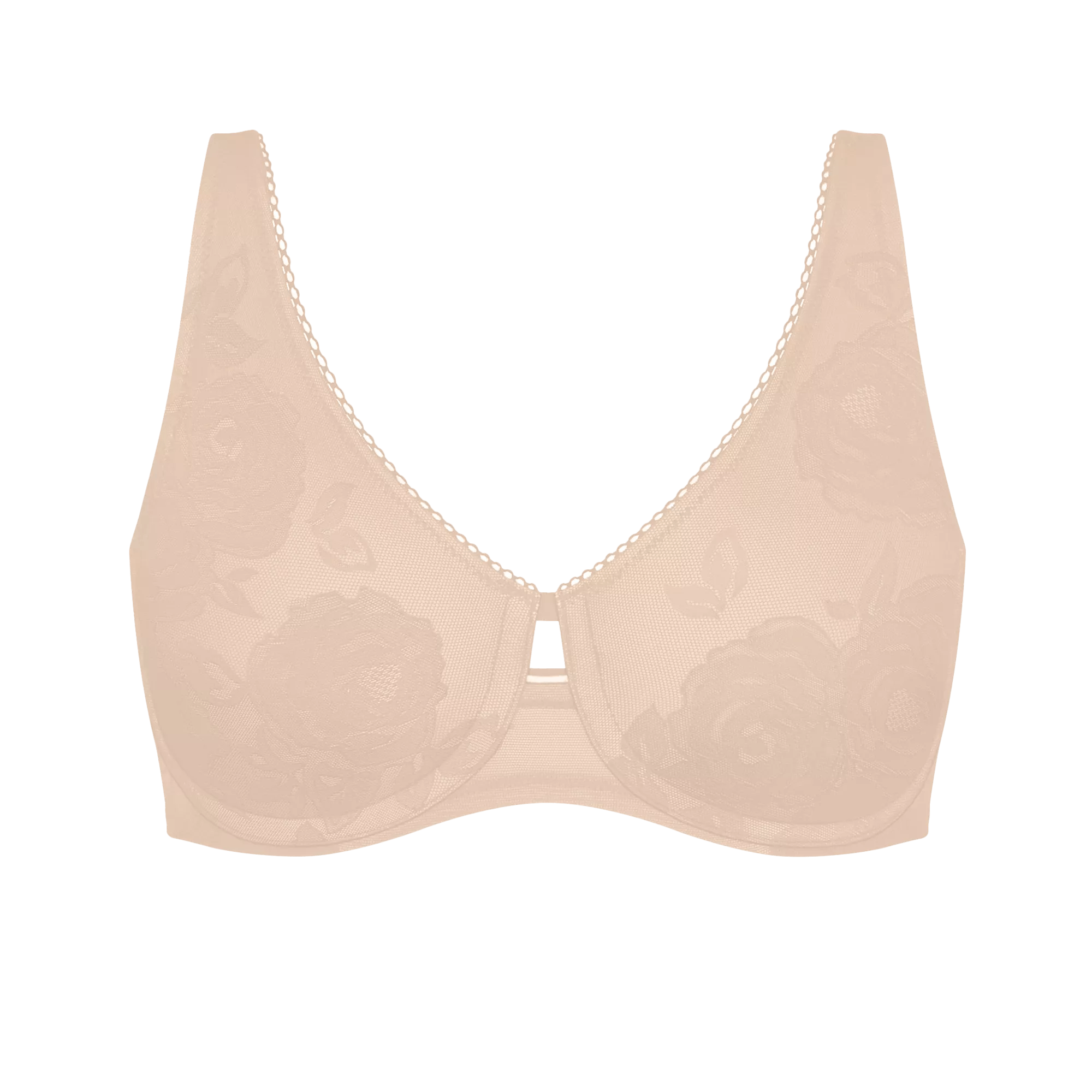
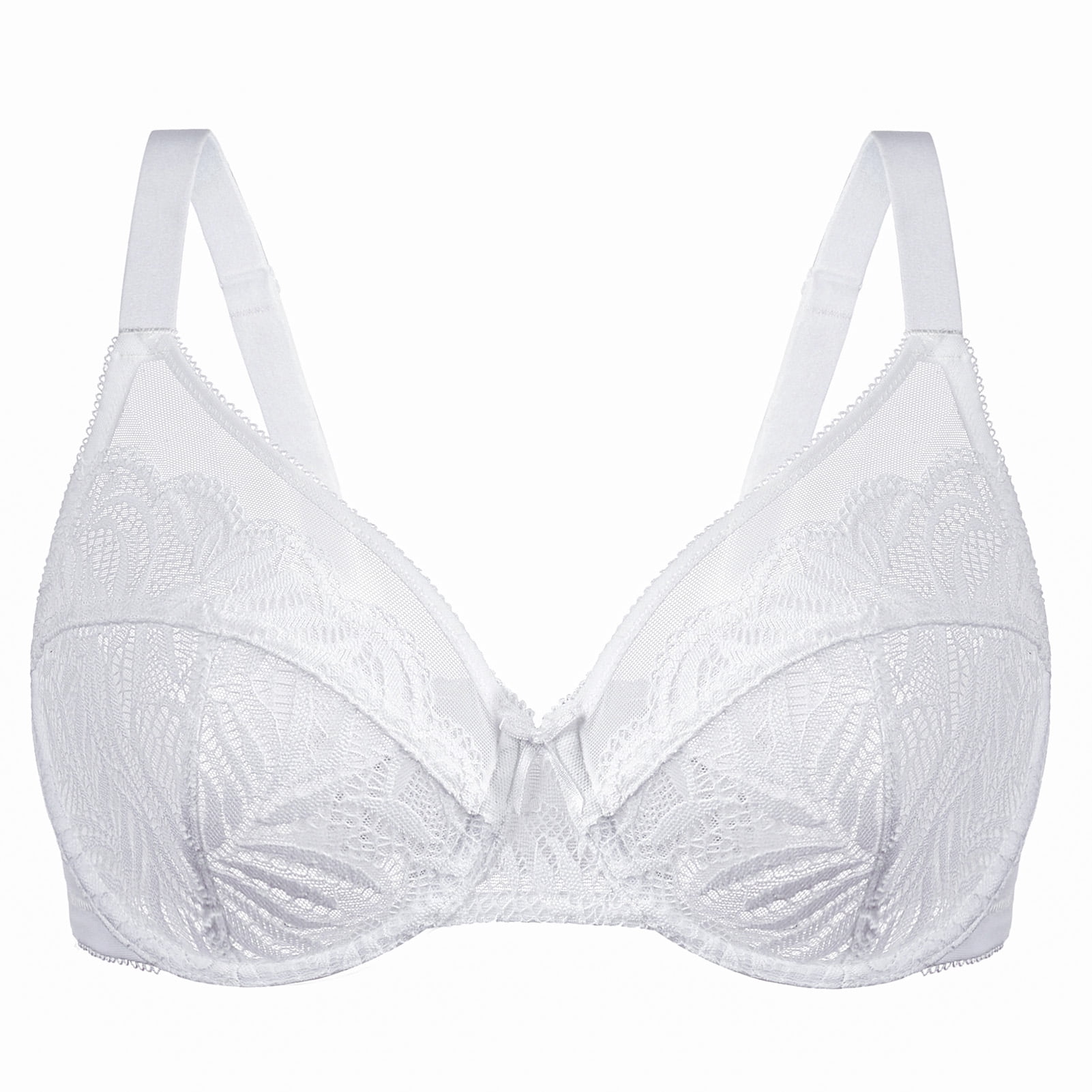
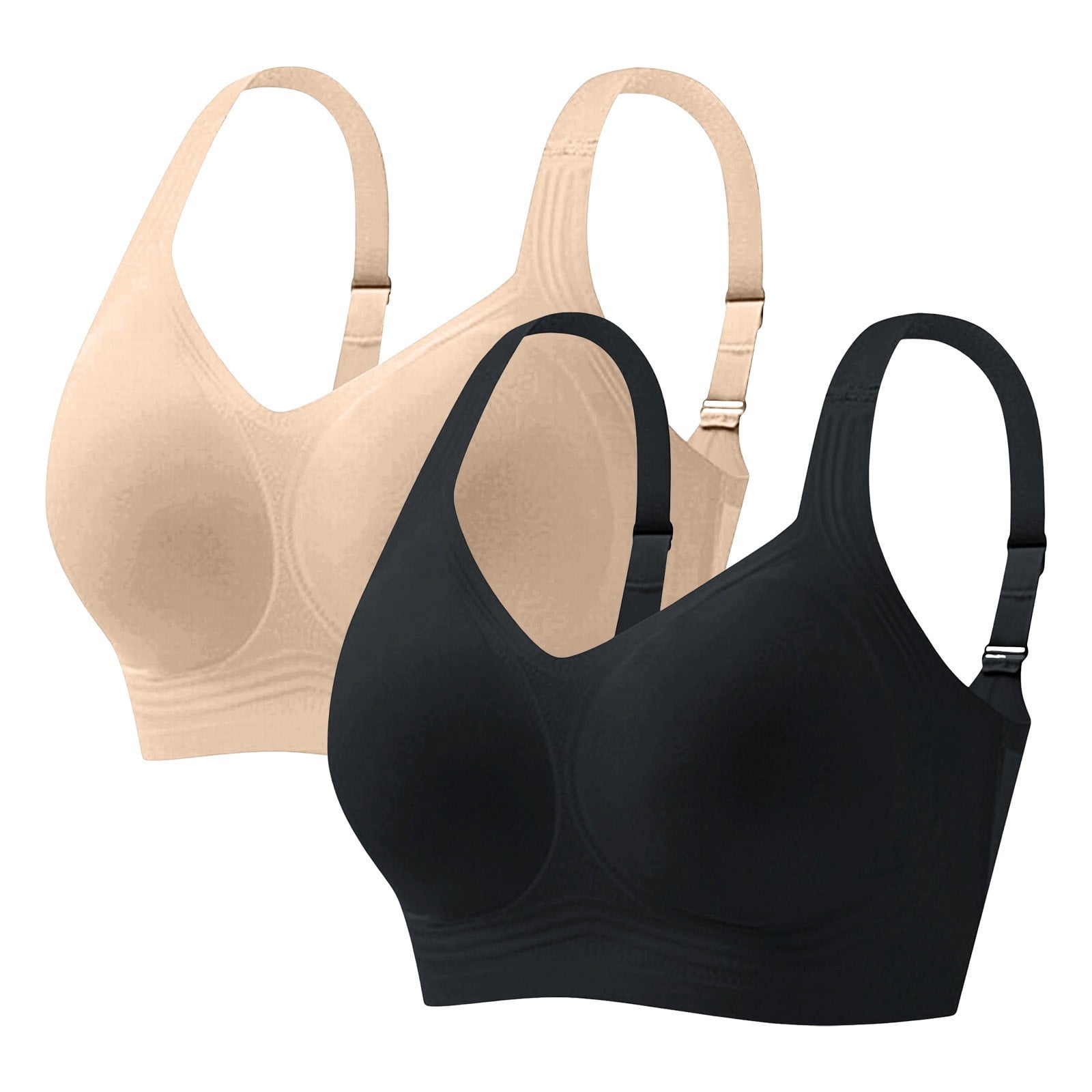
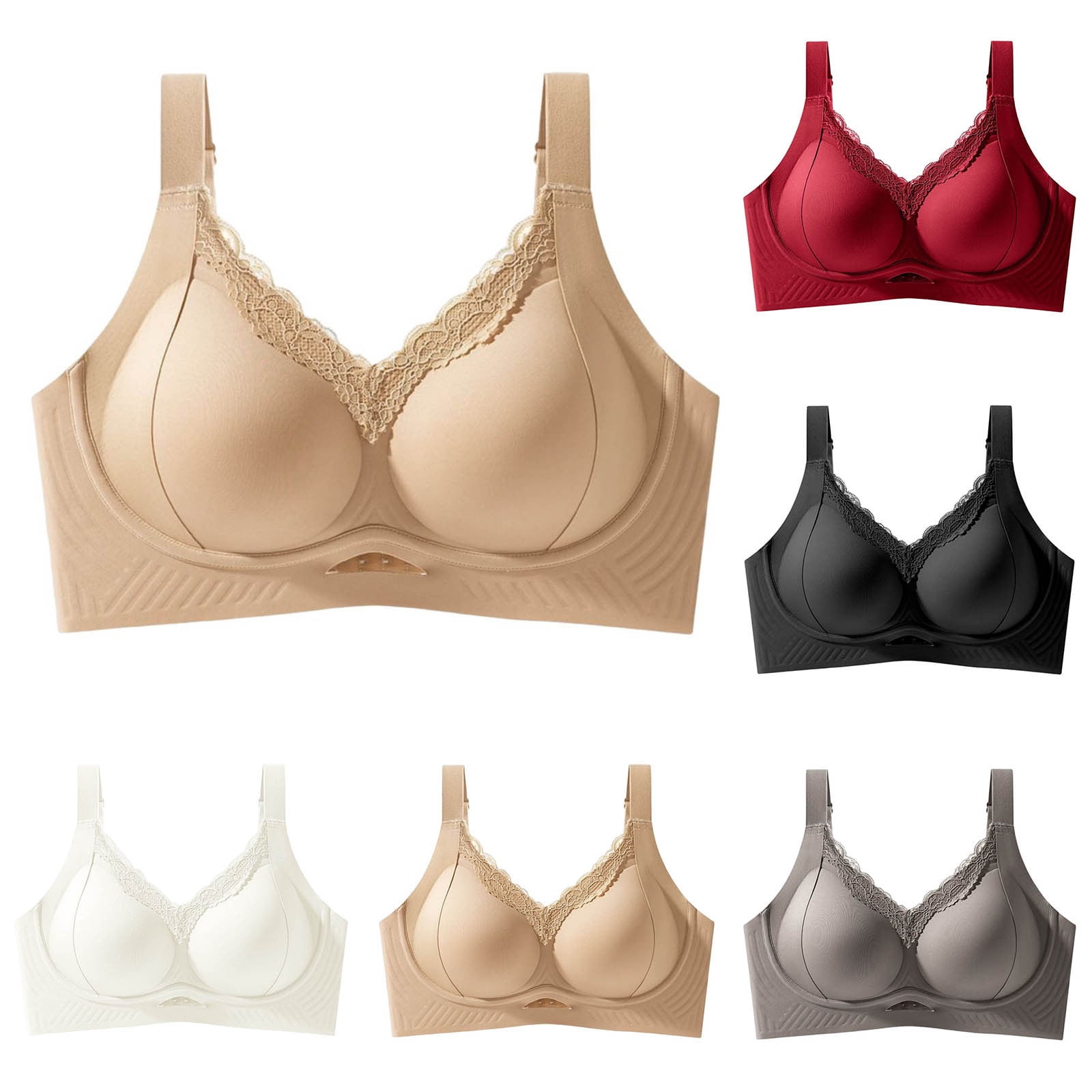
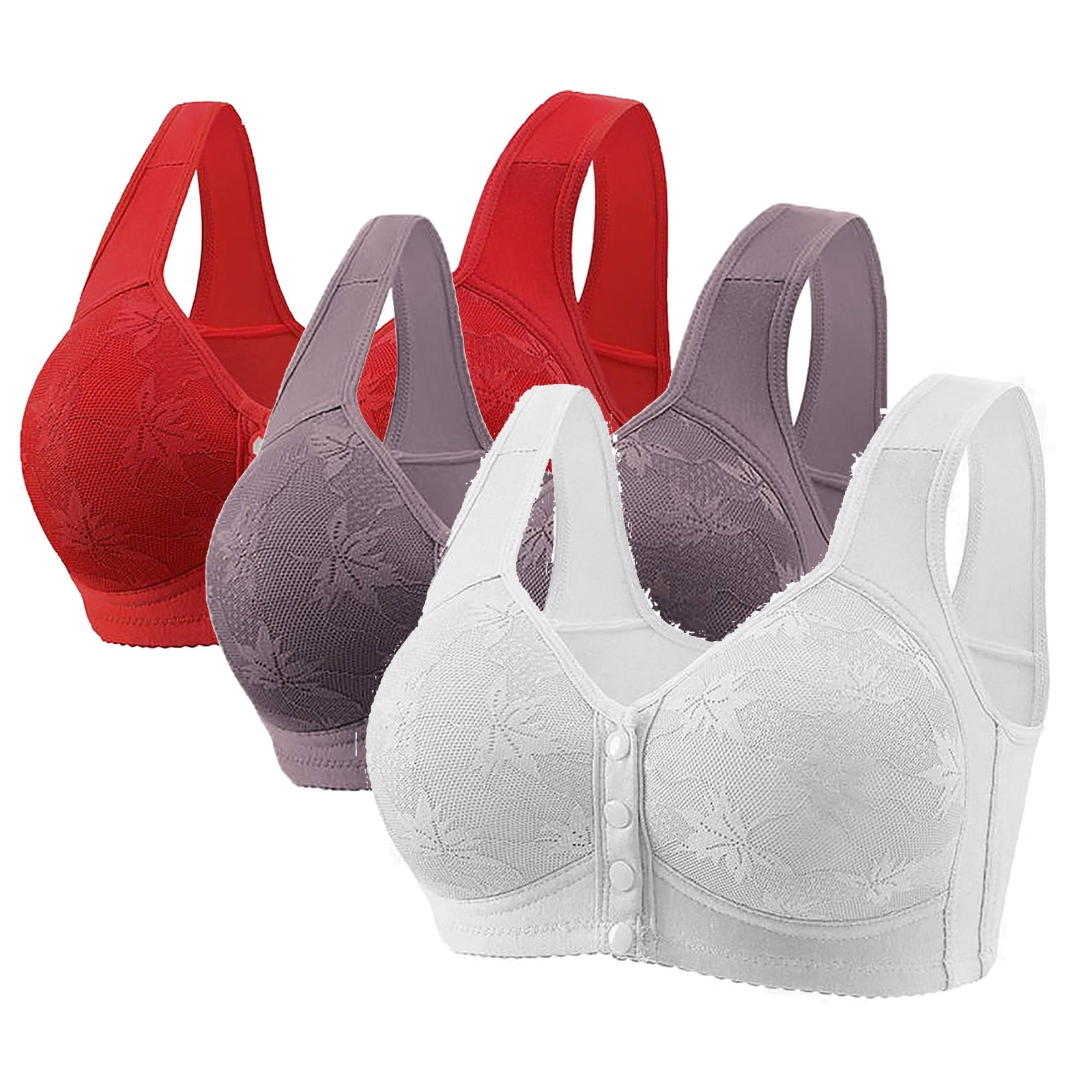
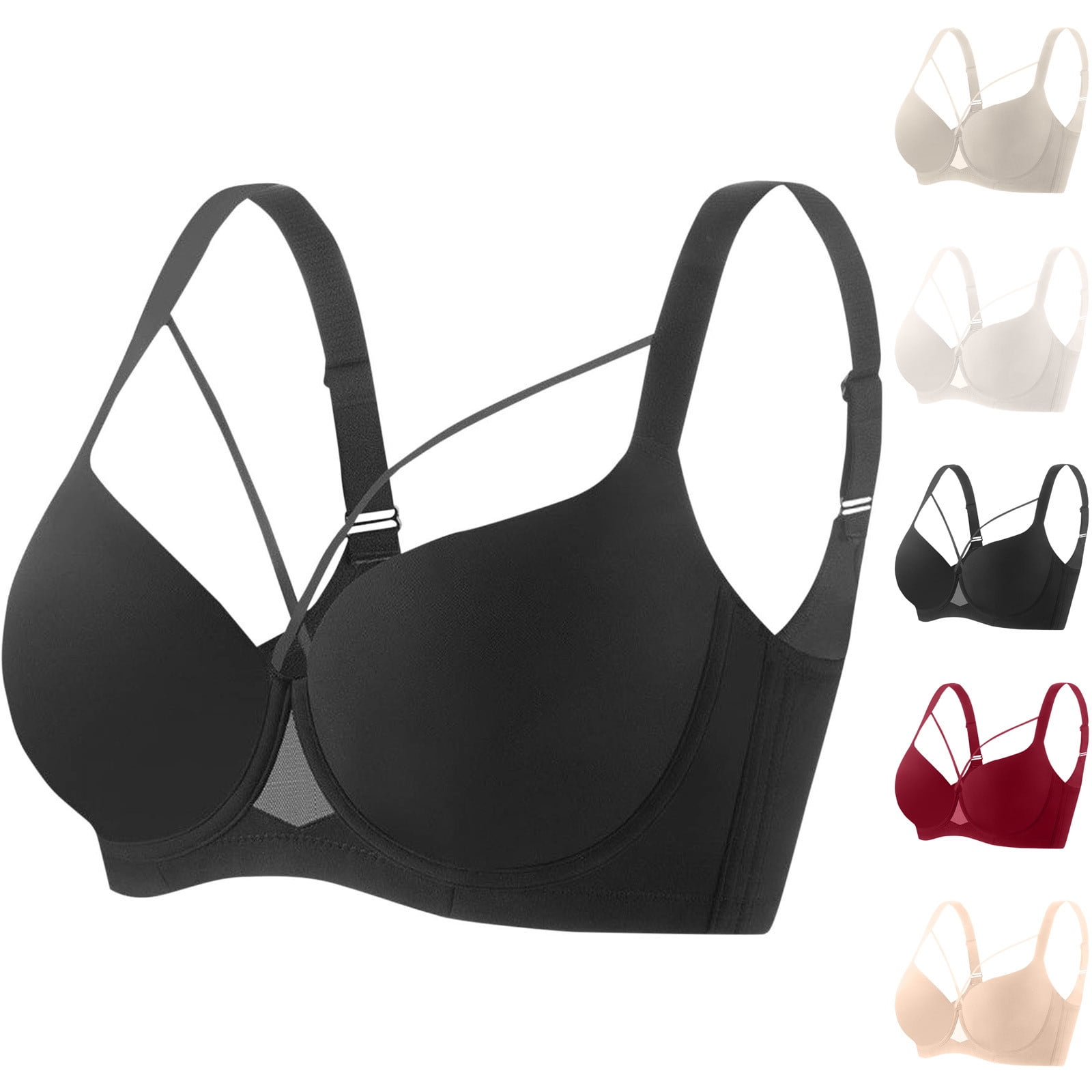
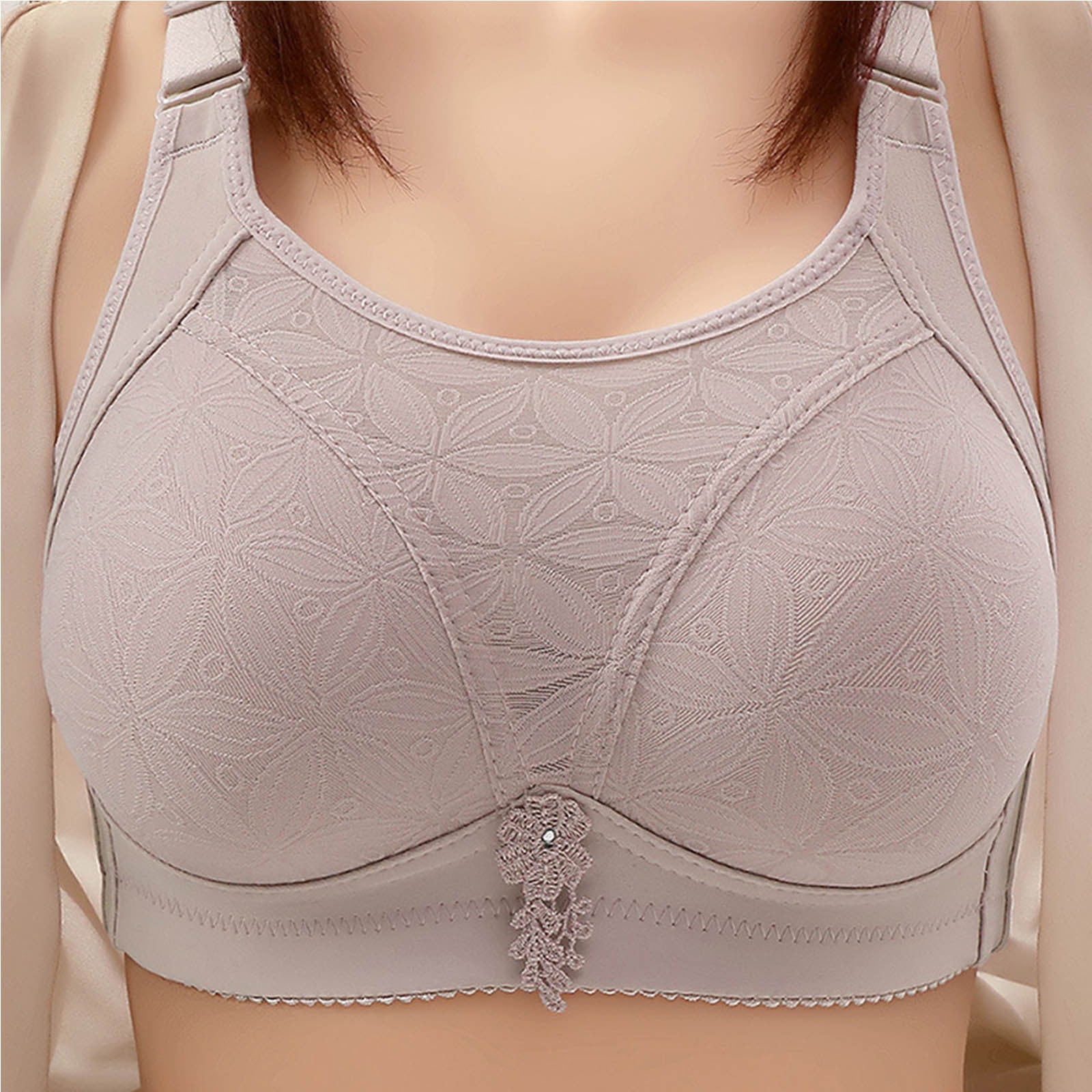
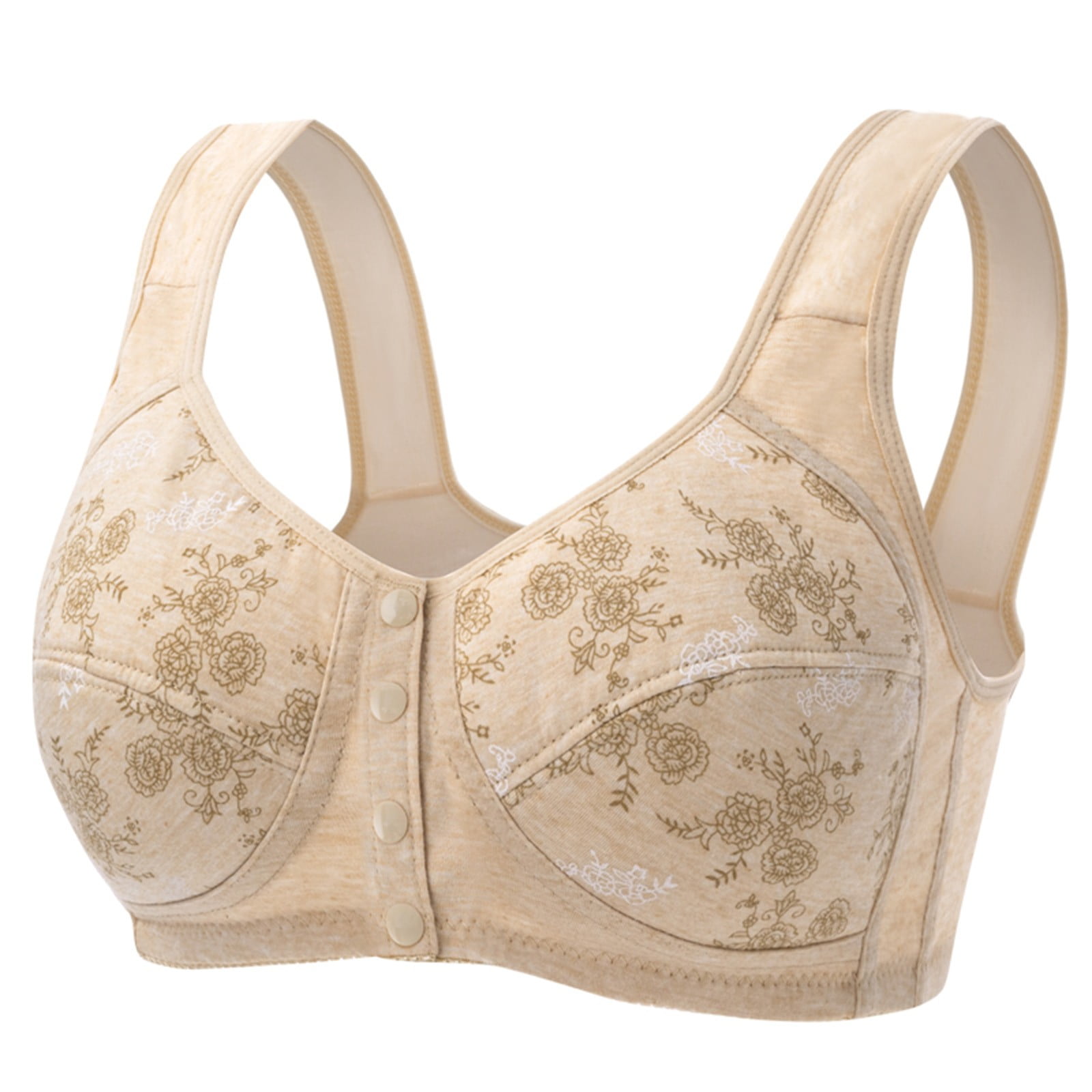
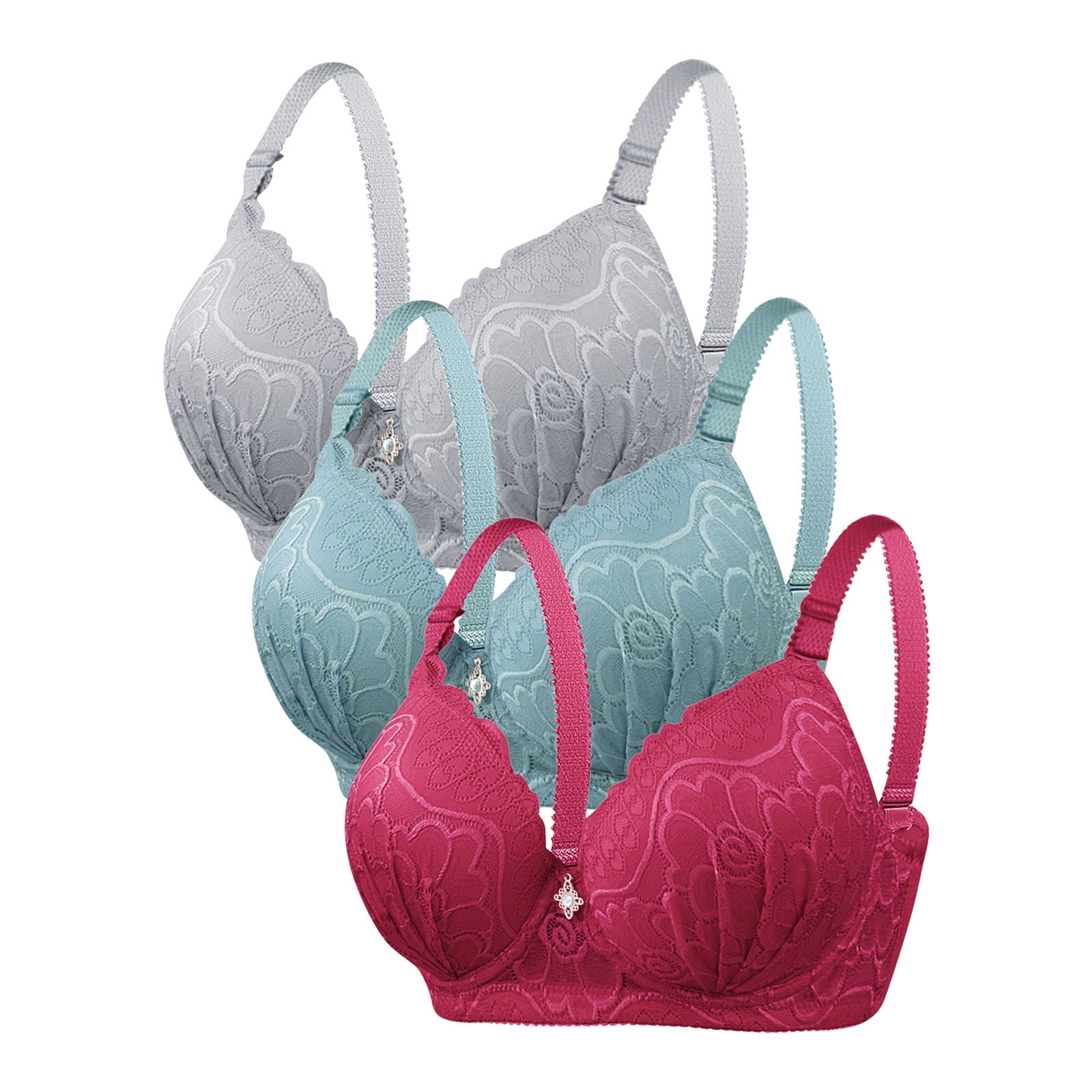
A minimizer bra is an engineered intimate garment designed to redistribute breast tissue across a wider area of the chest wall, reducing forward bust projection by up to 1.5 inches without flattening the chest uncomfortably. For Canadian shoppers navigating local and international sizing standards, finding the right minimizer requires balancing cup construction, band firming, and local retail availability.
What Is a Minimizer Bra and How Does It Work?
Minimizer bras are structural undergarments crafted specifically to alter how bust volume presents under clothing. Unlike standard contour or push-up bras, which center breast tissue and push it forward and upward to create cleavage, a minimizer bra spreads tissue laterally and vertically across a broader footprint on the ribcage. This spatial redistribution reduces the distance the bust projects from the chest wall, creating a streamlined profile.
The engineering behind a minimizer bra relies on shallow cup geometry paired with high-tensile side paneling and wide, firm wings. Rather than relying on rigid compression to crush tissue against the sternum, a properly constructed minimizer uses compression-resistant fabrics, wide underwires, and full-coverage cups. The underwire in a minimizer is typically shaped with a wider arc than a traditional plunge bra, encompassing a broader root width to accommodate the redistributed tissue safely and comfortably.
It is critical to distinguish a minimizer bra from high-impact sports bras or flattening chest binders:
- Minimizer Bras: Reapportion tissue within structured cups to maintain a natural, rounded shape while reducing forward depth by approximately 0.5 to 1.5 inches (1.25 to 3.8 cm).
- Compression Sports Bras: Press tissue uniformly against the torso to minimize vertical and lateral bounce during physical activity, often creating a uniboob effect.
- Chest Binders: Purpose-built garments designed for maximum chest flattening, utilizing non-stretch synthetic panels that require strict safety protocols regarding wearing duration and compression levels.
Key Benefits and Drawbacks of Minimizer Design
Understanding the functional advantages and spatial trade-offs of minimizer bras helps buyers set realistic expectations for outfit styling and daily comfort.
Primary Advantages
- Elimination of Front-Button Gapping: By pulling forward projection inward toward the chest wall, minimizers prevent gap openings in tailored button-down blouses, dress shirts, and fitted blazers.
- Improved Weight Distribution: Minimizers feature wider shoulder straps, taller side wings, and broader center gores. This structural design distributes heavy bust weight over a larger surface area across the back and shoulders, reducing pressure points.
- Enhanced Outerwear Fit: Tailored jackets, sweaters, and zip-front dresses often drape more smoothly across the torso when bust projection is moderated.
- Reduction of Underarm and Back Bulging: Wide side wings smooth the torso along the ribcage, preventing tissue migration under the armpits when sized accurately.
Potential Drawbacks
- Wider Silhouette from the Front: Because tissue is redistributed sideways toward the armpits, the torso can appear visually wider from a direct front view, even while appearing slimmer from a side profile.
- Neckline Restrictions: Due to high center gores, full-coverage cups, and broad straps, minimizer bras are generally incompatible with low-cut, deep V-neck, or scoop-neck garments.
- Risk of Tissue Compression if Mis-Sized: Purchasing a minimizer bra in a cup size that is too small leads to severe tissue spilling under the arms, discomfort along the wire root, and ribcage restriction.
Sizing and Fitting Guidelines for Canadian Shoppers
Finding the correct fit in Canada requires an understanding of regional sizing conversions. Canadian intimate apparel retailers stock products measured in US/Canadian, UK, and European (EU) sizing systems. A single letter can represent entirely different cup volumes across these systems.
Understanding Sizing Conversion Systems
- US / Canadian Sizing: Increases cup sizes sequentially: D, DD (E), DDD (F), G, H, I, J.
- UK Sizing: Uses double-letter increments: D, DD, E, F, FF, G, GG, H, HH, J. UK cups offer generous volume depth in larger bust categories.
- EU Sizing: Measures band sizes in centimeters (e.g., 75, 80, 85) rather than inches (34, 36, 38) and uses single-letter progressions: D, E, F, G, H, I, K.
When purchasing imported European or British brands from Canadian boutiques, buyers must confirm which sizing scale the retailer utilizes on the price tag or checkout portal.
Band Conversion Quick-Reference:
| System | ||||||
|---|---|---|---|---|---|---|
| US/CA (Inches) | 32 | 34 | 36 | 38 | 40 | 42 |
| EU (Centimeters) | 70 | 75 | 80 | 85 | 90 | 95 |
| UK (Inches) | 32 | 34 | 36 | 38 | 40 | 42 |
Steps to Measure for a Minimizer Bra
- Determine the Band Size: Wrap a flexible measuring tape directly underneath the bust along the infra-mammary fold. Pull the tape snug against the ribcage, keeping it parallel to the floor. Exhale completely. If the measurement in inches is even, that is the base band size. If it is odd, round up to the nearest even number (or down if ribcage tissue is soft and extra anchor support is needed).
- Determine the Bust Size: Stand upright and measure around the fullest part of the bust, holding the tape loosely enough that it does not indent the tissue. Ensure the tape stays level across the back.
- Calculate Cup Volume: Subtract the band measurement from the bust measurement. Each 1-inch difference represents one cup size (1 inch = A, 2 inches = B, 3 inches = C, 4 inches = D, 5 inches = DD/E, 6 inches = DDD/F).
Indicators of a Proper Minimizer Fit
- Flat Center Gore: The center bridge of the bra must rest completely flat against the sternum without lifting off the chest wall.
- Enclosed Wire Root: The underwire should sit comfortably behind all breast tissue, reaching toward the mid-axillary line under the armpit without poking sensitive nerve endings.
- No Tissue Overflow: Breast tissue should fill the shallow cup smoothly without spilling over the neckline or emerging out of the sides near the armpits.
- Level Band: The back band must anchor firmly in a horizontal line across the middle of the back, remaining level under tension without riding up toward the shoulder blades.
Comparing Popular Minimizer Bra Models in Canada
The Canadian market features a diverse mix of domestic brands, North American labels, and high-end European imports. The table below outlines key features, size availability, pricing in Canadian Dollars (CAD), and ideal use cases for top-performing minimizer models.
| Brand & Model | Wire Type | Size Range | Price Range (CAD) | Best For |
|---|---|---|---|---|
| Wacoal Visual Effects Minimizer | Underwire | 32C – 44I (US) | $85 – $110 | Maximum projection reduction under high-density fabrics |
| Triumph True Shape Sensation | Flexible Underwire | 34C – 42G (EU/UK) | $75 – $98 | Sensitive skin and soft wire preference |
| Chantelle Norah Molded Minimizer | Wireless / Soft Structure | 32D – 40H (EU) | $105 – $135 | All-day comfort with a seamless lace aesthetic |
| Wonderbra Seamless Minimizer | Underwire | 34C – 42DD (US/CA) | $45 – $65 | Everyday budget-friendly button-down wear |
| PrimaDonna Deauville / Seamless | Reinforced Underwire | 30E – 44J (EU) | $165 – $220 | Heavy bust support and premium structural endurance |
| Penningtons Goddess Wirefree | Wireless | 38G – 50N (US) | $60 – $80 | Plus-size full-coverage band and wire-free comfort |
Construction Types Explained
Underwire Minimizers
Underwire models utilize rigid or semi-flexible metal/polycarbonate channels to anchor the bra against the chest wall. The wire provides the foundation necessary to shift tissue outward toward the armpits safely, making underwires the most effective option for reducing projection by the maximum margin (1 to 1.5 inches).
Wireless (Soft-Cup) Minimizers
Wireless minimizers rely on wide elastic bottom bands, high-density multi-ply fabric panels, and strategic side-boning to contain bust tissue. While they yield slightly less projection reduction than underwired variants (typically 0.5 to 0.75 inches), they eliminate wire digging entirely, making them preferred choices for long travel or sedentary office work.
Seamless Molded Cups versus Cut-and-Sew Cups
Seamless molded minimizers feature heat-shaped fabric cups that remain invisible under thin jersey knits and light t-shirts. Cut-and-sew minimizers use multi-panel stitching (such as 3-part or 4-part cups) to shape tissue. While seams may show under ultra-thin tops, cut-and-sew models offer far superior vertical lift and lateral containment for larger cup sizes (G-cup and above).
Shopping for Minimizer Bras in Canada: Retailers, Taxes, and Duty Considerations
Canadian consumers can purchase minimizer bras through several retail channels, each offering distinct advantages regarding fitting services, stock selection, and shipping logistics.
Canadian Purchasing Options:
- Department Stores (e.g., Hudson's Bay): Accessible return policies, wide mid-tier selection
- Specialized Boutiques (e.g., Change, Linea Intima): Professional fitting, European size ranges
- Inclusive Inclusive Retailers (e.g., Penningtons): Dedicated plus-size band and cup options
- Cross-Border E-Commerce: Broader selection, subject to CBSA duties and import fees
Domestic Retailers vs. Online Cross-Border Orders
- Department Stores and Local Boutiques: Purchasing within Canada (via national department stores like Hudson's Bay or independent brick-and-mortar fitting boutiques) ensures that prices are listed in CAD and eliminates cross-border shipping delays. Local boutiques frequently provide professional fitters trained in European sizing conversions.
- Cross-Border E-Commerce Considerations: Ordering from US or UK websites often exposes Canadian shoppers to unexpected costs. The Canada Border Services Agency (CBSA) applies Provincial Sales Tax (PST/HST/GST) on imported goods valued over $20 CAD. Furthermore, courier brokerage fees (charged by private carriers for clearing customs) can add $15 to $40 CAD on top of standard delivery charges, unless items qualify under specific trade agreement rules or carrier prepaid duty programs.
Maintenance and Care for Long-Lasting Shape Retention
Minimizer bras rely on high percentages of elastane, Spandex, and dense power-mesh lining to maintain lateral control. Incorrect laundering quickly degrades these synthetic elastics, causing cups to stretch out and wires to poke through their channels.
Washing Protocols
- Hand Washing (Recommended): Fill a clean basin with cool or lukewarm water (maximum 30°C / 86°F). Add a teaspoon of alcohol-free, pH-neutral liquid detergent specially formulated for delicate intimates. Submerge the garment, gently agitate for two minutes, and allow it to soak for 10 to 15 minutes. Rinse thoroughly in cold water until no soap residue remains.
- Machine Washing (Alternative): If hand washing is impractical, fasten the hooks of the bra to prevent snagging. Place the bra inside a structured mesh wash bag. Wash on the delicate/gentle cycle using cold water and a mild detergent. Never wash bras alongside heavy garments like denim jeans or zippered towels.
Drying and Storage Rules
- Never Use a Heated Dryer: Thermal degradation melts elastane fibers, causing loss of elasticity and permanent puckering of molded cups.
- Air Drying Method: Gently press excess water out of the bra using a dry towel—do not wring or twist the cups. Lay the bra flat on a drying rack or hang it by the center gore. Avoid hanging a wet bra by its shoulder straps, as the water weight will stretch the elastic permanently.
- Storage Placement: Store minimizer bras flat in a drawer without folding one cup into the other, as twisting the center gore can warp the wire foundation and creasing molded fabrics causes permanent lines under clothing.
Frequently Asked Questions About Minimizer Bras
Can wearing a minimizer bra permanently reduce bust size?
No, minimizer bras do not alter breast tissue volume or permanently change body structure. They temporarily redistribute existing bust volume across a broader surface area while worn. Permanent changes in bust size generally occur only through body weight fluctuations, hormonal shifts, or surgical interventions.
Does a minimizer bra flatten the chest like a compression sports bra?
No, a properly fitted minimizer bra does not flatten the chest into a single compression plane. Instead of pressing tissue straight back into the ribs, a minimizer gently redirects volume into the side and top zones of the cup, preserving a natural curve while reducing forward projection by up to 1.5 inches.
Should I buy a smaller cup size to get a better minimizing effect?
You should never buy a cup size smaller than your true measurement to force a minimizing effect. Wearing a cup size that is too small causes tissue to overflow along the top and armpits, creates painful wire digging, damages internal wire channels, and can cause localized tissue bruising.
Why does my minimizer bra feel tighter in the band than a contour bra of the same size?
Minimizer bras often feel firmer in the band because they utilize higher-density power-mesh fabrics and taller side wings to hold redistributed tissue securely. This firmer construction prevents tissue from shifting forward during movement, though the nominal band measurement remains identical to standard bra sizing.
How do I know if an online bra brand uses UK, US, or EU sizing?
Check the brand's origin and size chart documentation before ordering. US brands list cup sizes using double and triple Ds (D, DD, DDD, G, H). UK brands list double letters higher in the alphabet (D, DD, E, F, FF, G, GG). EU brands use single letter progressions and list band sizes in centimeters (70, 75, 80) rather than inches.
Strategic Recommendations for Selecting Your Minimizer Bra
When selecting a minimizer bra in Canada, base your choice on garment necklines, daily activity, and structural support needs:
- For Professional Tailoring and Button-Down Tops: Select an underwire minimizer with a high-density, seamless molded cup (such as options from Wacoal or Triumph). The lack of cup seams creates an invisible barrier under thin cotton shirts while holding projection to a minimum.
- For Sensitive Skin or All-Day Travel: Opt for a soft-wire or premium wireless minimizer featuring wide elastic bottom bands and microfiber linings (such as Chantelle soft-structure models). Ensure the center band rests flat against the torso without lifting.
- For High-Volume Cup Sizes (G-Cup and Above): Prioritize cut-and-sew, multi-panel minimizers (such as PrimaDonna or Goddess). Multi-panel seams offer superior lift stability and prevent lateral tissue migration from drifting into uncomfortable armpit friction throughout the day.
Always verify returns policies when ordering intimate garments online in Canada, as hygiene regulations often require security tags and hygiene strips to remain fully intact for exchanges.