Lash growth treatments improve eyelash length, thickness, and density through either prescription pharmaceuticals that alter the hair growth cycle or over-the-counter conditioning serums that strengthen existing fibers. Prescription bimatoprost is the only regulatory-approved drug for eyelash hypotrichosis, while cosmetic serums rely on peptides, vitamins, or synthetic prostaglandin analogues to enhance lash appearance.
Disclaimer: This guide is for informational purposes only and does not constitute medical advice. Individuals experiencing sudden lash loss, ocular irritation, or eye conditions should consult a board-certified ophthalmologist or dermatologist before starting any lash growth regimen.
Understanding the Eyelash Growth Cycle and Hypotrichosis
To evaluate eyelash growth treatments effectively, it is essential to understand the biological framework of eyelash development. Eyelashes serve a dual purpose: they protect the eye from debris and airflow, and they play a prominent aesthetic role in facial symmetry. Like scalp hair, eyelashes undergo a continuous cycle of growth, regression, resting, and shedding. However, the eyelash growth cycle is significantly shorter than that of scalp hair, which explains why lashes do not grow indefinitely.
| Phase | Duration | Biological Activity |
|---|---|---|
| 1. Anagen Phase | 30 to 45 days | Active hair follicle growth |
| 2. Catagen Phase | 2 to 3 weeks | Follicle shrinks; growth stops |
| 3. Telogen Phase | 3 to 4 months | Resting phase before shedding |
| 4. Exogen Phase | Overlaps Telogen | Hair falls out naturally |
The cycle consists of four distinct phases:
- Anagen (Growth Phase): Lasting between 30 and 45 days, this phase determines the ultimate length of the lash. Only about 35% to 40% of upper eyelashes are in the active growth phase at any given time.
- Catagen (Transition Phase): Lasting 2 to 3 weeks, the hair follicle shrinks, detaches from the dermal papilla, and stops growing. If a lash is pulled out during this phase, it will not regrow until the catagen phase completes and the cycle restarts.
- Telogen (Resting Phase): Spanning 3 to 4 months, the lash remains stationary in the follicle while a new hair begins forming underneath.
- Exogen (Shedding Phase): The final stage where the mature lash falls out naturally, making room for new growth.
Inadequate eyelash length or volume is clinically referred to as eyelash hypotrichosis. Hypotrichosis can be idiopathic (occurring naturally without a clear underlying cause) or secondary. Common causes of secondary hypotrichosis include chronological aging, hormonal fluctuations, autoimmune conditions such as alopecia areata, chronic blepharitis, mechanical trauma from lash extensions or curlers, and side effects from medical treatments such as chemotherapy. Effective growth treatments target the hair follicle during the anagen phase to extend the growth duration, stimulate protein synthesis, or prevent premature shedding.
Prescription Eyelash Treatments: Bimatoprost and Prostaglandin Analogs
Prescription eyelash growth treatments represent the most clinically validated method for increasing lash length, thickness, and pigment. The primary agent in this category is bimatoprost 0.03%, a structural prostaglandin analog originally developed to lower intraocular pressure in patients with open-angle glaucoma or ocular hypertension. During clinical trials for ophthalmic use, researchers observed that patients experienced significant lash hypertrichosis (excessive hair growth) as a side effect.
This observation led to the formal evaluation and subsequent approval of bimatoprost 0.03% solution (marketed under the trade name Latisse) by the U.S. Food and Drug Administration (FDA) in 2008 for treating eyelash hypotrichosis. For full regulatory context on approved ophthalmic solutions, consult the U.S. Food and Drug Administration resources on prescription drug approvals.
Mechanism of Action
Bimatoprost functions by mimicking naturally occurring prostaglandins—lipid compounds that exert hormone-like effects in biological tissues. The exact biological pathway involves binding to prostaglandin (FP) receptors situated within the dermal papilla of the eyelash follicle. This binding action induces two main cellular responses:
- Extending the Anagen Duration: Bimatoprost prolongs the proportion of time the eyelash follicle spends in the active growth phase, allowing the hair strand to reach a greater maximum length.
- Increasing Follicular Capacity: It increases the percentage of follicles actively producing hair at any given moment and stimulates melanogenesis (pigment production), yielding darker, thicker lashes.
Clinical Efficacy and Evidence
Clinical trials evaluating bimatoprost 0.03% applied daily to the upper eyelid margin demonstrated measurable outcomes over a 16-week period. Participants in double-blind, vehicle-controlled studies showed a statistically significant increase in lash prominence:
- Length: Average increase of 25%.
- Thickness and Fullness: Average increase of 106%.
- Darkness: Average increase of 18%.
Results generally become visible around week 4, with peak results achieved at week 16. Continued daily application is necessary to maintain these improvements. If treatment is discontinued, eyelashes gradually return to their pre-treatment baseline over several weeks to months as the natural growth cycle resets.
| Timeline | Observed Clinical Effect |
|---|---|
| Weeks 1–4 | Initial increase in lash length noticed |
| Weeks 8–12 | Noticeable increase in thickness and darkness |
| Week 16 | Maximum length, density, and pigmentation achieved |
| Discontinuation | Gradual return to baseline over 2 to 4 months |
Adverse Effects and Safety Profile
While bimatoprost is highly effective, its pharmacological potency requires careful consideration of potential side effects. Patients considering prescription treatments must weigh these risks in consultation with a physician:
- Prostaglandin-Associated Periorbital Orbitopathy (PAPO): Prolonged exposure to prostaglandin analogs can cause localized fat atrophy (loss of periorbital fat). This can result in a deepened upper eyelid sulcus, enophthalmos (sunken eye appearance), and mild eyelid ptosis (drooping). In many cases, PAPO is reversible upon cessation of the drug, but structural changes may persist in long-term users.
- Increased Iris Pigmentation: Bimatoprost can increase the amount of brown pigment in the iris by stimulating melanin production within stromal melanocytes. This change is typically permanent and is most common in individuals with mixed-color irises (e.g., green-brown or blue-brown).
- Hyperpigmentation of the Eyelid Skin: Increased melanin accumulation can cause localized darkening of the skin along the upper lash line. This side effect is usually reversible after discontinuing treatment.
- Ocular Surface Irritation: Common acute side effects include conjunctival hyperemia (eye redness), pruritus (itching), dry eye symptoms, and punctate keratitis. Detailed analysis of these ocular side effects is documented in research published by the National Center for Biotechnology Information.
Over-the-Counter Lash Serums: Active Ingredients and Regulations
The over-the-counter (OTC) eyelash serum market offers a wide variety of non-prescription formulations. These products range from advanced biochemical serums containing peptide chains to simple botanical oils. Understanding the active ingredients helps consumers distinguish between true growth stimulants and surface conditioners.
| Category | Common Examples | Primary Benefit |
|---|---|---|
| Synthetic PGAs | Isopropyl Cloprostenate | Stimulates anagen growth |
| Signal Peptides | Myristoyl Pentapeptide-17 | Supports keratin production |
| Carrier Peptides | Biotinoyl Tripeptide-1 | Anchors lash roots |
| Conditioning Oils | Castor, Argan, Vitamin E | Reduces mechanical breakage |
| Humectants | Panthenol, Hyaluronic Acid | Improves lash flexibility |
Synthetic Prostaglandin Derivatives
Many OTC serums marketed for "lash enhancement" contain synthetic prostaglandin analogs (PGAs) listed under technical chemical names on ingredient labels. Common examples include:
- Isopropyl Cloprostenate
- Dechloro Dihydroxy Difluoro Ethylcloprostenolamide
- Norbimatoprost
- Methylamido Dihydro Noralfaprostal
Although sold over the counter, these compounds act on the same cellular pathways as prescription bimatoprost. Consequently, they can produce similar cosmetic growth results—as well as the same potential side effects, such as eye redness, eyelid hyperpigmentation, and periorbital fat loss. Regulatory authorities, including the FDA and Health Canada, have issued warning letters to several cosmetic manufacturers, clarifying that products containing active prostaglandin analogs intended to alter physiological structure fall under drug regulations rather than cosmetic standards.
Peptide-Based Serums
Peptide formulations provide an alternative for individuals seeking to avoid prostaglandin derivatives. Peptides are short chains of amino acids that serve as building blocks for structural proteins.
- Myristoyl Pentapeptide-17: A signal peptide that stimulates the expression of keratin genes, the primary protein component of human hair strands. By encouraging keratin synthesis at the follicular level, it promotes thicker, stronger lash growth.
- Biotinoyl Tripeptide-1: A combination of biotin (Vitamin B7) and three amino acid residues. This compound helps anchor the hair shaft securely into the dermal papilla, reducing premature shedding during the telogen phase.
- Acetyl Tetrapeptide-3: Often combined with red clover extract, this peptide targets extracellular matrix proteins to reinforce tissue surrounding the hair follicle, reducing breakage.
Peptide-based serums generally do not cause iris discoloration or fat atrophy, making them suitable for individuals with sensitive eyes or light-colored irises. However, their primary function is structural support rather than altering the biological growth cycle, meaning total length increases are usually more modest than those achieved with prescription drugs.
Botanical Oils and Conditioning Agents
A popular category of natural treatments includes plant-based oils, most notably castor oil (rich in ricinoleic acid), argan oil, and coconut oil, alongside vitamins like panthenol (pro-vitamin B5) and tocopherol (Vitamin E).
It is important to distinguish between conditioning and growing:
- Biological Growth: Involves extending the anagen phase or increasing follicle counts. Botanical oils do not possess pharmacological activity to alter the hair growth cycle or increase the speed of follicular cell division.
- Conditioning and Protection: Plant oils act as emollients, coating the hair shaft to seal in moisture, increase flexibility, and smooth the outer cuticle. This reduces mechanical breakage caused by eye rubbing, mascara application, or eyelash curling. As a result, lashes can achieve their maximum potential length without breaking prematurely, giving the visual appearance of fuller growth.
Comparing Popular Lash Growth Solutions
Choosing an appropriate treatment requires evaluating efficacy, application method, safety profiles, and long-term costs. The table below outlines the primary treatment categories available to consumers.
| Treatment Category | Primary Active Ingredients | Biological Mechanism | Typical Timeline for Results | Key Safety Considerations | Approximate Cost Range |
|---|---|---|---|---|---|
| Prescription Pharmaceutical | Bimatoprost 0.03% | Extends anagen phase; stimulates melanogenesis via FP receptors. | 4 to 16 weeks | Iris hyperpigmentation, eyelid darkening, periorbital fat loss, redness. | $120 – $200 per 3ml vial |
| OTC Prostaglandin-Based | Isopropyl Cloprostenate, related synthetic PGAs | Mimics prostaglandin signaling to increase hair length and density. | 6 to 12 weeks | Risks similar to prescription PGAs: periorbital sulcus deepening, irritation. | $60 – $150 per tube |
| OTC Peptide-Based | Myristoyl Pentapeptide-17, Biotinoyl Tripeptide-1 | Stimulates keratin production; reinforces dermal papilla anchoring. | 8 to 16 weeks | Low risk; potential localized allergic contact dermatitis or mild sting. | $40 – $120 per tube |
| Conditioning Oils & Vitamins | Castor oil, Panthenol, Hyaluronic Acid, Vitamin E | Coats cuticle; improves hydration and tensile strength to prevent breakage. | 8 to 12 weeks (breakage reduction) | Risk of meibomian gland blockage, blepharitis, folliculitis, blurred vision. | $10 – $35 per bottle |
| Cosmetic Alterations (Lash Extensions) | Cyanoacrylate adhesive, synthetic mono-fibers | Physical attachment of fiber to individual natural eyelash strand. | Immediate | Traction alopecia, allergic reaction to adhesive, natural lash damage. | $150 – $300 initial set; $60 – $100 refills |
Safety Protocols, Application Techniques, and Potential Risks
Improper application of lash growth treatments can lead to adverse ocular complications, including bacterial infection, chronic inflammation, and meibomian gland dysfunction. Adhering to strict hygiene standards minimizes these risks.
Hygienic Application Protocol:
- Step 1: Wash hands thoroughly with soap and water.
- Step 2: Remove all facial makeup and contact lenses.
- Step 3: Ensure upper eyelids are clean and fully dry.
- Step 4: Apply ONE drop of serum to a single-use sterile applicator.
- Step 5: Trace delicately along the upper eyelid skin margin ONLY.
- Step 6: Blot excess liquid with a clean tissue; dispose applicator.
- Step 7: Repeat with a fresh applicator for the second eye.
Step-by-Step Application Protocol
- Preparation: Wash hands thoroughly with soap and water. Remove all makeup, cleansers, and facial creams from the eye area. The skin must be completely clean and dry.
- Contact Lens Precautions: Remove contact lenses prior to application. Preservatives in topical solutions, such as benzalkonium chloride, can be absorbed by soft contact lenses and cause corneal irritation. Wait at least 15 to 20 minutes after application before reinserting lenses.
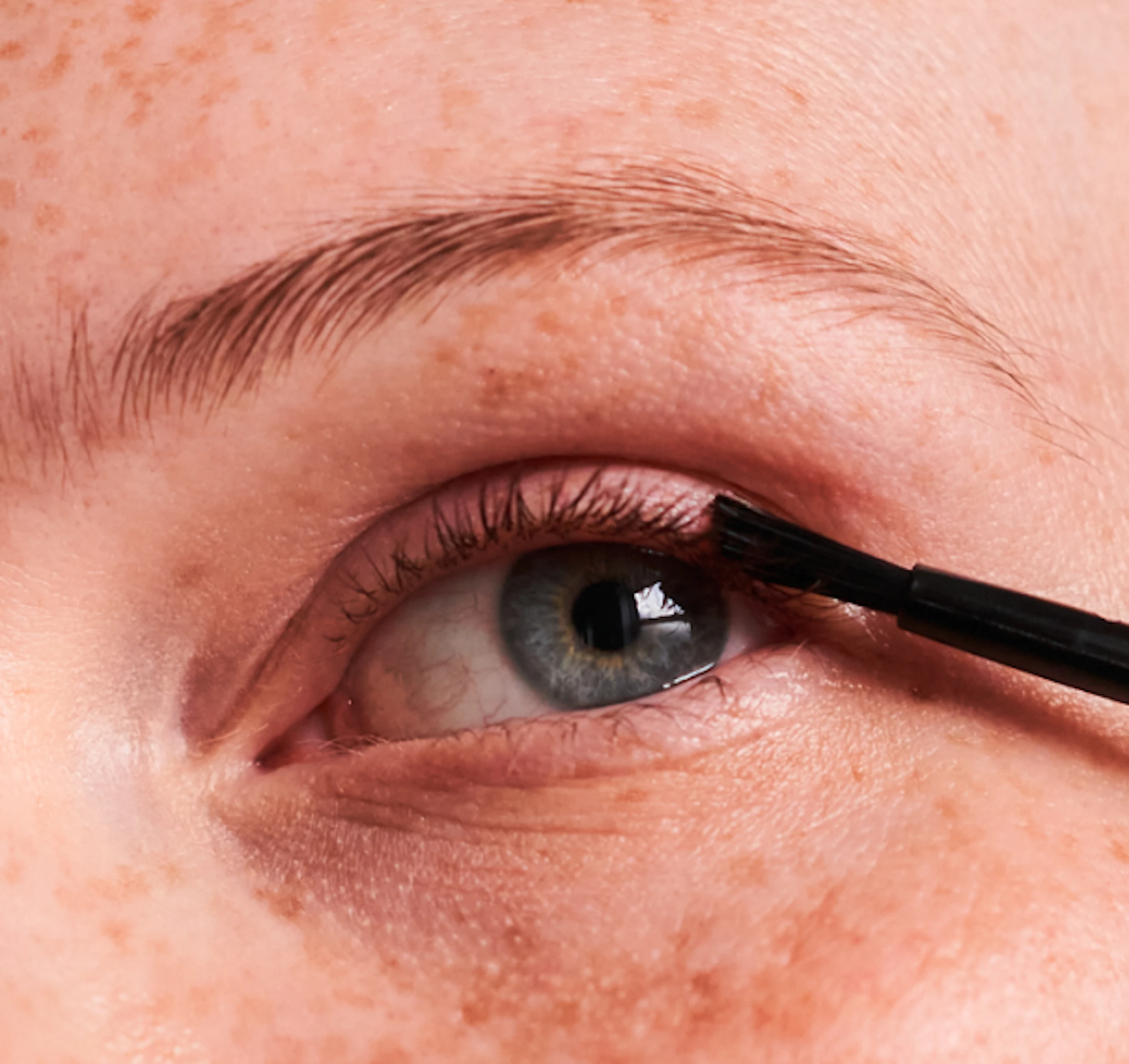
- Application Method: Apply a single drop of solution to a clean, single-use applicator brush. Gently trace the applicator along the skin of the upper eyelid margin at the base of the eyelashes, moving from the inner corner outward. Do not apply to the lower lash line, as natural blinking transfers sufficient product to the lower lid. Excess application increases the risk of skin hyperpigmentation and periorbital fat atrophy.
- Hygiene Maintenance: Never reuse single-use applicators across both eyes if treating active ocular irritation, and never dip a used applicator back into the product bottle. Discard applicators immediately after use.
- Post-Application Cleanup: Blot any excess liquid outside the eyelid margin using a clean tissue to prevent unwanted hair growth or skin darkening on the cheeks or temples.
Addressing Ocular Complications
If continuous redness, persistent itching, pain, vision changes, or signs of conjunctivitis occur, discontinue product use immediately and seek evaluation from an eye care professional. Further medical resources and safety guidelines regarding periorbital and ocular health are available through the American Academy of Ophthalmology.
Cosmetic Alternatives vs. Physiological Growth
For individuals seeking immediate aesthetic changes or who are intolerant of active growth ingredients, cosmetic alternatives offer non-physiological enhancement. Understanding how these approaches differ from active growth treatments helps set clear expectations.
| Feature | Physiological Growth | Cosmetic Modifications |
|---|---|---|
| Time to Results | 4 to 16 weeks | Immediate (1 to 2 hours) |
| Primary Mechanism | Follicle stimulation | Physical alter/attachment |
| Structural Integrity | Strengthens natural lash | Risks mechanical strain |
| Discontinuation Effect | Gradual shedding cycle | Immediate removal/fallout |
Eyelash Extensions
Eyelash extensions involve bonding individual synthetic (acrylic, silk, or faux mink) fibers to natural lashes using cyanoacrylate-based adhesives.
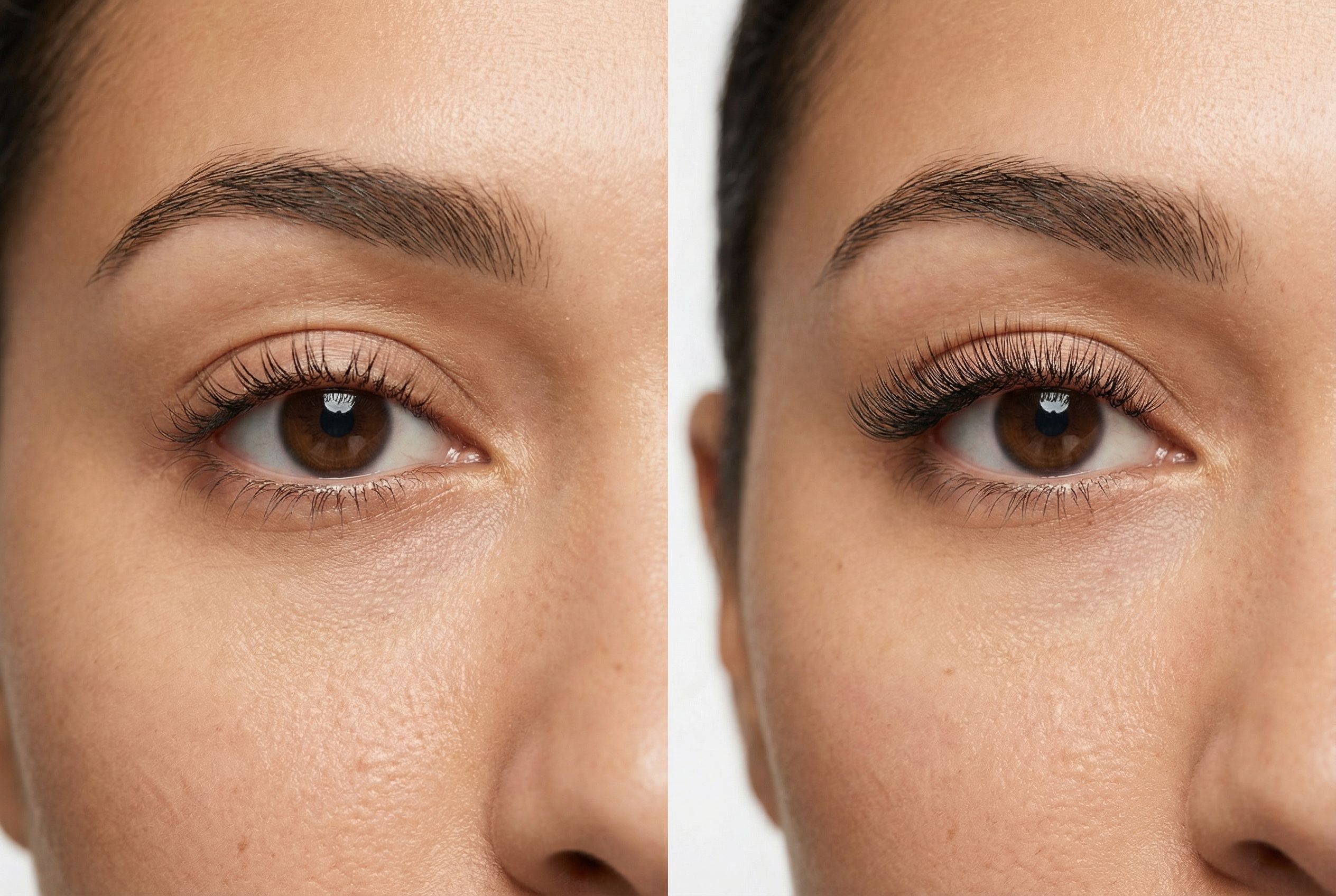
- Advantages: Immediate dramatically increased length, volume, and curl without requiring daily serum application or mascara.
- Disadvantages and Risks: The weight of synthetic fibers combined with strong adhesives exerts mechanical stress on the natural follicle. This can cause traction alopecia, a condition where the natural follicle becomes damaged and stops producing hair. Additionally, cyanoacrylate glues can trigger allergic contact dermatitis and chemical blepharitis along the eyelid margin.
Lash Lifts and Tints
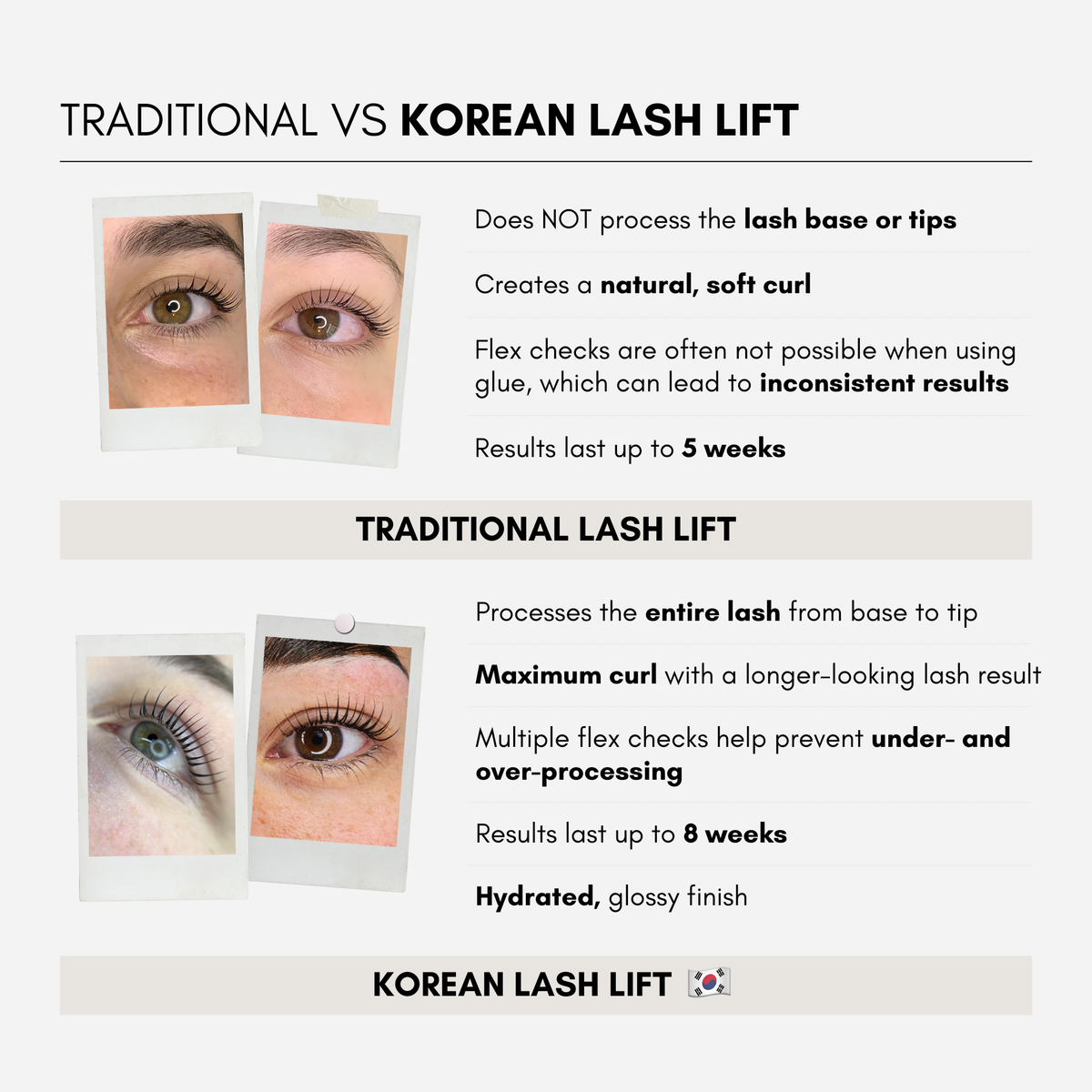
A lash lift is essentially a chemical perming process for the eyelashes. Disulfide bonds within the lash kerato-protein structure are broken down using a thioglycolic acid solution, reshaped over a silicone rod, and reformed using a neutralizing solution. Tinting uses semi-permanent dye to darken light-colored lashes.
- Advantages: Enhances natural lashes without attaching external synthetic fibers; lasts 6 to 8 weeks in alignment with the natural shedding cycle.
- Disadvantages and Risks: Over-processing can degrade structural proteins, causing lashes to become brittle, singed, or broken. Chemical exposure poses a risk of keratitis or chemical burns if processing solutions breach the ocular surface.
Strategic Guidance for Selecting a Lash Treatment Strategy
Choosing an appropriate eyelash treatment depends on individual health histories, aesthetic preferences, budget constraints, and risk tolerance.
Decision Framework for Consumers
- Assess Clinical Need and Cause of Thinning: If eyelash loss is sudden, asymmetrical, patchy, or accompanied by systemic symptoms (such as fatigue or scalp hair loss), consult a physician before using cosmetic products. Thyroid disorders, alopecia areata, or blepharitis must be diagnosed and managed directly.
- Evaluate Ocular Risk Factors: Individuals with light blue or green eyes, pre-existing dry eye syndrome, ocular hypertension, or a history of uveitis should exercise caution with prostaglandin-containing products (both prescription bimatoprost and OTC synthetic derivatives like Isopropyl Cloprostenate). Peptide-based conditioning serums offer a safer alternative for these populations.
- Commitment to Maintenance: Biological growth treatments require continuous daily application to maintain results. Stopping treatment causes eyelashes to revert to their natural state within several weeks. If a low-maintenance or instant result is preferred, professional lash lifts or conservative tinting may be more suitable than daily pharmacotherapy.
- Perform Patch Testing: Prior to applying any new OTC serum to the sensitive skin of the eyelid, perform a patch test on the inner forearm or behind the ear for 48 hours to screen for contact allergies to preservatives, botanical extracts, or binder compounds.
Frequently Asked Questions About Eyelash Growth Treatments
Do over-the-counter lash serums cause permanent eye color changes?
Over-the-counter serums containing synthetic prostaglandin analogs (such as Isopropyl Cloprostenate) carry a potential risk of increasing brown iris pigmentation, similar to prescription bimatoprost. This risk is highest for individuals with light-colored or mixed-color irises (such as blue-brown or green-brown). If brown melanin accumulation occurs within the iris stroma, the color change is generally permanent. Peptide-based and pure botanical serums do not affect iris melanin and will not change eye color.
How long does it take to see results from a lash growth treatment?
Timelines vary based on the mechanism of action. Prescription bimatoprost typically shows initial results at 4 to 6 weeks, with maximum length and density achieved by 16 weeks. Over-the-counter peptide serums generally require 8 to 12 weeks of daily application to show visible improvements in lash retention and appearance. Conditioning oils do not accelerate growth, but may reduce breakage within 4 to 8 weeks, helping lashes retain their existing length.
What happens when you stop using a prescription lash serum?
When prescription bimatoprost or active OTC prostaglandin serums are discontinued, eyelashes will gradually return to their pre-treatment baseline. As existing lashes complete their natural growth cycle and shed during the exogen phase, new growth will follow the natural, untreated anagen duration. Returning to baseline typically takes 2 to 4 months.
Can castor oil actually stimulate new eyelash growth?
Castor oil does not alter the physiological hair growth cycle or stimulate dormant hair follicles to produce new strands. It consists primarily of ricinoleic acid and fatty acids that act as rich emollients. By coating the lash shaft, castor oil hydrates the hair, increases flexibility, and reduces mechanical breakage caused by mascara or friction. This allows natural lashes to reach their full biological growth potential without snapping prematurely, creating the visual impression of fuller growth.
Are lash growth serums safe for contact lens wearers?
Many lash growth serums can be used by contact lens wearers if appropriate precautions are taken. Contact lenses must be removed prior to applying the treatment to prevent soft lens materials from absorbing active ingredients or preservatives like benzalkonium chloride. Lens wearers should wait at least 15 to 20 minutes after application before reinserting their lenses to reduce the risk of ocular surface irritation.
Final Recommendations and Next Steps
To select an effective lash growth strategy that aligns with your aesthetic goals and health profile, follow these steps:
- Consult an Eyecare Professional: Schedule an evaluation with an ophthalmologist or optometrist to confirm that your eye surface, meibomian glands, and eyelids are healthy enough for topical lash treatments.
- Determine Your Risk Tolerance: If maximizing length and volume is your top priority and you accept potential side effects (such as mild hyperpigmentation or localized fat loss), request a prescription for bimatoprost 0.03%. If you prefer to avoid prostaglandin risks, select a high-quality peptide serum containing Myristoyl Pentapeptide-17 or Biotinoyl Tripeptide-1.
- Read OTC Ingredient Labels Carefully: Inspect ingredient listings for synthetic prostaglandin derivatives (e.g., Isopropyl Cloprostenate) to ensure you understand the formula's active properties before purchase.
- Establish a Daily Hygienic Routine: Apply your chosen serum once daily to clean, dry upper eyelids using single-use applicators. Avoid lower lid application and never share applicators between eyes to prevent cross-contamination.