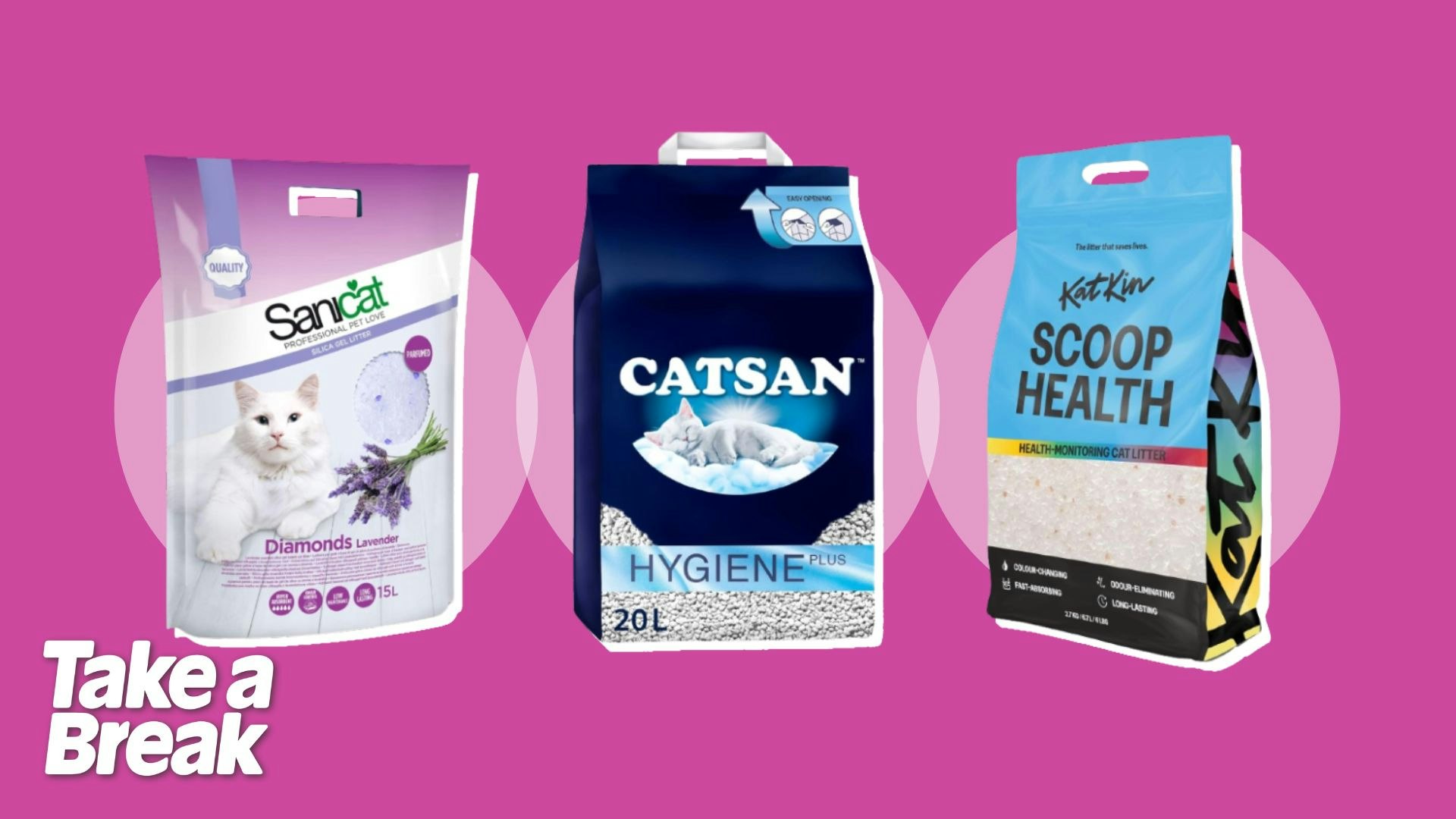
Generic cat litter encompasses store-brand private-label products and unbranded agricultural substitutes, such as kiln-dried equine pine pellets or calcined clay. These options provide the same foundational raw materials as major brand-name products at a 30% to 60% lower cost, making them a highly effective alternative when matched correctly to a feline's health needs and household odor-control requirements.
Defining Generic Cat Litter: Store Brands vs. Industrial Alternatives
Generic cat litter broadly falls into two distinct consumer categories: store-brand private-label formulations and agricultural or industrial raw-material substitutes. Understanding the difference between these two categories is essential for evaluating safety, performance, and overall value.
| Retail Private-Label Products (Target Up&Up, Walmart Great Value, Kirkland Signature, Aldi) | Agricultural & Industrial Products (Equine Pine Pellets, Floor-Dry Calcined Clay Absorbents) |
|---|---|
| Formulated specifically for cats; identical processing to name brands with minor additive differences. | Commodity materials manufactured for livestock bedding or oil spill absorption; requires vet checks. |
Retail private-label litters are manufactured by major commercial producers under contract for supermarkets, big-box stores, and pet supply chains. Products sold under labels such as Walmart Great Value, Target Up & Up, Kirkland Signature, or regional grocery store brands often originate from the exact same mineral mines and processing facilities as premium brands like Tidy Cats, Fresh Step, or Scoop Away. The primary differences lie in packaging, fragrance concentrations, dust-dedusting treatments, and marketing overhead rather than core material composition.
Agricultural and industrial substitutes represent unbranded commodities sold for non-pet applications that cat owners adapt for feline use. The most common examples are kiln-dried pine bedding pellets sold at farm supply stores for horse stalls, and calcined clay absorbent granules sold for automotive fluid cleanup. While these bulk commodities can yield dramatic cost savings, they require careful verification to ensure they do not contain toxic chemical additives, motor oil binders, or hazardous dust levels.
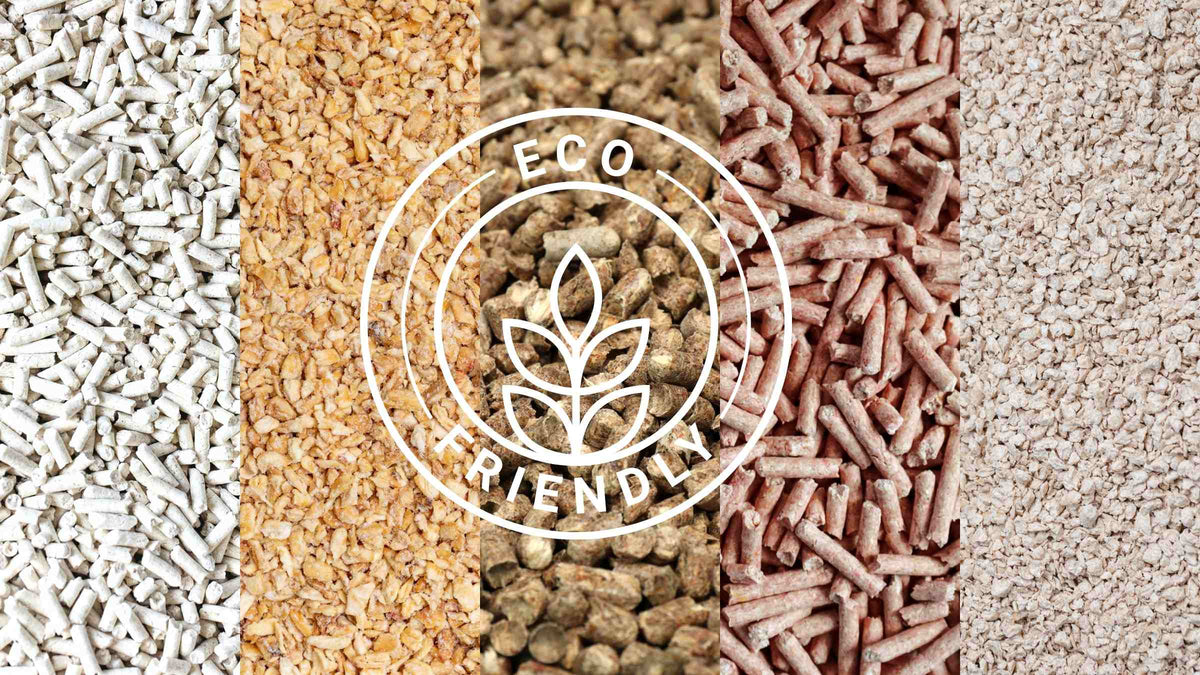
Material Breakdown: Types of Generic Cat Litters
The performance of any generic cat litter depends on its base material. Feline waste substrates rely on specific physical and chemical properties to absorb liquid, encapsulate ammonia, and form solid clumps.
1. Sodium Bentonite Clay (Clumping)
Sodium bentonite is a naturally occurring volcanic ash clay valued for its expansion capabilities. When exposed to liquid, sodium bentonite can expand up to 15 to 18 times its dry volume, forming a tight, scoopable mass. Generic clumping clay litters rely on sodium bentonite as their primary active ingredient. While store brands perform identically to name brands in liquid absorption, cheaper generic formulations may use coarser grain sizes or skip secondary dust-reduction steps, leading to higher particulate levels during pouring and scooping.
2. Calcium Bentonite and Calcined Clay (Non-Clumping)
Non-clumping generic litters typically consist of calcium bentonite clay or heat-treated calcined clay. Unlike sodium bentonite, calcium bentonite absorbs liquid into its porous structure without expanding or forming cohesive clumps. Moisture settles to the bottom of the litter box, requiring full box dump-and-replace maintenance rather than daily scooping. Industrial floor absorbents (often referred to as "floor dry") consist of calcined clay. While highly absorbent, industrial grades can vary widely in silica content and dust levels compared to pet-grade non-clumping clay.
3. Compressed Softwood Pellets (Pine)
Generic pine pellets are created by compressing sawdust under high heat and pressure, forcing natural lignins to bind the wood fibers into dense cylinders without synthetic glues. When feline urine touches a pine pellet, the compressed fiber breaks down into fine, dry sawdust that sinks to the bottom of the pan. Branded pine cat litters (such as Feline Pine) and generic equine bedding pellets (sold at farm feed stores) are physically and chemically almost identical, provided the horse bedding pellets are certified as 100% kiln-dried softwood with no added chemical binders.
4. Silica Gel Crystals
Generic silica gel litters consist of amorphous sodium silicate synthesized into porous beads or granules. The micro-porous structure of silica gel acts as a physical sponge, absorbing liquid urine while allowing water vapor to evaporate, leaving solid odor compounds trapped within the crystal structure. Generic silica crystal litters offer identical moisture retention and desiccation properties to name-brand crystal litters, often at half the price per bag.
5. Grain, Corn, and Paper Alternatives
Generic natural litters are produced from agricultural byproducts, including crushed corn cob, wheat middlings, walnut shells, and recycled post-consumer paper pellets. Non-clumping generic paper pellets absorb moisture without tracking, making them a common recommendation for post-surgical care. Corn and grain-based generic litters offer biodegradable, scoopable performance but require strict storage in dry environments to prevent mold growth or insect infestation.
Performance Analysis: Odor Control, Dust, and Longevity
Evaluating generic cat litter requires balancing initial purchase savings against functional performance metrics. A cheap litter that requires complete replacement every three days offers lower overall value than a slightly more expensive generic that lasts three weeks.
| Litter Material | Odor Binding | Dust Levels | Tracking Risk | Lifespan/Cat |
|---|---|---|---|---|
| Generic Sodium Bentonite Clay | Moderate-High | Moderate-High | High | 2-4 Weeks |
| Generic Pine Pellets | High (Natural) | Low | Low-Moderate | 3-5 Weeks |
| Generic Silica Crystals | High (Chemical) | Low | Low-Moderate | 4 Weeks |
| Generic Paper Pellets | Low-Moderate | Extremely Low | Low | 1-2 Weeks |
Odor Control Mechanisms
Name-brand litters rely heavily on proprietary chemical deodorizers, encapsulation fragrances, and activated carbon blends to neutralize ammonia ($NH_3$) and volatile organic compounds ($VOCs$). Generic litters, by contrast, rely predominantly on physical absorption and simple odor-masking agent additives like basic baking soda (sodium bicarbonate). Generic pine pellets excel in natural odor control because wood terpenes naturally neutralize ammonia odors without artificial fragrances.
Dust Mitigation
Dust content is the most significant quality boundary separating premium litters from low-cost generic alternatives. Premium brand manufacturers process clay litters through multiple air-wash vacuum steps to eliminate fine particulate matter. Lower-cost generic private-label clays often skip extensive air-washing, resulting in higher concentrations of airborne dust. Dust accumulation poses respiratory risks for both cats and human household members, particularly those with asthma or upper respiratory sensitivities.
Tracking and Longevity
Particle size directly dictates how easily litter sticks to feline paws and tracks across household flooring. Fine-grain generic clumping clays track heavily due to small particle sizes and static charge. Large-format generic pine pellets and paper cylinders rarely stick to paws, minimizing tracking around the home.
Comparative Cost and Value Evaluation
The market pricing for cat litter varies significantly between brand-name formulations, store-brand equivalents, and agricultural bulk options. Calculating the true cost of litter requires assessing the price per pound alongside average consumption rates.
| Litter Type & Category | Typical Retail Price per lb (2026 USD) | Estimated Monthly Cost (Single Cat) | Primary Pros | Primary Cons |
|---|---|---|---|---|
| Name-Brand Clumping Clay | $0.80 – $1.30 | $15.00 – $25.00 | Excellent clumping, low dust, strong added deodorizers | Higher cost, heavy weight, high tracking risk |
| Generic Store-Brand Clay | $0.35 – $0.55 | $7.00 – $11.00 | Low price, widely available, solid liquid absorption | Higher airborne dust, weaker artificial fragrances |
| Name-Brand Pine Litter | $1.10 – $1.60 | $12.00 – $18.00 | Natural pine scent, low dust, lightweight | Higher cost than agricultural equivalents |
| Generic Equine Pine Pellets | $0.15 – $0.30 | $2.50 – $4.50 | Lowest cost per pound, superior odor binding, low dust | Requires sifting litter box system, non-clumping |
| Generic Silica Gel Crystals | $1.80 – $2.50 | $10.00 – $14.00 | Long-lasting per fill, lightweight, zero clumping mess | Higher upfront bag cost, sharp texture under paw |
| Generic Recycled Paper | $0.60 – $0.90 | $10.00 – $15.00 | Virtually dust-free, post-surgical safe, biodegradable | Poor long-term odor control, frequent full box dumps |
Health, Safety, and Veterinary Considerations
While generic litters offer financial benefits, cat owners must evaluate potential biological and chemical safety factors before introducing a generic product into their home.
- FELINE LITTER SAFETY EVALUATION
- PHYSICAL INGESTION HAZARDS
- Sodium Bentonite: Kittens < 4 months risk GI blockages if ingested.
- Wood Pellets: Must be 100% natural.
- RESPIRATORY DUST HAZARDS
- Crystalline Silica: Chronic airway inflammation
- Excessive airborne particles trigger feline asthma.
- PHYSICAL INGESTION HAZARDS
Ingestion Risks in Kittens
Young kittens (under four months of age) frequently explore their environment through mouth-oriented sampling. Clumping sodium bentonite litters—whether generic or premium—pose a serious risk of gastrointestinal impaction if swallowed. The clay expands inside the moist digestive tract, creating a physical blockage. Non-clumping generic paper pellets or coarse pine pellets are the safest choices for nursing queens and weaning kittens.
Respiratory Safety and Crystalline Silica
Inhaling respirable crystalline silica dust is a recognized hazard associated with poorly washed clay litters. Prolonged exposure to airborne silica particles can cause lower airway inflammation and aggravate feline asthma. When using generic clay litters, choose formulations labeled as low-dust, or pour the litter slowly from low heights into well-ventilated rooms to minimize particulate cloud formation.
Toxicity of Chemical Additives and Oils
When purchasing generic industrial or agricultural substitutes, verification of raw materials is essential:
- Equine Pine Bedding: Ensure the manufacturer uses a 100% kiln-dried process. Uncooked pine contains naturally occurring phenols and terpenes that can cause feline liver toxicity over extended exposure. Kiln-drying vaporizes these volatile organic compounds, making the processed wood safe for cats.
- Industrial Clay Absorbents: Avoid industrial "floor dry" products meant for automotive shops unless the manufacturer explicitly certifies that the material is free of added anti-caking chemicals, mineral spirits, or heavy industrial dust.
- Fragrances: Cats possess an olfactory sense significantly more acute than humans. Heavy artificial fragrances used in low-grade generic clays to hide poor odor binding can trigger litter box avoidance and behavioral elimination outside the box.
How to Transition Your Cat to a Generic Litter
Cats are creatures of habit that exhibit strong texture and scent preferences. Abruptly swapping a familiar brand-name litter for a lower-cost generic alternative can lead to stress-induced elimination outside the litter pan.
STEP-BY-STEP TRANSITION SCHEDULE:
Days 1–3: 75% Current Litter + 25% Generic Litter
Days 4–7: 50% Current Litter + 50% Generic Litter
Days 8–10: 25% Current Litter + 75% Generic Litter
Day 11+: 100% Generic Litter
Phase 1 (Days 1 to 3): Fill the clean litter pan with 75% of your cat’s existing brand-name litter and layer 25% of the new generic litter on top. Do not force-mix the layers; allow the cat to dig and blend them naturally.
Phase 2 (Days 4 to 7): Adjust the ratio to 50% current litter and 50% generic litter. Monitor your cat's usage, checking for signs of hesitation, scratching the box walls, or perching on the edge of the pan.
Phase 3 (Days 8 to 10): Shift the mixture to 25% current litter and 75% generic litter. Ensure solid waste is scooped daily to maintain odor control during the transition window.
Phase 4 (Day 11 onward): Complete the transition to 100% generic litter. If switching from clay to a completely different texture (such as pine pellets), maintain two litter boxes side-by-side—one with the old material and one with the new—until the cat consistently chooses the new substrate.
Frequently Asked Questions
Is store-brand generic cat litter as effective at controlling odors as name brands?
Store-brand generic litters made from sodium bentonite clay or silica gel offer basic physical odor control comparable to name brands. However, premium brands often include proprietary activated carbon blends and complex neutralizer chemicals that hold up longer in multi-cat households. Adding a thin layer of plain baking soda to the bottom of the pan boosts generic litter performance to near-premium levels.
Can tractor supply pine pellets be safely used as cat litter?
Yes, provided the pine pellets are explicitly labeled as 100% kiln-dried softwood with no chemical binders, additives, or fuel additives. The high-heat kiln-drying process evaporates toxic natural pine oils (phenols), making the compressed pellets safe for feline paws and respiratory systems at a fraction of the cost of commercial pet-store pine litters.
Why is generic cat litter often dustier than premium alternatives?
Generic private-label clay litters are produced at lower price points, which often means manufacturers skip fine vacuum de-dusting cycles during post-mining processing. To control airborne dust when pouring low-cost generic clay, hold the bag close to the floor of the box and tilt it slowly rather than pouring from high above the pan.
Is generic clumping litter safe for young kittens?
No, generic clumping clay containing sodium bentonite should not be used for kittens under four months old. Young kittens frequently consume litter particles out of curiosity, and swallowed clumping clay can expand inside their stomach and intestines, causing fatal blockages. Non-clumping generic paper pellets or agricultural pine pellets are safer choices for young animals.
How much money can you save by switching to generic cat litter?
Switching from a premium brand-name clumping clay ($0.90–$1.20/lb) to a high-quality store brand ($0.35–$0.50/lb) cuts annual litter expenses by roughly 50% to 60%. Switching to agricultural generic pine pellets ($0.15–$0.25/lb) yields annual savings of 70% or more, reducing average single-cat litter costs from over $200 per year down to under $50 per year.
How to Select the Right Generic Cat Litter for Your Household
Choosing the optimal generic cat litter requires balancing household budget goals against your cat’s physical health, age, and behavioral preferences.
First, assess your cat's life stage and medical status. If you are caring for kittens under four months old, recovering post-surgical cats, or felines with documented asthma, rule out high-dust generic clays immediately. Opt instead for generic recycled paper pellets or dust-free kiln-dried pine pellets.
Second, evaluate your willingness to alter your litter box maintenance routine:
- For Scoopable Simplicity: If you prefer daily scooping of solid clumps and liquid waste, select a store-brand private-label sodium bentonite clumping clay (such as Target Up & Up or Kirkland Signature).
- For Maximum Cost Reduction: If minimizing lifetime costs is your primary goal, acquire a dual-pan sifting litter box system and switch to bulk, kiln-dried agricultural pine pellets from a regional farm supply supplier.
- For Odor Suppression in Small Apartments: If managing ammonia in a small living space without heavy artificial perfumes is paramount, choose generic silica gel crystal litters or generic natural pine.
Always execute transitions over a minimum 7-to-10-day period. Keep a consistent maintenance schedule, scrupulously verify that agricultural substitutes are free of chemical additives or raw un-kilned wood oils, and monitor your cat's elimination habits closely whenever changing substrate materials.