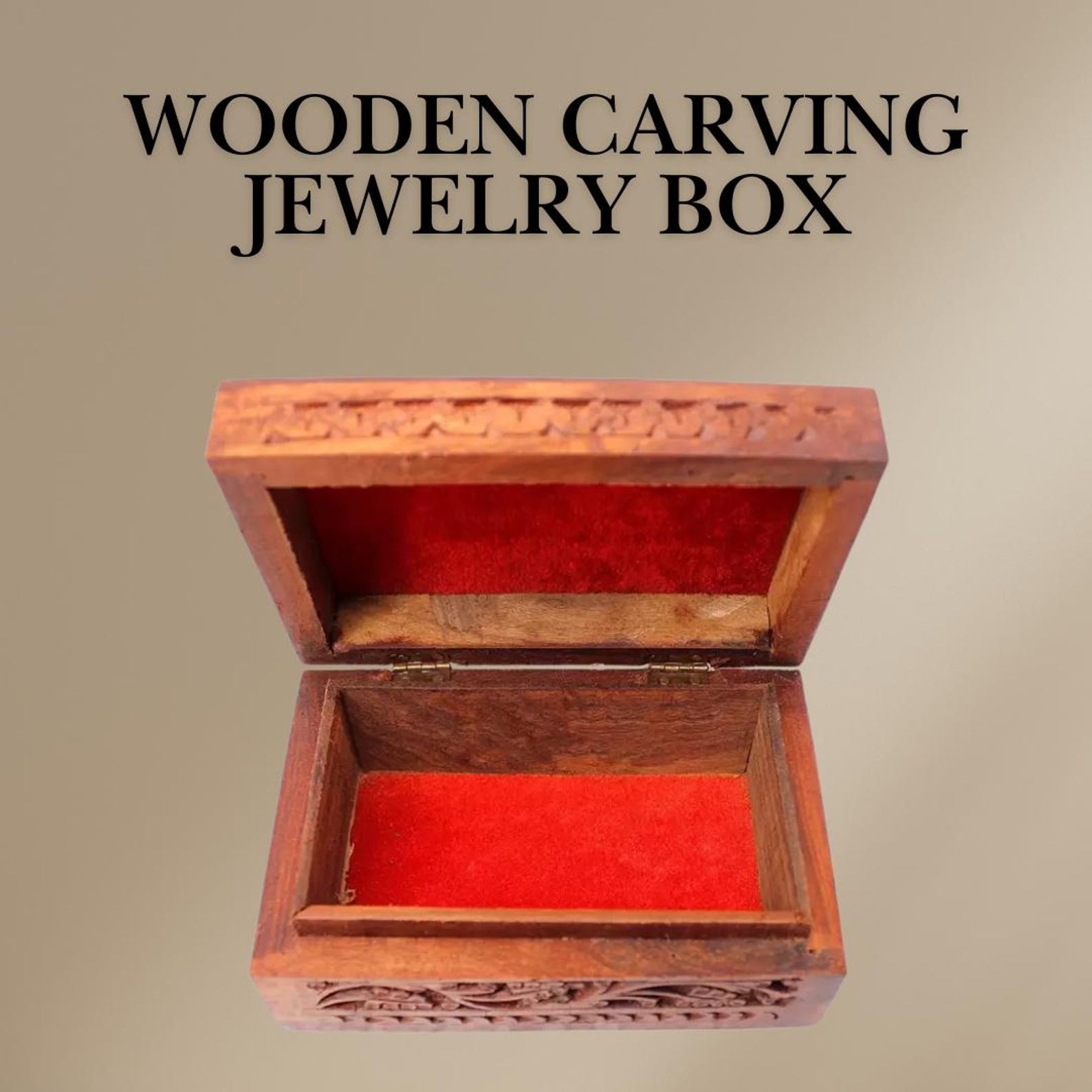
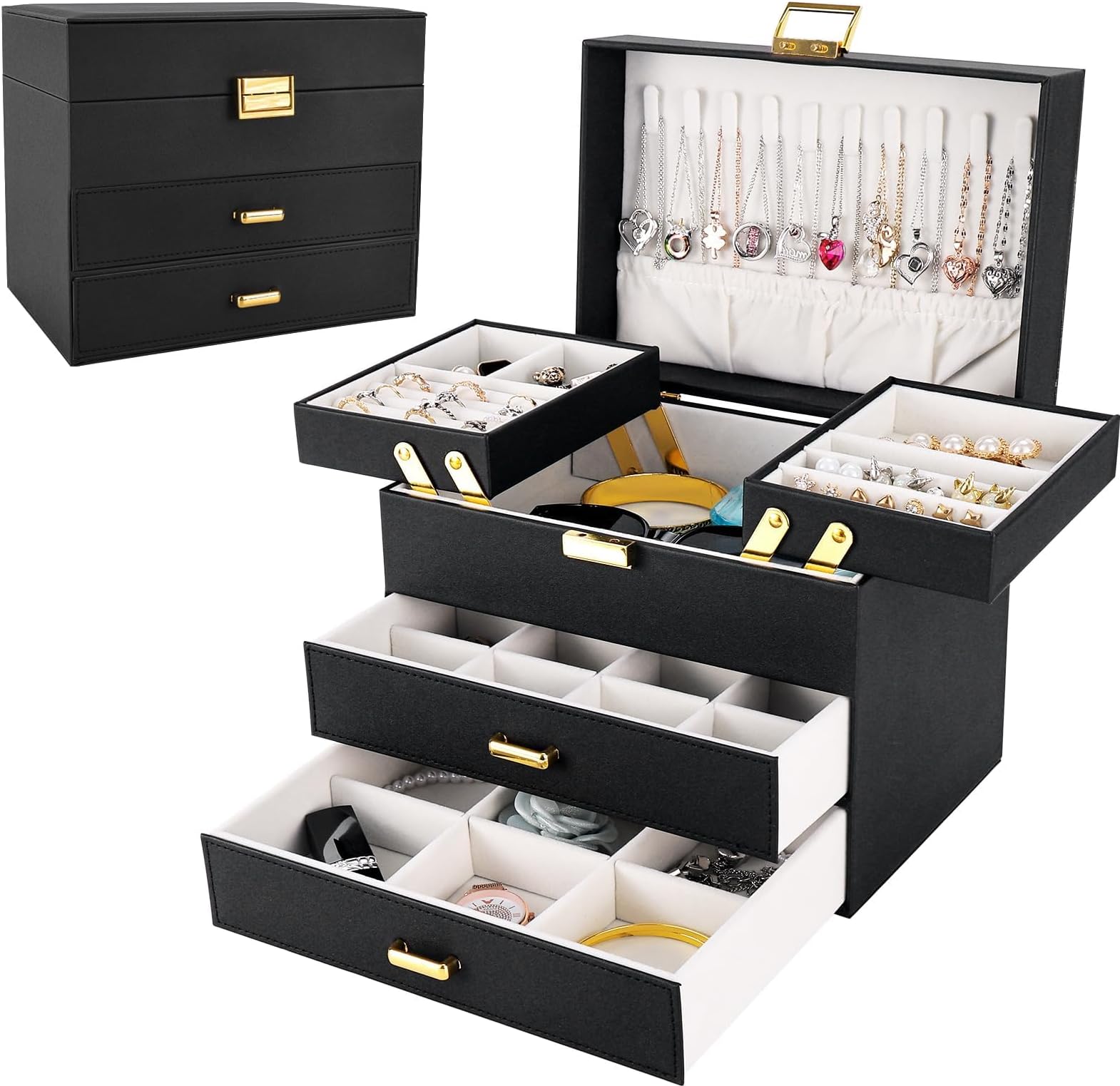
Foldable jewelry boxes are space-saving, collapsible storage solutions engineered to protect rings, necklaces, bracelets, and earrings during travel or compact home storage. Utilizing flexible score lines, hidden magnetic fasteners, or roll-up structures, these boxes expand into structured compartments when open and collapse flat when empty, optimizing storage density and transit convenience.
The Structural Mechanics of Foldable Jewelry Boxes
Foldable jewelry boxes represent a synthesis of structural packaging engineering and textile craft. Unlike traditional rigid wooden or acrylic jewelry chests, collapsible storage relies on articulated joints, flexible core materials, and precise scoring techniques to alternate between a stable three-dimensional container and a flattened two-dimensional profile.
- OUTER SHELL (PU/Fabric)
- RIGID CORE (Greyboard/HDF)
- [Score Line] V-Groove Flexing Joint
- INNER LINING (Microfiber/Velvet)
- RIGID CORE (Greyboard/HDF)
Core Materials and Structural Integrity
The backbone of any premium foldable jewelry box is its substrate. Manufacturers generally employ one of three main structural core materials:
- Heavyweight Greyboard (1.5mm to 3.0mm thickness): Recycled paperboard pressed under high pressure offers an exceptional stiffness-to-weight ratio. It serves as the standard core for flat-pack magnetic boxes.
- High-Density Fiberboard (HDF): Used in high-end collapsible boxes requiring higher impact resistance and crush strength. HDF prevents panel bowing under heavy stacking loads.
- Flexible Polypropylene (PP) Sheets: Common in ultra-lightweight travel jewelry rolls, PP sheets provide water resistance and extreme fatigue endurance across thousands of flex cycles.
Hinge Mechanics and Score Lines
To enable seamless folding without material failure, structural designers employ specialized scoring methods. For paperboard and HDF cores, V-groove cutting removes a precise wedge of material along the fold line, leaving only the outer laminate intact. This allows the core panels to meet at exact 90-degree angles without binding or bulging.
In fabric and leatherette variants, the flexible outer substrate (such as polyurethane leather or high-denier canvas) serves as a continuous living hinge across board gaps. Ultrasonic welding or reinforced edge-stitching prevents fraying along these high-stress flex points over extended usage.
Fastening and Security Systems
A foldable box must remain securely upright during use and tightly closed during transport. Modern designs rely on several key closure systems:
- Neodymium Magnetic Arrays: High-grade N35 or N42 neodymium magnets are embedded directly into the core board before lamination. Hidden within corner tabs or flap closures, they snap into place automatically when the sidewalls are raised.
- Perimeter Zipper Closures: Preferred for travel jewelry cases, self-repairing nylon coil zippers seal the outer edge, preventing micro-items like earring backs or jump rings from escaping.
- Mechanical Press Studs and Snap Buttons: Used extensively on internal holding straps for rings and necklaces, offering firm retention against accidental opening.
- Ribbon Ties: Grosgrain or satin ribbons provide traditional aesthetic appeal, frequently used on collapsible retail gift boxes where mechanical fasteners might distort flat stacking.
Primary Categorization and Design Typologies
Foldable jewelry boxes span several distinct form factors designed for specific use cases, ranging from high-volume travel to retail display and home organization.
- Foldable Jewelry Box Typologies
- Flat-Pack Rigid Magnetic Boxes (Gift & Vanity Storage)
- Roll-Up Travel Cases / Jewelry Rolls (Compact Travel)
- Book-Style Folding Cases (Layered Page Organization)
- Multi-Tier Collapsible Organizers (Maximum Capacity)
1. Flat-Pack Rigid Magnetic Boxes
Primarily used for luxury retail packaging and vanity storage, flat-pack magnetic boxes ship and store as flat sheets. They feature four diagonal interior fold lines along the side panels. When the user lifts the walls, self-adhesive corner tabs or hidden corner magnets lock the side walls to the end walls, transforming the flat sheet into a rigid, solid box within seconds.
2. Roll-Up Travel Cases (Jewelry Rolls)
Constructed without rigid side panels, jewelry rolls feature a continuous flexible backing divided into longitudinal zipped pockets, snap straps, and ring bars. The user places jewelry inside the designated slots, rolls the mat tightly into a cylinder, and secures it with an external strap, buckle, or tie. This format eliminates dead air space, making it one of the most volume-efficient packing choices for travel.
3. Book-Style Folding Cases
Book-style boxes open on a spine hinge, revealing multiple internal "pages" or padded dividers. Each page is configured for specific jewelry types—such as perforated leather panels for stud earrings or padded sleeves for brooches. The hard outer covers protect internal items from external crushing, while the bound structure prevents items from rubbing against one another.
4. Multi-Tier Collapsible Organizers
Designed for larger collections, these hybrid organizers incorporate drop-down front walls and cantilevered or stacked tray inserts. When unfastened, the sides fold outward, permitting instant visual access to multiple tiers of rings, bracelets, and watches. When folded back up, the trays lock securely into a compact rectangular cuboid.
Technical Comparison of Storage Typologies
The table below compares the primary design categories of foldable jewelry boxes across critical performance metrics:
| Typology | Core Substrate | Crush Protection | Portability | Space Efficiency (Empty) | Primary Application |
|---|---|---|---|---|---|
| Flat-Pack Magnetic Box | Heavy Greyboard / HDF | Moderate to High | Low to Moderate | High (Folds completely flat) | Retail Packaging & Vanity Storage |
| PU Leather Jewelry Roll | Flexible Polypropylene / Foam | Low (Pliable) | High | Maximum (Rolls into tight cylinder) | Short & Long-Distance Travel |
| Book-Style Folding Case | Rigid Board + Poly-fill | High | Moderate | Moderate (Fixed spine thickness) | Organized Travel & Small Vanities |
| Multi-Tier Collapsible Box | Reinforced HDF + Structural Fabric | Very High | Low | Moderate (Folds to single-tier footprint) | Comprehensive Home Organization |
Essential Material Science and Interior Protection
Protecting fine metal and gemstones from physical abrasion, tangling, and atmospheric tarnishing requires careful selection of interior lining materials.
| Lining Type | Protective Function |
|---|---|
| Microfiber Suede | Anti-abrasion, low linting |
| Plush Cotton Velvet | High cushioning for delicate gems |
| Anti-Tarnish Flannel | Neutralizes atmospheric sulfur oxides |
| Closed-Cell EVA Foam | Structural retention for ring slots |
Lining Fabrics and Anti-Tarnish Technology
The interior surface of a jewelry box directly touches sensitive metals such as sterling silver, karat gold, and platinum.
- Microfiber Suede: A synthetic matrix of extremely fine polyester and polyamide fibers. Microfiber provides an ultra-soft, non-abrasive contact layer that prevents micro-scratching on polished metal surfaces.
- Plush Cotton Velvet: Delivers deep pile depth, absorbing mechanical shocks and preventing gemstone facets from clashing.
- Anti-Tarnish Linings (Chemical Ingestion Technology): High-performance jewelry cases utilize fabrics treated with specialized copper particles or zinc-based tarnish inhibitors. These compounds actively react with airborne atmospheric sulfur contaminants (such as hydrogen sulfide) before the sulfur can react with silver or base metals, preventing the formation of black silver sulfide surface tarnish.
Anti-Tangle Engineering for Necklaces
The single most frequent failure point in soft travel organizers is chain tangling. Proper foldable jewelry box designs incorporate three structural elements to prevent chain knotting:
- Top Retention Straps: Leather or fabric loops secured with snap buttons isolate the top loop of each necklace chain.
- Drop-Path Dividers or Pockets: Elasticated lower pouches hold the pendant and lower chain slack, keeping individual chains physically separated from adjacent pieces.
- Tension Holding Pads: High-density foam inserts or padded leaves apply gentle compressive force against the chain when the box is closed, keeping the links stationary during movement.
Key Selection Criteria for Buyers
Selecting the appropriate foldable jewelry box requires matching technical features to your specific usage scenario, storage requirements, and jewelry types.
- Determine Primary Use Case
- Travel & Mobility
- Weight Limit
- Zipper Security
- Anti-Tangle Loops
- Home & Display
- Aesthetic Finish
- Stacking Strength
- Compartment Modulars
- Travel & Mobility
1. Daily Usage Context: Travel vs. Home Storage
For air travel, weight and volume packed into luggage are paramount. A soft PU leather roll or compact book-style case is ideal because it conforms to available bag space and adds negligible weight. Conversely, for static home organization or retail display, a flat-pack magnetic box with structured dividers provides superior stacking strength and structural protection.
2. Collection Makeup and Compartment Ratios
Evaluate the types of jewelry you own before selecting a layout:
- Ring-Heavy Collections: Look for continuous, high-density EVA foam ring rolls capable of holding multiple rings securely without compressing over time.
- Necklace & Pendant Collections: Ensure the design includes at least four dedicated snap-loops with elastic drop-pockets to isolate long or thick chains.
- Earring Collections: Select boxes featuring removable, laser-drilled earring cards or rigid leaf panels with offset hole spacing so earring backings do not scratch lower items.
3. Durability of Score Lines and Hinges
If purchasing collapsible boxes for high-frequency assembly, inspect the joint construction. Paper-laminated fold lines can crack after repeated cycling. Look for score lines reinforced with woven textile backings, embedded fabric hinges, or high-grade polyurethane shells, which resist tearing across thousands of folds.
Practical Maintenance and Care Instructions
To maximize the service life of a foldable jewelry box, follow these targeted cleaning and care practices based on material composition:
Cleaning Exterior Shells
- Polyurethane (PU) Leather: Wipe clean using a soft, lint-free cloth lightly dampened with water and mild dish soap. Avoid alcohol-based solvents, acetone, or abrasive scrubbers, which degrade the synthetic grain coat and cause surface peeling.
- Textile Fabrics (Canvas/Linen): Spot-clean using a mild upholstery cleaner applied with a soft-bristle brush. Dab dry with an absorbent towel; do not saturate the underlying paperboard core with water.
- Laminated Paperboard: Dust with a dry microfiber cloth. Avoid all moisture, as water can penetrate edge seams, swelling the underlying greyboard core and causing permanent warping.
Maintaining Interior Linings
- Dust and Lint Removal: Use low-tack painter's tape wrapped around your fingers or a dedicated miniature vacuum attachment to gently lift dust from velvet ring slots and flocking. Avoid standard lint rollers with aggressive adhesive, which can strip away loose fabric fibers.
- Deodorizing and Moisture Control: Place a small silica gel packet inside the folded box during storage to absorb residual humidity. Never store jewelry in a damp box, as moisture accelerates tarnish on base metals and degrades adhesive bonds inside the case.
Frequently Asked Questions
How do foldable jewelry boxes prevent necklaces from tangling during travel?
Foldable jewelry boxes prevent necklace tangling by enforcing physical isolation and taut alignment along the chain path. Secure designs feature individual snap loops or tabs at the top to anchor each chain, combined with elasticized bottom pockets that contain pendants and excess chain length. When the box is folded or rolled shut, internal padded walls compress gently against the chains, preventing lateral movement and knot formation caused by luggage agitation.
Are flat-pack magnetic jewelry boxes durable enough for repeated re-folding?
The durability of flat-pack magnetic boxes depends on hinge construction. High-end variants featuring textile-reinforced hinges or thick polyurethane covers can endure hundreds of folding cycles without structural degradation. However, lower-cost models made with unreinforced paper laminates are primarily designed for flat shipping and single-time assembly; frequent collapse and re-erection of paper-hinged boxes will eventually cause material fatigue and cracking along score lines.
Which interior lining materials offer the best anti-tarnish protection for sterling silver?
Microfiber and cotton velvet fabrics impregnated with sulfur-binding compounds (such as micro-encapsulated copper or zinc neutralize agents) offer the highest level of tarnish protection. Standard untreating plush fabrics provide mechanical protection against scratches but do not stop atmospheric oxidation. For optimal long-term silver preservation, select a box explicitly built with anti-tarnish fabric, or store items alongside dedicated anti-tarnish strip inserts.
What is the primary functional difference between a jewelry roll and a book-style folding box?
A jewelry roll prioritizes extreme packing flexibility and minimal volume by wrapping soft compartments around a flexible core into a cylindrical shape. A book-style folding box utilizes rigid flat panels hinged on a central spine, offering structured crush protection that prevents delicate or rigid items—such as wire hoop earrings, hard bangles, or structured brooches—from being crushed under luggage pressure.
How should I store a foldable jewelry box when it is not in use?
When storing a rigid flat-pack box, unfasten the corner closures and flatten the panels completely to relieve strain on the magnetic joints and flex seams. Keep the flattened box in a cool, dry room away from direct sunlight to prevent adhesive breakdown or material discoloration. For flexible travel rolls, leave the interior empty, lay the mat flat or loosely loosely rolled, and include a fresh silica gel packet to prevent moisture retention within the velvet pile.
Selecting Your Optimal Storage Solution
To choose the right foldable jewelry box, evaluate your primary use case against your collection's specific structural needs. If you travel frequently with a mix of delicate chains and stud earrings, prioritize a soft PU leather roll or book-style organizer equipped with isolated chain loops, drop pockets, and anti-tarnish lining. For organizing a larger collection at home or presenting fine jewelry as a gift, choose a rigid flat-pack box made from high-density greyboard with corner magnets and modular tray inserts. Ensure that all high-stress fold lines feature textile-reinforced hinges, and always store your box in a climate-controlled space with silica desiccant packets to preserve both the packaging structure and your jewelry pieces over time.