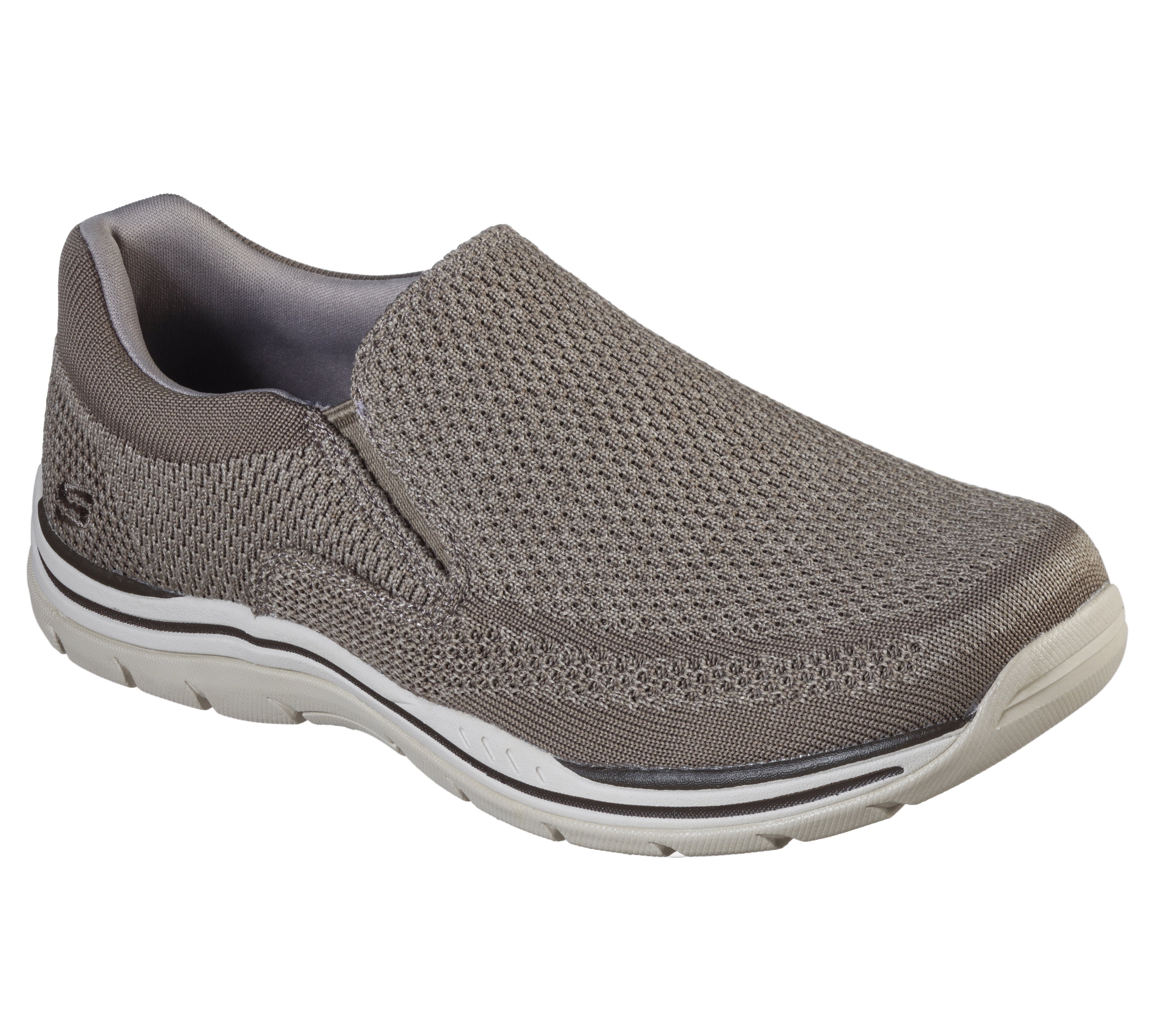
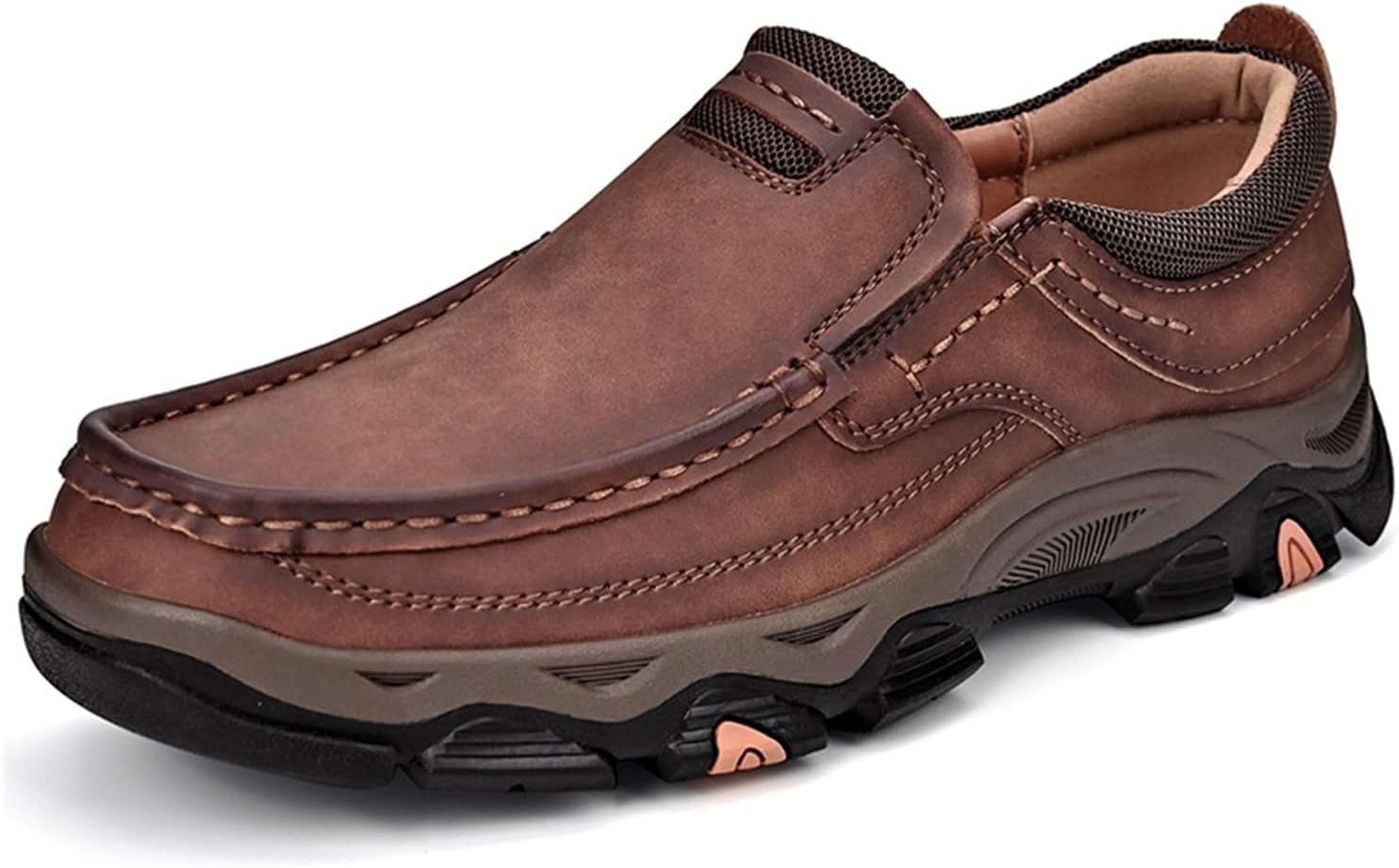
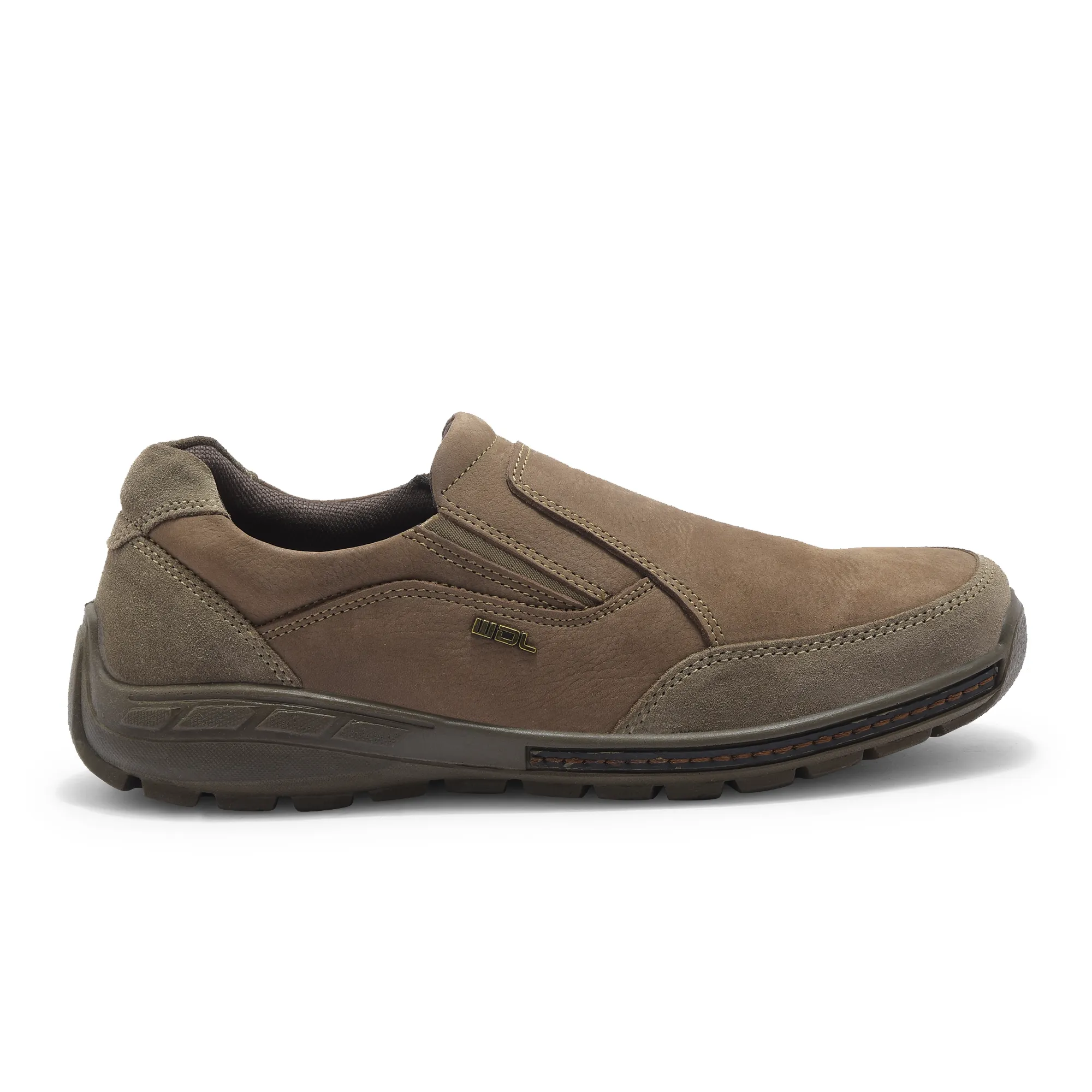
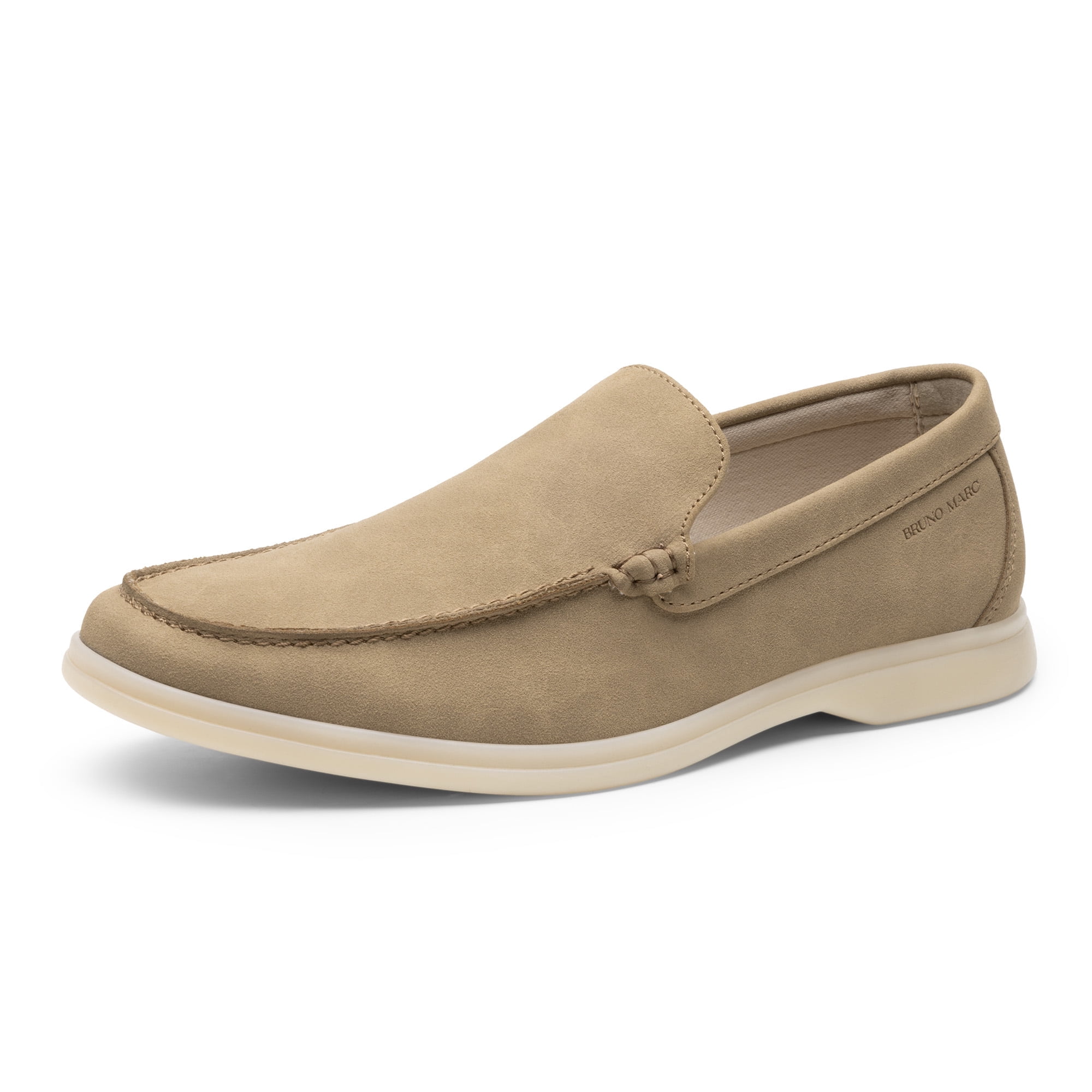
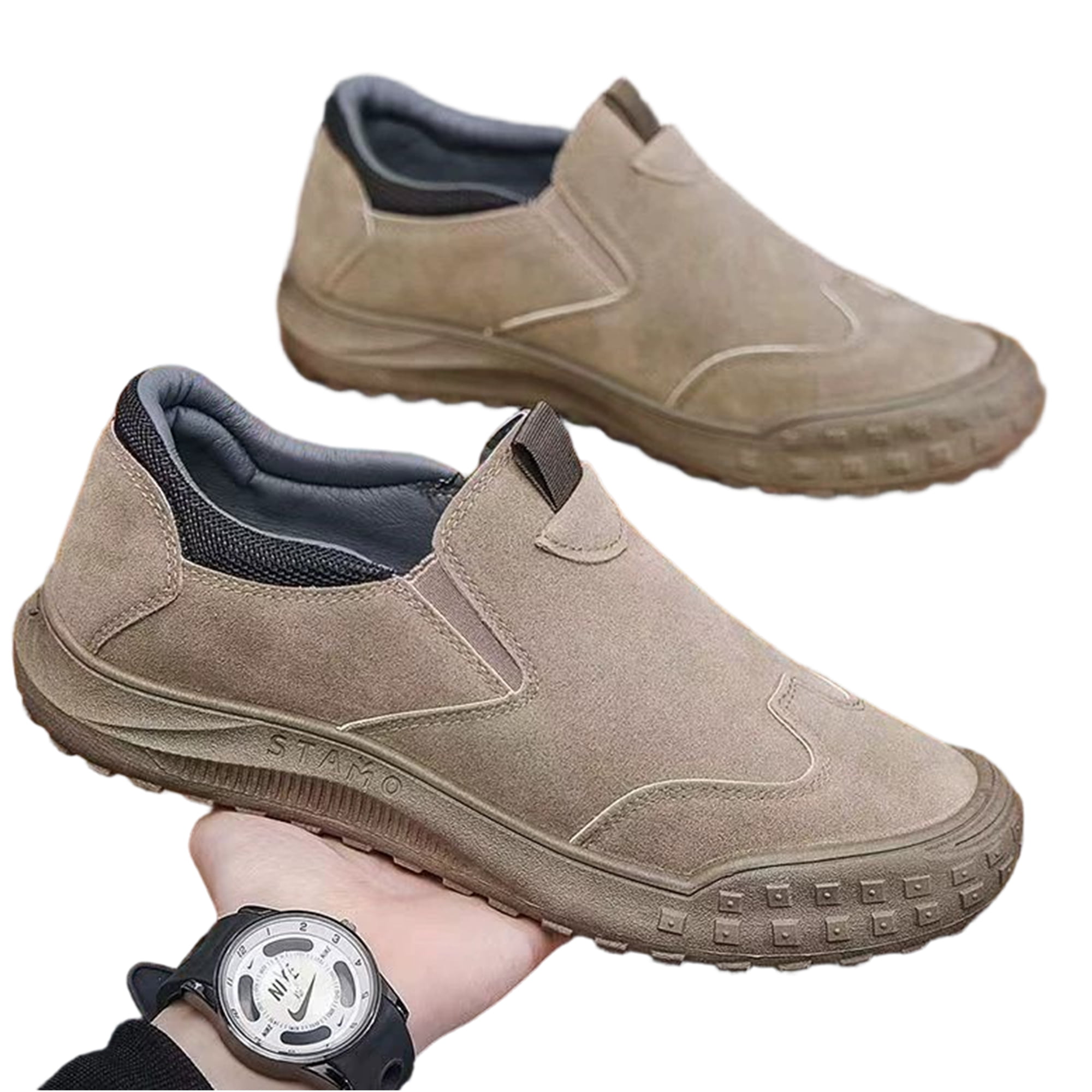
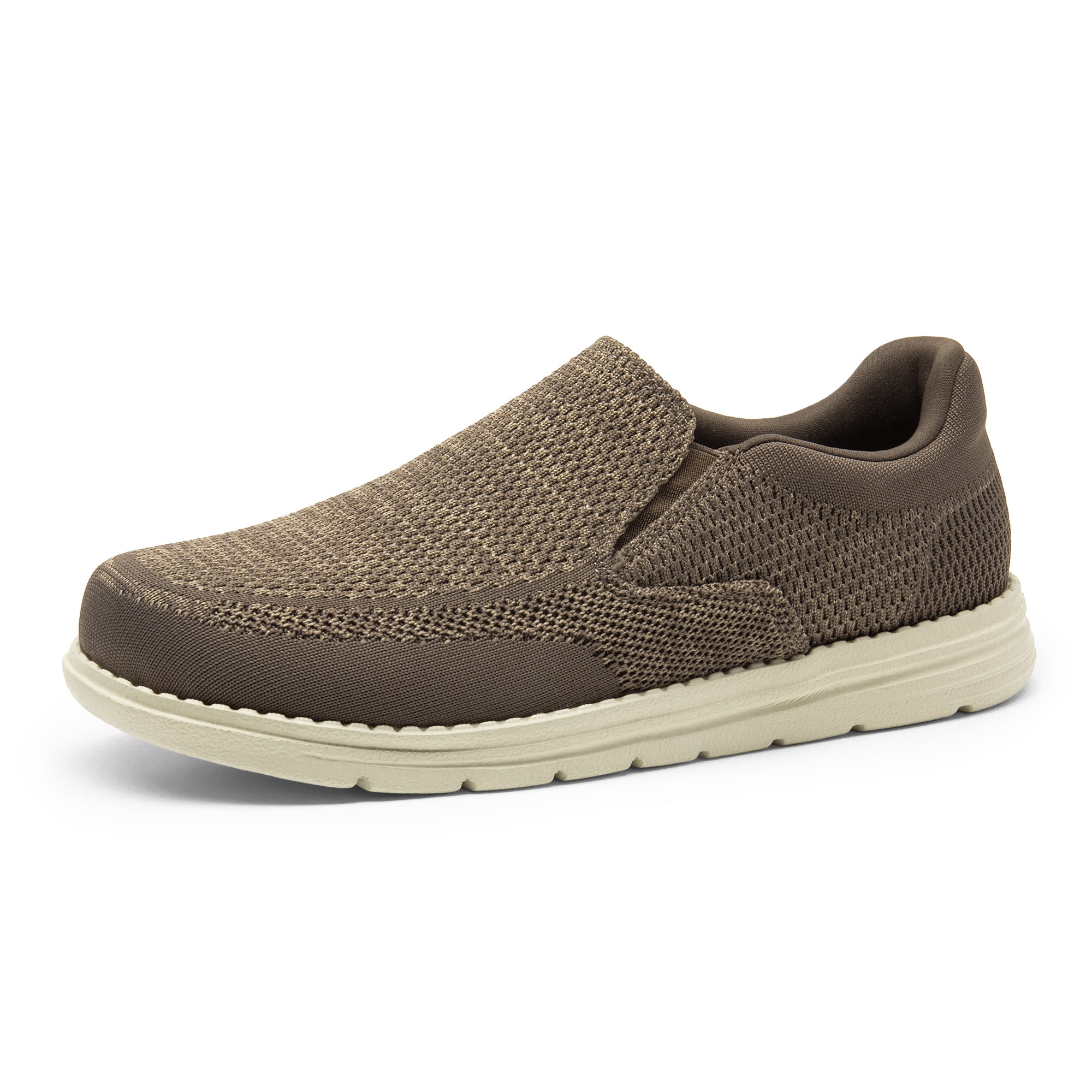
Casual slip-on shoes for men offer an optimal blend of convenience, comfort, and style, spanning classic leather loafers, low-profile driving shoes, breathable canvas slip-ons, and modern knit sneakers. Selecting the ideal pair requires assessing shoe construction, upper materials, instep height, and sole flexibility to achieve a secure fit without laces across varied everyday settings.
Primary Categories of Men's Casual Slip-On Shoes
Understanding the landscape of men's slip-on footwear begins with recognizing the structural and aesthetic differences among the primary shoe categories. While all slip-on shoes share the absence of a traditional lacing system, their silhouette, formality, and functional design vary significantly.
- Casual Slip-On Footwear Taxonomy
- Loafers
- Penny
- Venetian
- Bit / Tassel
- Slip-On Sneakers
- Canvas Skate
- Engineered Knit
- Leather Minimalist
- Moccasins & Drivers
- Driving Moccasins
- Camp Mocs
- Loafers
Classic Loafers (Penny, Venetian, and Bit)
Loafers represent the most structured tier of casual slip-on footwear. Originating from Scandinavian farming footwear and popularized in North America during the mid-20th century, loafers feature a distinct heel, a stitched apron toe, and an upper that sits below the ankle.
- Penny Loafers: Defined by a leather strap (saddle) running horizontally across the vamp with a diamond-shaped cutout. They bridge the gap between business casual and relaxed weekend wear.
- Venetian Loafers: Characterized by an unadorned, clean vamp with no decorative straps, stitching, or hardware. Their minimalist profile makes them versatile for contemporary casual outfits.
- Bit and Tassel Loafers: Featuring metal hardware (horsebit) or hanging leather tassels across the instep. While traditionally more formal, suede variations offer an elevated casual aesthetic.
Slip-On Sneakers
Slip-on sneakers replace fixed eyelets and laces with elastic side panels, known as elastic gores. These shoes sit flat on the ground with a uniform rubber midsole, providing a sporty, youthful appearance.
- Canvas Slip-Ons: Pioneered by skate culture, canvas slip-ons feature low-profile vulcanized rubber soles and durable cotton uppers. They excel in warm-weather environments and informal settings.
- Engineered Knit Slip-Ons: Modern footwear engineering has introduced digitally knitted synthetic uppers (such as polyester blends) that offer localized stretch and ventilation. These designs prioritize lightweight cushioning and ergonomic flexibility.
- Leather Minimalist Slip-Ons: Constructed with smooth full-grain leather or matte suede on a cupsole, these slip-ons deliver a refined aesthetic suitable for casual offices.
Moccasins and Driving Shoes
Moccasins utilize a soft, wrapped construction where a single piece of leather forms the bottom and sides of the shoe, stitched at the top to a U-shaped vamp panel.
- Driving Shoes (Drivers): A specialized adaptation of the traditional moccasin, driving shoes replace a continuous solid outsole with exposed rubber nubs (pebbles) or segmented rubber pads. The rubber extends up the back of the heel counter to provide grip on vehicle pedals and prevent scuffing.
- Camp and Venetian Moccasins: Built with flexible leather or suede and a thin, flat rubber bottom, camp moccasins offer barefoot-like flexibility suited for indoor lounging and short outdoor walks.
Espadrilles
Espadrilles are lightweight summer shoes defined by a natural jute rope midsole wrapped around a canvas or suede upper. The jute sole is typically reinforced with a thin rubber layer underneath to prevent moisture absorption and abrasion. They are strictly warm-weather casual shoes intended for relaxed, informal environments.
Material Selection and Upper Construction
The material composition of a slip-on shoe determines its breathability, durability, water resistance, and break-in timeline. Because laceless shoes rely entirely on upper tension to remain secured to the foot, material elasticity and structural integrity are critical considerations.
| Material Type | Breathability Level | Water Resistance | Maintenance Level |
|---|---|---|---|
| Full-Grain Leather | Moderate | High (When Treated) | Moderate (Polishing) |
| Suede / Nubuck | Moderate to High | Low (Requires spray) | High (Brushing/Eraser) |
| Cotton Canvas | High | Very Low | Low (Spot Cleaning) |
| Engineered Knit | Very High | Low | Low (Machine/Hand) |
Leathers: Full-Grain, Suede, and Nubuck
Leather remains the benchmark material for premium casual slip-on shoes due to its ability to conform to the wearer's foot shape over time.
- Full-Grain Leather: The top layer of the hide, retaining natural grain patterns and maximum fiber strength. Full-grain leather offers superior durability and develops a rich patina. It resists moisture better than suede but requires a distinct break-in period to soften around the instep and heel.
- Suede: Created by splitting the underside of the hide, suede features a soft, napped finish. Suede slip-ons are inherently softer and more flexible out of the box than smooth leather, making them ideal for casual summer loafers and driving shoes. However, suede is susceptible to water staining and requires protective sprays.
- Nubuck: Top-grain leather that has been lightly sanded on the exterior to create a fine, velvet-like nap. It provides greater tensile strength and structure than traditional suede while maintaining a soft surface texture.
Textiles and Engineered Synthetics
Textile uppers prioritize weight reduction and airflow over long-term repairability.
- Cotton Canvas: Heavy-duty canvas (typically 10 oz to 12 oz weight) offers structural body while allowing air circulation. Canvas expands slightly with wear but does not mold to the anatomical contours of the foot to the same degree as natural leather.
- Performance Knits: Knit uppers utilize varying stitch densities across the shoe. High-density stitches reinforce the heel cup and toe box, while lower-density open stitches cover the forefoot to maximize ventilation.
Sole Engineering, Construction Methods, and Support
The outsole and midsole architecture govern how a slip-on shoe absorbs impact, flexes during locomotion, and protects the foot structure.
- Cemented / Vulcanized Sole: Upper bonded directly to sole via chemical adhesives. Lightweight and flexible, but non-resolable.
- Stitched / Goodyear Welted: Upper stitched to welt/midsole for high durability, structural support, and full resolability.
Outsole Materials and Midsole Cushioning
- Vulcanized Rubber: Common in classic slip-on sneakers, vulcanizing melts raw rubber with sulfur at high temperatures to bond the sole directly to the upper. This creates a flexible, slip-resistant, and abrasion-resistant bottom, though it offers minimal arch support or impact cushioning.
- Ethylene-Vinyl Acetate (EVA): Modern casual slip-ons often employ molded EVA midsoles. EVA is a light, flexible polymer that absorbs ground shock efficiently, reducing physical fatigue during extended walking.
- Natural Crepe Rubber: Crinkled, unvulcanized natural rubber soles provide distinct texture and plush underfoot cushioning. Crepe soles are soft and quiet, though they absorb surface dirt over time.
- Rubber Pebble Soles: Specific to driving shoes, these segmented rubber studs offer maximum pedal tactile feedback. However, because the leather underbody contacts the pavement between the studs, wearing driving shoes on rough concrete quickly wears down the leather seams.
Construction Methods: Cemented vs. Stitched
- Cemented Construction: The upper is bonded directly to the sole using high-strength chemical adhesives. Cemented shoes are lighter, more flexible out of the box, and more economical, but they generally cannot be resoled once the tread wears down.
- Blake Stitching: The upper is folded under the insole and stitched directly through to the outsole using a single thread. This creates a sleek profile with enhanced flexibility while remaining resolable by a qualified cobbler.
- Goodyear Welt Construction: Found primarily on high-end leather casual loafers, a leather welt is stitched around the perimeter of the upper and insole, and the outsole is then stitched to the welt. Goodyear welted footwear offers superior water barrier integrity and can be resoled repeatedly.
Biomechanical Considerations and Foot Health
Because slip-on footwear lacks lacing hardware to cinch the upper tightly against the instep, improper fitting can lead to toe clutching (clawing toes to keep the shoe attached) or heel slippage. The American Podiatric Medical Association emphasizes the importance of structural shank support and an anatomically contoured footbed to mitigate heel pain, plantar fasciitis, and excessive foot pronation during daily wear.
Fit Dynamics: Achieving the Correct Sizing Without Laces
Achieving an accurate fit in a slip-on shoe requires evaluating parameters that differ from lace-up footwear. Laces allow a shoe to accommodate varying instep heights and foot volumes, whereas a slip-on must fit correctly through its static patterning and elastic retention.
- Correct Fit Checkpoints
- Instep: Firm pressure without severe pinching
- Heel: Zero lifting or minor 1/8" initial play
- Forefoot: Snug sides, 3/8" toe space
Key Fit Parameters
- Instep Tension: The top section of the shoe upper (the throat or vamp) must fit firmly against the bridge of the foot. If the instep is too loose, the foot will slide forward; if it is too tight, it will restrict blood circulation and cause localized nerve irritation.
- Heel Retention: The heel counter must cup the calcaneus securely. When walking, the heel should experience minimal lifting (no more than 1/8 inch during the initial break-in period). Excessive lifting indicates the shoe is too long or has too much vertical volume.
- Forefoot Width and Toe Box Clearance: The widest part of the foot (the ball) should align with the widest part of the shoe flex point. Leave approximately 3/8 inch of space between the longest toe and the end of the toe box.
Managing Sizing Differences
- Sizing Down: Many men need to select a half-size smaller in leather slip-on loafers than in laced running sneakers, as leather stretches slightly over time and laceless shoes demand a tighter baseline fit.
- Using Fit Modifiers: If a slip-on shoe fits correctly in length but exhibits slight volume excess, adding a thin leather tongue pad inside the throat or placing a thin leather inner liner beneath the footbed will effectively reduce interior space and secure the heel.
Comparison Matrix: Casual Slip-On Categories
The following table summarizes the structural attributes, maintenance expectations, and operational limits of the primary men's casual slip-on styles:
| Footwear Style | Typical Upper Materials | Sole Construction | Relative Durability | Primary Casual Setting | Resolable Potential |
|---|---|---|---|---|---|
| Penny Loafer | Full-Grain Leather, Suede | Goodyear Welted or Blake Stitched | Very High (5–10+ Years) | Smart Casual, Office, Evening | Yes (High) |
| Venetian Loafer | Smooth Leather, Suede | Blake Stitched or Cemented | High (3–7 Years) | Business Casual, Smart Casual | Moderate |
| Slip-On Sneaker | Canvas, Knitted Synthetics | Vulcanized Rubber or Cemented EVA | Moderate (1–3 Years) | Relaxed Casual, Travel, Weekend | No |
| Driving Shoe | Soft Suede, Nubuck | Rubber Pebble / Segmented Pads | Low to Moderate (1–2 Years on pavement) | Driving, Indoor Casual, Resort | No |
| Espadrille | Cotton Canvas, Light Suede | Jute Rope with Rubber Layer | Low (1 Season) | Warm Weather, Beach, Vacation | No |
Styling Casual Slip-On Shoes Across Dress Codes
Styling casual slip-on shoes requires matching the texture, mass, and structure of the shoe to the silhouette and weight of the clothing.
- Formal Spectrum (Low Formality to High Formality):
- Espadrilles
- Canvas Sneakers
- Drivers
- Suede Loafers
- Leather Loafers
Smart Casual and Office Environments
For informal office spaces and smart casual events, leather or high-grade suede penny loafers and Venetian loafers perform best.
- Trousers: Combine dark brown, burgundy, or navy suede loafers with tailored chinos, wool-blend trousers, or dark, un-distressed selvage denim.
- Proportions: Ensure the pant hem has a slight break or no break at all. Trouser cuffs that drag over laceless shoes disrupt the clean lines of the shoe's throat and heel counter.
Weekend and Travel Outfits
When comfort and mobility are paramount, slip-on sneakers and driving shoes excel.
- Apparel Pairing: Pair knit or canvas slip-on sneakers with tapered joggers, drawstring linen pants, or casual cotton shorts.
- Layering: Combine with clean crew-neck t-shirts, polo shirts, or unbuttoned overshirts for an uncluttered look.
The Sock Strategy: Invisible, Standard, or Barefoot
- No-Show / Invisible Socks: The preferred option for low-profile slip-ons, canvas sneakers, and summer loafers. High-quality no-show socks feature silicone heel grips to prevent the sock from sliding down under the foot.
- Sockless: Wearing slip-ons without socks creates maximum airflow but introduces moisture and friction directly to the shoe lining. To mitigate odor and degradation, use washable terrycloth insoles or apply cedar shoe powder.
- Visible Casual Socks: Textured cotton, wool-blend, or rib-knit socks pair effectively with structured leather penny loafers when wearing trousers during cooler seasons.
Maintenance, Restoration, and Care Protocols
Proper shoe care extends the life of casual slip-ons, prevents premature material breakdown, and maintains aesthetic clarity.
- Routine Shoe Maintenance Cycle:
- Insert Shoe Trees: After every wear to absorb moisture.
- Surface Cleaning: Brush off dirt with horsehair.
- Conditioning/Protection: Leather cream every 6 weeks; suede spray seasonally.
Care Protocols for Leather and Suede
- Use Cedar Shoe Trees: Insert tensioned cedar shoe trees into leather and suede loafers immediately after removal. Cedar absorbs internal sweat, prevents moisture from curling the outsole, and maintains the original shape of the vamp.
- Brushing Suede: Clean suede slip-ons regularly using a dedicated horsehair or brass-bristle suede brush. Brushing removes surface dust and restores the directional nap of the leather.
- Leather Conditioning: Apply a small amount of neutral leather conditioner or cream every 6 to 8 weeks. Avoid heavy wax polishes on casual loafers, as wax build-up can crack across the vamp flex points.
- Stain Erasers: Treat oil or scuff marks on suede and nubuck using a suede eraser block, rubbing in light, circular motions before brushing the nap smooth.
Cleaning Canvas and Knit Slip-Ons
- Spot Cleaning: Clean canvas and knit slip-on sneakers by hand using cold water, a mild shoe detergent, and a soft synthetic brush.
- Drying: Air dry canvas shoes at room temperature, stuffed with white paper towels to maintain shape. Never place casual slip-ons in an electric clothes dryer, as excessive heat breaks down rubber cements and warps synthetic midsoles.
Frequently Asked Questions
Should you wear socks with casual slip-on shoes?
Yes, wearing socks is generally recommended for hygienic reasons and to reduce skin friction. Invisible (no-show) socks cut below the shoe collar provide the visual appearance of going sockless while absorbing sweat and protecting the interior leather or fabric lining from odor-causing bacteria.
How do you stop slip-on shoes from slipping at the heel?
If a slip-on shoe fits correctly in length but slips at the heel, install a self-adhesive suede heel grip inside the back of the heel counter. Alternatively, placing a thin leather tongue pad under the vamp pushes the foot back toward the heel cup, eliminating excess vertical space.
Are driving shoes durable enough for daily urban walking?
No. Driving shoes feature segmented rubber studs exposed directly through a soft leather sole. Walking extensively on concrete or asphalt surfaces grinds down these rubber pebbles rapidly and destroys the exposed stitching on the underside of the shoe. Keep driving shoes reserved for driving, indoor settings, or short trips on soft surfaces.
What is the primary difference between a loafer and a slip-on sneaker?
Loafers feature a distinct, separate heel block and are constructed around traditional shoe lasts using stitched leather or suede. Slip-on sneakers feature a flat, continuous rubber outsole (often vulcanized or cupsole), elastic side gores, and a overall sportier silhouette suited for casual wear.
How tight should new leather slip-on shoes feel right out of the box?
New leather slip-on shoes should feel snug across the instep and sides of the foot without causing sharp pain or restricting toe movement. Because leather stretches up to a half-size across pressure zones with regular wear, a slightly snug initial fit prevents the shoe from becoming loose later.
Step-by-Step Selection Framework for Buying Casual Slip-On Shoes
To select the correct casual slip-on shoe for your needs, follow this structured decision-making process:
- Define Primary Use Case:
- Office/Smart Casual: Select a structured leather or suede Penny or Venetian Loafer with a Blake-stitched or Goodyear-welted sole.
- Daily Casual/Travel: Choose a minimal leather or knit Slip-On Sneaker with an EVA or vulcanized rubber sole.
- Warm-Weather/Resort: Choose a lightweight Canvas Slip-On, Suede Driving Moccasin, or Espadrille.
- Measure Foot Volume and Instep:
- If you have a high instep, prioritize slip-on designs with wide elastic gores or loafers with low vamp heights to prevent top-of-foot compression.
- If you have a low instep or narrow heel, look for shoes with padded collars or prepare to use thin leather insoles to adjust volume.
- Evaluate Construction Quality:
- Inspect stitching along the vamp edge and heel counter for uniform thread tension.
- Verify that elastic gores flex easily and spring back instantly to their original resting shape.
- Confirm Sizing and Break-in Plan:
- Try on shoes late in the afternoon when your feet are slightly expanded.
- Wear the exact sock style (no-show or standard casual) you plan to pair with the shoe.
- Walk on a carpeted surface to confirm that heel lift does not exceed 1/8 inch before wearing outdoors.