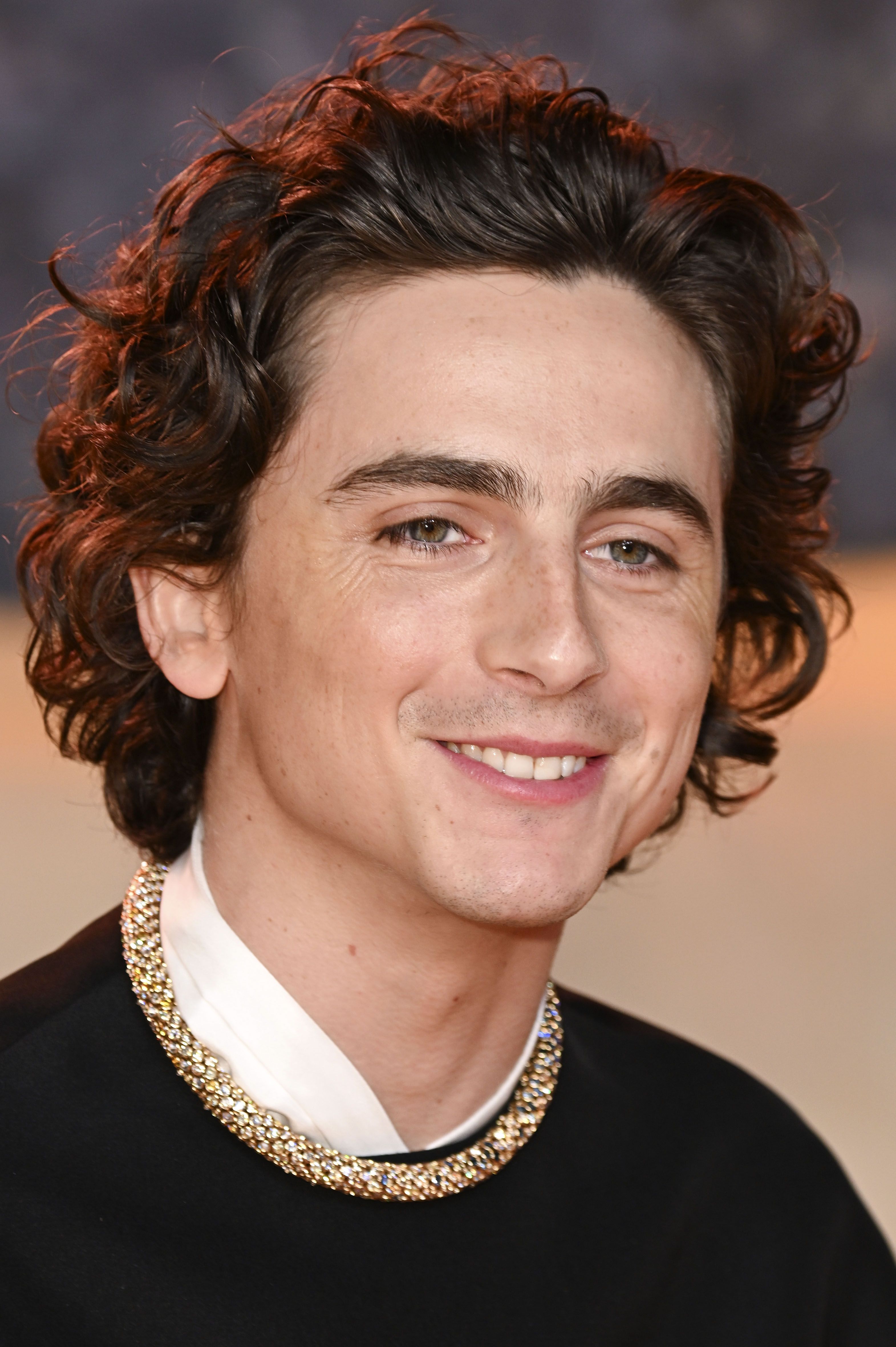
A Complete Unknown is a biographical music drama directed by James Mangold that chronicles Bob Dylan’s formative years in New York City during the early 1960s. Starring Timothée Chalamet as Dylan, the film details his rapid rise within the Greenwich Village folk music scene, his complex artistic relationships, and his revolutionary, highly controversial transition to electric rock music at the 1965 Newport Folk Festival.
Cinematic Narrative: The Transformation of Bob Dylan (1961–1965)
The narrative structure of A Complete Unknown focuses tightly on a concise, four-year span in Bob Dylan's life rather than attempting a sprawling, cradle-to-grave biopic. Opening in 1961, the film captures nineteen-year-old Robert Allen Zimmerman arriving in New York City from Minnesota with little more than an acoustic guitar, a suit jacket, and an unyielding commitment to reinventing himself. Driven by a desire to visit his dying idol, folk legend Woody Guthrie, Dylan quickly immerses himself in the bohemian culture of Greenwich Village.
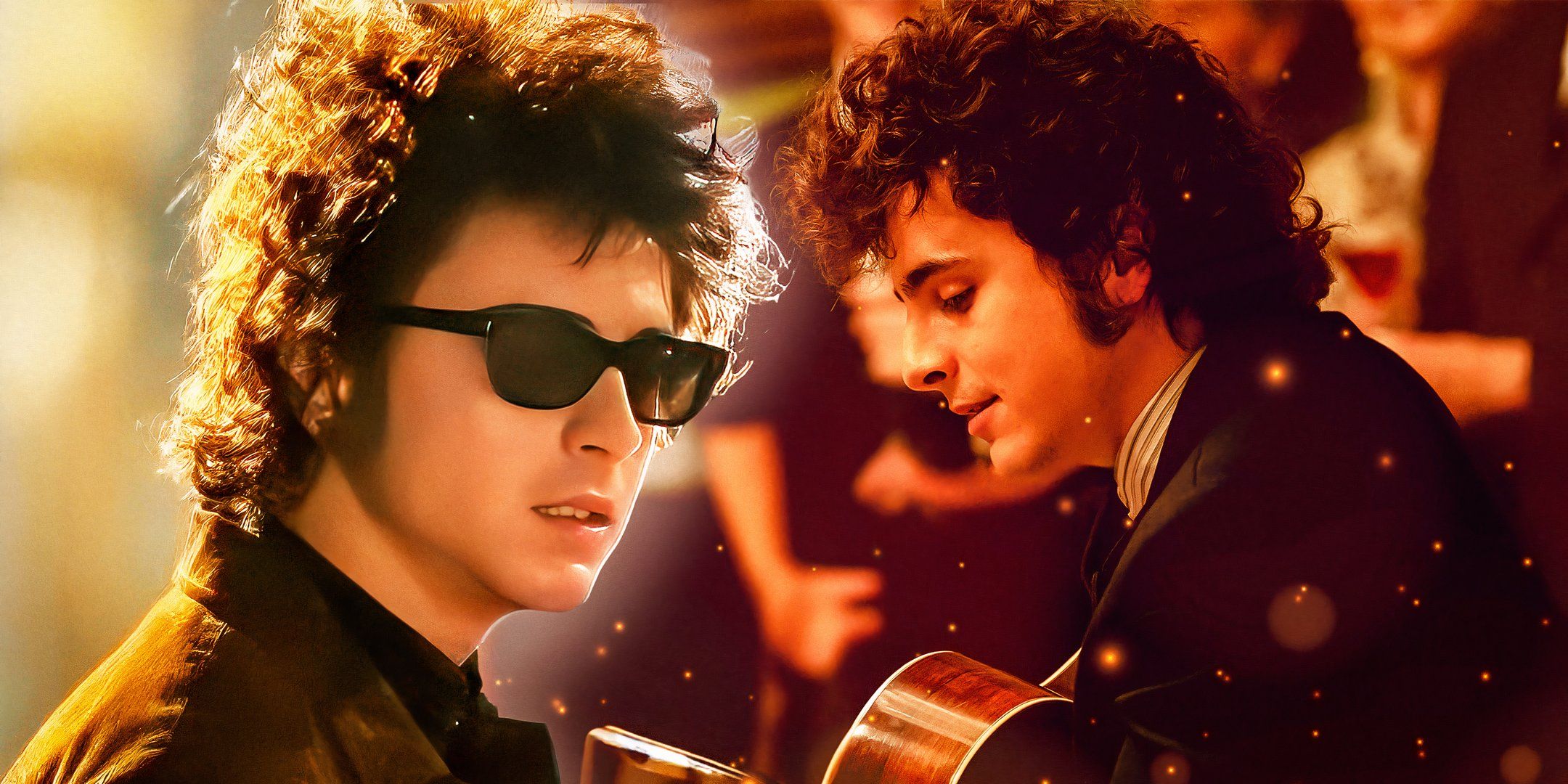
The film meticulously traces how Dylan absorbed the traditional American roots music surrounding him, rapidly evolving from an earnest acoustic songster into a poetic voice for a changing generation. As songs like "Blowin' in the Wind" and "A Hard Rain's a-Gonna Fall" thrust him into mainstream celebrity, Dylan finds himself constrained by the expectations of the folk revival movement, which viewed him as an unsullied political prophet.
The narrative climaxes in July 1965 at the Newport Folk Festival. Disillusioned by the restrictive boundaries imposed by purists and eager to explore a louder, more visceral artistic expression, Dylan steps onto the stage backed by an electric band featuring members of the Paul Butterfield Blues Band and keyboardist Al Kooper. The resulting performance shocked traditionalists, redefined popular music, and solidified Dylan's reputation as an artist driven strictly by personal reinvention rather than audience consensus.
Ensemble Cast and Key Historical Figures
The strength of A Complete Unknown relies heavily on an ensemble cast tasked with portraying iconic figures from American musical history without falling into broad caricature.
| Actor | Character / Role | Historical Context & Narrative Significance |
|---|---|---|
| Timothée Chalamet | Bob Dylan | Traces Dylan's evolution from folk prodigy to rock icon. |
| Edward Norton | Pete Seeger | Folk champion and mentor who struggles with Dylan's path. |
| Elle Fanning | Sylvie Russo | Inspired by Suze Rotolo, Dylan's early muse and partner. |
| Monica Barbaro | Joan Baez | Renowned folk singer, collaborator, and romantic partner. |
| Boyd Holbrook | Johnny Cash | Country icon who encourages Dylan's genre boundary-pushing. |
| Dan Fogler | Albert Grossman | Dylan's formidable, business-savvy talent manager. |
| Scoot McNairy | Woody Guthrie | Legendary dust-bowl balladeer who served as Dylan's idol. |
| Will Harrison | Bob Neuwirth | Singer-songwriter and crucial companion on Dylan's tours. |
Timothée Chalamet as Bob Dylan
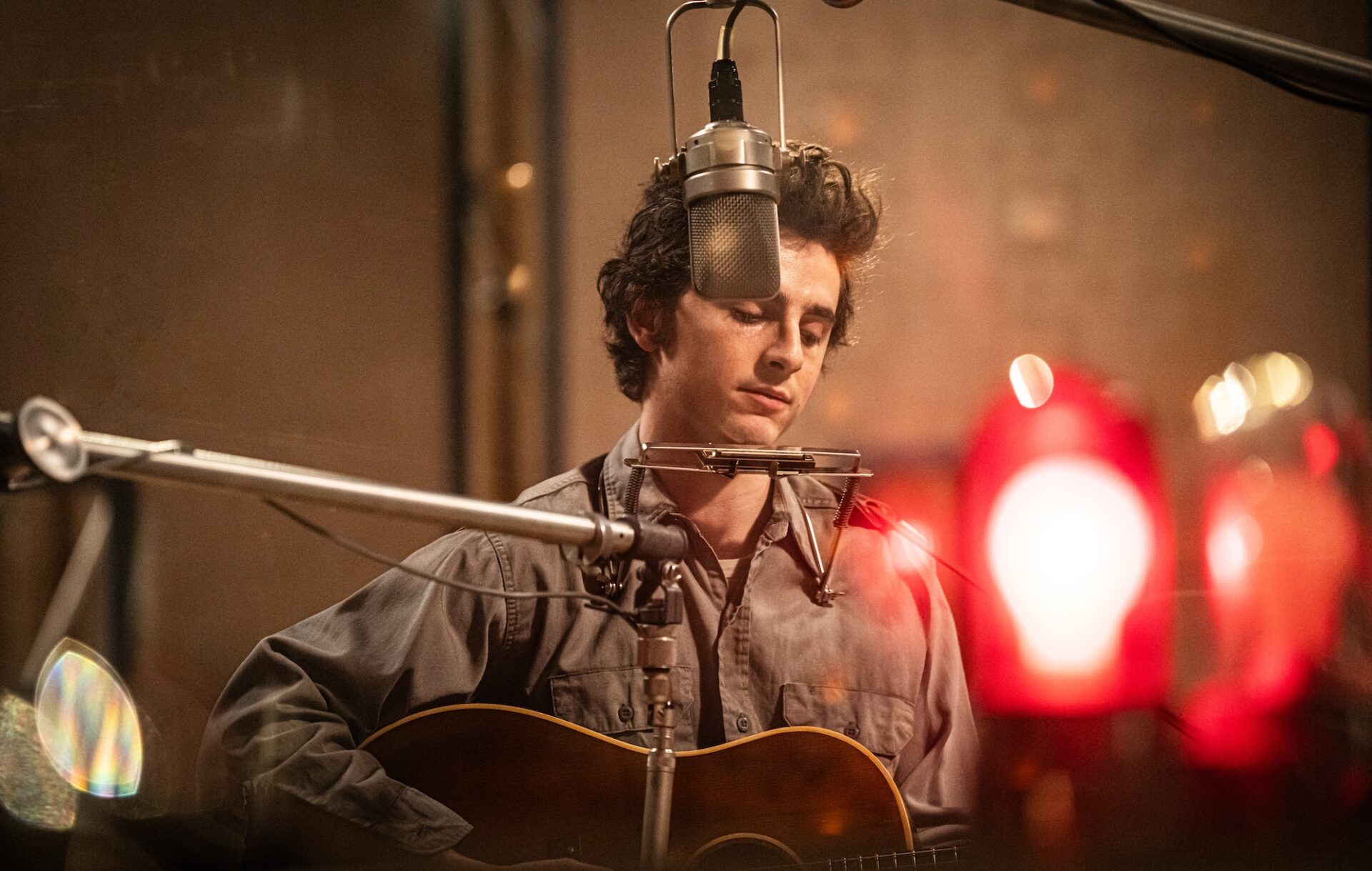
Chalamet plays the central role of Bob Dylan, capturing the musician's shifting cadence, defensive mystery, and restless creative energy. Beyond mimicking Dylan's physical mannerisms, Chalamet performed all guitar, harmonica, and vocal tracks live for the production, avoiding playback sync to preserve the spontaneous, unpolished atmosphere of early 1960s folk venues.
Edward Norton as Pete Seeger
Edward Norton portrays Pete Seeger, the patriarch of the American folk music movement. Seeger acts as both a champion of Dylan's raw talent and an avatar of traditionalist folk values. Norton balances Seeger’s genuine idealism with his eventual distress when Dylan departs from acoustic acoustic protest music in favor of amplified rock and roll.
Elle Fanning as Sylvie Russo (Suze Rotolo)
Elle Fanning plays Sylvie Russo, a character directly based on Suze Rotolo, the artist and activist who featured alongside Dylan on the famous cover of his 1963 album The Freewheelin' Bob Dylan. Fanning depicts the emotional toll of maintaining an intimate relationship with an artist who was rapidly becoming an international cultural icon.
Monica Barbaro as Joan Baez
Monica Barbaro delivers a standout performance as Joan Baez, already an established star when she met Dylan. Barbaro performs her own vocals in the film, portraying the musical harmony and personal friction between two formidable artists navigating public fame, creative rivalry, and political engagement.
Production History and Creative Direction
Directed by James Mangold, who previously brought Johnny Cash's life to the screen in Walk the Line (2005), A Complete Unknown underwent a long development period. The project was initially announced under the working title Going Electric before being delayed by production pauses across the industry.
The screenplay, co-written by Mangold and Jay Cocks, draws substantial inspiration from Elijah Wald's 2015 historical study Dylan Goes Electric! Newport, Seeger, Dylan, and the Night That Split the Sixties. By narrowing the film's scope to the years leading up to Newport, the filmmakers avoided the structural pitfalls common to biopics that attempt to summarize multi-decade careers.
To achieve visual authenticity, production designer François Audouy recreated early 1960s Greenwich Village across locations in New Jersey and New York. Iconic venues such as the Cafe Wha?, the Gaslight Cafe, and Gerde's Folk City were reconstructed with accurate period detailing. Costume designer Arianne Phillips meticulously recreated Dylan’s signature wardrobe shifts, tracking his visual evolution from suede jackets and work shirts to the sharp, dark tailoring and sunglasses that marked his mid-1960s electric phase.
Music supervisor Steven Gizicki collaborated closely with vocal coach Eric Vetro and musical director Nick Baxter to ensure that Chalamet and Barbaro's musical arrangements reflected the unvarnished acoustics of vintage tape recordings and club performances.
Historical Accuracy vs. Dramatic Adaptation
While A Complete Unknown grounds its story firmly in documented events, like many biographical films, it compresses timelines and adapts real individuals into composite characters to serve dramatic narrative pacing.
- Sylvie Russo vs. Suze Rotolo: The decision to rename Suze Rotolo’s character to Sylvie Russo allowed the screenwriters creative latitude in dramatizing the couple's private life while respecting the late Rotolo's personal legacy and memoir, A Freewheelin' Time.
- The Newport Folk Festival Controversy: Legend often holds that Pete Seeger attempted to cut the power cables with an axe during Dylan’s electric set on July 25, 1965. Historical accounts from witnesses—including Seeger himself—clarify that while Seeger was frustrated by the distorted sound quality over the main PA system, he never used an axe on the cables. The film treats this pivotal event with a nuanced perspective, focusing on the cultural and sonic clash rather than repeating sensationalized myths.
- The Dynamics of Greenwich Village: The film dramatically highlights Dylan's isolation as he rose to fame, though historical records show he remained part of a dense network of musicians, poets, and writers who regularly shared songs, arrangements, and living spaces.
Musical Performance and Critical Legacy
The musical execution of A Complete Unknown serves as one of its defining technical achievements. Rather than relying on Bob Dylan’s original studio master tapes, the film features newly recorded vocal and instrumental tracks recorded directly on set.
Chalamet spent over three years preparing for the role, undergoing intensive guitar and harmonica training to master Dylan’s distinctive fingerpicking style (influenced by Reverend Gary Davis and Dave Van Ronk) and his unpredictable, phrasing-heavy vocal delivery. Tracks such as "Song to Woody," "Masters of War," and "Like a Rolling Stone" are presented not as polished studio recreations, but as evolving experiments reflective of Dylan’s live performances during that era.
By focusing on the process of creation rather than merely celebrating an established legacy, A Complete Unknown provides audiences with insight into how traditional American folk, blues, and country strains merged to form modern rock lyricism.
Frequently Asked Questions About A Complete Unknown
What book is A Complete Unknown based on?
The film is substantially adapted from Elijah Wald's 2015 book, Dylan Goes Electric! Newport, Seeger, Dylan, and the Night That Split the Sixties, which examines the cultural turmoil surrounding Bob Dylan's 1965 transition to electric music.
Did Timothée Chalamet actually sing in the movie?
Yes, Timothée Chalamet performed all of his vocal, guitar, and harmonica tracks live for the film, working with vocal and instrumental coaches over a multi-year preparation period.
Why is Suze Rotolo named Sylvie Russo in the film?
The character was renamed Sylvie Russo to give the filmmakers creative freedom to dramatize the romantic relationship for cinematic pacing while honoring the real-life memory and independent identity of Suze Rotolo.
Who directed A Complete Unknown?
The film was directed by James Mangold, who also co-wrote the screenplay alongside Jay Cocks. Mangold previously directed acclaimed biographical dramas including Walk the Line and Ford v Ferrari.
What specific timeframe does the film cover?
A Complete Unknown focuses strictly on the four-year period between Bob Dylan’s arrival in New York City in early 1961 and his electric performance at the Newport Folk Festival in July 1965.
Recommended Viewing and Contextual Reading
For viewers looking to deepen their understanding of the historical period, artistic figures, and cultural movements depicted in A Complete Unknown, exploring related primary sources and historical media offers invaluable context:
- Read Dylan Goes Electric! by Elijah Wald: The primary source text offers an in-depth, scholarly examination of the folk music revival, Pete Seeger's ideology, and the precise social dynamics of the 1965 Newport Folk Festival.
- Read Chronicles: Volume One by Bob Dylan: Dylan's official 2004 autobiography features extensive, highly vivid chapters dedicated to his first winter in Greenwich Village, detailing his early influences and impressions of New York City.
- Watch No Direction Home: Bob Dylan (Directed by Martin Scorsese): This 2005 documentary provides exhaustive archival footage, original recordings, and interviews covering the exact same 1961–1966 period featured in Mangold's dramatization.
- Listen to The Freewheelin' Bob Dylan and Bringing It All Back Home: Exploring these two fundamental albums chronologically illustrates Dylan's rapid evolution from topical acoustic balladry to surreal, amplified rock poetry.