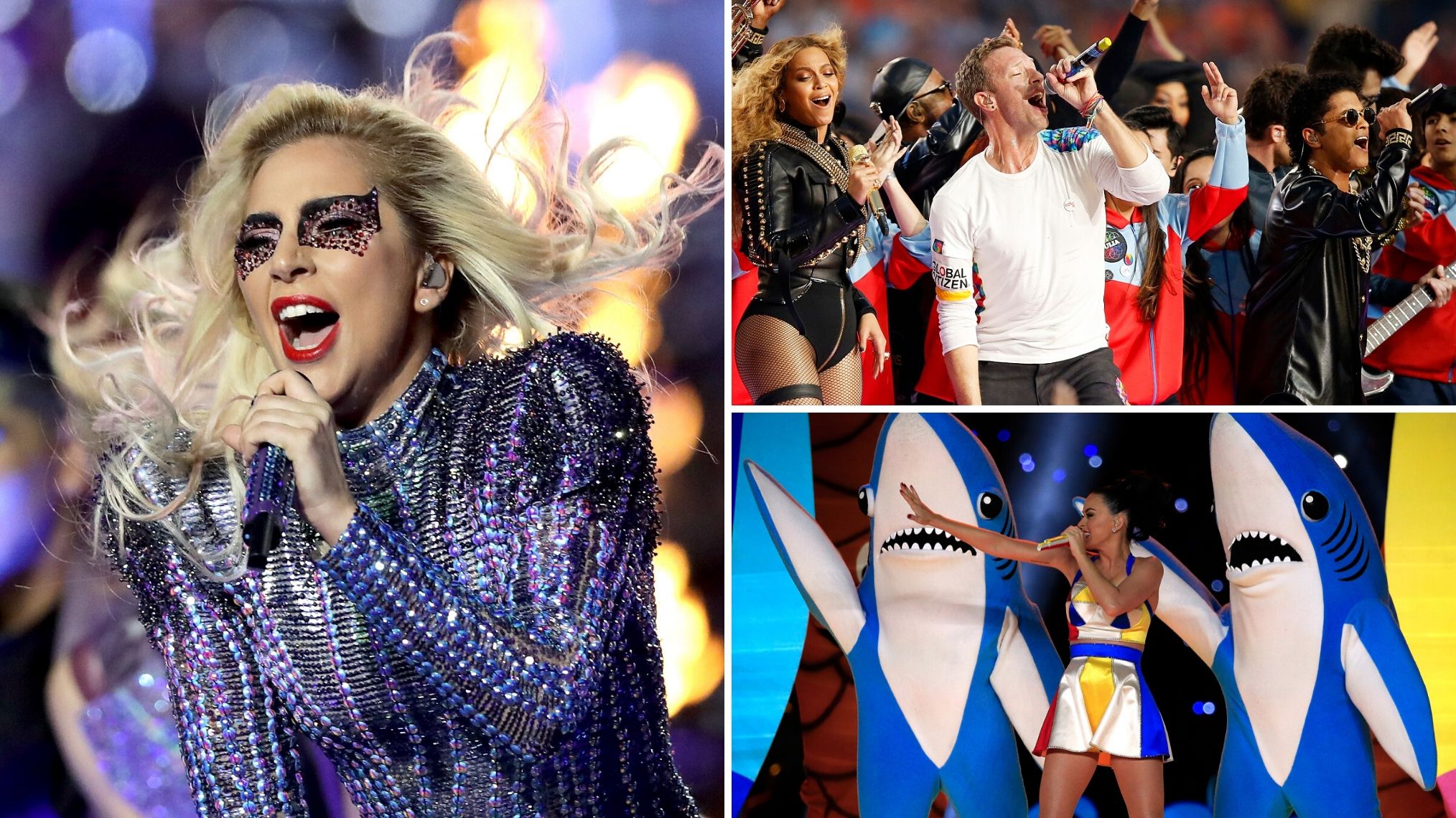
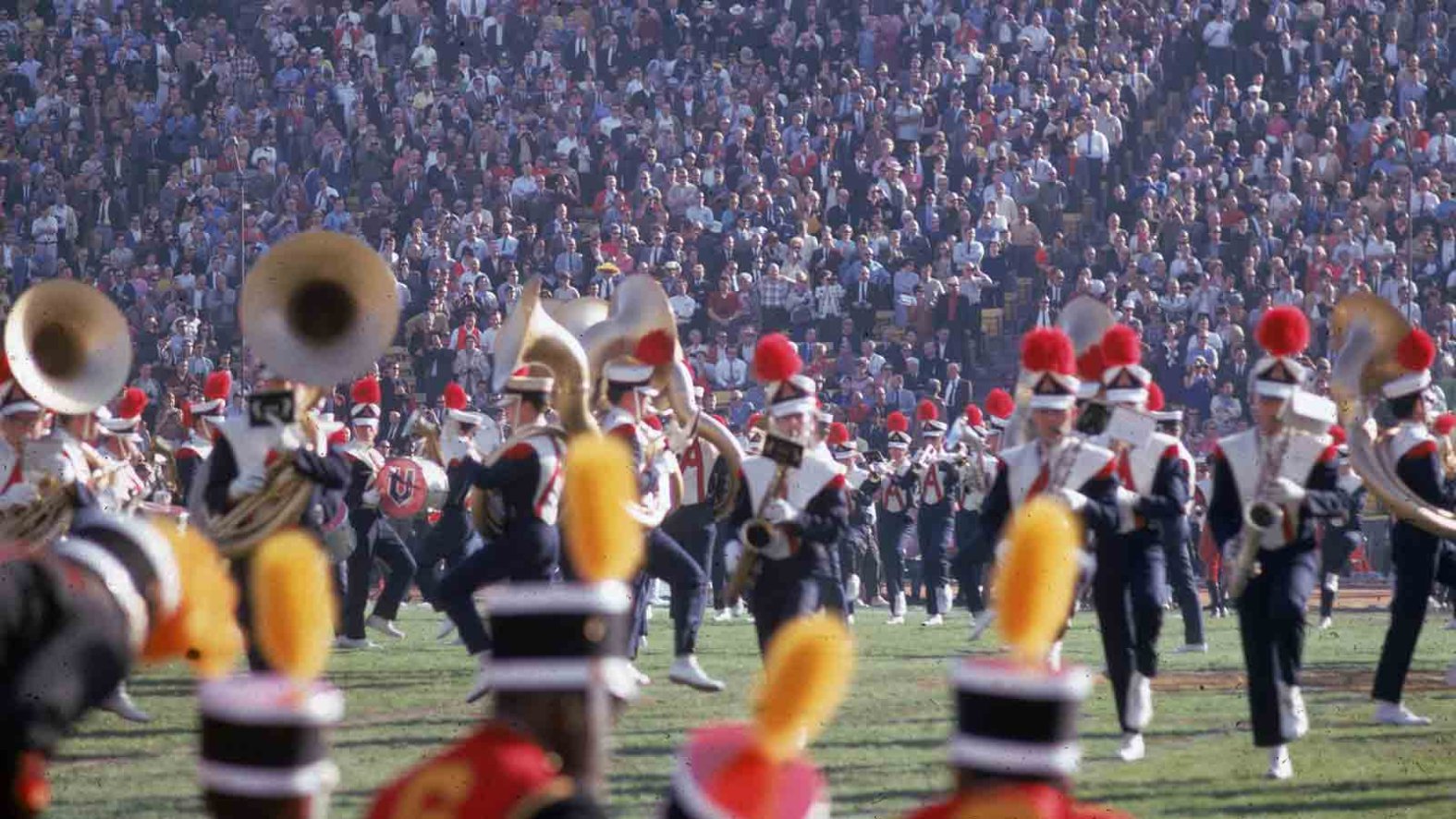
The Super Bowl halftime show has evolved from local college marching band pageantry into the most-watched live musical performance on global television. Featuring world-class headliners ranging from Michael Jackson and Prince to Beyoncé, Dr. Dre, and Rihanna, the 12-to-15-minute spectacle combines high-stakes stage engineering, multi-genre superstar lineups, and cultural milestones that routinely draw over 100 million broadcast viewers.
The Historical Evolution of the Super Bowl Halftime Show
Understanding how the halftime show became a cultural titan requires examining its five distinct historical eras. What began as a high-school and collegiate marching band interlude designed to give football players a rest transformed over six decades into a multi-million-dollar entertainment platform.
- ERA 1: Marching Bands & Pageantry (1967–1989)
- Focus: Local bands, Disney themes, drill teams, Up with People.
- ERA 2: The Pop Transformation & Counter-Programming Crisis (1990–1993)
- Inflection Point: 1992 Fox counter-programming; 1993 Michael Jackson reset.
- ERA 3: MTV Era & Multi-Artist Pop Spectacles (1994–2004)
- Focus: Mega-pop collaborations, stadium spectacles, ending in 2004 controversy.
- ERA 4: Classic Rock & Solo Icon Pivot (2005–2010)
- Focus: "Safe" hall-of-fame legends (Paul McCartney, Prince, Bruce Springsteen).
- ERA 5: Modern Megastars & Roc Nation Partnership (2011–Present)
- Focus: Pop, Hip-Hop, Latin integration, cinematic production, curated diversity.
Era 1: Marching Bands and Themed Pageantry (1967–1989)
During the early years of the AFL-NFL Championship Game, halftime entertainment was rooted in traditional collegiate pageantry. Super Bowl I in 1967 featured the University of Arizona Symphonic Marching Band alongside the Grambling State University Marching Band.
Throughout the 1970s and 1980s, the National Football League (NFL) relied heavily on corporate-sponsored thematic revue groups such as Up with People, alongside Disney-produced tributes to topics like Motown or Hollywood. These shows were designed primarily to entertain the physical stadium crowd rather than command a global television audience.
Era 2: The Counter-Programming Crisis and the Michael Jackson Reset (1990–1993)
By 1992, television networks began taking advantage of the NFL's unexciting halftime programming. During Super Bowl XXVI, Fox broadcast a live episode of the comedy sketch show In Living Color, drawing away over 20 million viewers from CBS's halftime broadcast featuring Olympic figure skaters.
Realizing that low halftime viewership endangered the broadcast's second-half ratings, the NFL executed a drastic strategic pivot. For Super Bowl XXVII in 1993 at the Rose Bowl, the league booked Michael Jackson. Jackson’s solitary stance on stage for nearly two full minutes before launching into "Jam," "Billie Jean," and "Heal the World" retained more viewers than the football game itself—establishing the modern template for booking single-name megastars.
Era 3: Pop Collaborations and the 2004 Turning Point (1994–2004)
Following Jackson's success, the halftime show shifted toward contemporary hitmakers. The NFL partnered with cable networks like MTV to produce youth-oriented pop collages. This culminated in landmark performances like the 2001 show featuring Aerosmith, 'N Sync, Britney Spears, Nelly, and Mary J. Blige.
However, Super Bowl XXXVIII in 2004 fundamentally altered broadcast standards. During the finale of Janet Jackson and Justin Timberlake's performance, an unexpected wardrobe malfunction resulted in 9/16ths of a second of exposed body part on live television. The incident led to unprecedented Federal Communications Commission (FCC) fines, strict five-second broadcast delays, and an immediate overhaul of artist selection strategy.
Era 4: The Classic Rock "Safety" Era (2005–2010)
To eliminate live broadcast risks, the NFL instituted a moratorium on contemporary pop and hip-hop acts. For six years, the league booked established classic rock soloists and legendary bands with zero history of broadcast controversy:
- Paul McCartney (2005)
- The Rolling Stones (2006)
- Prince (2007)
- Tom Petty & the Heartbreakers (2008)
- Bruce Springsteen and the E Street Band (2009)
- The Who (2010)
While musically acclaimed—most notably Prince's rain-soaked guitar solos in Miami—this era largely excluded younger demographics and contemporary charts.
Era 5: Modern Megastars and Roc Nation Curation (2011–Present)
The Black Eyed Peas' performance in 2011 marked the return to current chart-topping pop music. In 2019, the NFL entered into a strategic entertainment partnership with Jay-Z’s Roc Nation. Roc Nation assumed full creative direction over artist selection, stage production, and cultural presentation. This partnership led to historic showcases, including the 2020 Latin-led performance by Shakira and Jennifer Lopez, the 2022 hip-hop ensemble show at SoFi Stadium, and headlining sets by Rihanna (2023), Usher (2024), and Kendrick Lamar (2025).
Logistical and Production Realities of the 12-Minute Stage
The Super Bowl halftime show is widely considered the most complex live audio-visual installation in the entertainment industry. Unlike traditional stadium concerts, which take days to set up, halftime teams must assemble, connect, perform, disassemble, and clear a full concert arena in roughly 24 minutes.
TOTAL HALFTIME WINDOW (~24–26 Minutes)
- STAGE ASSEMBLY & AUDIO SETUP (6–7 Minutes)
- PERFORMANCE TIME (12–14 Minutes)
- STAGE STAGING & DISASSEMBLY (5–6 Minutes)
The 6-Minute Assembly Operation
Roughly 500 to 800 pre-vetted volunteers—often dressed in neutral dark clothing—wheel massive modular steel carts carrying stages, lighting rigs, pyrotechnics, and sound towers onto the field immediately after football players head to the locker rooms.
Each cart must lock into position with millimeter precision to ensure power, video signals, and wireless audio links operate smoothly. A single loose cable or misaligned wheel can disrupt the broadcast timeline and risk penalizing teams if turf damage occurs.
The Financial and Business Model
A persistent myth is that headlining performers earn tens of millions of dollars from the NFL for their appearances. In reality, the NFL operates under a zero-appearance-fee policy.
NFL HALFTIME BUDGET
| WHAT THE NFL COVERS | WHAT THE ARTIST RECEIVES |
|---|---|
| • Production costs ($10M–$15M) | • $0 Appearance Fee |
| • Travel & Lodging Expenses | • Global audience (100M+ live) |
| • Modular Stage Engineering | • 200%+ Streaming Surges |
| • Pyrotechnics & Lighting | • Concert Tour Sales Boost |
| • Backup Dancers & Crews | • Brand Value Escalation |
- Production Expenses: The NFL and its lead sponsors (historically Pepsi, currently Apple Music) cover overall production budgets, which often run between $10 million and $15 million. This covers staging, pyrotechnics, lighting, transport, and support staff.
- Artist Investment: Some artists actively invest their own capital to achieve their artistic vision. The Weeknd famously spent $7 million of his own money for his 2021 performance, and Dr. Dre contributed personal funds to build the neighborhood set for Super Bowl LVI.
- Commercial ROI: Artists agree to the zero-fee structure because of the massive commercial exposure. Streaming activity for headliners typically surges between 200% and 1,000% within 48 hours of the broadcast, while upcoming concert tours frequently sell out in minutes.
Comprehensive Decade-by-Decade Breakdown
The complete history of halftime show lineups reflects broader shifts in popular music, broadcasting standards, and entertainment technology.
| 1967–1989 | 1990–2003 | 2004–2018 | 2019–Present |
|---|---|---|---|
| COLLEGE & THEME ERAS | POP REVOLUTION & COLLAB ERA | ROCK & MEGA-POP SPECTACLES | ROC NATION ERA & Multi-Genre Focus |
| • Marching Bands | • Michael Jackson | • Paul McCartney | • Shakira & J.Lo |
| • Disney Revues | • Diana Ross | • Prince | • The Weeknd |
| • Up with People | • Aerosmith & Britney | • Katy Perry | • Dr. Dre & Friends |
| • Jazz Tributes | • U2 9/11 Tribute | • Lady Gaga | • Rihanna / Usher |
1967–1979: Early Pageantry
- Super Bowl I (1967): University of Arizona and Grambling State University Marching Bands.
- Super Bowl IV (1970): Carol Channing with the Southern University Marching Band.
- Super Bowl VI (1972): Ella Fitzgerald, Carol Channing, Al Hirt, and the U.S. Marine Corps Band (Tribute to Louis Armstrong).
- Super Bowl XI (1977): Los Angeles Unified All-City Band (produced by Disney).
1980–1999: Commercial Expansion and Mainstream Pop
- Super Bowl XIV (1980): Up with People (Tribute to Grambling State).
- Super Bowl XXI (1987): George Burns, Mickey Rooney, Grambling State Band ("Salute to Hollywood's 100th Anniversary").
- Super Bowl XXV (1991): New Kids on the Block, Disney characters (Broadcast tape-delayed due to Gulf War news coverage).
- Super Bowl XXVII (1993): Michael Jackson (Pasadena Rose Bowl; set the template for modern solo shows).
- Super Bowl XXX (1996): Diana Ross (Featured a memorable helicopter departure from the stadium field).
- Super Bowl XXXIII (1999): Stevie Wonder, Gloria Estefan, Big Bad Voodoo Daddy.
2000–2019: Stadium Pop, Classic Rock, and Digital Visuals
- Super Bowl XXXV (2001): Aerosmith, 'N Sync, Britney Spears, Nelly, Mary J. Blige (Produced by MTV).
- Super Bowl XXXVI (2002): U2 (Tribute to 9/11 victims, displaying victims' names on a massive screen).
- Super Bowl XXXVIII (2004): Janet Jackson, Justin Timberlake, P. Diddy, Nelly, Kid Rock.
- Super Bowl XLI (2007): Prince and the Florida A&M University Marching Band.
- Super Bowl XLVII (2013): Beyoncé (Featuring a live reunion with Destiny’s Child).
- Super Bowl XLIX (2015): Katy Perry, Lenny Kravitz, Missy Elliott (Featured the viral "Left Shark" and a giant mechanical lion).
- Super Bowl LI (2017): Lady Gaga (Began performance from the roof of NRG Stadium in Houston).
2020–Present: The Roc Nation Era
- Super Bowl LIV (2020): Shakira, Jennifer Lopez, Bad Bunny, J Balvin (Miami Gardens, FL).
- Super Bowl LV (2021): The Weeknd (Raymond James Stadium, Tampa, FL).
- Super Bowl LVI (2022): Dr. Dre, Snoop Dogg, Eminem, Mary J. Blige, Kendrick Lamar, 50 Cent (SoFi Stadium, Inglewood, CA).
- Super Bowl LVII (2023): Rihanna (State Farm Stadium, Glendale, AZ; revealed her pregnancy on floating platforms).
- Super Bowl LVIII (2024): Usher, Alicia Keys, Jermaine Dupri, H.E.R., Will.i.am, Lil Jon, Ludacris (Allegiant Stadium, Las Vegas, NV).
- Super Bowl LIX (2025): Kendrick Lamar (Caesars Superdome, New Orleans, LA).
Landmark Super Bowl Halftime Shows
The following matrix highlights benchmark halftime performances, detailing headliners, key guests, production elements, and audience impact.
| Super Bowl & Year | Primary Headliner(s) | Featured Guests | Key Production Highlight / Cultural Impact | Estimated U.S. TV Viewers |
|---|---|---|---|---|
| SB XXVII (1993) | Michael Jackson | Local Children's Choir | First show to increase TV ratings during halftime; established the modern solo star format. | ~133.4 Million |
| SB XXXVI (2002) | U2 | None | Performing "Where the Streets Have No Name" against a scrolling backdrop of 9/11 victims' names. | ~131.7 Million |
| SB XXXVIII (2004) | Janet Jackson | Justin Timberlake, P. Diddy, Nelly, Kid Rock | Infamous wardrobe malfunction led to strict broadcast delay laws and an era of classic rock headliners. | ~143.6 Million |
| SB XLI (2007) | Prince | Florida A&M Marching Band | Played "Purple Rain" live in a real downpour; widely considered one of the greatest live performances in TV history. | ~140.0 Million |
| SB XLIX (2015) | Katy Perry | Lenny Kravitz, Missy Elliott | Mechanical lion entrance and projection-mapped field graphics; birthed the viral "Left Shark" internet meme. | ~118.5 Million |
| SB LVI (2022) | Dr. Dre, Snoop Dogg, Eminem, Mary J. Blige, Kendrick Lamar | 50 Cent, Anderson .Paak | First all-hip-hop halftime showcase; won the Primetime Emmy Award for Outstanding Variety Special (Live). | ~112.1 Million |
| SB LVII (2023) | Rihanna | None | Performed solo on suspended glass platforms elevated high above the field; revealed her second pregnancy live. | ~121.0 Million |
| SB LVIII (2024) | Usher | Alicia Keys, H.E.R., Will.i.am, Lil Jon, Ludacris | Roller-skating choreography and Atlanta bass culture showcase; became the most-watched halftime show in history. | ~129.3 Million |
Iconic Moments and Performance Milestones
Beyond the music itself, several halftime performances stand out for their emotional weight, technical innovations, and cultural influence.
1. U2’s 9/11 Memorial (Super Bowl XXXVI, 2002)
Less than five months after September 11, 2001, U2 performed inside the Louisiana Superdome. As the band played "Where the Streets Have No Name," a massive, five-story vertical banner scrolled the names of every victim lost in the terrorist attacks. At the song’s climax, frontman Bono opened his jacket to reveal the American flag woven into the inner lining, providing a memorable moment of national unity.
SUPER BOWL XXXVI: U2 (2002)
- Vertical Scroling Screen: Victim Names
- Bono Opens Jacket to Reveal Stars & Stripes
- Cultural Impact: Emotional National Unity
2. Prince in the Rain (Super Bowl XLI, 2007)
When torrential rain hit Miami on February 4, 2007, stadium officials warned Prince about the safety risks of performing on a slick stage with electric guitars. Prince famously responded, "Can you make it rain harder?"
His 12-minute set featured electric guitar solos, covers of "Proud Mary" and "All Along the Watchtower," and a closing performance of "Purple Rain" in an actual downpour, illuminated by glowing purple lights. It remains a high-water mark for live stadium musicianship.
3. The SoFi Stadium Hip-Hop Summit (Super Bowl LVI, 2022)
Curated by Roc Nation, the 2022 halftime show turned the SoFi Stadium field into a replica of Compton, California streetscapes, complete with classic lowriders and iconic local venues.
Dr. Dre led a performance alongside Snoop Dogg, Eminem, Mary J. Blige, Kendrick Lamar, and surprise guest 50 Cent. It marked the first time hip-hop was celebrated as the central genre of a Super Bowl halftime show, earning three Primetime Emmy Awards.
SUPER BOWL LVI: HIP-HOP SUMMIT (2022)
- Architectural Set Design: Architectural Compton Landmarks
- Performances by Dr. Dre, Snoop Dogg, Mary J. Blige, Eminem, Kendrick
- Cultural Impact: First All-Hip-Hop Halftime
How to Access and Archive Past Halftime Performances
For music historians, sports analysts, and fans looking to study past halftime shows, accessing full footage requires navigating copyright laws and broadcast licensing agreements.
- Official NFL YouTube Channel: The NFL maintains an extensive digital archive of full halftime shows from recent decades. Most shows from 2010 onward are hosted in high-definition (HD) or 4K resolution with original broadcast audio mix.
- Apple Music Halftime Show Hub: As the official title sponsor of the halftime show, Apple Music hosts dedicated landing pages featuring spatial audio recordings, official setlists, performance videos, and behind-the-scenes rehearsal footage for recent years.
- Documentary Behind-the-Scenes Features:
- The Show (Showtime / Paramount+): A feature-length documentary chronicling the intense production and preparation behind the 2021 The Weeknd halftime performance.
- NFL 100: Greatest Halftime Shows: An official NFL Films production detailing the historical transformation from college marching bands to pop icons.
- Physical Media & Collections: Earlier historical shows (1960s–1990s) are frequently preserved through archival VHS/DVD releases of full Super Bowl game broadcasts, archived at the Pro Football Hall of Fame library in Canton, Ohio.
Frequently Asked Questions
Do performers get paid to perform at the Super Bowl halftime show?
No, the headlining performers do not receive a standard performance fee from the NFL. The NFL pays for all production costs, travel, staging, and crew expenses—which often range between $10 million and $15 million—while artists leverage the exposure to boost record sales, streaming numbers, and upcoming concert tour ticket sales.
How long does the Super Bowl halftime show last?
The musical performance itself typically lasts between 12 and 14 minutes. However, the total halftime period extends to roughly 24 to 26 minutes to allow for stage assembly, audio system calibration, safety checks, and full stage teardown before players return to the field.
What was the most-watched Super Bowl halftime show of all time?
Usher’s 2024 halftime performance at Super Bowl LVIII in Las Vegas holds the record for the most-watched halftime show in television history, averaging roughly 129.3 million viewers across TV and digital streaming platforms.
Who performed at the very first Super Bowl halftime show?
Super Bowl I, held on January 15, 1967, at the Los Angeles Memorial Coliseum, featured the University of Arizona Symphonic Marching Band, the Grambling State University Marching Band, and performance group Up with People, alongside two rocket-pack stunt flyers.
How are halftime show headliners selected each year?
Halftime show performers are chosen through a collaborative process involving NFL executives, stadium host committees, television broadcast partners, and Roc Nation, which serves as the NFL’s official strategic entertainment advisor. Final decisions consider musical legacy, global appeal, chart success, performance style, and production capabilities.
Essential Viewing and Research Recommendations
To explore the evolution of the Super Bowl halftime show effectively, structure your viewing chronological analysis into three distinct phases:
- Study the Technical Shift (1993): Watch Michael Jackson’s Super Bowl XXVII performance side-by-side with the 1992 In Living Color counter-programming special to understand how broadcast strategy transformed overnight.
- Analyze Stadium Sound & Live Vocals (2007 vs. 2017): Contrast Prince’s instrument-driven, rain-soaked set at Super Bowl XLI with Lady Gaga’s high-flying visual stunts and solo vocal performance at Super Bowl LI to see how live sound engineering evolved.
- Examine Modern Production & Stage Design (2020–Present): Review the Roc Nation-curated performances—including the 2022 hip-hop set at SoFi Stadium and Rihanna’s floating platforms at Super Bowl LVII—to analyze how modern pop productions maximize camera angles, spatial audio, and cinematic lighting within a strict 12-minute window.