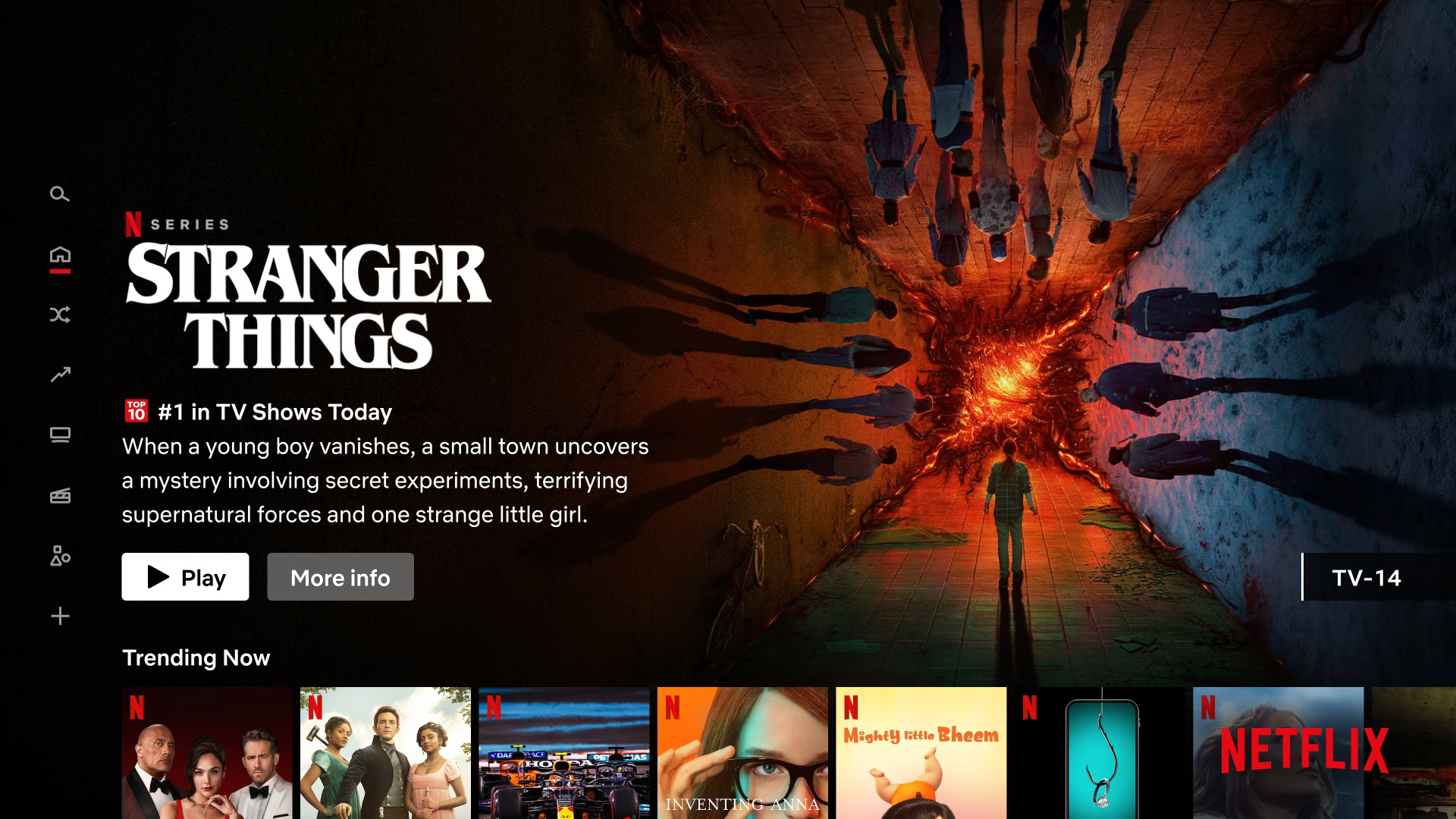
Accessing every show available on Netflix requires navigating a global, region-shifting library of thousands of TV titles. Because licensing agreements limit specific series by geographic region, viewers must combine Netflix’s native search filters and specialized numerical category codes with third-party catalog databases to uncover the platform's complete selection of original productions, international imports, and licensed television series.
Understanding the Structure of Netflix's Global TV Library
The complete collection of television shows on Netflix is not a single, static catalog. Instead, it is a dynamic ecosystem shaped by international copyright distribution, localized broadcasting rights, and ongoing content acquisition deals. While Netflix operates in more than 190 countries, the specific titles available to a subscriber depend heavily on their physical location and account profile configuration.
- Netflix Global Show Catalog
- Global Originals (Worldwide Rights)
- Licensed Regional Content (Geo-Restricted Deals)
The service maintains two distinct categories of television programming:
- Global Netflix Originals: Productions fully owned or exclusively commissioned by Netflix with global distribution rights (such as Stranger Things, Squid Game, or The Crown). These titles form the permanent core of the service and are accessible across virtually all active regional catalogs simultaneously.
- Licensed and Co-Produced Series: Shows produced by external studios (such as network TV series, cable dramas, or regional broadcast hits) where Netflix purchases limited-term distribution rights. Rights to these shows are negotiated on a territory-by-territory basis, creating significant regional variation.
Because licensing agreements expire and renew monthly, the total count of shows available on Netflix changes continuously. In major markets like the United States, the United Kingdom, Canada, and Australia, subscribers typically have access to between 1,800 and 2,500 TV series at any given time, alongside thousands of feature films. However, identifying every single show requires looking beyond the basic home screen recommendations.
Navigating Netflix Category Codes to Reveal Hidden Shows
The standard Netflix user interface relies heavily on personalized recommendation algorithms. While this system helps surface shows tailored to past viewing habits, it frequently hides vast segments of the catalog that fall outside a profile's established history. To bypass these algorithmic filters and view complete lists of specific TV subgenres, users can utilize Netflix's internal numerical classification system, commonly referred to as "Secret Category Codes."
Every micro-genre on Netflix is assigned a unique numerical identifier. By entering these numbers into a web browser address bar using the standard URL format—netflix.com/browse/genre/[CODE]—subscribers can view unfiltered, comprehensive listings of every show indexed under that specific heading.
Essential Category Codes for Television Series
- TV Shows (General Overview):
83 - Action & Adventure TV:
10673 - Anime Series:
6721 - British TV Shows:
52117 - Classic TV Shows:
46553 - Crime TV Shows:
26146 - Docuseries:
10105 - Drama TV Shows:
11714 - International TV Shows:
4814 - Kids' TV:
27346 - Korean TV Shows (K-Dramas):
67879 - Miniseries:
4814 - Reality TV:
9833 - Sci-Fi & Fantasy TV:
1372 - Teen TV Shows:
60951
Using numerical category codes removes algorithmic bias, displaying every title licensed within that specific niche in alphabetical order or by release date. This technique is particularly valuable for discovering foreign-language dramas, niche documentaries, and limited series that standard profile recommendations omit.
Access Methods for Navigating Netflix's Full Catalog
Selecting the right discovery method depends on whether you are looking for specific regional titles, searching within obscure subgenres, or auditing the entire streaming landscape.
| Discovery Method | Scope & Coverage | Ideal Use Case | Primary Limitations |
|---|---|---|---|
| Native User Interface | Local region only; algorithmically filtered (~200–500 visible suggestions). | Everyday browsing based on personal taste and watch history. | Hides deep-catalog shows; heavily biased by machine learning profiles. |
| Numerical Category Codes | Local region only; complete subgenre lists (1,000+ niche subcategories). | Systematic exploration of specific genres, foreign series, or themes. | Requires manual URL entry; only accessible via desktop browser or mobile web. |
| Third-Party Aggregators (e.g., JustWatch) | Multi-region catalog indexing; full country-by-country lists. | Verifying title availability across different streaming platforms globally. | Dependent on external API updates; does not directly trigger playback without deep links. |
| Global Unofficial Databases (e.g., uNoGS) | Global catalog database covering 30+ regional Netflix libraries. | Identifying which specific geographic region currently streams a title. | Information requires active database refreshes; regional access depends on user location. |
| Language Profile Switching | Local region + all international tracks matching chosen language. | Unlocking foreign-language shows hidden by default language filters. | Changes interface text and system display language across devices. |
How Regional Licensing Impacts Show Availability
To fully understand what shows are available on Netflix, viewers must understand how territorial licensing works. Media distribution rights are historically divided by country or region. When a studio creates a television show, it often sells the broadcast rights to different networks in different nations.
For example, a TV series produced by a British broadcaster might be licensed to Netflix in North America, while remaining exclusively on a local terrestrial network or domestic streaming service within the United Kingdom. Conversely, a show broadcast on linear cable in the United States may be distributed globally outside the US as a "Netflix Original."
Key Factors Determining Regional Show Availability
- First-Run Rights Agreements: In many territories, Netflix secures exclusive first-run rights to series broadcast on traditional networks elsewhere. These shows update weekly, aligned with their foreign television air dates.
- Holdback Windows: Licensed shows frequently experience delay windows between their linear broadcast finale and their release on Netflix. These holdback periods can range from several months to over a year depending on the media contract.
- Local Content Quotas: Regulatory frameworks in regions such as the European Union require streaming platforms to maintain a specific percentage (e.g., 30%) of locally produced European works in their regional catalogs. Consequently, regional Netflix libraries in countries like France, Germany, or Spain feature extensive domestic TV collections unavailable elsewhere.
Optimizing Profile Settings to Expose Foreign-Language TV Shows
By default, Netflix simplifies its display by prioritizing titles available in your set account language, complete with dubbed audio or localized subtitles. However, this convenience filter actively hides thousands of foreign-language television series that lack native dubbing or immediate localization for your primary market.
Subscribers looking to expand their available catalog can unlock these hidden international series by adjusting their profile language settings.
- Profile & Parental Controls
- Language
- Display & Show Languages
- Select Additional Languages
Steps to Expand Language-Gated Content:
- Log into Netflix via a desktop browser or mobile application.
- Navigate to the Account management screen.
- Scroll to Profile & Parental Controls and select the active viewer profile.
- Click on Language settings.
- Under Shows & Movies Languages, select additional secondary languages (such as Spanish, Korean, Japanese, French, or German).
- Save the profile changes.
Once saved, the Netflix search engine and row displays instantly update to include every show matching those language preferences, effectively increasing the volume of available international television series on your profile.
Tracking Leaving and Upcoming TV Series
Because third-party television licensing agreements operate on multi-year contracts, the catalog of available shows undergoes mandatory rotations at the beginning and middle of every calendar month. When a distribution agreement reaches its contract expiration date without renewal, the show leaves the platform.
To systematically monitor shows arriving or departing the platform:
- "Leaving Soon" Indicators: Netflix displays a visual warning tag ("Last day to watch on Netflix") within the title details page approximately 30 days before a show's licensing agreement officially expires.
- The "Worth the Wait" / "Coming Soon" Tab: Located within the native mobile app and smart TV interfaces, this tab provides official rolling previews of upcoming television seasons scheduled for release over the next 30 to 60 days. Adding these upcoming series to My List triggers automatic notification alerts the moment the show becomes streamable.
Frequently Asked Questions
Why do some TV shows disappear from Netflix unexpectedly?
TV shows leave Netflix when the licensing contract between Netflix and the copyright holding studio expires. If neither party agrees on renewal terms, or if the distribution rights are purchased by a competing streaming service, Netflix is legally obligated to remove the title from its servers upon contract termination.
How can I search for shows on Netflix by specific audio or subtitle languages?
You can filter the entire available library by language by navigating directly to netflix.com/subtitles. This dedicated interface allows users to select specific audio tracks (such as original audio or dubbed languages) alongside preferred subtitle options across every show currently indexed in your region.
Are all Netflix Original TV shows available permanently in every country?
While most fully owned Netflix Originals remain permanently in the global library, some early "Originals" were actually licensed regional exclusives (for example, shows produced by independent studios where Netflix acquired temporary exclusive rights). These non-owned exclusives can occasionally expire and be removed from specific regional catalogs.
Why do some shows have missing seasons on Netflix?
Missing seasons occur when broadcasting rights for different seasons of a single show are owned by separate media entities. A national network may retain exclusive rights to the current or recent seasons of an active series, while licensing earlier back-catalog seasons to Netflix.
How often is the global Netflix catalog updated?
Netflix updates its catalog daily, though major waves of new series additions and departures typically occur on the first day of each month, with secondary content drops scheduled every Friday to coincide with standard media releases.
Action Plan for Complete Netflix Catalog Exploration
To systematically find, organize, and stream every TV show available within your subscription, follow this streamlined workflow:
- Configure Profile Languages: Update your secondary language options within account settings to reveal non-dubbed international series that are typically hidden by default localization filters.
- Utilize Direct Genre Codes: Bookmark essential category numbers (such as
83for general TV,26146for Crime, or67879for K-Dramas) to access comprehensive, uncurated index lists on desktop or mobile web browsers. - Cross-Reference via Independent Catalog Databases: Use reputable external indexing engines (like JustWatch) to audit the full catalog of your home region or verify global release schedules without relying strictly on internal recommendation algorithms.
- Manage Notifications via "My List": Use the "Coming Soon" interface to save upcoming series drops directly to your personal queue, ensuring instant notification when new content drops.