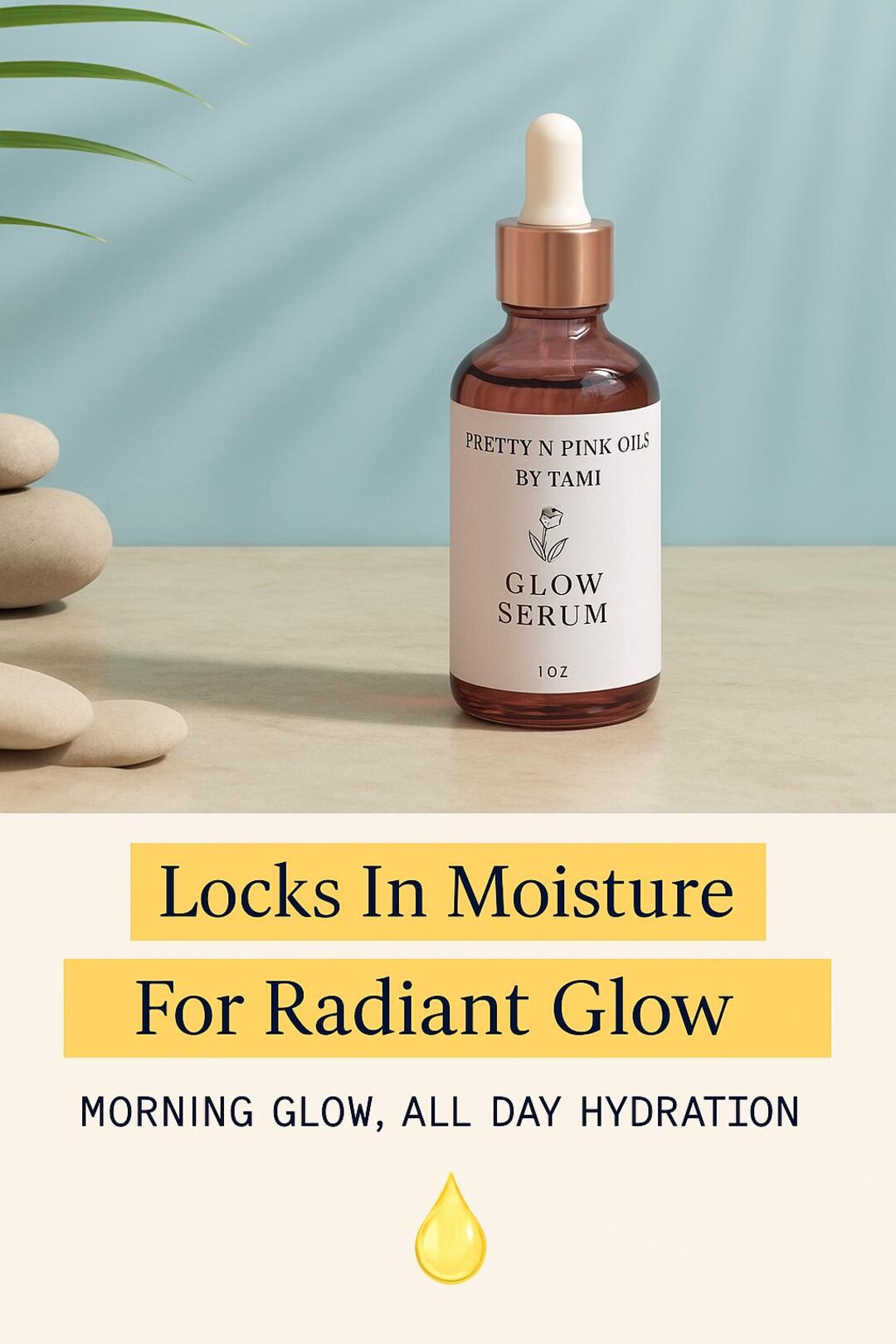
Integrating a facial oil into your daily skincare routine strengthens the skin barrier, locks in essential hydration, and balances lipid production. When applied after water-based serums and moisturizers, the right plant-derived oil protects against transepidermal water loss while delivering targeted antioxidants tailored to your specific skin type and environmental exposure.
Understanding Facial Oils: Chemistry, Fatty Acids, and the Skin Barrier
To use facial oils effectively, it is essential to distinguish between hydration and moisturization. Hydration refers to the water content within skin cells, managed primarily by humectants like hyaluronic acid and glycerin. Moisturization refers to the lipid barrier that prevents that water from evaporating—a process known as transepidermal water loss (TEWL). Facial oils act primarily as emollients and occlusives, smoothing the stratum corneum and sealing in underlying moisture.
Plant-based facial oils consist predominantly of triglycerides, which break down into essential and non-essential fatty acids. The two most critical fatty acids for skin health are oleic acid (an omega-9 monounsaturated fatty acid) and linoleic acid (an omega-6 polyunsaturated fatty acid).
- Water-Based Hydration (Hyaluronic Acid / Serums)
- Emollient Oil Layer (Fatty Acid Sealant)
- Reduced TEWL (Healthy Barrier)
Oleic Acid vs. Linoleic Acid Balance
- Oleic Acid (Omega-9): Rich, heavy, and deeply penetrating, oleic acid is ideal for dry, depleted, or mature skin. It restores elasticity and rebuilds compromised lipid barriers. However, high-oleic oils can disrupt the barrier of already acne-prone skin if used excessively.
- Linoleic Acid (Omega-6): Lightweight, fast-absorbing, and non-comedogenic, linoleic acid is essential for acne-prone and oily skin types. Research indicates that individuals with active acne often have sebum deficient in linoleic acid, leading to thicker, stickier pore-clogging oil. Topical application helps balance sebum viscosity.
Understanding this ratio prevents common issues such as clogged pores, surface shine, or persistent flakiness.
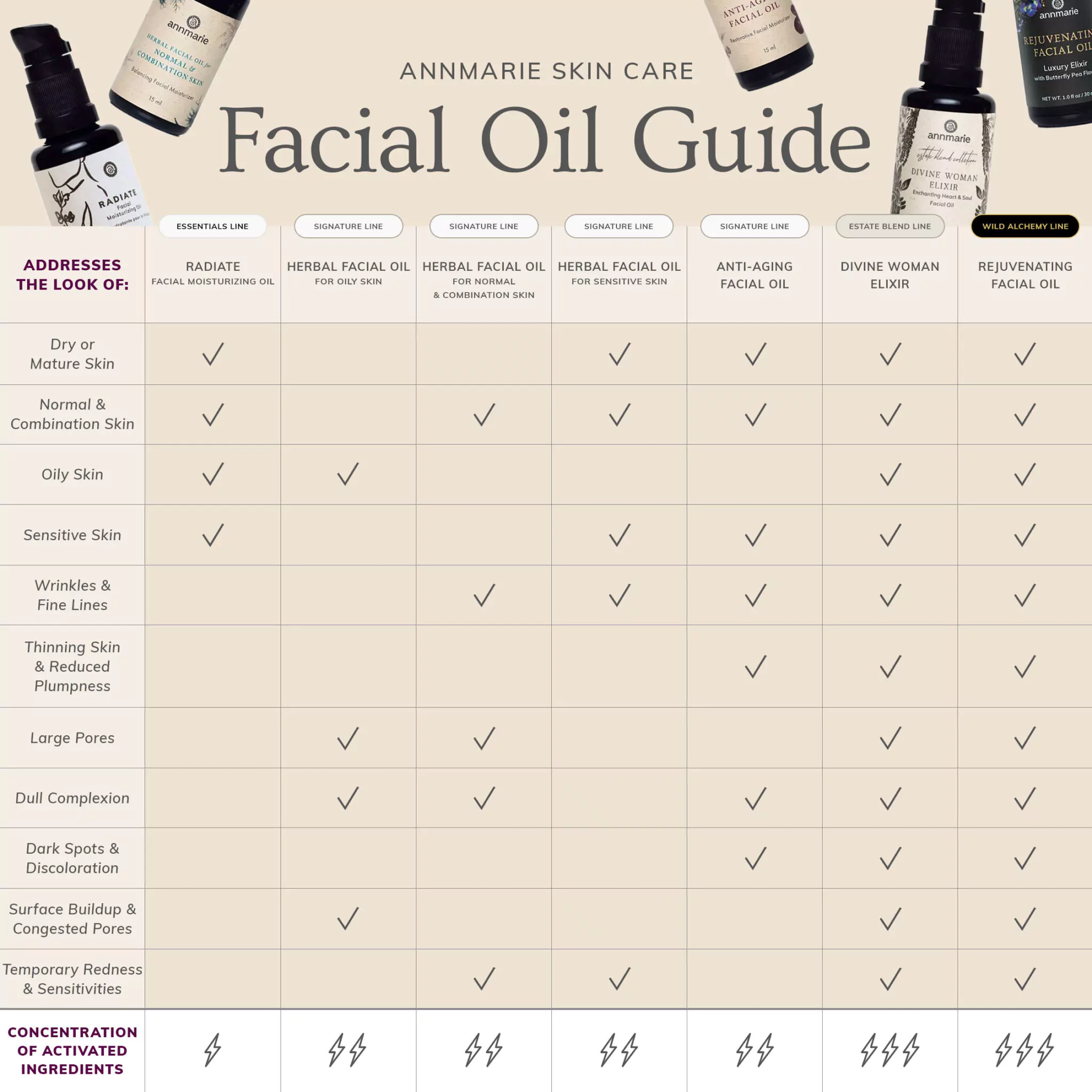
Matching Facial Oils to Your Specific Skin Type
Selecting a daily facial oil requires evaluating your skin's current barrier status, lipid production, and sensitivity triggers.
Dry and Dehydrated Skin
Dry skin lacks natural oil production, leading to tight, flaky textures. Rich oils high in oleic acid provide the lipid structural support needed to repair compromised outer layers.
- Recommended Oils: Argan oil, marula oil, avocado oil, and tsubaki (camellia) seed oil.
- Key Benefit: Long-lasting occlusive protection that prevents moisture loss throughout the day and night.
Oily and Acne-Prone Skin
A common misconception is that oily skin should avoid oils entirely. In reality, applying linoleic-rich oils signals to the sebaceous glands that the skin barrier is adequately lubricated, helping normalize natural sebum production.
- Recommended Oils: Rosehip seed oil, jojoba oil, squalane, and evening primrose oil.
- Key Benefit: Jojoba oil closely mimics human sebum, tricking the skin into producing less excess oil without clogging pores.
Combination Skin
Combination skin requires light, adaptable oils that hydrate dry areas (such as cheeks) without overwhelming the T-zone.
- Recommended Oils: Squalane, jojoba oil, and grapeseed oil.
- Key Benefit: High fluidity and fast absorption ensure even hydration without leaving a greasy residue.
Sensitive and Reactive Skin
Skin prone to redness, eczema, or rosacea needs calm, anti-inflammatory oils rich in antioxidants and unsaponifiables (compounds like vitamin E and phytosterols).
- Recommended Oils: Oat kernel oil, marula oil, and bisabolol-infused squalane.
- Key Benefit: Soothes skin irritation and reinforces a damaged stratum corneum without synthetic fragrances or reactive additives.
Daily Facial Oil Selection Matrix
The table below outlines common plant-derived oils, detailing their primary fatty acid profiles, comedogenic ratings (scale of 0–5, where 0 will not clog pores and 5 is highly likely to clog), and recommended skin suitability.
| Facial Oil | Primary Fatty Acid | Comedogenic Rating | Texture / Absorption | Best Fit Skin Type |
|---|---|---|---|---|
| Squalane (Olive/Sugar-derived) | Saturated Hydrocarbon | 0 | Ultra-light / Instant | All skin types, including sensitive & acne-prone |
| Rosehip Seed Oil | High Linoleic (Omega-6) | 1 | Dry oil / Fast | Oily, acne-prone, hyperpigmented skin |
| Jojoba Seed Oil | Liquid Wax Esters | 2 | Medium / Moderate | Combination, oily, and sebum-imbalanced skin |
| Argan Oil | Balanced Oleic/Linoleic | 0–1 | Medium-rich / Moderate | Dry, mature, and normal skin |
| Marula Oil | High Oleic (Omega-9) | 3–4 | Rich / Slow | Very dry, aging, and depleted skin |
| Grapeseed Oil | High Linoleic (Omega-6) | 1 | Light / Fast | Oily and combination skin |
| Coconut Oil | High Lauric / Myristic | 4–5 | Heavy / Slow | Body use only; avoid on facial skin |
Note: Individuals with diagnosed skin conditions like seborrheic dermatitis or active inflammatory rosacea should consult a board-certified dermatologist before introducing lipid-heavy oils, as certain fungal conditions feed on specific fatty acid chains.
How to Layer Facial Oil in Your Daily Skincare Routine
Order of application determines how effectively your skincare products function. Skincare formulations generally follow the rule of thinnest to thickest consistency, or more accurately, water-based before oil-based.
- Morning Routine:
- Cleanser
- Water Serum
- Moisturizer
- Facial Oil (1-2 drops)
- Sunscreen
- Evening Routine:
- Cleanser
- Treatment
- Moisturizer
- Facial Oil (3-4 drops)
Morning Routine Integration (AM)
During the daytime, your skin needs light protection against environmental stressors without interfering with sunscreen performance or makeup longevity.
- Cleanse: Wash with water or a gentle hydrating cleanser.
- Hydrate: Apply water-based serums (e.g., vitamin C, hyaluronic acid, or niacinamide).
- Moisturize: Apply a lightweight cream or lotion.
- Seal (Optional): Mix 1–2 drops of a lightweight oil (like squalane or rosehip) into your moisturizer, or press directly onto high-dryness areas.
- Protect: Apply a broad-spectrum sunscreen as your final step. Never mix facial oil directly into your sunscreen tube or bottle, as oils disrupt the film-forming agents required for UV protection. Allow the oil layer to absorb fully before applying SPF.
Evening Routine Integration (PM)
Nighttime is the optimal period for lipid barrier recovery and deep nourishment.
- Double Cleanse: Remove SPF and pollutants using an oil-based cleanser, followed by a water-based cleanser.
- Exfoliate / Treat: Apply active treatments (e.g., AHAs, BHAs, or retinoids) to clean skin.
- Hydrate: Layer soothing water-based serums or essences.
- Moisturize: Apply your evening moisturizer.
- Lock In Moisture: Warm 3–4 drops of facial oil between your palms and gently press the oil over your face, neck, and décolletage to form a protective night seal.
Correct Application Technique: Pressing vs. Rubbing
How you apply facial oil impacts absorption rate and skin comfort. Avoid aggressive rubbing, which stretches delicate skin tissue and redistributes product unevenly.
- Dispense Correctly: Warm 2 to 4 drops of oil in the center of clean, slightly damp hands. Using excessive amounts leads to product pilling and surface grease.
- Activate: Rub your palms together briefly to warm the oil, reducing its viscosity for easier spreading.
- Press and Pat: Flatly press your palms onto your cheeks, forehead, chin, and neck. Pat gently moving outward from the center of the face.
- Target Dry Zones: Use fingertip pads to lightly press remaining oil around the orbital bone (avoiding direct contact with eyes) and around the lips.
Applying oil to slightly damp skin—or immediately after a hydrating mist—allows the oil to trap ambient moisture, creating a micro-emulsion on the skin surface that enhances softness and absorption.
Troubleshooting Common Issues with Daily Facial Oil Use
Issue 1: Skincare Pilling
- Cause: Applying oil before water-based products or layering oil over silicones and heavy film-formers.
- Solution: Ensure all aqueous serums are fully absorbed. Apply oil as one of your final steps, or blend a drop directly into your cream moisturizer to unify the texture.
Issue 2: Sudden Breakouts or Congestion
- Cause: Using an oil with a high comedogenic rating (e.g., coconut oil or wheat germ oil) or an oil high in oleic acid on oily-prone skin.
- Solution: Switch to a high-linoleic oil (rosehip or grapeseed) or pure squalane. Reduce frequency to once daily at night until skin stabilizes.
Issue 3: Persistent Grease Film
- Cause: Over-application or applying oil to bone-dry skin.
- Solution: Reduce dosage to 1–2 drops. Spritz the face with a hydrating facial mist before pressing the oil onto your skin.
Issue 4: Product Rancidity and Oxidation
- Cause: Oils high in polyunsaturated fatty acids (like rosehip) degrade when exposed to light, heat, and air.
- Solution: Store facial oils in dark glass bottles in a cool, dark cabinet. If an oil develops a harsh, stale, or sour smell, discard it immediately, as oxidized oils cause free-radical damage to the skin.
Frequently Asked Questions
Can facial oil replace my daily moisturizer?
No, a facial oil cannot fully replace a traditional moisturizer. Moisturizers combine water (hydration), humectants (water-binders), and emollients/occlusives (oils and waxes). Facial oils lack water content; they seal in moisture but do not add hydration on their own. For best results, use a moisturizer and facial oil together.
Is it safe to use facial oil under makeup?
Yes, provided you use lightweight, fast-absorbing oils like squalane or jojoba and limit application to 1–2 drops. Allow the oil to absorb completely for 3–5 minutes before applying primer or foundation to prevent makeup slippage or uneven patchiness.
Can I use facial oil if I have active acne?
Yes, using non-comedogenic oils high in linoleic acid (such as rosehip seed oil or squalane) can actually help balance sticky sebum and soothe skin inflammation. Avoid heavy, occlusive oils high in oleic acid or lauric acid on active acne lesions.
Should I apply facial oil before or after retinoids?
Apply facial oil after your retinoid treatment. Retinoids require clear skin contact for optimal penetration. Applying oil beforehand creates an occlusive barrier that reduces retinoid absorption. Alternatively, if you experience high irritation from retinoids, applying a light oil layer first can act as a buffer.
How do I know if my facial oil has gone bad?
Rancid oils typically change color, feel thicker or sticky, and develop a distinct sour, metallic, or crayon-like scent. Polyunsaturated oils usually have a shelf life of 6 to 12 months after opening. Store them away from direct sunlight to extend shelf life.
Building a Sustainable Daily Oil Routine
To incorporate facial oils into your daily regimen safely, follow a deliberate phase-in plan:
- Perform a Patch Test: Apply 2 drops of oil to the inner forearm or side of the neck for 48 hours to screen for allergic reactions or contact dermatitis.
- Start Slowly: Begin using your chosen oil once daily at night for the first two weeks to observe how your barrier responds.
- Adjust for Seasons: You may require a richer oleic-rich oil during dry winter months, switching to a lighter squalane or linoleic oil during humid summer weather.
- Monitor Barrier Changes: If your skin feels soft, plump, and calm without excess shine or small clogged bumps (comedones), your current oil type and dosage are properly balanced.