The following analysis focuses exclusively on the perpetrators of the April 20, 1999, attack at Columbine High School, Eric Harris and Dylan Klebold, and the subsequent evolution of behavioral threat assessment through 2026.
Understanding the complex intersection of psychopathology, adolescent development, and systemic failures remains a cornerstone of modern public safety. As we mark the 27th anniversary of the tragedy in 2026, the case of the Columbine shooters serves not as a blueprint for notoriety—as they intended—but as a critical data set for forensic psychologists and school safety specialists. By analyzing the divergent personalities of the two individuals and the tactical evolution of law enforcement in the decades following, we can better implement the preventative frameworks that define 2026 security standards.
Psychological Profiling: Differentiating Psychopathy and Suicidal Ideation
The most significant development in the study of the Columbine shooters over the last quarter-century is the shift away from the "bullied outcast" narrative toward a clinical understanding of distinct psychological profiles. Leading forensic experts, including those consulted for the 2026 Behavioral Threat Assessment Guidelines, categorize the two perpetrators into two different but symbiotic archetypes.
Eric Harris is widely classified by forensic psychologists as a psychopath. His journals revealed a profound lack of empathy, a sense of grandiosity, and a "malignant narcissism" that allowed him to view others as inferior objects. His motivation was rooted in a desire for god-like status and the destruction of a society he felt was beneath him. In 2026, threat assessment protocols prioritize the identification of this type of "cold" predatory behavior, which is often masked by high-functioning academic or social performance.
In contrast, Dylan Klebold exhibited symptoms of severe clinical depression, social anxiety, and suicidal ideation. While Harris was the architect of the attack, Klebold was the "angry depressive" facilitator. His writings were saturated with themes of hopelessness and a desire for self-destruction, rather than the cold, calculating hatred found in Harris’s prose. The pairing of a psychopathic leader with a suicidal follower created a volatile "folie à deux," a shared psychosis that is now a major focus of 2026 FBI "leakage" detection training.
The Evolution of Behavioral Threat Assessment in 2026
The methodologies used to prevent school violence have transformed from reactive measures to proactive behavioral interventions. In 2026, the "Standard Response Protocol" has been supplemented by AI-driven sentiment analysis and multidisciplinary Threat Assessment Teams (TATs).
The Pathway to Violence Framework
In the 2026 safety environment, experts utilize the Pathway to Violence model to identify individuals before they reach the implementation phase. This model replaces the outdated and ineffective "profiling" of student subcultures.
Grievance and Ideation The initial stage where an individual develops a perceived wrong and begins to consider violence as a solution. In 1999, the shooters’ grievances were largely internal and undetected.
Planning and Preparation This involves the acquisition of weapons and the selection of targets. Modern 2026 digital forensic tools are designed to flag the "leakage" of these plans on encrypted or ephemeral social platforms.
Implementation The final stage where the attack is carried out. 2026 tactical responses focus on immediate neutralizing of the threat, a direct result of the lessons learned from the delayed entry at Columbine.
Debunking the Myth of the "Trench Coat Mafia" and Bullying
One of the most persistent hurdles in understanding the Columbine shooters was the immediate media mischaracterization of the "Trench Coat Mafia." For years, it was erroneously reported that the shooters were part of a marginalized group that targeted "jocks" as revenge for bullying.
By 2026, exhaustive forensic evidence and survivor testimony have definitively debunked this. Harris and Klebold were not members of the Trench Coat Mafia (though they were acquaintances of some members), and they were not social pariahs. They had a core group of friends, participated in school activities, and worked steady jobs. The 2026 consensus among criminologists is that the attack was not a reactive response to bullying, but a premeditated act of domestic terrorism designed to exceed the body count of the Oklahoma City bombing. Understanding this distinction is vital for 2026 educators to avoid stigmatizing social groups and instead focus on specific behavioral "red flags."
Comparative Analysis of Perpetrator Characteristics
The following table outlines the distinct psychological and behavioral markers of the two perpetrators as understood in the 2026 clinical landscape.
| Feature | Eric Harris | Dylan Klebold |
|---|---|---|
| Primary Diagnosis | Psychopathy / Malignant Narcissism | Clinical Depression / Schizotypal Features |
| Dominant Affect | Contempt and Superiority | Sadness and Hopelessness |
| Role in Plot | Mastermind / Logistics / Leader | Facilitator / Technical Support |
| Journal Themes | World domination, hate for humanity | Searching for love, "halcyon," suicide |
| Social Status | Highly functional, deceptive | Withdrawn, socially anxious |
| Pre-Attack Leakage | Bomb-making website, violent essays | Violent creative writing, erratic behavior |
| 2026 Risk Category | Predatory/Instrumental Violence | Affective/Reactive Violence |
The "Columbine Effect" and 2026 Public Safety Protocols
The legacy of the shooters is inextricably linked to the "Columbine Effect"—the phenomenon where subsequent attackers cite the 1999 event as an inspiration. To combat this in 2026, the "No Notoriety" movement has become the industry standard for media and law enforcement.
The focus in 2026 has shifted toward "Zero Trust" architecture in school design and the integration of Mental Health Support Teams. Unlike the era of the shooters, where mental health resources were sparse and reactive, 2026 school districts utilize proactive wellness checks and "amnesty" reporting systems where students can report concerns about peers without fear of causing undue trouble.
Law enforcement response has also undergone a total paradigm shift. In 1999, the standard procedure was to "secure the perimeter" and wait for SWAT. Today, the 2026 Immediate Action Rapid Deployment (IARD) protocols mandate that the first arriving officers immediately enter the building and move toward the sound of gunfire. This change is the direct result of the timeline analysis of the Columbine shooters' movements, which showed that the majority of the carnage occurred within the first 15 minutes while police remained outside.
Tactical and Forensic Realities of the 1999 Arsenal
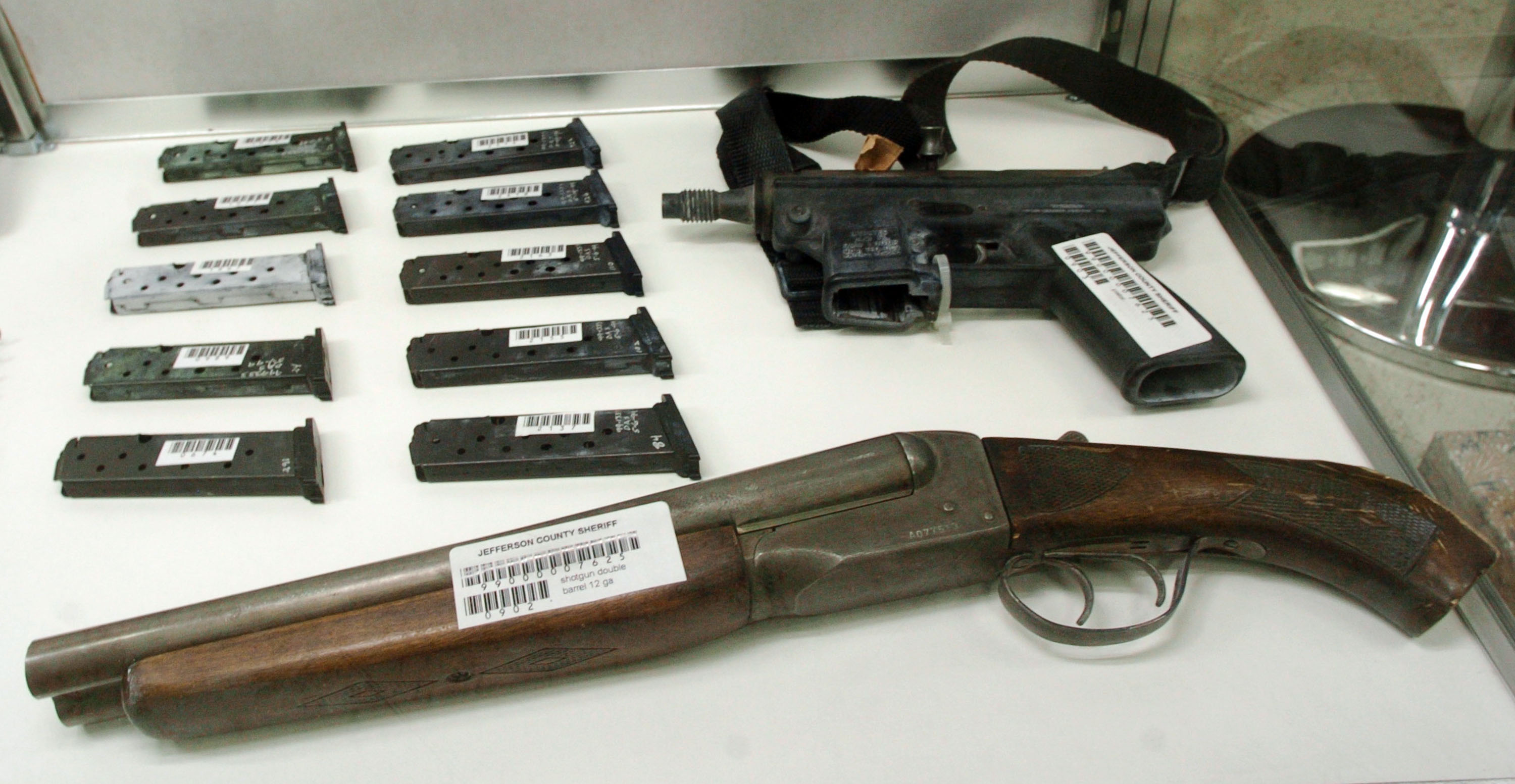
The planning for the attack spanned over a year and involved a complex acquisition of firearms and explosives. In 2026, legislative and technological hurdles have been implemented to prevent the specific "loopholes" utilized by the shooters.
- Straw Purchasing: The shooters acquired three of their four weapons through an older friend at a gun show. Current 2026 universal background check systems and stringent straw purchase penalties are designed to close this gap.
- Improvised Explosive Devices (IEDs): The shooters placed two large propane bombs in the cafeteria, which failed to detonate. Had they functioned, the death toll would have reached hundreds. 2026 building codes for schools now include reinforced structural supports and sensor-integrated fire suppression systems to mitigate blast effects.
- Digital Footprints: Harris maintained a website detailing his bomb-making progress. In the 2026 digital ecosystem, automated crawlers and ISP-level reporting protocols for instructional violence material have made such public-facing "planning" much harder to maintain undetected.
FAQ: Understanding the Columbine Perpetrators
Who were the Columbine shooters and why did they do it? The shooters were Eric Harris and Dylan Klebold, two seniors at Columbine High School who sought to carry out a massive terrorist attack. Their motivations were a combination of Harris's psychopathic desire for destruction and Klebold's suicidal depression, rather than the simple "revenge for bullying" narrative.
What is the "Columbine Effect" in 2026? The Columbine Effect refers to the unfortunate legacy where subsequent mass shooters view the 1999 attack as a cultural touchstone or "achievement" to be surpassed. In 2026, public safety experts work to minimize this by focusing on the victims and the failures of the perpetrators' plans, stripping them of their perceived "heroism."
How did the shooters get their guns? The perpetrators used a combination of a "straw purchaser" (a friend who bought three guns at a gun show) and an acquaintance who sold them a handgun. In 2026, such transactions are heavily regulated with mandatory waiting periods and digital tracking to prevent similar acquisitions.
Were there warning signs before the attack? Yes, there were numerous "leakage" events, including violent essays, a website detailing bomb-making, and a previous arrest for breaking into a van. 2026 Threat Assessment Teams are specifically trained to aggregate these disparate data points to identify a "pattern of escalation" that was missed in 1999.
How has school security changed since the shooters' time? School security has moved from "hardened" gates to a holistic approach in 2026, combining physical security (bullet-resistant glass, AI cameras) with intensive mental health support and "See Something, Say Something" cultures that empower students to report potential threats.
Moving Forward: Prevention through Knowledge
The study of the Columbine shooters remains relevant in 2026 not because of the tragedy itself, but because of the preventative science it birthed. By understanding that mass violence is a process—not an impulsive "snapping"—we have developed the tools to intervene. The focus must remain on the early detection of behavioral shifts, the restriction of lethal means, and the rejection of the notoriety the shooters craved. As we look ahead, the goal is a future where the lessons of 1999 ensure that such a path to violence is identified and obstructed long before it reaches a classroom.