Randy Travis's recording of "Just a Closer Walk with Thee" stands as a cornerstone of his gospel music catalog. Featured on releases such as Worship & Praise: 20 Hymns of Devotion, the track blends traditional country instrumentation with deep vocal reverence, offering listeners a quiet, contemplative meditation on faith, vulnerability, and spiritual fellowship.
The Origins and Heritage of "Just a Closer Walk with Thee"
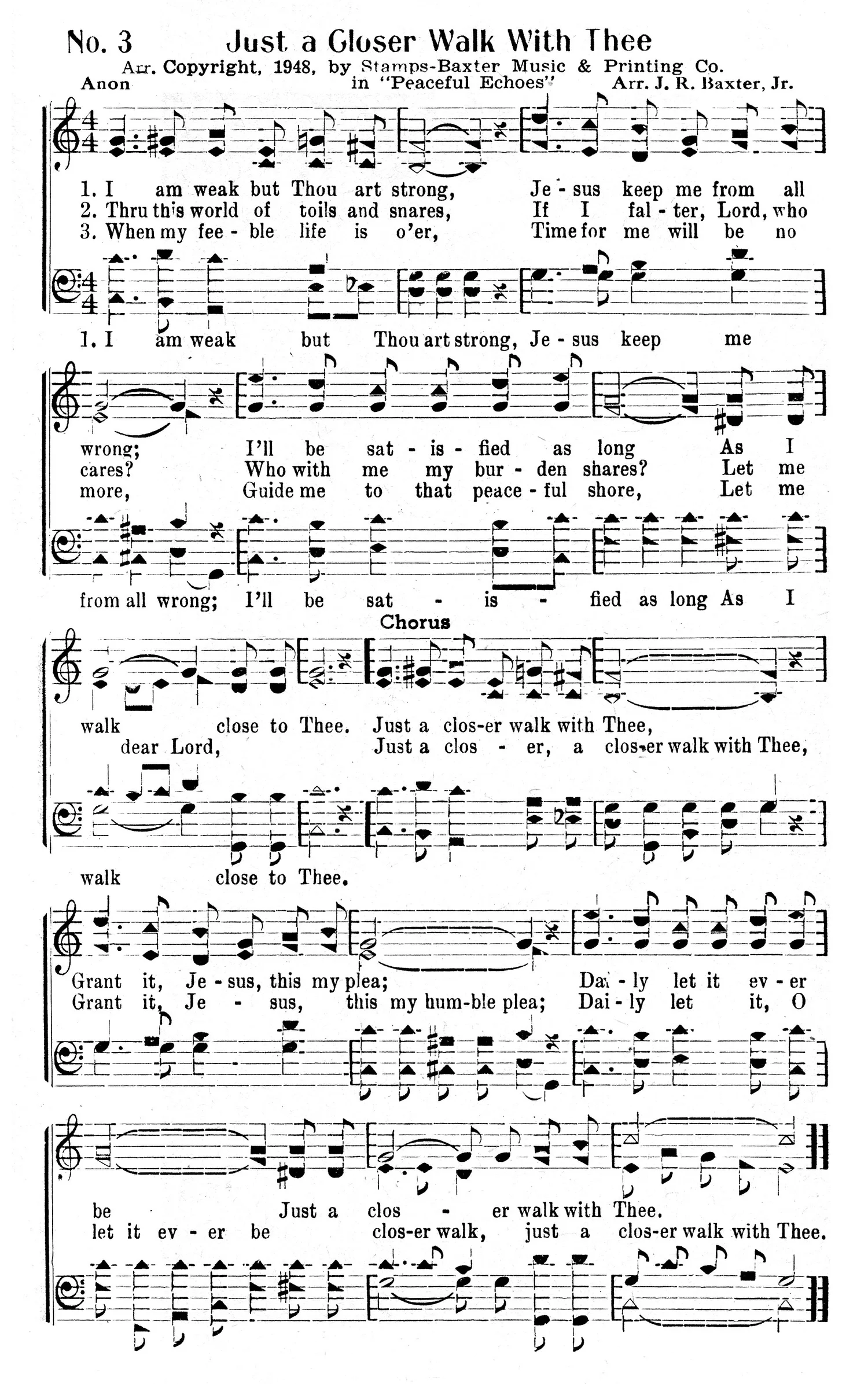
"Just a Closer Walk with Thee" is one of the most widely performed Christian hymns in American history, yet its precise origins remain shrouded in the folk tradition of the 19th and early 20th centuries. Music historians generally place the song's roots within traditional African American gospel churches and Southern camp meetings. Its first documented print appearances emerged in the late 1930s and early 1940s when songbooks published by companies like Stamps-Baxter and Morris Music brought the arrangement to national attention.
The song gained widespread cultural recognition beyond Sunday church services through two major musical traditions: New Orleans jazz funerals and mid-century country music broadcasts. In New Orleans brass band funeral processions, the hymn was traditionally played as a slow, solemn dirge on the way to the cemetery, symbolizing the earthly sorrow of parting, before transitioning into celebratory uptempo jazz on the return march.
In country and gospel music, the song achieved crossover commercial success in 1950 when Red Foley recorded a million-selling version for Decca Records. Foley’s hit established "Just a Closer Walk with Thee" as a standard repertory piece for country vocalists, laying the structural foundation for later renditions by artists ranging from Patsy Cline and Tennessee Ernie Ford to Willie Nelson and Randy Travis.
Randy Travis’s Turn to Sacred Music and Gospel Albums
In the mid-1980s, Randy Travis spearheaded the neotraditionalist movement in country music, restoring acoustic warmth, fiddle, pedal steel, and traditional baritone phrasing to a genre that had drifted toward pop-heavy production. Classic albums like Storms of Life (1986) and Always & Forever (1987) established him as one of country music's primary vocalists.
By the late 1990s and early 2000s, Travis redirected a significant portion of his artistic focus toward sacred music and traditional Christian hymnody. This era produced several award-winning projects:
- Inspirational Journey (2000): Marked his formal entry into full-length gospel recording, combining new Christian country material with sacred standards.
- Rise and Shine (2002): Included the hit single "Three Wooden Crosses," which won the Country Music Association (CMA) Song of the Year award and crossed over from Christian radio back to the top of the mainstream Billboard country charts.
- Worship & Praise: 20 Hymns of Devotion (2003): A dedicated project focused on preserving foundational hymns of the church, including "Just a Closer Walk with Thee," "Amazing Grace," "In the Garden," and "Softly and Tenderly."
- Glory Train: Songs of Faith, Hymns of Hope (2003): Expanded his exploration of traditional gospel songs and spirituals.
Travis's sacred albums received broad acclaim within both country music and Christian entertainment, earning multiple Gospel Music Association (GMA) Dove Awards and Grammy Awards for Best Southern, Country, or Bluegrass Gospel Album.
Musical Arrangement and Vocal Artistry
Randy Travis’s rendition of "Just a Closer Walk with Thee" relies on restraint and acoustic intimacy. Rather than employing dramatic orchestral swells or modern vocal belting, the production emphasizes the natural timbre of Travis's resonant baritone.
Key Musical Elements
- Vocal Phrasing and Tone: Travis utilizes his signature low-register resonance, delivering the verses with a conversational, prayerful quality. His subtle vocal bends and slight drawl anchor the song firmly within traditional country roots while maintaining solemnity.
- Instrumentation: The arrangement centers on acoustic rhythm guitar, gentle piano fills, soft bass, and delicate pedal steel accents. The absence of heavy percussion keeps the listener focused entirely on the lyric.
- Tempo and Meter: Performed in a relaxed, slow 4/4 time signature, the tempo gives each line room to breathe, echoing the reflective nature of personal devotion.
- Harmonic Structure: Built around a foundational diatonic progression (I–V–I–IV–I–V–I), the arrangement avoids complex modulation, reinforcing the timeless simplicity of traditional hymnody.
Verse Chord Pattern (Key of G Major): G (I) -> D7 (V7) -> G (I) -> G7 (I7) C (IV) -> G (I) -> D7 (V7) -> G (I)
By prioritizing warmth over technical embellishment, Travis creates an atmosphere reminiscent of an intimate chapel gathering rather than a large concert hall.
Comparing Notable Country and Gospel Renditions
"Just a Closer Walk with Thee" has been recorded across multiple genres. Comparing Travis's interpretation with other milestone versions illustrates how different vocalists have approached the hymn:
| Artist | Year | Primary Genre / Style | Key Musical Features | Vocal Tone & Delivery |
|---|---|---|---|---|
| Red Foley | 1950 | Early Country Gospel | Organ backing, simple guitar strumming, traditional church quartet feel | Warm mid-century baritone, direct and unadorned |
| Tennessee Ernie Ford | 1956 | Traditional Sacred / TV Gospel | Full choral backing, organ instrumentation, classical hymn structure | Deep, formal bass-baritone with classical projection |
| Patsy Cline | 1962 | Countrypolitan / Torch Gospel | Subtle studio strings, piano chords, smooth background vocals | Rich, emotive contralto with expressive dynamics |
| Willie Nelson | 1996 | Outlaw Country / Acoustic | Sparse nylon-string guitar, off-beat vocal phrasing | Introspective, conversational, and rhythmically flexible |
| Randy Travis | 2003 | Neotraditional Country Gospel | Acoustic rhythm guitars, subtle steel guitar, slow meditative tempo | Deep, warm country baritone with devotional reverence |
While Red Foley set the standard for country airplay and Willie Nelson emphasized narrative freedom, Randy Travis struck a balance between traditional church hymnody and neotraditional country production.
Lyrical Themes, Personal Faith, and Devotional Resonance
The enduring appeal of "Just a Closer Walk with Thee" lies in its open acknowledgment of human vulnerability and dependence on divine grace. Unlike anthemic hymns that celebrate triumphant victory, this song is framed as a humble personal prayer.
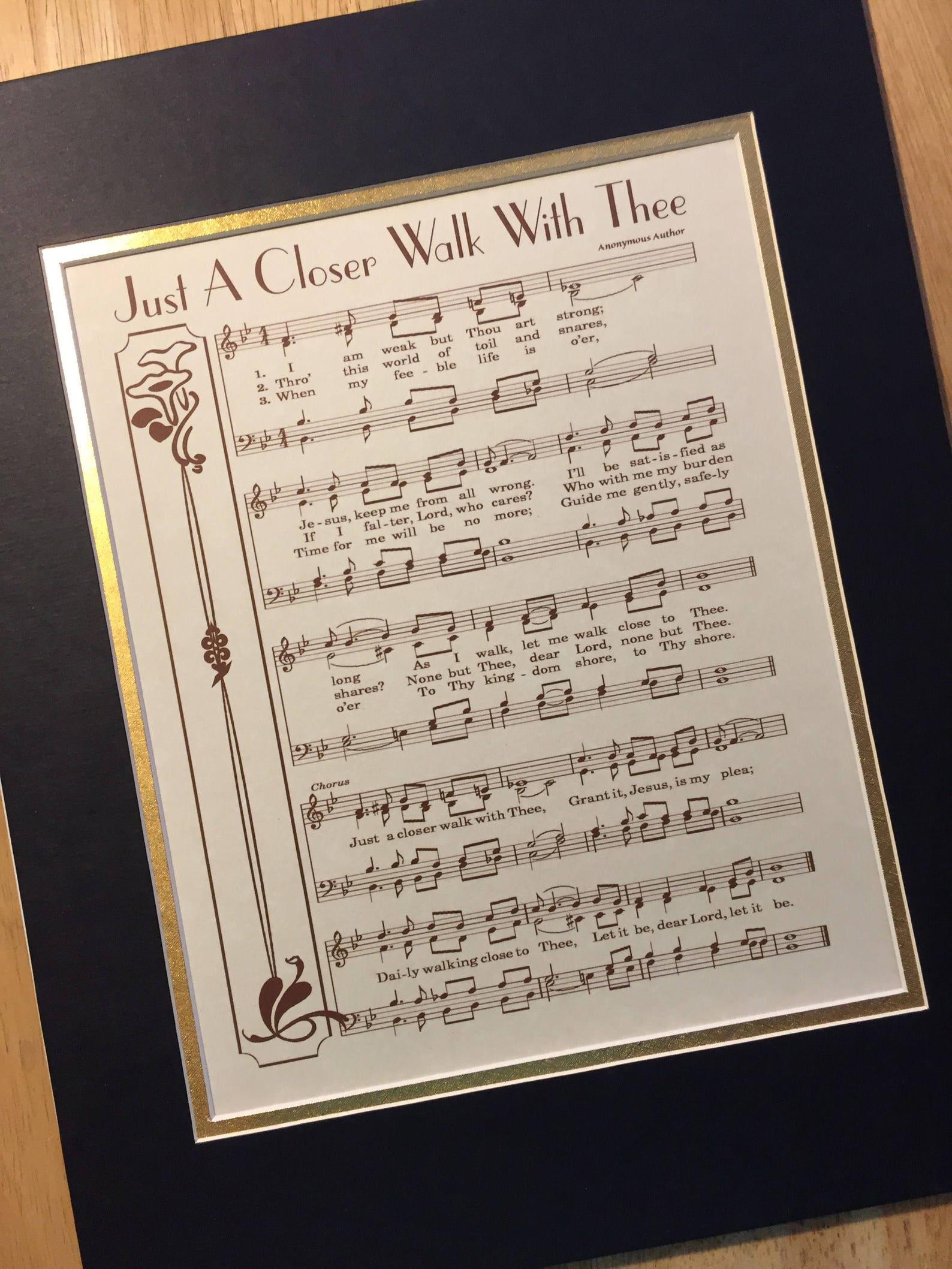
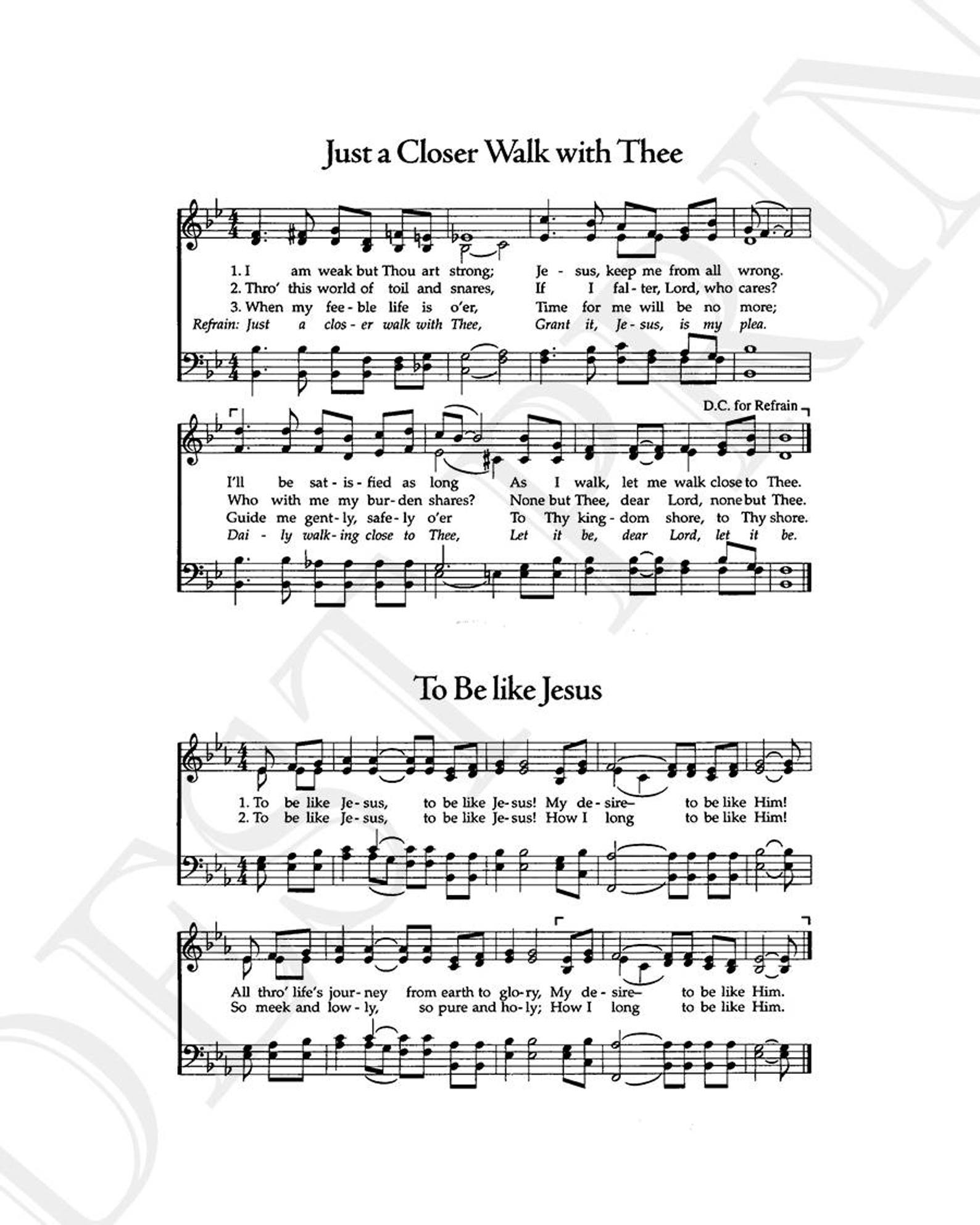
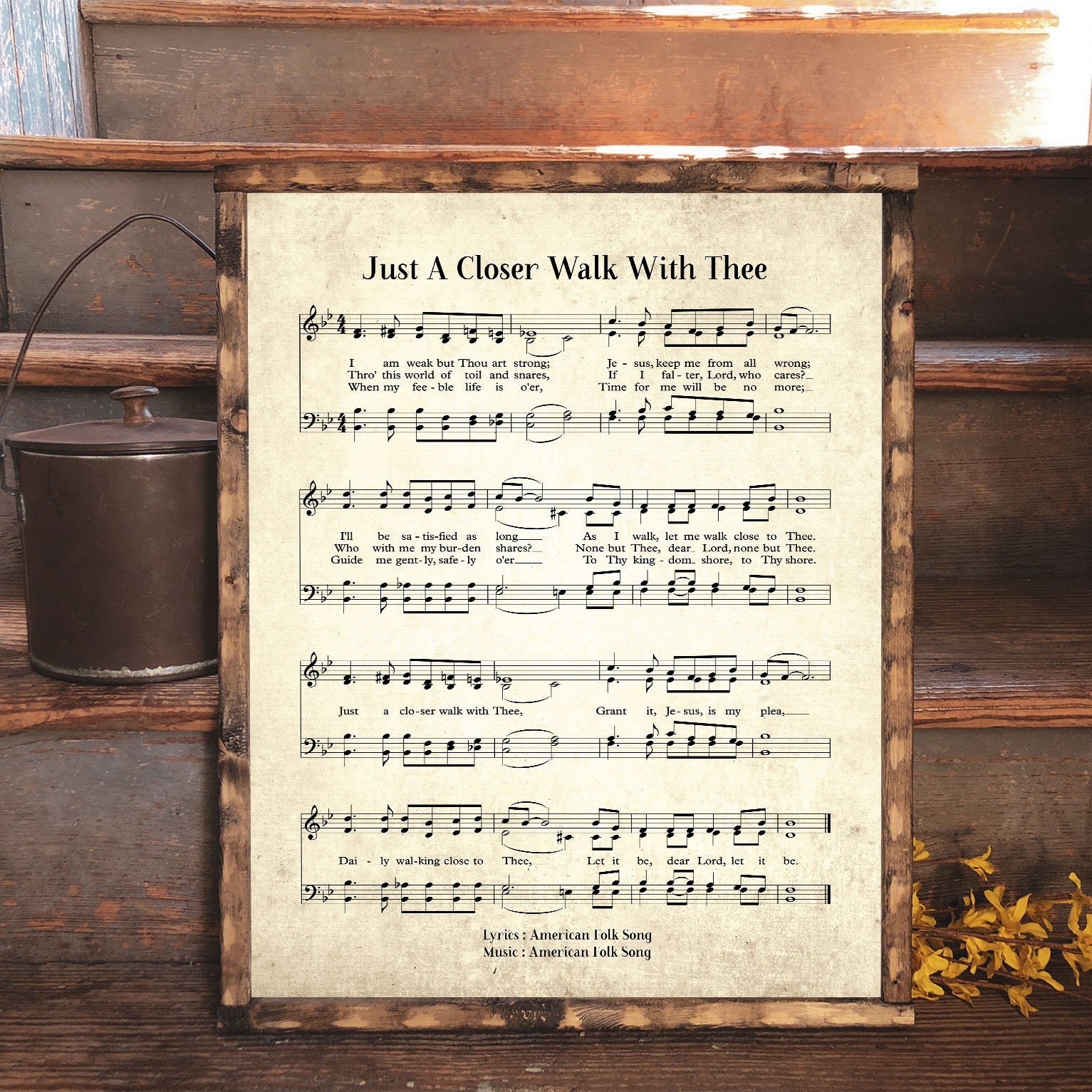
"I am weak, but Thou art strong;Jesus, keep me from all wrong;I'll be satisfied as longAs I walk, let me walk close to Thee."
The lyric speaks directly to core theological themes:
- Human Frailty: The opening line establishes an honest assessment of mortal limitation, acknowledging that strength is drawn from a higher source.
- Daily Discipleship: The request is not for wealth, health, or status, but simply for closeness—walking daily alongside the divine through life’s trials.
- Comfort in Mortality: The final verses address the end of earthly life ("When my feeble life is o'er / Time for me shall be no more"), framing death not with fear, but as a peaceful transition into eternal fellowship.
For Randy Travis, whose public career has included significant personal triumphs as well as severe health challenges—including his surviving a debilitating stroke in 2013—the lyrics carry an added layer of poignancy for longtime fans. The recording stands as a testament to the comforting power of simple faith during moments of personal struggle.
Practical Guidance for Listeners and Performers
For vocalists, church musicians, and listeners seeking to study or perform Randy Travis’s style of country hymnody, several practical considerations apply:
Performing the Arrangement
- Select the Right Key: Randy Travis typically performs traditional hymns in keys tailored to a deep baritone range (such as F major, G major, or E-flat major). Transposing the song into these keys allows low-register vocalists to achieve a full, resonant tone without straining into high chest voice.
- Keep the Instrumentation Authentic: Limit electronic synthesized instrumentation. Focus instead on acoustic guitar fingerpicking, clean bass lines, and subtle acoustic piano fills.
- Emphasize Diction and Pacing: Avoid rushing the lyrics. Allow natural pauses between lines to emphasize the meditative, prayerful content of each verse.
Catalog Exploration
To hear Travis's hymn recordings in context, explore his complete gospel releases:
- Worship & Praise: 20 Hymns of Devotion (Word Entertainment / Warner Bros.)
- Inspirational Journey (Giant Records / Warner Bros.)
- Blessed Assurance: Sacred Songs & Hymns (Gaither Music Group)
Frequently Asked Questions
On which album did Randy Travis release "Just a Closer Walk with Thee"?
Randy Travis included "Just a Closer Walk with Thee" on his 2003 gospel album Worship & Praise: 20 Hymns of Devotion, released through Word Entertainment and Warner Bros. Nashville. It also appears on subsequent compilation packages highlighting his sacred recordings.
Who originally wrote the song "Just a Closer Walk with Thee"?
The exact author of "Just a Closer Walk with Thee" is unknown. It originated as an anonymous African American gospel and Southern traditional hymn in the late 19th or early 20th century, before being formally transcribed, published, and copyrighted in songbooks during the late 1930s and 1940s.
What awards did Randy Travis win for his gospel recordings?
During his gospel era in the 2000s, Randy Travis won multiple GMA Dove Awards for Country Album of the Year and several Grammy Awards in gospel categories, notably for albums like Rise and Shine and his crossover single "Three Wooden Crosses."
What vocal range is required to sing Randy Travis's arrangement?
Travis's arrangement is tailored for a low baritone or bass voice, spanning roughly an octave from lower chest register notes (such as G2 or A2) up to C4 or D4 in the middle register.
How does Randy Travis’s version differ from New Orleans jazz recordings of the hymn?
While New Orleans jazz renditions often start as slow funeral marches and transition into upbeat, syncopated brass band arrangements, Randy Travis’s version maintains a constant, reflective tempo built around acoustic country picking and understated studio backing.
Deepening Your Exploration of Randy Travis's Sacred Music
To fully appreciate Randy Travis's contribution to sacred music, listen to his gospel recordings alongside his early neotraditional country albums. Transitioning from secular hits like "Diggin' Up Bones" to devotional projects like Worship & Praise: 20 Hymns of Devotion reveals a consistent artistic voice rooted in authenticity, simplicity, and respect for American musical heritage. Musicians and church vocalists studying his work can use his straightforward arrangements as a masterclass in emotional delivery, vocal restraint, and genre-blending reverence.