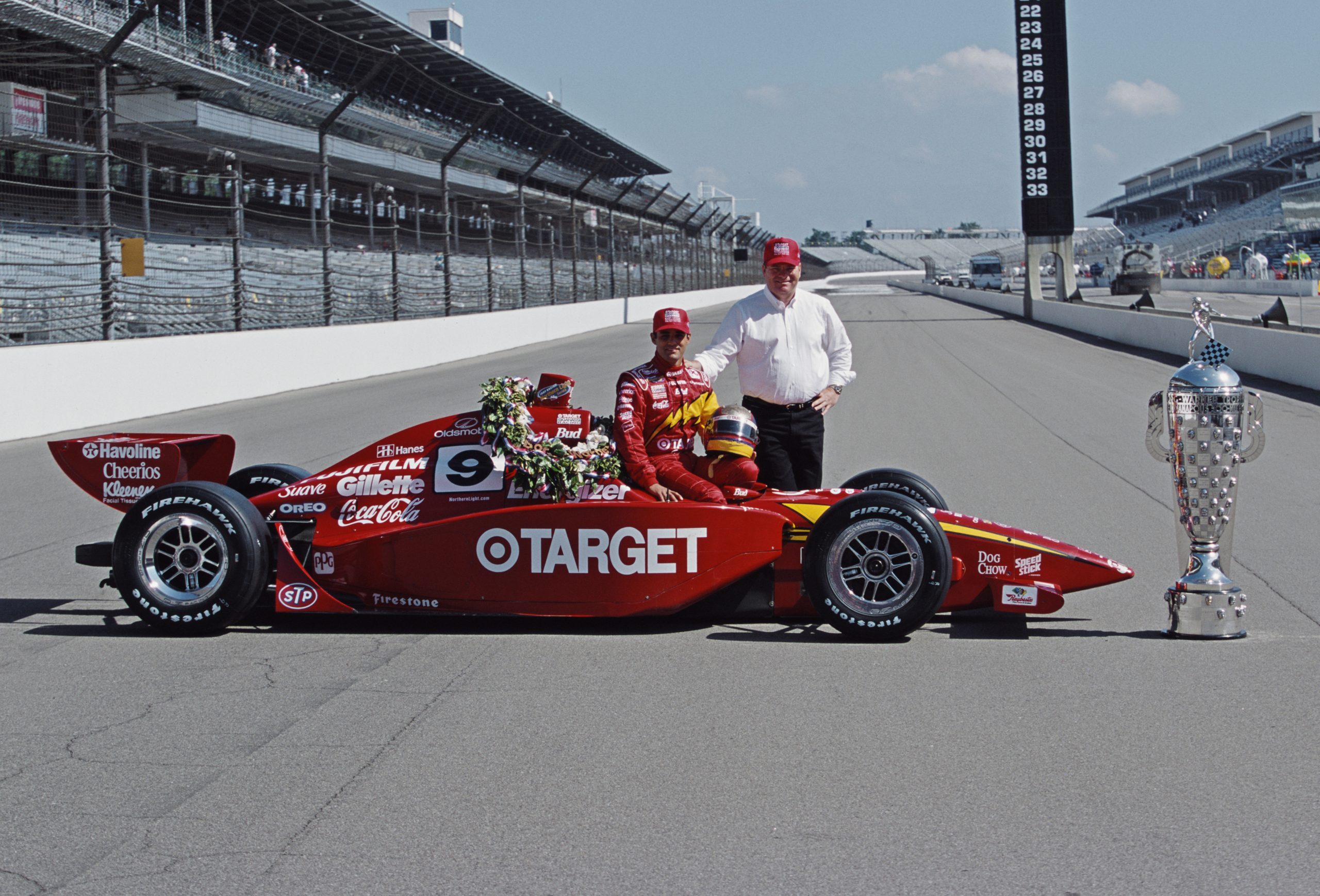
Chip Ganassi Racing (CGR) stands as one of the most successful and diversified organizations in the history of professional motorsports. With a multi-decade footprint spanning the NTT IndyCar Series, the IMSA WeatherTech SportsCar Championship, and a storied tenure in the NASCAR Cup Series, the organization represents a high-water mark for team ownership. While Chip Ganassi’s personal net worth, estimated by industry analysts to range between $150 million and $200 million, reflects decades of corporate sponsorship management and race-winning performance, the true legacy of CGR lies in its operational evolution and its strategic exit from NASCAR in 2021.
The Foundation of an Ownership Empire
Chip Ganassi entered team ownership in the late 1980s, transitioning from a brief driving career into a role as an owner-operator with a singular focus: winning. Unlike many team owners who viewed racing as a secondary endeavor, Ganassi built his organization as a high-performance business enterprise. He pioneered the "super-team" model, characterized by deep technical resources, long-term sponsor retention, and the ability to attract top-tier engineering talent.
His ownership philosophy is rooted in the "I like winners" mantra, which has guided his recruitment of drivers across various disciplines. By centralizing operations in Indianapolis and Charlotte, CGR leveraged synergies between IndyCar and NASCAR programs for years, optimizing wind tunnel time, research and development, and corporate administrative costs. This consolidation allowed the team to remain competitive during periods of economic volatility in the sports marketing industry.
The NASCAR Legacy and Strategic Realignment
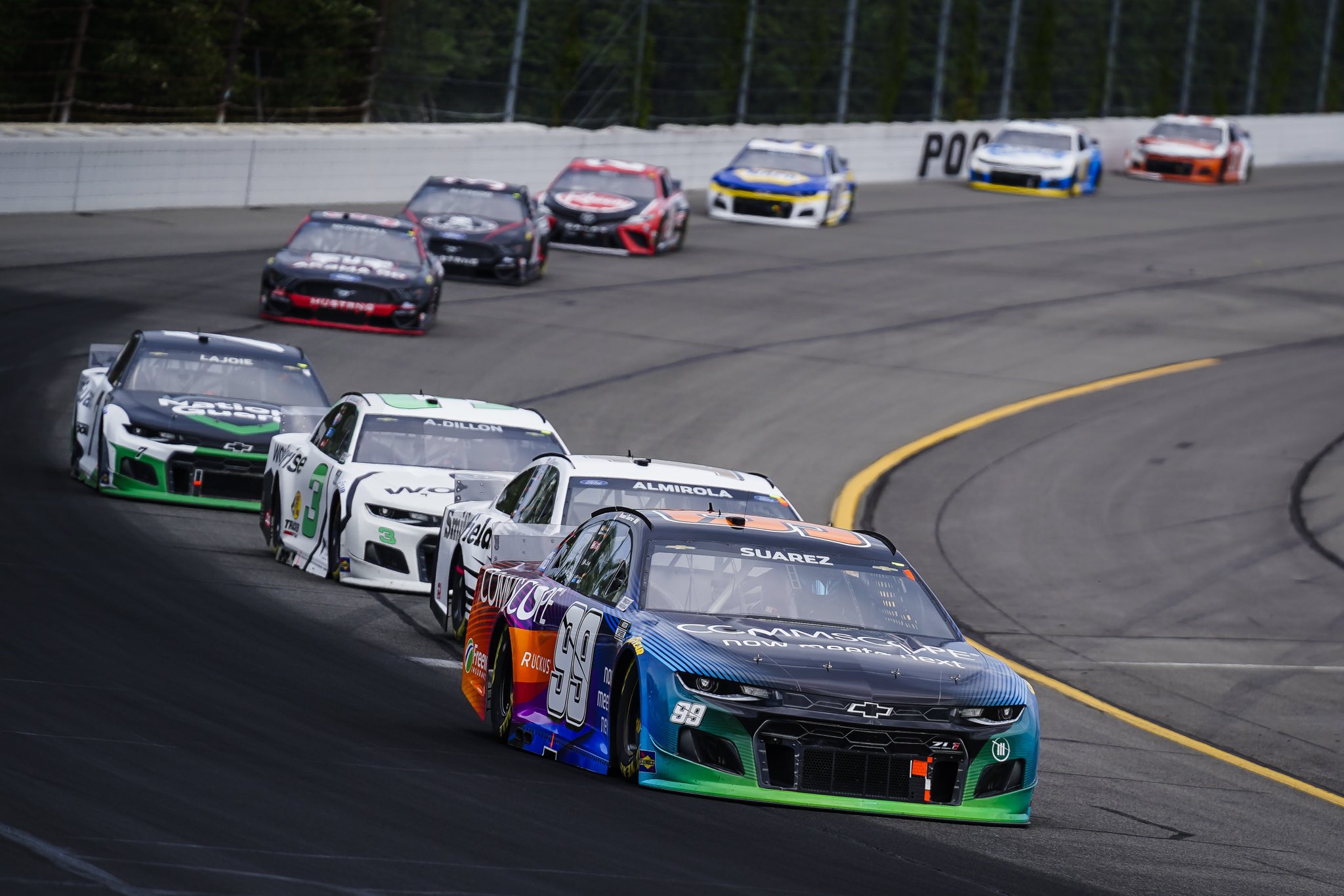
From 2001 to 2021, Chip Ganassi Racing was a fixture in the NASCAR Cup Series. The team’s entry into NASCAR was marked by a partnership with Felix Sabates, forming Chip Ganassi Racing with Felix Sabates. Over the two decades that followed, the team captured significant milestones, including victories in the Daytona 500 and the Brickyard 400.
The decision to exit NASCAR in 2021 was a calculated move rather than a sign of financial failure. By selling his NASCAR charter and assets to Trackhouse Racing—led by Justin Marks and Pitbull—Ganassi maximized the value of his racing enterprise at a time when charter prices were appreciating significantly. This divestment allowed the organization to pivot its full focus back toward its core strength: the NTT IndyCar Series and its burgeoning relationship with Cadillac in sports car racing.
Comparative Analysis of Team Ownership Models
The transition from a multi-discipline racing conglomerate to a specialized powerhouse highlights the distinct pressures of modern motorsport ownership. The following table illustrates the operational differences between the legacy CGR model and its current focus.
| Operational Metric | NASCAR Era (2001–2021) | Current Focus (2026) |
|---|---|---|
| Primary Series | Cup Series, IndyCar, IMSA | IndyCar, IMSA (Cadillac) |
| Business Structure | High-Volume Multi-Discipline | Technical Specialization |
| Revenue Model | Corporate Sponsorship/Charter | OEM Partnership/Technical Services |
| Asset Focus | Heavy R&D across 3 disciplines | Engineering refinement/Performance |
Financial Implications of Team Ownership
In professional auto racing, "net worth" for a team owner is inextricably linked to the value of the team's charters, technical infrastructure, and long-term marketing contracts. Because race teams are privately held entities, valuation is subjective and often tied to the specific assets they hold within a league. In NASCAR, the charter system—which guarantees a starting spot and a share of the television revenue—has created a tangible asset class that did not exist in the early years of Ganassi’s ownership.
When CGR divested its NASCAR operations, the sale included the physical infrastructure at the Concord, North Carolina facility and the coveted charters. For an owner like Ganassi, this represented a capital liquidity event that allowed for continued investment in IndyCar, where the costs of engine programs and driver salaries remain significant. The financial discipline Ganassi displayed by exiting NASCAR at the peak of charter value is considered a hallmark of his managerial acumen.
Technical Depth and Engineering Heritage
The enduring success of Chip Ganassi Racing is largely attributed to its culture of technical excellence. By fostering an environment where engineers are given the autonomy to innovate within the confines of series regulations, CGR has maintained a competitive edge for over thirty years. In the IndyCar Series, this manifests through advanced simulation work and a rigorous testing schedule that predates the modern era of data-driven racing.
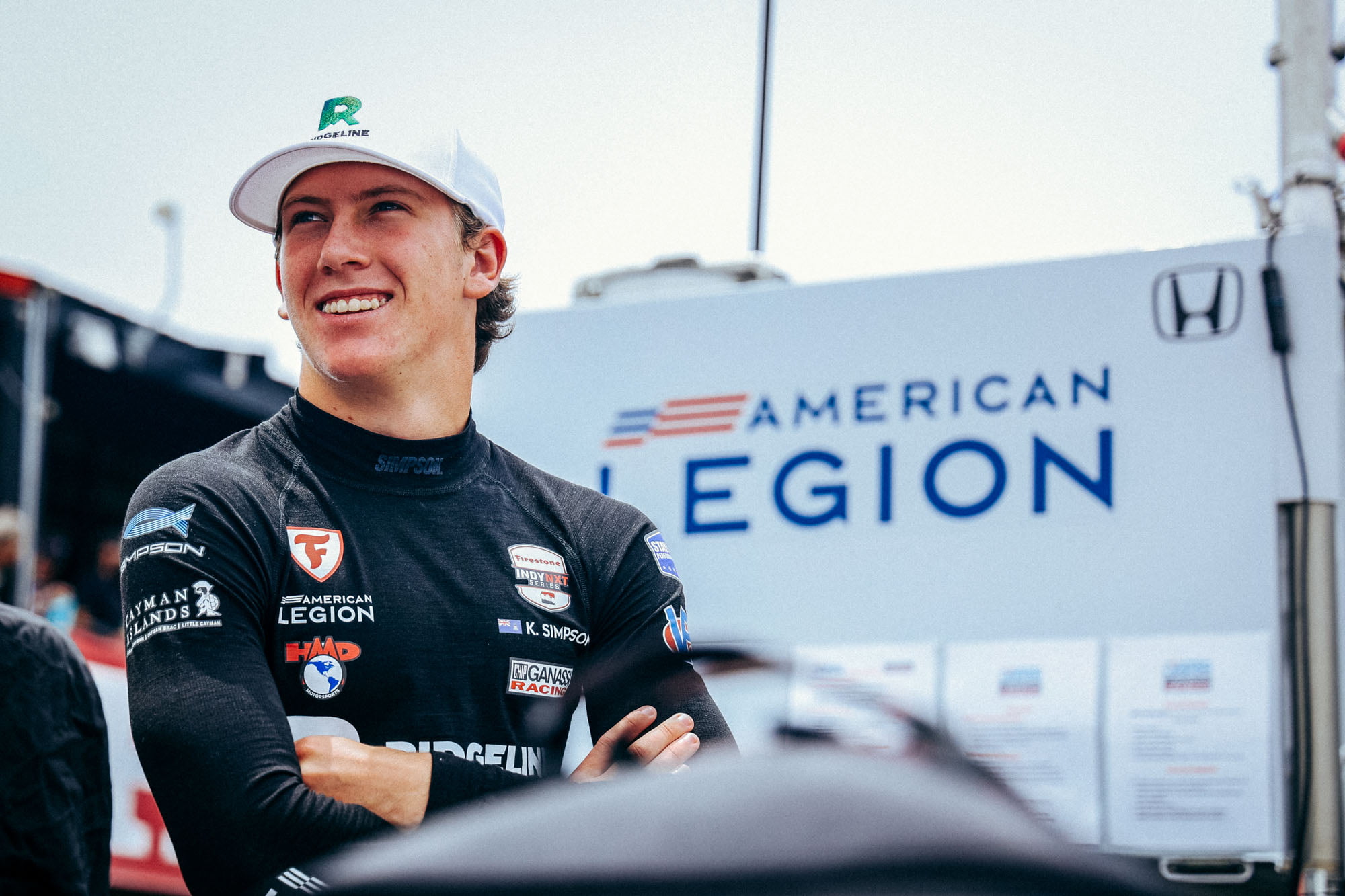
The partnership with manufacturers like Honda in IndyCar and Cadillac in sports car racing has provided the necessary capital for research and development. In the technical landscape of 2026, the team continues to integrate hybrid technology into its race craft, demonstrating that the organization remains at the forefront of automotive innovation rather than merely participating in the sport as a legacy franchise.
FAQ: Understanding Chip Ganassi’s Motorsports Impact
Is Chip Ganassi still involved in NASCAR?
No. Chip Ganassi completely divested from the NASCAR Cup Series in 2021 when he sold his team operations and charters to Trackhouse Racing. While his legacy in the sport remains significant due to his decades of competition and championships, he holds no current ownership stake in any NASCAR entity as of 2026.
How did the sale of the NASCAR team affect Ganassi's net worth?
The sale provided a substantial liquidity event for Ganassi. By liquidating his NASCAR assets during a period of rising charter valuations, he was able to convert long-term, capital-heavy assets into cash or re-invested capital, which supports his ongoing operations in the NTT IndyCar Series and IMSA sports car programs.
Why is Chip Ganassi Racing considered a "super-team"?
The designation refers to the team’s ability to field multiple championship-contending entries simultaneously across different series. By centralizing management, sponsorship sales, and technical R&D, CGR operates with an economy of scale that smaller, single-car or single-series teams cannot easily replicate.
What defines the "Ganassi Legacy" in American motorsports?
The legacy is defined by versatility and high-performance standards. Ganassi is one of the few owners to have won the Indianapolis 500, the Daytona 500, the 24 Hours of Daytona, and the 24 Hours of Le Mans. His ability to move seamlessly between open-wheel, stock car, and sports car racing is widely considered unique in the history of the sport.
How does the current IndyCar program maintain profitability?
Profitability in the current IndyCar environment is driven by a combination of manufacturer support from Honda, multi-year title sponsorships, and the share of league revenue distributions. Unlike the early days of racing, which relied almost exclusively on unpredictable sponsorship, the 2026 model for a top-tier team like CGR relies heavily on stable, long-term B2B partnerships and commercial hospitality.
Strategic Recommendations for Motorsport Investors
For those examining the economics of team ownership, the trajectory of Chip Ganassi Racing serves as a masterclass in portfolio management. The primary lesson is the necessity of agility. Owners must be willing to liquidate assets when the market peaks and reallocate resources into segments with higher growth potential or more favorable technical stability.
Prospective owners should prioritize the following when evaluating the industry in 2026:
- Manufacturer Alignment: Ensure long-term commitments from OEMs (Original Equipment Manufacturers), as these relationships provide the technical data and financial baseline required for competitiveness.
- Asset Liquidity: Understand the valuation mechanisms of the series in which you participate—specifically, whether those series utilize a charter or franchise model that can be traded or sold.
- Operational Consolidation: Identify overhead efficiencies early. The ability to cross-utilize engineering talent across different racing disciplines can significantly reduce the "cost per point" of development.
By maintaining a focus on these pillars, teams can avoid the common trap of over-extension, ensuring that the organization remains a viable business entity regardless of the cyclical nature of professional sports.