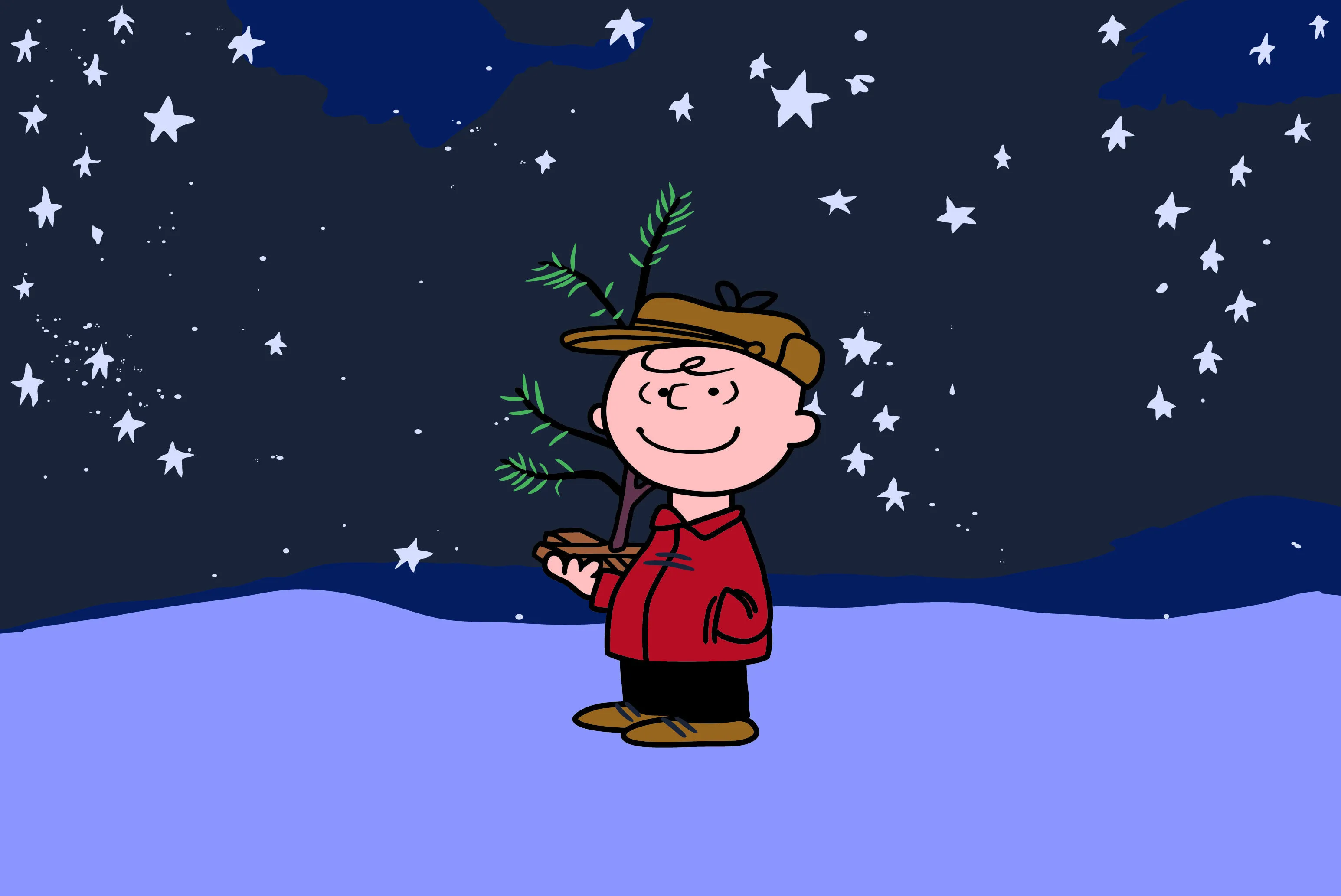
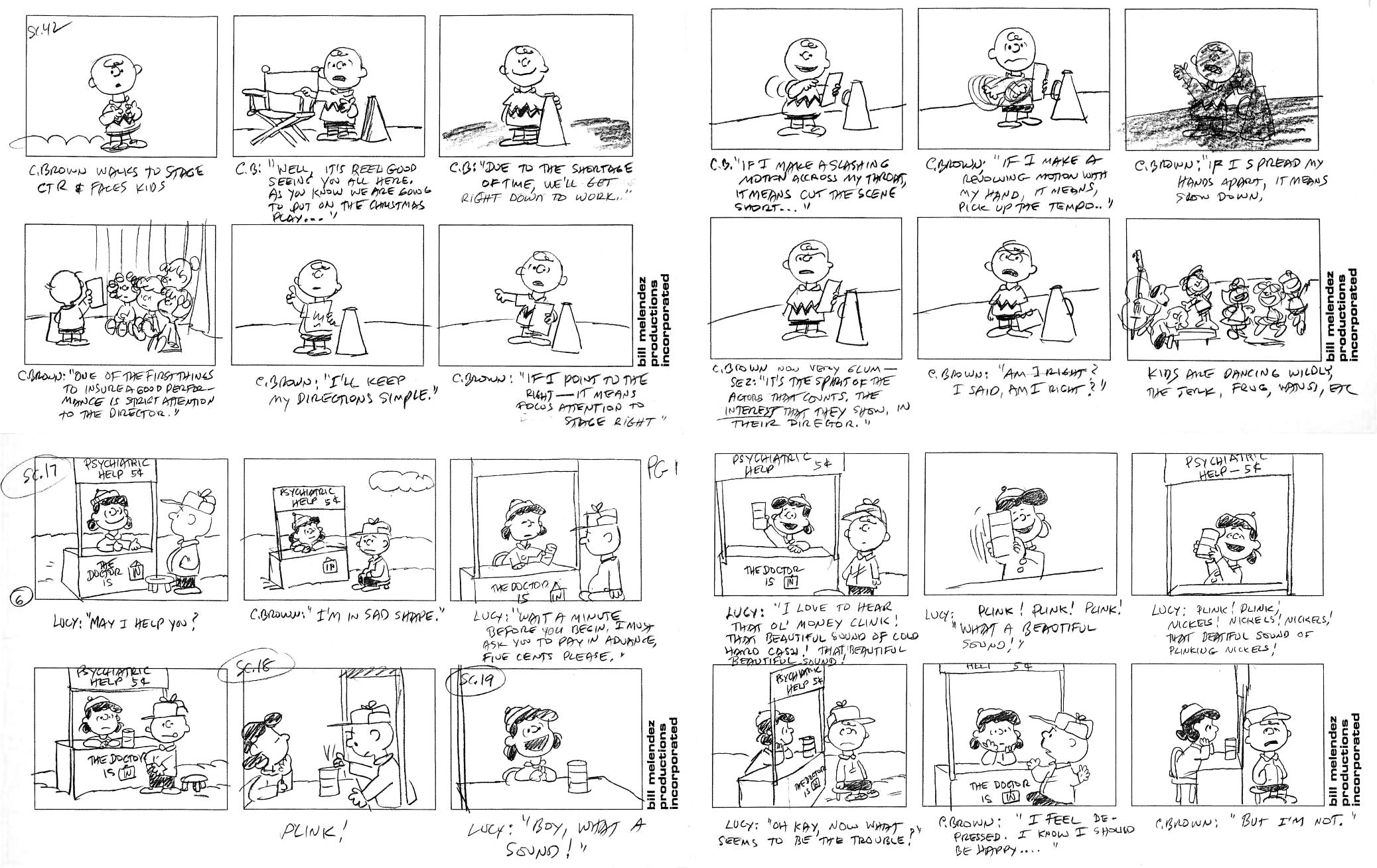
A Charlie Brown Christmas became a holiday tradition through its bold subversion of 1960s television norms, featuring a sophisticated jazz score, real child actors, and a poignant script by Charles Schulz. Despite intense network skepticism regarding its slow pacing and religious themes, its 1965 debut was a massive success, cementing its place as a perennial seasonal broadcast.
The Unlikely Origins of a Masterpiece
The journey of A Charlie Brown Christmas from a newspaper comic strip to a global television phenomenon was anything but certain. In the early 1960s, Charles M. Schulz’s Peanuts was already a syndicated success, but television producers were wary of how the minimalist, philosophical humor of the strip would translate to animation. The catalyst for the project was producer Lee Mendelson, who had recently completed a documentary about Schulz. When Coca-Cola expressed interest in sponsoring a Christmas special, Mendelson collaborated with animator Bill Melendez to pitch a half-hour program.
The production timeline was notoriously tight. The team had only six months to move from a rough outline to a finished broadcast. Schulz, known for his protective nature over his characters, insisted on writing the script himself. This was a critical departure from the industry standard, where professional television writers were typically hired to adapt existing intellectual property. Schulz’s involvement ensured that the special maintained the "quiet" tone of the comic, focusing on internal struggle and the search for meaning rather than slapstick humor.
Challenging the Television Status Quo
In 1965, television animation followed a rigid set of rules designed for maximum mass-market appeal. A Charlie Brown Christmas broke nearly every one of them. The creative team’s refusal to conform to these standards is precisely what gave the special its timeless quality.
The Rebellion Against the Laugh Track
One of the most significant points of contention between Schulz and CBS executives was the use of a laugh track. During the 1960s, it was considered a standard requirement for comedies to include canned laughter to signal to the audience when a joke had occurred. Schulz was vehemently opposed to this, arguing that the audience should be allowed to react naturally to the story. He famously told Mendelson, "The viewers are smart enough to know when to laugh." By omitting the laugh track, the special gained a sense of sincerity and emotional depth that was unprecedented in children’s programming.
A Radical Soundtrack: The Vince Guaraldi Trio
The decision to use a jazz score was equally revolutionary. At the time, children’s cartoons were typically accompanied by whimsical, orchestral arrangements or simple "mickey-mousing" (music that mimics the physical actions on screen). Lee Mendelson had heard a song titled "Cast Your Fate to the Wind" by jazz pianist Vince Guaraldi while driving across the Golden Gate Bridge and felt that Guaraldi's style perfectly captured the introspective nature of Charlie Brown.
The resulting soundtrack, featuring tracks like "Linus and Lucy" and "Christmas Time Is Here," provided a sophisticated, adult-level emotional layer to the animation. The music did not talk down to children; instead, it elevated the narrative, creating an atmosphere that was simultaneously joyful and melancholy. As of 2026, the Vince Guaraldi Trio's soundtrack remains one of the best-selling jazz albums of all time.
The Use of Non-Professional Child Actors
Unlike contemporary animated projects that often utilized adult voice actors imitating children, Bill Melendez and Schulz insisted on using actual children for the voices of the Peanuts gang. This presented significant technical challenges. Many of the young actors, including Peter Robbins (Charlie Brown) and Christopher Shea (Linus), had never worked in a recording studio before. Some of the youngest children couldn't read the script yet, requiring Melendez to feed them their lines phonetically, one sentence at a time. This choice resulted in a naturalistic, slightly unpolished vocal performance that resonated with audiences as authentic.
Production Hurdles and the "Messy" Animation Style
Technically, the production was a "scrappy" endeavor. Bill Melendez, who had previously worked for Disney and Warner Bros., had to adapt Schulz’s idiosyncratic drawing style into a format that could move. Schulz’s characters were designed for the flat, two-dimensional world of a four-panel comic strip. Their large heads and small feet made traditional animation physics difficult to apply.
The animation in the original 1965 broadcast featured several technical flaws, such as characters "jittering" during walks and inconsistent backgrounds. Executives at CBS were horrified by the final product when they viewed it just days before the scheduled air date. They found the pacing too slow, the animation too simple, and the inclusion of a New Testament reading by Linus to be a commercial risk. They predicted the special would be a disaster.
However, the "limited animation" style actually worked in the special’s favor. It forced the audience to focus on the dialogue and the expressions of the characters rather than the spectacle. The simplicity of the visuals mirrored the simplicity of the message, creating a cohesive artistic vision that transcended its technical limitations.
A Tale of Two Trees: Symbolism and Storytelling
The central conflict of the special—Charlie Brown’s struggle with the commercialization of Christmas—was a bold theme for a program sponsored by a major corporation like Coca-Cola. The "Charlie Brown Tree" has since become a powerful cultural shorthand for the rejection of superficiality.
By choosing the small, sickly, wooden tree over the "shiny aluminum" trees that were popular in the mid-1960s, Charlie Brown makes a moral statement. The tree represents his own feelings of inadequacy and his desire for something "real." The climax of the special, where Linus recites the Gospel of Luke to explain "what Christmas is all about," was a moment Schulz fought for personally. Despite the network's fears that a religious message would alienate viewers, the scene became the emotional anchor of the special, providing a moment of stillness and clarity that remains powerful in 2026.
Production Specifications and Historical Milestones
The following table outlines the technical and historical data surrounding the creation of A Charlie Brown Christmas.
| Feature | Specification / Detail |
|---|---|
| Original Air Date | December 9, 1965 |
| Production Budget | Approximately $76,000 |
| Lead Animator | Bill Melendez |
| Primary Sponsor | The Coca-Cola Company |
| Recording Format | Mono (Original), later remastered for Stereo |
| Voice of Charlie Brown | Peter Robbins |
| Voice of Linus | Christopher Shea |
| Awards Won | Emmy Award (1966), Peabody Award (1966) |
| Length | 25 minutes (excluding commercials) |
| Network | CBS (1965–2000), ABC (2001–2019), Apple TV+ (2020–Present) |
The Enduring Legacy and Where to Watch in 2026
The longevity of A Charlie Brown Christmas is a testament to its universal themes. While the technology of 2026 allows for hyper-realistic 3D animation, the hand-drawn, 2D charm of the Peanuts gang remains a seasonal staple. The special’s exploration of seasonal affective disorder—before the term was widely used—continues to offer comfort to viewers who find the holidays overwhelming or commercially driven.
In recent years, the distribution of the special has shifted. In 2020, Apple acquired the rights to the Peanuts library. As of 2026, the primary way to watch A Charlie Brown Christmas is through Apple TV+. However, in keeping with the spirit of the special being a public tradition, Apple has historically offered "free windows" where non-subscribers can stream the special for a limited time during the holiday season. Physical media remains a popular option for collectors, with 4K Ultra HD restorations available for those who wish to see every detail of Melendez’s original animation.
The "Charlie Brown Christmas tree" itself has become a legitimate product, sold by various retailers as a symbol of the holiday's true meaning. The special's influence is seen in countless animated works that have since adopted its quiet, character-driven approach to storytelling.
How was the voice of Snoopy created?
Bill Melendez, the director of the special, provided the voice of Snoopy himself. Rather than using actual dog sounds, Melendez recorded himself making various squeaks, growls, and laughs, then sped up the tape to create the iconic "high-pitched" sound of the beagle. This technique gave Snoopy a unique, expressive personality without requiring him to speak English.
Why was there a scene with a Bible reading in a children's cartoon?
Charles Schulz insisted on the inclusion of the New Testament reading from the Gospel of Luke. Producers Lee Mendelson and Bill Melendez were initially hesitant, fearing that it was too religious for a secular television audience. Schulz famously replied, "If we don't do it, who will?" The scene where Linus drops his blanket—a rare moment of vulnerability—during the reading was intended to show that faith can replace fear.
Is the original Coca-Cola version still available?
The original 1965 broadcast included several references to the sponsor, Coca-Cola, within the animation and credits. In subsequent years, these references were edited out for syndication on other networks and for home video releases. While the "sanitized" version is the one most viewers are familiar with today, the original broadcast version is preserved as a historical artifact by the Paley Center for Media.
What happened to the child actors after the special?
Most of the children who voiced the characters did not pursue long-term acting careers. Peter Robbins, the voice of Charlie Brown, remained closely associated with the role for several years but later faced personal struggles. Christopher Shea (Linus) passed away in 2010. Kathy Steinberg (Sally) left acting entirely. Their performances, however, remain captured in time as the definitive versions of these characters.
Why does the animation look "jittery" in some scenes?
The "jitter" or shakiness in the animation was due to the tight budget and the limited frames-per-second used by the animators. Because the project was rushed to meet the December deadline, there was no time to re-shoot or clean up minor errors. This aesthetic eventually became part of the special's charm, representing the "perfectly imperfect" nature of the story itself.
Preserving the Tradition in the Digital Era
To maintain the tradition of A Charlie Brown Christmas in 2026, viewers should focus on the quality of the viewing experience rather than just the convenience of streaming. The special was designed to be a communal event. Whether watching via a digital platform or on physical media, the best way to honor the "making" of this tradition is to watch it as it was intended: without distractions, allowing the Vince Guaraldi score and Schulz’s quiet dialogue to set the pace for the holiday season.
For those interested in the deeper history, visiting the Charles M. Schulz Museum in Santa Rosa, California, provides an in-depth look at the original storyboards and production cells that brought this holiday classic to life.