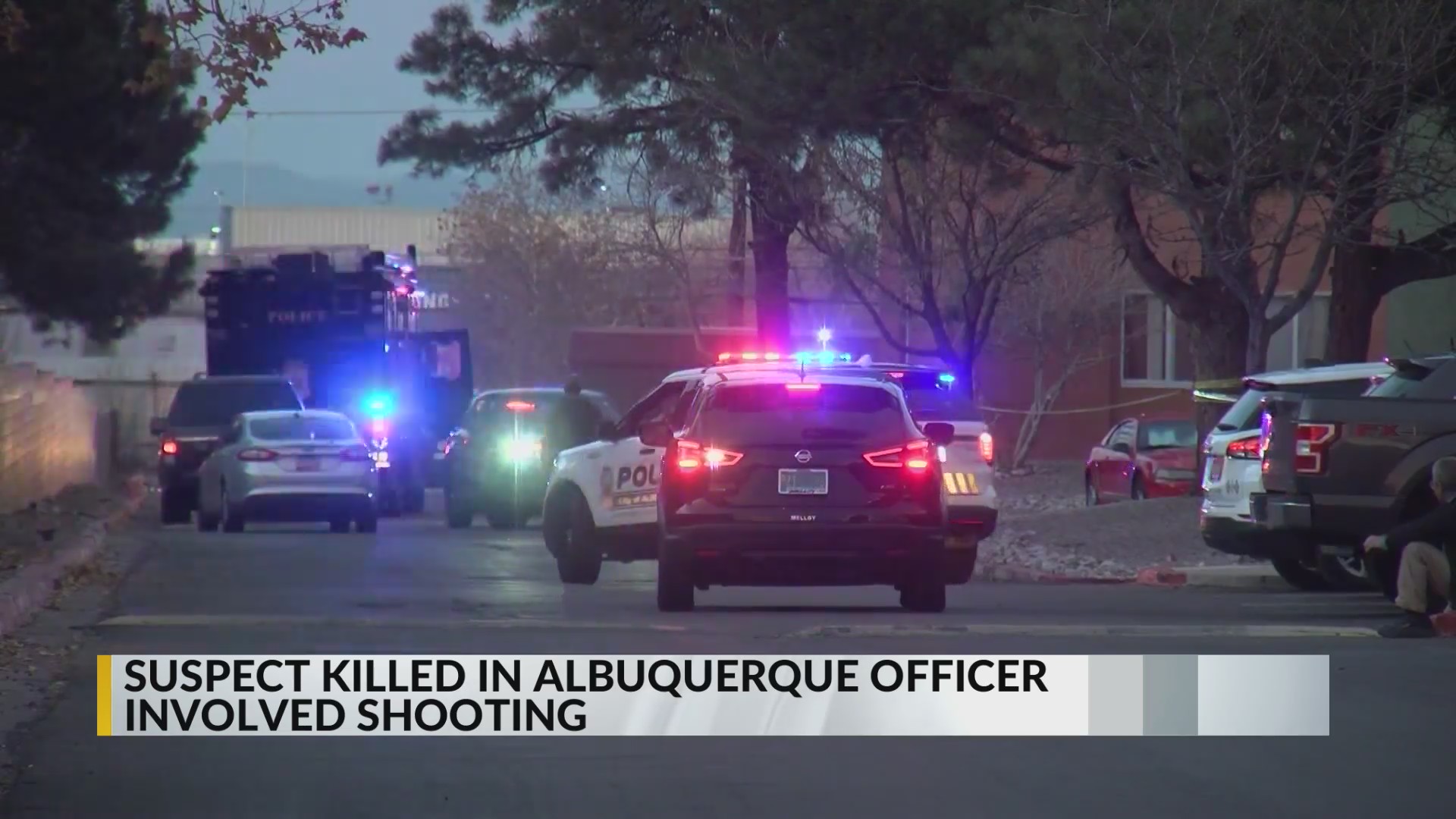
(Note: While Albuquerque television markets operate primarily through major network affiliates such as KOB Channel 4, the local news landscape requires a clear understanding of broadcast structures, digital streaming transitions, and how to access verified news coverage in New Mexico's largest metropolitan area.)
The media ecosystem serving Albuquerque, New Mexico, has undergone profound transformations, moving far beyond traditional cable boundaries into a hybrid landscape of over-the-air broadcasts, dedicated streaming applications, and real-time digital feeds. For residents seeking up-to-the-minute reporting on local governance, severe weather patterns across the Sandia Mountains, and public safety alerts, navigating this ecosystem demands clarity. Knowing where and how to access reliable local journalism ensures that communities stay informed regarding critical regional developments, emergency response updates, and investigative reporting that impacts daily life across Bernalillo County and surrounding areas.
Understanding the Albuquerque Television News Market Architecture
The Albuquerque-Santa Fe designated market area (DMA) ranks among the most geographically diverse and expansive media regions in the United States. Spanning vast desert terrains, high-altitude mountain passes, and numerous tribal lands, broadcasters face unique logistical challenges in delivering timely information. Traditional broadcast infrastructure relies heavily on mountain-top transmitter sites to relay signals across thousands of square miles.
Local newsrooms operate under strict Federal Communications Commission (FCC) guidelines while simultaneously adapting to digital-first consumption habits. Viewers in 2026 no longer rely solely on scheduled evening broadcasts. Instead, they utilize connected television (CTV) devices, mobile applications, and social media channels to consume breaking news on demand.
- Over-the-Air (OTA) Broadcasts: High-definition digital signals transmitted via local tower networks, accessible free of charge using standard digital antennas.
- Cable and Satellite Providers: Traditional subscription packages offered via major providers such as Comcast Xfinity, DirecTV, and Dish Network, which integrate local affiliate feeds directly into standard channel guides.
- Digital Streaming Platforms: Proprietary applications available on Roku, Amazon Fire TV, Apple TV, and mobile operating systems that stream live newscasts and archived investigative segments.
- Web-Based Feeds: Real-time text articles, video clips, and weather radar loops hosted on official station domains and updated continuously throughout the day.
Evaluating Local News Coverage: Pros and Cons of Traditional vs. Digital Platforms
As the media landscape evolves, consumers weigh the benefits and drawbacks of accessing news through traditional television broadcasts versus modern digital streaming portals.
| Feature / Metric | Traditional Broadcast (Linear TV) | Digital Streaming & Mobile Feeds |
|---|---|---|
| Delivery Speed | Scheduled broadcast times limit immediate breaking news updates until standard bulletin windows. | Instantaneous push notifications and live-streaming cut-ins provide immediate updates. |
| Accessibility & Cost | Free via digital antenna; requires monthly subscriptions via cable or satellite bundles. | Generally free supported by advertising, requiring internet connectivity and compatible smart devices. |
| Depth of Reporting | Structured long-form investigative pieces and comprehensive weather breakdowns during scheduled hours. | Modular articles, short video clips, and deep-dive searchable archives. |
| Interactivity | One-way communication stream with limited viewer interaction. | Two-way engagement through comment sections, social media sharing, and live chat during broadcasts. |
| Reliability During Outages | Dependent on household power and antenna stability; highly resilient during widespread cellular network failures. | Entirely dependent on local internet service provider (ISP) stability and cellular data grid functionality. |
Step-by-Step Guide to Accessing Albuquerque Local News and Emergency Broadcasts
For newcomers to New Mexico or long-term residents optimizing their news consumption methods, establishing a reliable workflow for daily updates and emergency alerts is essential. Follow this structured approach to ensure uninterrupted access to verified local journalism.
- Assess Your Hardware and Connectivity: Determine whether your household relies on an over-the-air digital antenna, a traditional cable box, or high-speed internet connections for streaming smart TV applications.
- Download Official Broadcaster Applications: Install verified news applications from major Albuquerque stations onto your mobile devices and smart TV interfaces to receive automated alerts for severe weather and breaking public safety events.
- Configure Emergency Alert Parameters: Set up customized geographic push notifications on your smartphone to receive flash flood warnings, winter storm advisories for high-elevation routes, and AMBER alerts specific to Bernalillo County and Valencia County.
- Bookmark Verified Web Portals: Save official news URLs directly to your browser bookmarks to bypass social media algorithms and access direct, unvarnished reporting on municipal council meetings, school board decisions, and local infrastructure projects.
- Verify Information Sources: Cross-reference breaking social media posts with established local newsroom desks to ensure accuracy before sharing emergency updates with family and community networks.
Technical Specifications and Signal Reach in the Duke City Market
Broadcasting in the Albuquerque and Santa Fe market requires overcoming severe topographical obstacles. The elevation changes between the Rio Grande valley and the surrounding mountain ranges create distinct signal shadows. Technical engineering teams maintain repeater stations and booster towers to ensure consistent coverage across flat plains and rugged terrain alike.
- Frequency Bands: Stations operate on designated VHF and UHF digital channels assigned by the FCC, utilizing ATSC 3.0 (NextGen TV) standards where available to deliver enhanced 4K video feeds and interactive emergency alert features.
- Weather Radar Integration: High-resolution Doppler radar systems positioned regionally allow meteorologists to track microbursts, monsoon moisture plumes, and winter storm cells moving through Isleta, Rio Rancho, and Corrales with high precision.
- Mobile Streaming Bitrates: Digital platforms dynamically adjust video encoding bitrates from 720p to 1080p60 based on available user bandwidth, ensuring smooth playback during live press conferences or severe weather coverage.
Frequently Asked Questions
How can I watch Albuquerque local news without a cable subscription?
You can access local news through free over-the-air digital antennas, official station streaming apps on Roku or Fire TV, and live-streaming options available on network websites. These digital channels provide both live broadcasts and on-demand video clips of daily news segments.
Where do I find reliable weather updates for the Albuquerque metro area?
Reliable weather updates are broadcast directly by local network meteorologists who utilize regional Doppler radar networks, high-altitude tracking tools, and real-time sensor data from across central New Mexico. Official station apps also push immediate severe weather alerts directly to mobile devices.
Are local news broadcasts available in Spanish in the Albuquerque market?
Yes, several network affiliates and independent regional outlets offer dedicated Spanish-language newscasts, digital reporting, and translated emergency broadcasts to serve the diverse linguistic demographics of New Mexico.
How do local newsrooms verify breaking news on social media?
Journalists employ rigorous verification protocols, including contacting emergency dispatch services, police public information officers, and eyewitnesses directly while cross-referencing visual media against historical mapping data before publishing.
What should I do if my digital antenna loses local channel reception?
Check your coaxial cable connections, rescan your television's digital tuner via the settings menu, and adjust the physical orientation of your indoor antenna to optimize line-of-sight signal acquisition toward the Sandia Mountain transmission towers.
Can I access archived investigative reports and past news segments?
Most local stations maintain comprehensive digital video archives on their official websites and YouTube channels, allowing users to search for past investigative reports, community spotlights, and historical regional coverage dating back several years.
Conclusion and Next Steps
Staying informed within the Albuquerque media market requires an understanding of both traditional broadcast reach and modern digital streaming frameworks. By utilizing verified mobile applications, configuring emergency alert systems, and selecting the most reliable viewing platforms for your household, you ensure continuous access to vital local reporting. To optimize your daily news routine, download your preferred local news application today, configure your severe weather notification preferences, and rely on established journalistic desks for accurate updates across New Mexico.