Note: This article focuses on the Clay County Sheriff’s Office (CCSO) inmate roster systems. Users searching for other jurisdictions should verify their specific county sheriff’s web portal to ensure they are accessing the correct facility records.
Navigating the criminal justice information ecosystem requires precision and an understanding of the technical limitations of public records access. As of 2026, the Clay County Sheriff’s Office has modernized its digital infrastructure to provide near real-time data regarding individuals currently held within their detention facilities. For families, legal counsel, and community researchers, the inmate roster serves as the primary touchpoint for verifying custody status, understanding booking charges, and initiating the process for visitation or commissary services.
Understanding the Technical Infrastructure of 2026 Inmate Databases
Modern sheriff’s office rosters are typically integrated into a centralized Jail Management System (JMS). These systems bridge the gap between arresting officers in the field and the detention facility's booking desk. When an individual is processed at the Clay County facility, their biometric and demographic data is indexed into a relational database. This ensures that the public-facing portal updates with minimal latency.
When querying the CCSO inmate roster, you are interacting with a web-based interface that queries this backend database. In 2026, security protocols have been tightened; users often encounter CAPTCHA systems or specific session timeouts to prevent automated scraping of sensitive personal identifying information (PII). Understanding these constraints is vital for a seamless user experience.
Step-by-Step Procedure for Searching Inmate Records
To locate an individual, you must have specific, verified information. Vague queries often yield zero results due to the high volume of common names within the county system. Follow this methodology to ensure accurate results:
- Identification Requirements: Gather the individual’s full legal name. Middle names or suffixes (Jr., Sr., III) are critical for filtering results in databases containing multiple individuals with identical primary names.
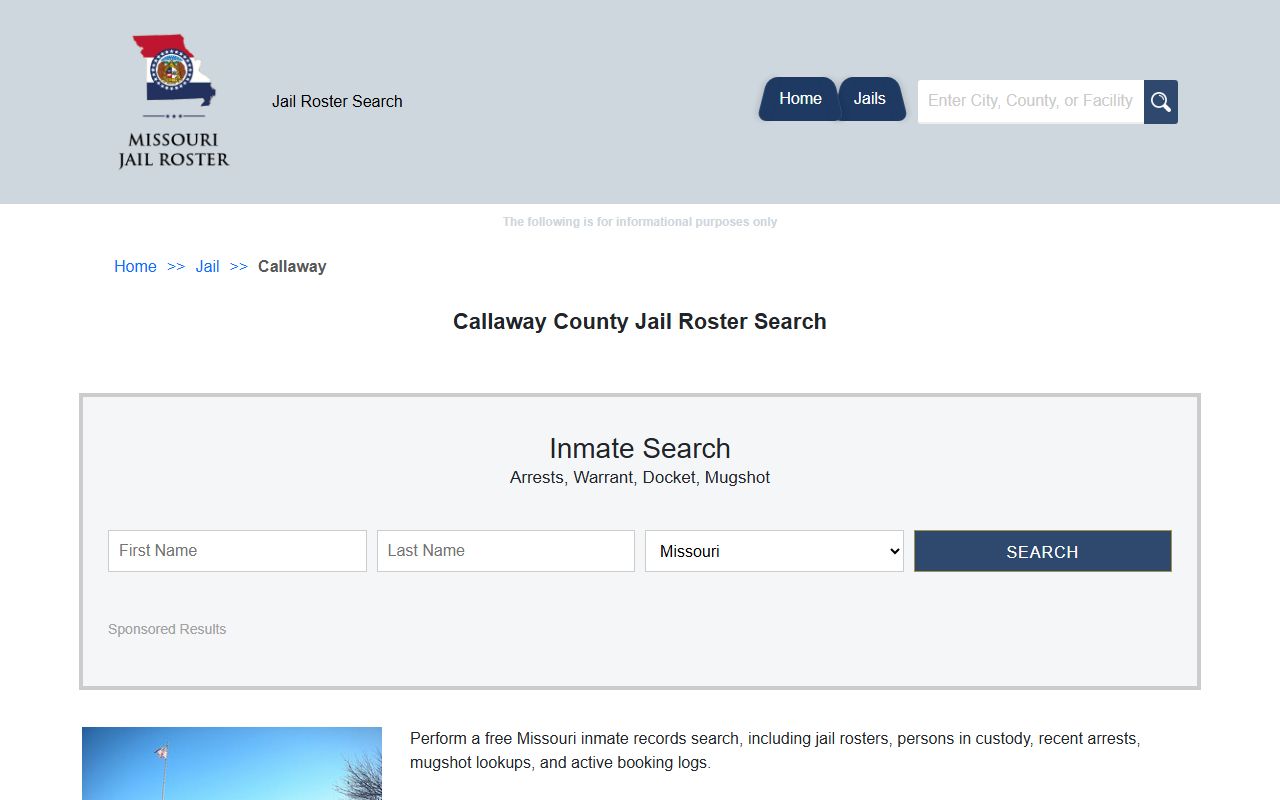
- Accessing the Portal: Navigate directly to the official Clay County Sheriff’s Office website. Avoid third-party aggregators that promise inmate information, as these are often outdated and may charge unnecessary fees for public information.
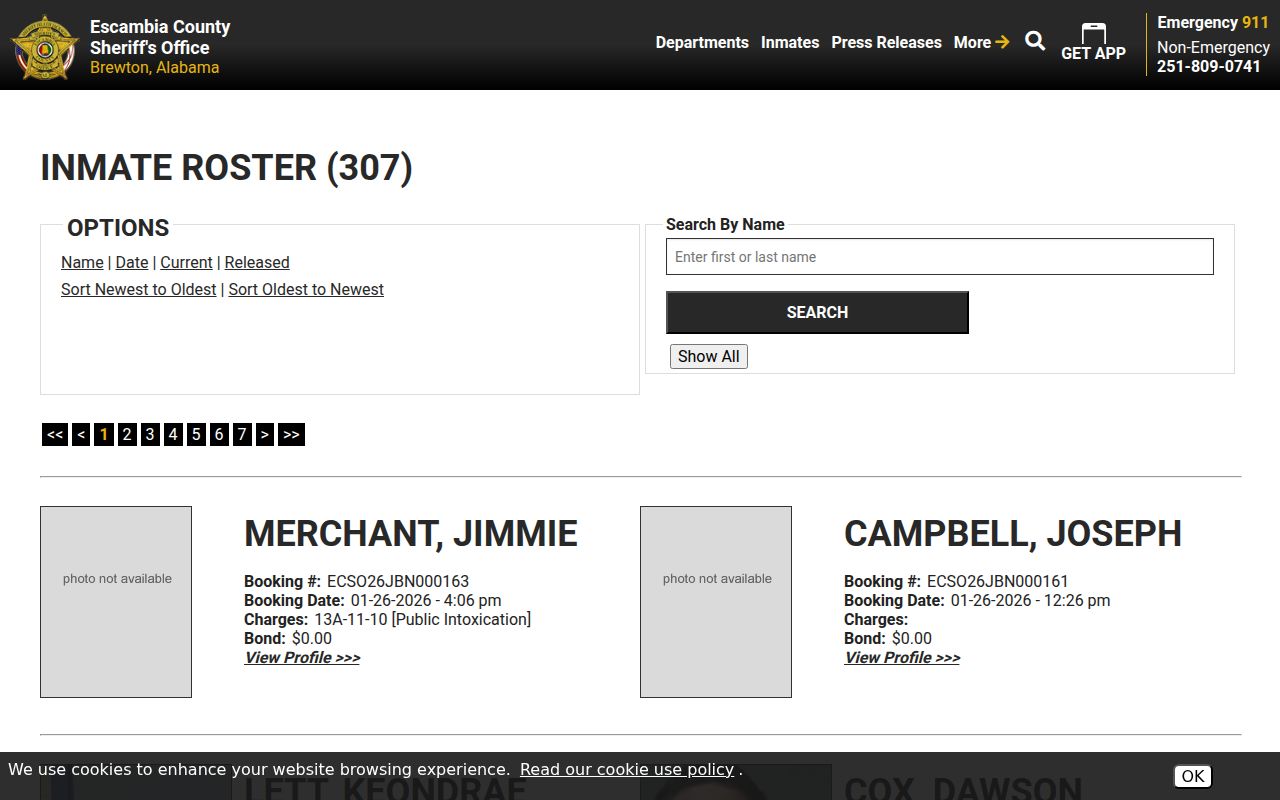
- Query Execution: Input the surname first, followed by the given name. If the system supports partial name matching, use it cautiously to avoid an overwhelming list of results.
- Reviewing Booking Details: Once the profile is located, analyze the booking number. This unique identifier is mandatory for all future communications, including the delivery of funds or scheduling of video visitations.
Essential Data Points Provided by the Roster
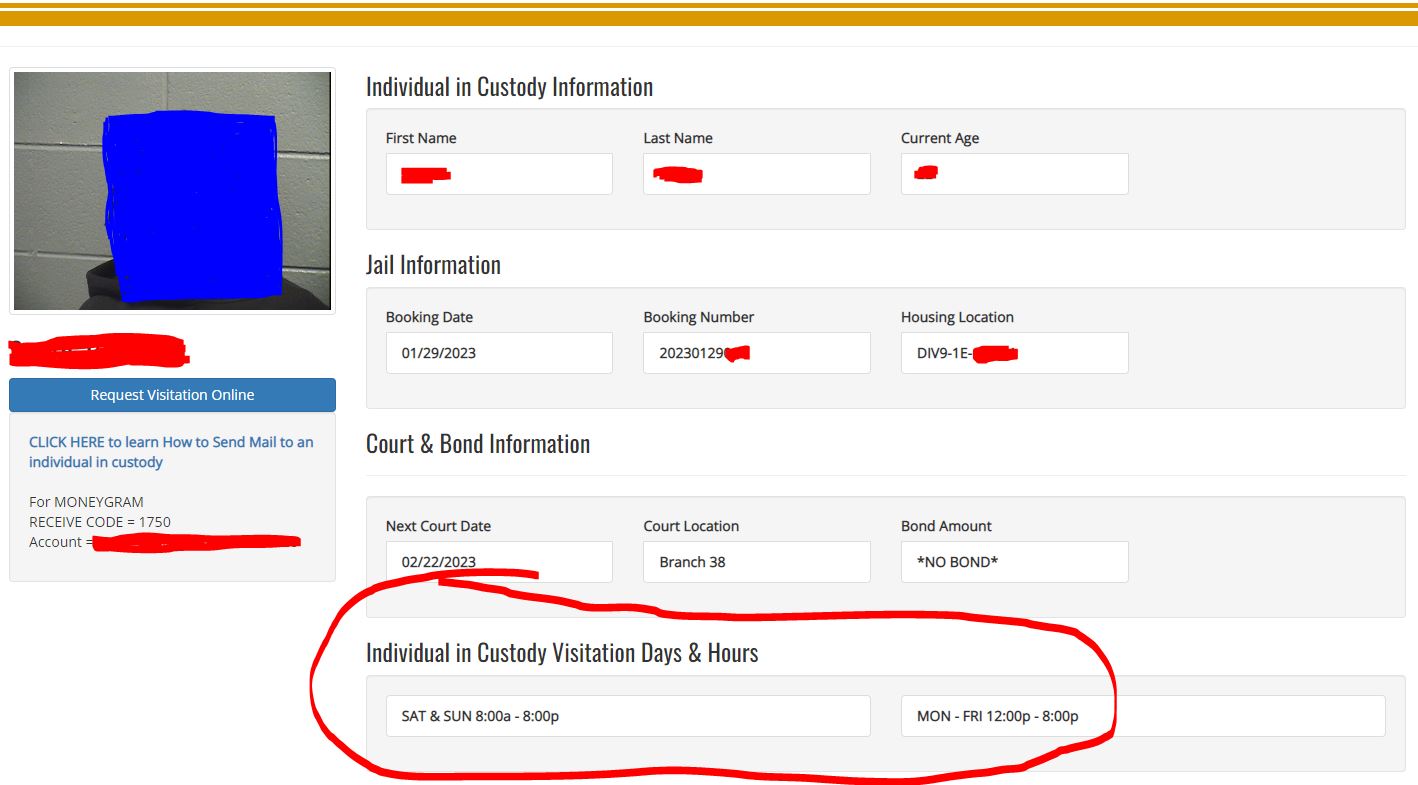
The roster is designed to balance public transparency with operational security. You can typically expect to find the following data points for each incarcerated person:
- Booking Photograph (Mugshot): A visual record taken at the time of intake.
- Current Charges: Legal classifications of the offenses for which the individual is being held.
- Bond Information: The specific dollar amount required for pre-trial release, if applicable.
- Court Dates: Scheduled appearances for arraignment, hearings, or trial phases.
- Housing Location: The specific facility or block, which is essential for routing mail or planning visitations.
Comparison of Official vs. Third-Party Information Access
There is a significant distinction between using the official government portal and relying on secondary information providers. The table below outlines the operational realities of these sources as of 2026.
| Feature | Official Sheriff's Portal | Third-Party Aggregator |
|---|---|---|
| Data Accuracy | High (Real-time updates) | Low (Periodic snapshots) |
| Cost | Free | Varies (Often predatory) |
| Privacy Security | High (Encryption enforced) | Low (Aggressive data tracking) |
| Legal Status | Verified Public Record | Unofficial/Estimated |
| Support Access | Official facility staff | None |
Navigating Limitations and Common Search Failures
Users frequently encounter issues when attempting to retrieve records. If you are unable to find an individual, consider the following technical and administrative factors that often explain "missing" records:
- Delayed Processing: If the arrest occurred within the last 2 to 4 hours, the individual may still be in the intake process (fingerprinting, health assessment, medical clearance) and has not yet been assigned a permanent record number in the JMS.
- Jurisdiction Confusion: An individual might have been arrested by a municipal police department but transferred to a different facility or a state-run institution. If the arrest happened in a neighboring county, the CCSO roster will not contain that record.
- Records Sealing: In specific cases involving juvenile records or sensitive legal proceedings, the information may be shielded from public view by court order.
- Technical Maintenance: Agencies perform periodic server maintenance. If the roster page is unresponsive, return after 60 minutes.
Financial and Visitation Protocols for 2026
Once an individual is located on the roster, stakeholders often need to transition from information seeking to actionable support. The Sheriff’s Office maintains strict guidelines for financial assistance and contact.
Operational Guidelines for Inmate Support
Financial Deposits Authorized electronic platforms are the only approved method for adding funds to an inmate’s commissary account. Ensure you have the official booking number obtained from the roster to prevent funds from being misapplied to the wrong account.
Visitation Scheduling As of 2026, most facilities have moved to a predominantly video-visitation model. You must verify the specific facility visitation window. Do not arrive at the physical location without a confirmed appointment slot, as walk-in visitations are generally prohibited for security reasons.
Frequently Asked Questions
Why is the inmate I am searching for not appearing on the roster? If the individual was recently booked, the entry may still be pending, or they may have been released on bond or transferred to another jurisdiction. Please wait several hours or contact the facility records department directly if you believe the person is being held but does not appear online.
Can I pay bail through the inmate roster website? While some portals offer links to secure payment gateways, you should never enter payment information on any site that is not directly hosted on the official sheriff’s office domain. Always verify the URL leads to a secure government (.gov) site before conducting financial transactions.
How often is the roster data refreshed? The database is generally updated on a continuous or near-real-time basis. However, administrative delays in data entry can occur during high-volume periods or facility lockdowns.
Is the information on the roster considered legal proof of a crime? No. The roster reflects current custody status and pending charges. It is not a final court record and does not signify a conviction. Official legal documentation must be obtained through the Clerk of Court.
What do I do if I find an error in the inmate’s personal information? Public record corrections must be handled formally through the Sheriff’s Office records division. You may need to provide legal documentation, such as a birth certificate or court order, to rectify discrepancies in name spelling or birth dates.
Professional Assistance and Advocacy
If you are a family member attempting to navigate the complexities of the 2026 criminal justice system, prioritize communication with the individual's legal counsel. The inmate roster is merely a data tool; it does not replace the necessity for professional legal advice regarding bail reductions, plea negotiations, or rights to communication. Ensure that any information retrieved from the web portal is used only for lawful purposes, as misuse of criminal justice data can carry significant legal consequences under state privacy statutes.