Carla Nash remains a central figure in discussions regarding exotic animal ownership, catastrophic facial trauma, and the boundaries of personal injury law. Known worldwide as the survivor of a horrific 2009 chimpanzee attack in Stamford, Connecticut, her journey through pioneering full-face transplantation, intense physical rehabilitation, and legal battles has shaped public policy and medical science for over a decade. As medical technologies and legal frameworks continue to evolve through 2026, examining the case of Carla Nash offers vital insights into reconstructive surgery, animal safety regulations, and the long-term realities of severe trauma survivorship.
The 2009 Stamford Chimpanzee Incident: Timeline and Immediate Aftermath
On February 16, 2009, Carla Nash went to the home of her friend and employer, Sandra Herold, in Stamford, Connecticut. Nash intended to help lure Herold's 200-year-old—correction, 200-pound—pet chimpanzee named Travis back into the house. Travis, a 14-year-old male primate who had previously appeared in television commercials and local media, suddenly turned aggressive upon seeing Nash holding a familiar stuffed toy he disliked.
The attack was swift and catastrophic. Travis mauled Nash, stripping her of her hands, nose, lips, eyelids, and mid-face structure, while blinding her entirely. Sandra Herold attempted to stab the animal with a butcher knife and ultimately called 911. Responding police officers shot and killed Travis when he attempted to attack a cruiser. Nash was rushed to Stamford Hospital before being transferred to a specialized trauma center, where she survived multiple emergency surgeries to stabilize her life-threatening injuries and massive blood loss.
- Immediate Injuries Sustained: Complete degloving of the facial skin, loss of both eyes, amputation of both hands at the wrists, and severe fractures to the facial skeleton.
- Emergency Medical Interventions: Multiple multi-hour stabilization surgeries, intensive care unit (ICU) management to prevent infection, and initial wound debridement.
- Initial Psychological Impact: Severe post-traumatic stress disorder management, cognitive adjustments to total blindness, and adaptation to profound physical limitations.
Pioneering Reconstructive Surgery and Medical Milestones
Following the initial stabilization, Carla Nash began a multi-year medical journey at Brigham and Women's Hospital in Boston, Massachusetts. Under the direction of a multidisciplinary team of plastic surgeons, immunologists, and microsurgeons, Nash underwent groundbreaking procedures designed to restore both human form and fundamental biological functions.
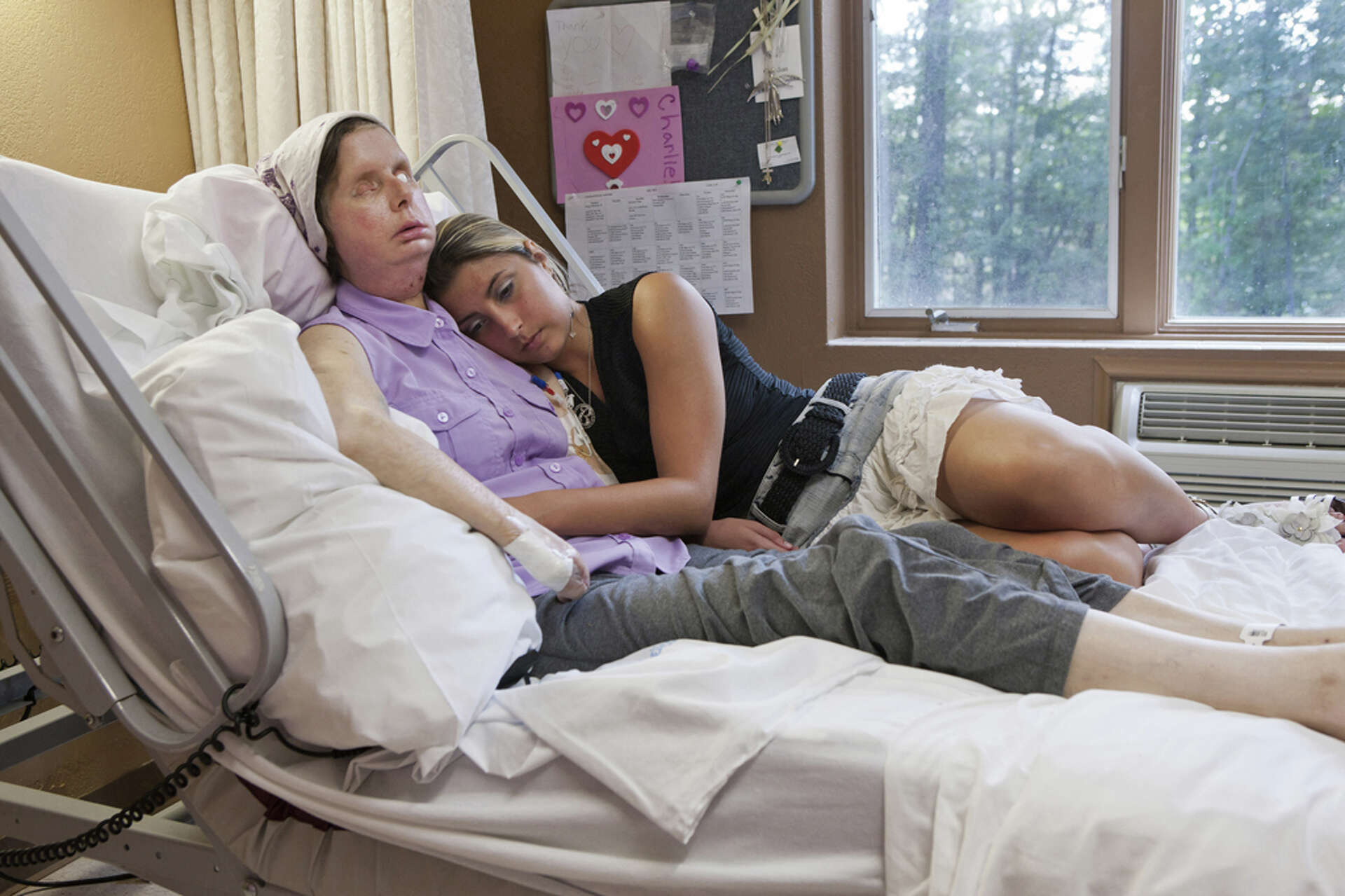
In March 2011, Nash received a full face transplant—comprising the nose, lips, skin, facial muscles, and nerves—alongside a simultaneous double hand transplant. While the facial tissue successfully integrated, the hand transplants ultimately failed due to severe systemic infections and complications that required the surgical removal of the donor hands weeks later. Despite this setback, the facial transplantation proved to be a milestone in reconstructive medicine, offering a blueprint for future civilian and military trauma patients.
| Medical Procedure | Year Performed | Primary Objective | Long-Term Clinical Outcome |
|---|---|---|---|
| Initial Life-Saving Debridement | 2009 | Remove necrotic tissue, close wounds, and prevent systemic sepsis. | Successful stabilization; patient survived critical initial window. |
| Full Face Transplantation | 2011 | Restore mid-face structure, nasal passages, lip function, and aesthetic symmetry. | Successful tissue integration; restored ability to breathe through nose and consume soft foods. |
| Double Hand Transplantation | 2011 | Restore grasping ability, tactile sensation, and functional independence. | Failed due to postoperative infection and rejection markers; hands were surgically removed. |
| Secondary Revision Surgeries | 2012–2020 | Refine facial contours, manage scar tissue contractures, and improve ocular socket cosmetics. | Incremental improvements in structural comfort and facial mobility. |
Legal Battles, Legislative Shifts, and State Regulations
The aftermath of the attack extended far beyond the operating room, triggering complex civil litigation and legislative reform. Carla Nash's family filed a lawsuit against the estate of Sandra Herold, who passed away in 2010. The legal action centered on negligence regarding the keeping of a dangerous, wild animal in a residential neighborhood.
In November 2012, Nash reached a settlement of $4 million with the Herold estate. However, because much of Herold's assets had been depleted, Nash received only a fraction of the settlement amount, leaving her dependent on state assistance and private donations for her long-term care facility residency.
Legislative Impact on Exotic Animal Ownership
The Stamford attack served as a primary catalyst for federal and state legislative action regarding exotic pets. Lawmakers used the incident to push for stricter controls on primates and dangerous carnivores. In 2022, the United States Congress passed the Captive Primate Safety Act, which significantly restricted the private possession of chimpanzees, baboons, and other non-human primates across state lines. State-level bans were similarly tightened in Connecticut and surrounding jurisdictions to prevent private citizens from housing high-risk wild animals in densely populated residential areas.
Long-Term Recovery, Rehabilitation, and Quality of Life
Living with the consequences of the 2009 attack required Carla Nash to adapt to an entirely new paradigm of existence. Blinded and lacking hands, she transitioned into a specialized extended-care facility in Massachusetts, where she learned to navigate her environment through heightened auditory and tactile senses.
Rehabilitation experts worked with Nash to develop adaptive communication strategies, daily living independence tools, and psychological coping mechanisms. Her resilience became a focal point in medical ethics and trauma survivorship discussions. Medical professionals frequently cite her case when training surgical residents on the psychological readiness required for complex vascularized composite allotransplantation (VCA) procedures.
- Sensory Adaptation: Utilizing advanced screen-reading technologies, tactile mapping, and verbal cues to navigate daily life despite total permanent blindness.
- Nutritional Management: Transitioning from post-surgical feeding tubes back to unassisted or minimally assisted consumption of blended and soft foods enabled by the reconstructed lip and jaw structures.
- Immunosuppressive Regimen: Maintaining a strict, lifelong pharmaceutical schedule to prevent rejection of the transplanted facial tissues, requiring continuous monitoring of kidney function and infection vulnerability.
Comparative Analysis: 2009 Protocols vs. Modern 2026 Standards
The field of reconstructive transplantation has advanced significantly since Carla Nash underwent her historic surgery in 2011. Understanding these shifts highlights how modern protocols minimize rejection risks and improve patient outcomes.
| Parameter | 2009–2011 Medical Standard | Modern 2026 Medical Standard |
|---|---|---|
| Immunosuppression | Broad-spectrum, high-dose regimens leading to high infection risks. | Targeted biological agents and personalized cellular monitoring to reduce toxicity. |
| VCA Success Rates | Moderate; high incidence of chronic rejection and tissue loss. | Improved vascular anastomoses protocols yielding higher long-term graft survival. |
| Psychological Screening | Basic psychiatric evaluations focusing on immediate trauma coping. | Comprehensive, multi-year behavioral tracking and cognitive resilience mapping. |
| Regulatory Oversight | Fragmented state-by-state rules on animal possession. | Uniform federal enforcement via updated Captive Wildlife Safety frameworks. |
Frequently Asked Questions
What caused the chimpanzee attack on Carla Nash in 2009?
The attack was triggered when Travis the chimpanzee became agitated by a familiar stuffed toy held by Nash, leading the 200-pound animal to launch a sudden and severe assault. Travis had lived with owner Sandra Herold since infancy but possessed a history of unpredictable territorial behavior.
Did Carla Nash's face transplant and hand transplants succeed?
The full-face transplant was successful, restoring her facial structure, breathing capabilities, and basic oral functions. However, the simultaneous double hand transplant failed due to severe postoperative infection complications, requiring the removal of the donor hands.
What legal compensation did Carla Nash receive?
Nash settled a lawsuit against the estate of Sandra Herold for $4 million in 2012, though actual recovery was limited due to the depletion of the estate's assets, leading her to rely on public aid and private charitable support for long-term care.
How did the Carla Nash case change animal laws in the United States?
The incident heavily influenced public policy, directly contributing to stricter state-level bans on exotic pets and laying the groundwork for federal legislation like the Captive Primate Safety Act restricting private primate ownership.
Where does Carla Nash live now, and how is she managing her health?
Nash resides in a specialized long-term care facility in Massachusetts, where she receives continuous medical oversight, immunosuppressive therapy management, and specialized assistance for her total blindness and physical needs.
Navigating Trauma Support and Reconstructive Care Resources
For patients, families, and medical researchers seeking further guidance on catastrophic injury support, reconstructive surgery protocols, or legal advocacy regarding dangerous animal regulations, consulting specialized medical centers and legal aid organizations is essential. Families dealing with sudden trauma can reach out to accredited rehabilitation networks and patient advocacy groups such as the American Burn Association or specialized facial trauma foundations to access structured clinical resources and financial assistance guides.