A cappella refers to the performance of music specifically for voices, without any instrumental accompaniment. Derived from the Italian phrase meaning "in the style of the chapel," this art form relies entirely on the human voice to provide melody, harmony, rhythm, and texture, ranging from traditional choral works to modern vocal percussion.
The landscape of a cappella has undergone a radical transformation over the centuries, evolving from strictly religious origins into a global phenomenon that permeates pop culture, education, and professional entertainment. In 2026, the genre is more accessible than ever, thanks to sophisticated digital distribution and a renewed appreciation for the raw capability of the human instrument. Understanding a cappella requires a deep look into its historical foundations, the technical nuances of vocal arrangement, and the modern innovations that define the contemporary vocal band.
The Historical Foundations of Unaccompanied Singing
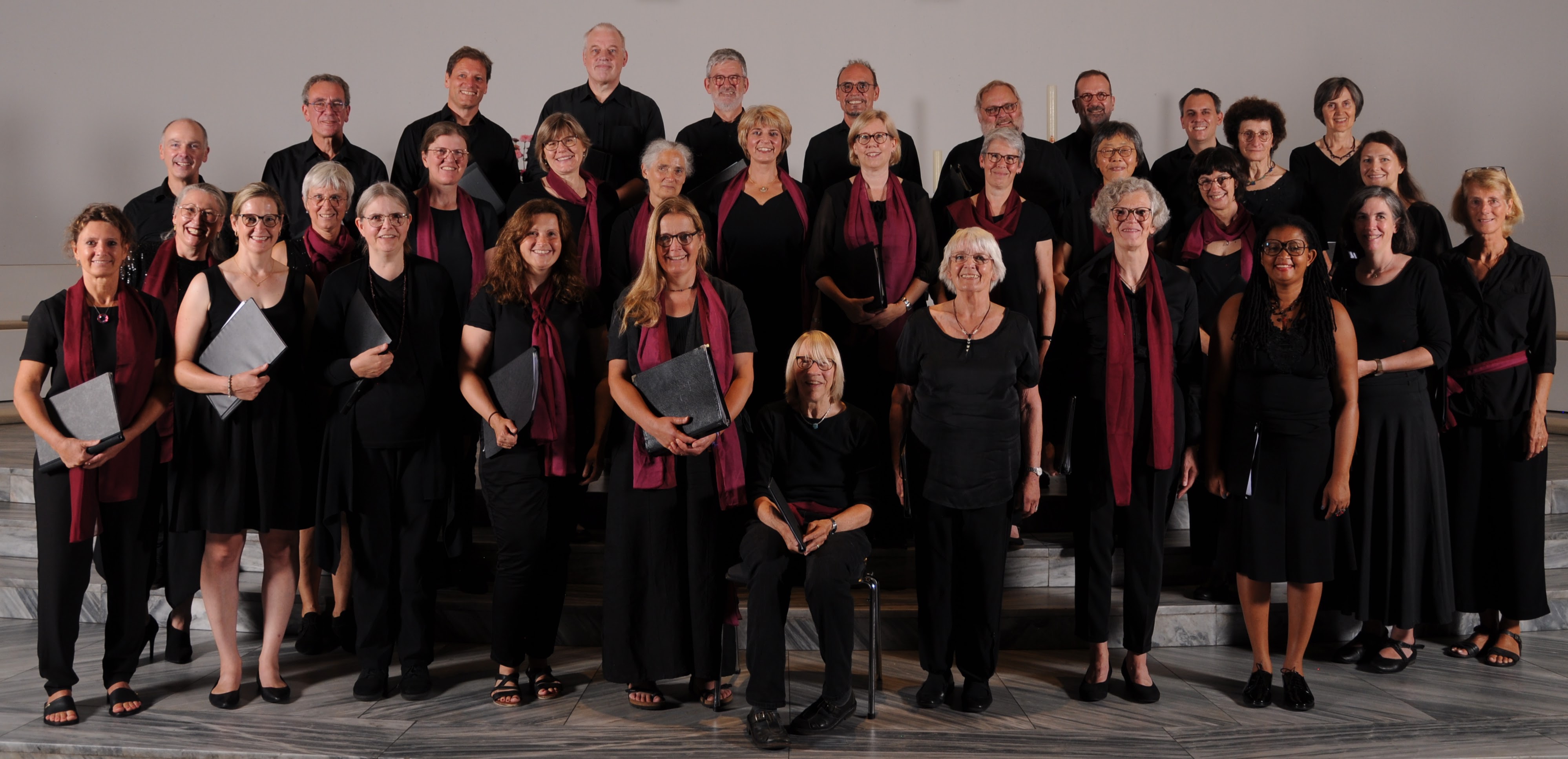
The roots of a cappella are anchored in the early Christian church. For centuries, instrumental music was often excluded from religious services, leading to the development of complex vocal traditions. Gregorian chant, a monophonic style used in the Roman Catholic Church, represents one of the earliest structured forms of a cappella. As music theory progressed into the Renaissance, monophony gave way to polyphony—multiple independent melody lines occurring simultaneously. Composers like Palestrina and Josquin des Prez perfected this style, creating "stile antico" works that remain the gold standard for choral purity.
In the secular world, the madrigal emerged during the 16th century as a sophisticated form of unaccompanied social music. These pieces often focused on expressive word-painting, where the music would mimic the literal meaning of the lyrics (e.g., a descending scale for the word "fall"). This tradition of secular vocal harmony laid the groundwork for the various folk and ensemble styles that followed.
By the 19th and early 20th centuries, a cappella diverged into distinct cultural niches. In the United States, Barbershop music developed as a unique four-part harmony style characterized by "ringing" chords and a specific dominant seventh structure. Simultaneously, the African American tradition fostered the development of gospel and later "doo-wop," which introduced rhythmic bass lines and nonsense-syllable backing vocals that would eventually bridge the gap into contemporary pop a cappella.
Technical Vocal Roles and Ensemble Structures
A successful a cappella performance depends on the meticulous balancing of vocal ranges and the clear assignment of musical roles. While a traditional choir is often divided into four main sections—Soprano, Alto, Tenor, and Bass (SATB)—contemporary a cappella often utilizes more specialized roles to replicate the sound of a full band.
The Lead and Background Harmonies
The "Lead" carries the primary melody and is responsible for the emotional delivery and lyrical clarity of the piece. Surrounding the lead are the background vocalists, who provide the harmonic "pad." In modern arrangements, these singers do not just sing chords; they often mimic the textures of guitars, synthesizers, or brass sections using specific vowel shapes and articulations. For example, a "closed" vowel like "ooh" creates a soft, synth-like background, while an "open" vowel like "ah" provides more power and resonance.
The Bass: The Foundation of the Sound
In the absence of a bass guitar or double bass, the vocal bass is the most critical element for providing tonal depth and rhythmic stability. The bass singer typically focuses on the root notes of the chords, often singing an octave lower than the tenors. In 2026, many professional vocal basses use specialized microphone techniques and subtle sub-harmonic processing to ensure the low-end frequencies rival the power of electronic instruments.
Vocal Percussion and Beatboxing
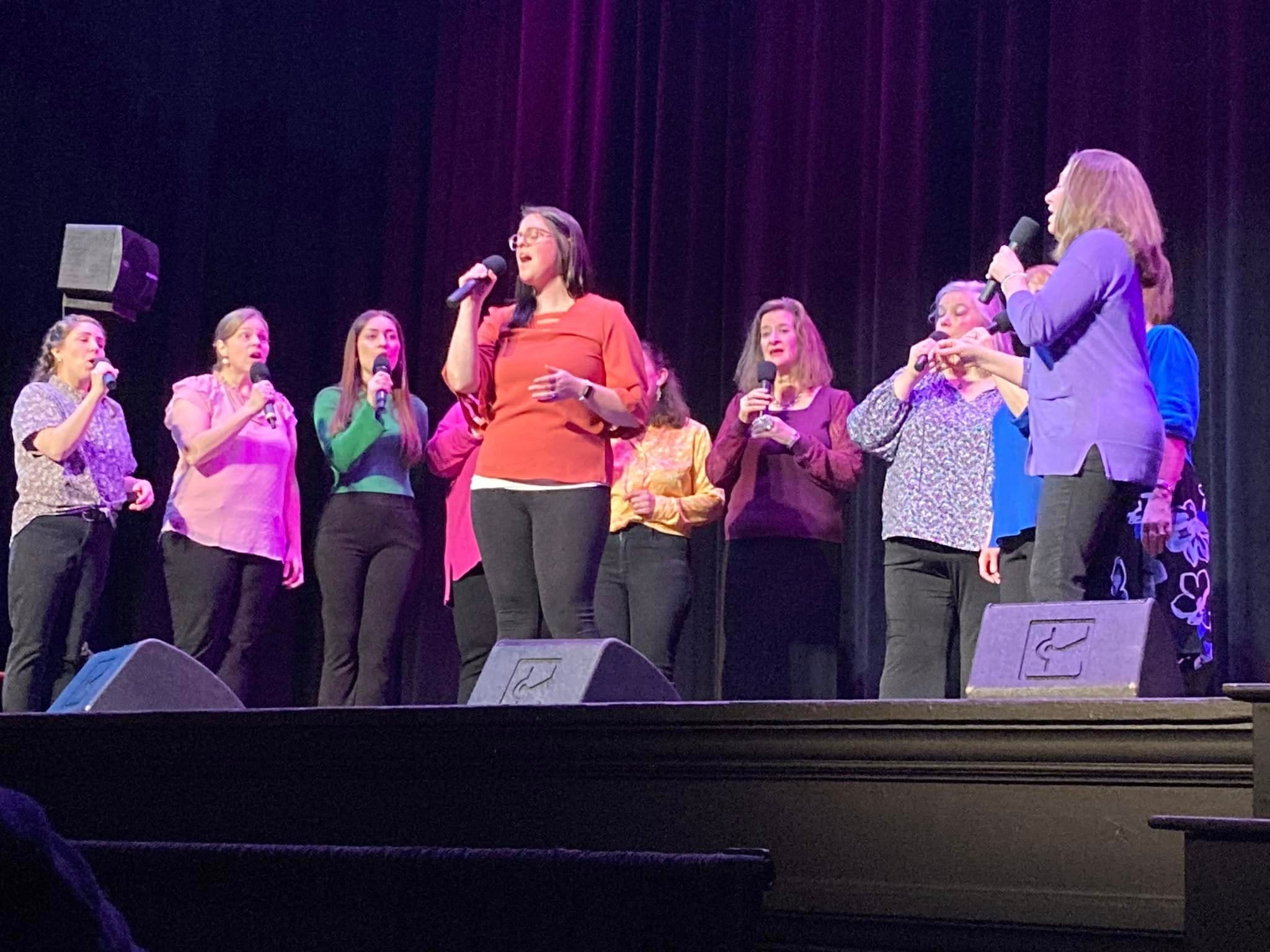
One of the most defining features of modern a cappella is vocal percussion (VP). Unlike hip-hop beatboxing, which often focuses on complex, fast-paced rhythms and melodic imitation, VP in an a cappella context is designed to sound like a standard drum kit. The "VP" provides the kick, snare, and hi-hat sounds that drive the tempo and energy of the arrangement. This role requires exceptional breath control and the ability to maintain a consistent "pocket" or groove for the duration of a song.
Technical Mastery: Blending, Tuning, and Intonation
In an ensemble without instruments, there is no external pitch reference once the first note is blown. This makes intonation and "blending" the two most difficult technical hurdles for any group.
Vocal Blending is the process of matching the timbre, volume, and vibrato of multiple singers so they sound like a single, unified entity. This is achieved through "vowel matching," where every singer in a section uses the exact same mouth shape. If one singer uses a bright, forward "ee" while another uses a darker, more covered "ee," the chord will sound out of tune even if the frequencies are technically correct.
Intonation in a cappella often moves away from "Equal Temperament" (the tuning system used by pianos) toward "Just Intonation." Just Intonation involves tuning intervals based on whole-number ratios, which allows the natural harmonics of the voices to align perfectly. When a chord is perfectly tuned in Just Intonation, it creates "difference tones"—audible frequencies that are not being sung but are generated by the physical interaction of the sound waves. This is what creates the "ring" or "lock" characteristic of high-level a cappella.
Arranging for the Human Voice
Creating an a cappella arrangement is a complex task that involves transcribing instrumental parts into singable lines. An arranger must consider the "tessitura" (the comfortable range) of each singer and ensure that no part is too stagnant or too taxing.
- Syllable Choice: Arrangers use specific syllables to dictate the attack and decay of a note. "Doo" or "Dum" provides a soft attack for sustained notes, while "Zit" or "Dat" provides a percussive, horn-like punch.
- Voice Leading: To make a part singable, the intervals between notes should be logical. Large leaps are difficult to tune, so skilled arrangers prioritize "smooth voice leading," where each part moves the shortest distance possible to the next chord.
- Dynamic Mapping: Since voices have a natural limit to their volume compared to amplified instruments, arrangements must use texture to create dynamics. Adding more voices to a section or increasing the complexity of the rhythm can make a section feel "louder" without the singers having to strain.
Comparison of A Cappella Styles and Requirements
Different styles of a cappella require different technical focuses and ensemble sizes. The following table compares the primary formats active in 2026.
| Style | Typical Ensemble Size | Key Technical Focus | Common Use of VP |
|---|---|---|---|
| Barbershop | 4 (Quartet) or 12+ (Chorus) | Perfect 7th chords; expanded resonance. | None (Strictly forbidden in competition). |
| Classical/Choral | 8 to 100+ | Pure vowels; dynamic range; blend. | Rare; used only in modern commissions. |
| Collegiate | 12 to 18 | High-energy performance; complex layers. | Heavy; foundational to the "wall of sound." |
| Professional Vocal Band | 4 to 6 | Microphone technique; individual virtuosity. | Essential; often the "heartbeat" of the group. |
| Jazz A Cappella | 4 to 12 | Complex extensions (9ths, 13ths); swing feel. | Moderate; often subtle or "brushed" snare. |
Contemporary Trends and Technology in 2026
The year 2026 has seen a stabilization of technologies that were once experimental. The most significant shift has been in Live Vocal Processing. Professional groups now routinely use low-latency digital signal processing (DSP) to apply EQ, compression, and reverb to individual voices in real-time. This allows a vocal band to achieve a "studio" sound during a live concert.
Furthermore, AI-assisted rehearsal tools have become standard. These platforms allow singers to upload a score and receive an AI-generated track of their specific part, perfectly tuned and timed, to practice against. This has significantly reduced the time required for groups to learn complex repertoires, leading to higher productivity and more adventurous arrangements.
The "Virtual Choir" phenomenon, which gained traction in the early 2020s, has evolved into high-fidelity, synchronous remote performance. With the 2026 standard of low-latency internet protocols, singers from different continents can now rehearse and perform together in real-time, further globalizing the a cappella community.
Common Obstacles in A Cappella Performance
Performance without instruments leaves the ensemble "exposed," meaning every error is magnified.
- Pitch Sag: The most common issue is the gradual dropping of the key over the course of a song. This is usually caused by lack of breath support, poor posture, or "scooping" into notes from below.
- Tempo Drag: Without a drummer, a cappella groups often slow down during difficult passages or emotional crescendos. The vocal percussionist must act as a human metronome to prevent this.
- Microphone Technique: In amplified a cappella, the microphone is an extension of the instrument. "Pops" (plosives) and inconsistent distances from the mic can ruin the blend. Singers must be trained in "mic choreography," moving the microphone closer for low notes and further away for high-volume belts.
Frequently Asked Questions
Is a cappella harder than singing with a band?
A cappella is generally considered more difficult because it requires absolute pitch accuracy and a high level of rhythmic independence. There is no external reference for tempo or key, meaning the group is entirely responsible for the musical infrastructure. If one person goes flat, they can pull the entire ensemble down with them.
What is the difference between beatboxing and vocal percussion?
While the terms are often used interchangeably, beatboxing is a broader hip-hop art form that involves creating complex beats, bass lines, and sound effects simultaneously as a solo performance. Vocal percussion is a specialized discipline within a cappella focused on mimicking the specific sounds and steady timing of a drum set to support an ensemble.
How do a cappella groups stay in the same key?
Groups usually start a song by using a pitch pipe or a tuning fork to get the starting note. During the song, they rely on "relative pitch"—the ability to hear the intervals between notes. If the group has strong internal chemistry and technical training, they use the bass and the lead as anchors to maintain the original key.
Can anyone join an a cappella group?
Most groups require an audition to verify vocal range, pitch accuracy, and blending ability. While soloistic talent is valued, the ability to listen and adjust to the singers around you is often more important in an a cappella setting. In 2026, many community and "drop-in" choirs exist for those who want to experience the genre without the pressure of professional competition.
Do professional a cappella groups use Auto-Tune?
In the studio, almost all modern a cappella recordings utilize some form of pitch correction to achieve the "hyper-real" sound listeners expect. In live settings, some high-end professional groups use real-time pitch correction to polish the performance, though many pride themselves on "raw" vocal ability, using only EQ and reverb.
Strategic Path Forward for Aspiring Vocalists
For those looking to enter the world of a cappella or improve their current ensemble's performance, the first step is to focus on ear training. Being able to identify intervals and chords by ear is the single most important skill for an unaccompanied singer.
Following this, ensembles should prioritize rehearsal efficiency. This means using digital rehearsal tracks to learn notes outside of practice, allowing group time to be spent on nuances like dynamics, blending, and stage presence. Finally, investing in quality microphones and learning basic sound engineering will elevate a group from an amateur hobbyist level to a professional-sounding vocal band. In 2026, the demand for high-quality vocal content continues to grow, offering significant opportunities for those who can master the delicate balance of human artistry and technical precision.