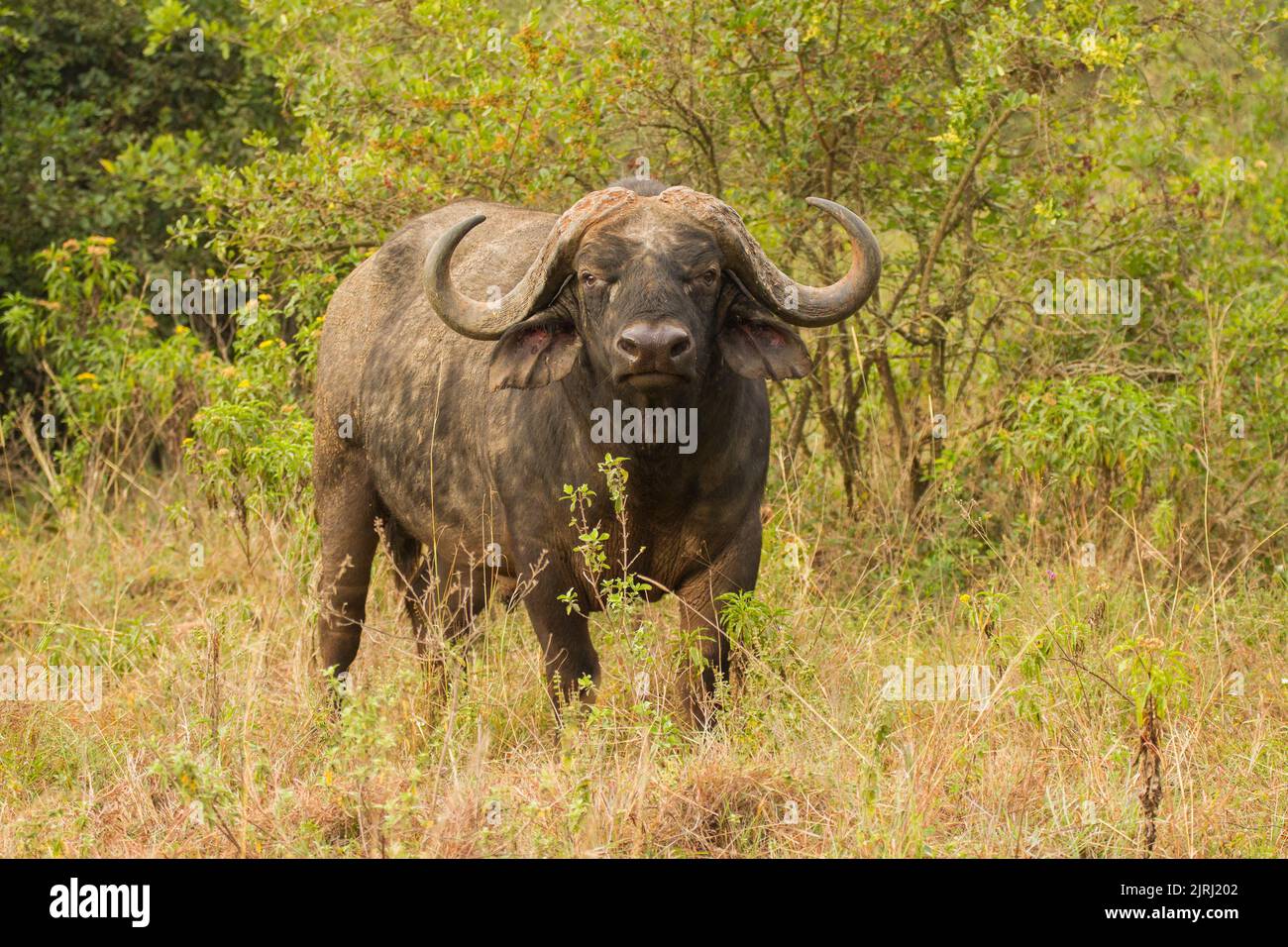
The Cape buffalo is a massive, highly social bovid native to sub-Saharan Africa, recognized for its unpredictable temperament, formidable horns, and critical role in grassland ecosystems. As one of the continent's most formidable large mammals, it stands as a cornerstone species of the African savannah, combining complex herd dynamics with a reputation as one of the most dangerous animals to encounter in the wild.
Taxonomy, Subspecies, and Physical Characteristics
The Cape buffalo (Syncerus caffer caffer), often referred to as the southern savannah buffalo, is the largest and most well-known subspecies of the African buffalo. Taxonomically, it belongs to the family Bovidae and the subfamily Bovinae, placing it in the same broader lineage as domestic cattle and yaks, though it has never been successfully domesticated. Alongside the Cape buffalo, recognized subspecies include the forest buffalo (Syncerus caffer nanus), the West African savannah buffalo (Syncerus caffer brachyceros), and the Central African savannah buffalo (Syncerus caffer aequinoctialis). These variants differ primarily in body size, horn morphology, and hide coloration, with the forest buffalo being significantly smaller and reddish-brown, while the Cape buffalo is massive and slate-grey to black.
Adult Cape buffaloes exhibit pronounced sexual dimorphism, with males generally larger and heavier than females. A mature bull can stand up to 1.7 meters at the shoulder and weigh anywhere from 500 to 900 kilograms, while exceptionally large males can surpass a metric ton. Their bodies are heavily built, featuring deep chests, short legs, and robust musculature designed for pushing through dense brush and defending against apex predators.
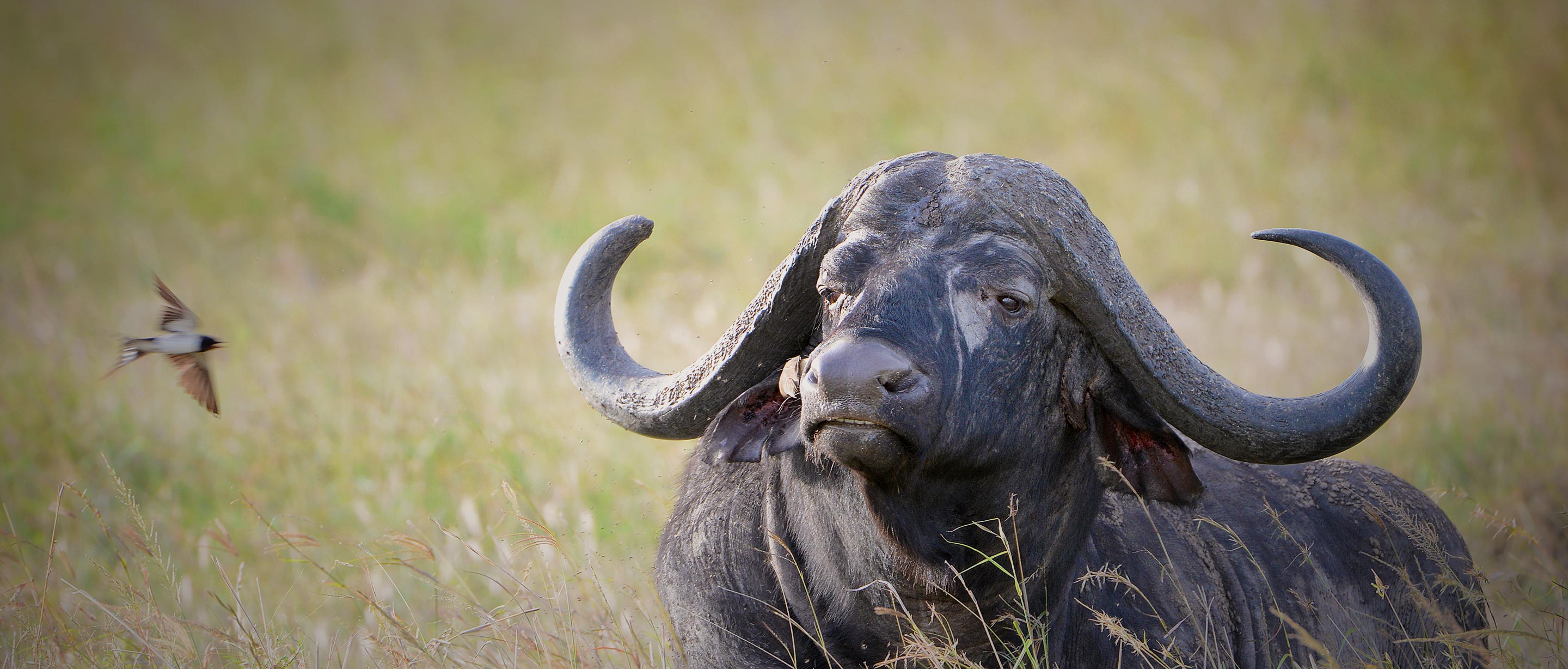
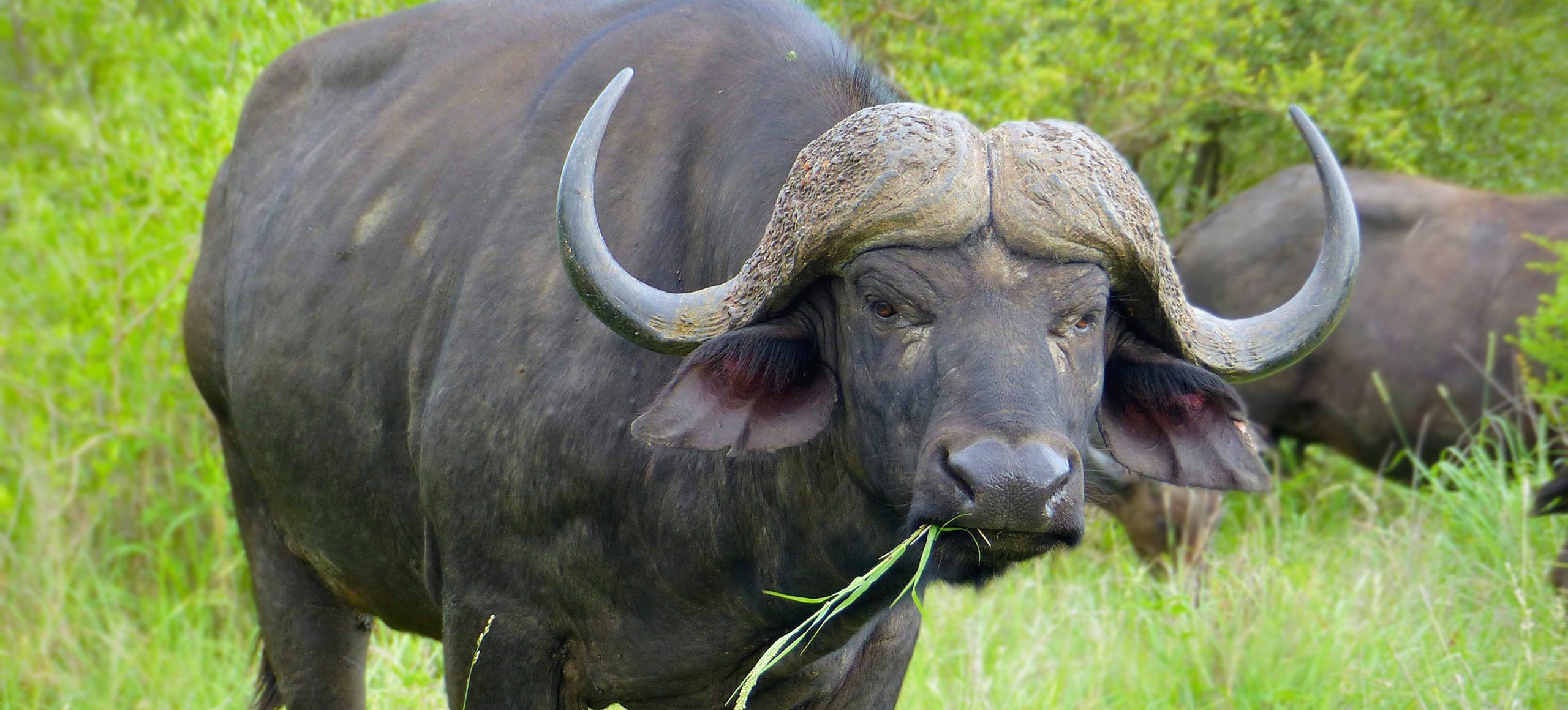
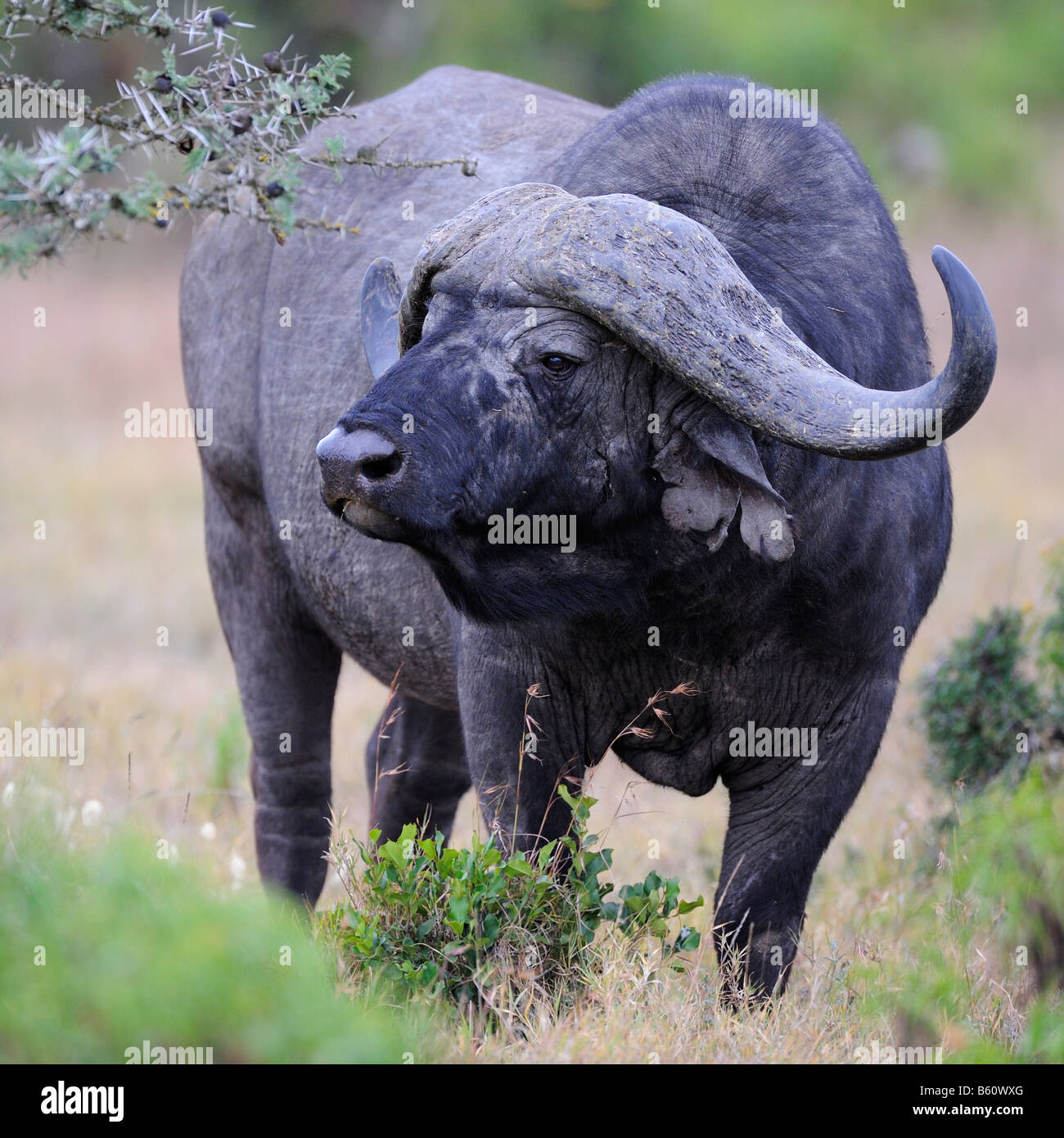
The most defining physical feature of the Cape buffalo is its massive set of horns. In mature adults, the bases of the horns fuse together across the forehead to form a thick, bone-hard shield known as a "boss." This structure acts as a helmet, protecting the skull from impacts during dominance fights between bulls and serving as a formidable weapon against predators. From this central boss, the horns curve downward and outward before sweeping upward and inward, creating a formidable span that can exceed a meter from tip to tip. Females also possess horns, but their bosses are considerably smaller and less developed.
Habitat Preferences and Geographic Distribution
Cape buffaloes are predominantly found across eastern and southern Africa, inhabiting regions that provide a reliable mix of permanent water sources, shade, and dense grazing vegetation. They are highly adaptable to various biomes, including lowland rainforests, coastal savannahs, extensive floodplains, and arid mopane woodlands, provided their ecological requirements are met. Unlike many other large herbivores that can survive in arid environments, the Cape buffalo is water-dependent and rarely found far from rivers, lakes, or permanent waterholes, where it drinks daily.
Grasslands and savannahs interspersed with thickets or acacia forests represent prime habitat, offering both grazing opportunities and essential cover from the midday sun and predators. During the dry season, buffaloes concentrate heavily near remaining water sources and river valleys, shifting their feeding patterns to take advantage of emerging green vegetation in seasonally flooded grasslands. Their presence is closely tied to the availability of medium to tall grasses, which they consume in large quantities, shaping the structure of the vegetation through selective grazing and trampling.
| Feature | Cape Buffalo (Syncerus caffer caffer) | Forest Buffalo (Syncerus caffer nanus) |
|---|---|---|
| Average Weight | 500 – 900+ kg | 250 – 320 kg |
| Shoulder Height | 1.4 – 1.7 meters | 1.0 – 1.2 meters |
| Coat Color | Dark grey to jet black | Reddish-brown to chestnut |
| Horn Morphology | Large, heavy with a fused central boss | Smaller, swept back, without a heavy boss |
| Habitat Range | East and southern African savannahs and woodlands | Central and West African dense rainforests |
Social Structure and Herd Dynamics
Social organization is central to the survival and daily life of the Cape buffalo. They live in permanent, matrilineal herds that can range in size from a few dozen individuals to massive aggregations numbering over a thousand animals. These herds consist primarily of related females and their offspring, led by a dominant matriarch or a core group of older cows that make collective decisions regarding foraging routes, movement to water, and defensive strategies.
Bulls within the herd maintain a complex linear dominance hierarchy determined largely by age, body size, and horn development. While young bulls remain with the maternal herd, sub-adult and adult males often form separate bachelor groups ranging from two to twenty individuals, or live as solitary, territorial bulls. Solitary bulls are typically older males that have passed their prime or are temporarily separated from the main herd; these individuals are notoriously temperamental and account for a significant portion of dangerous human-wildlife encounters.
Herd movements are characterized by high levels of coordination and cooperative behavior. When resting, buffaloes often arrange themselves in a tight formation, with vulnerable calves and weaker individuals sheltered in the center while dominant animals face outward. Furthermore, research into herd decision-making has demonstrated a democratic consensus process; cows stand up and look in the direction they wish to travel, and the direction chosen by the majority of the herd dictates the movement vector.
Foraging Ecology and Nutritional Adaptations
As strict herbivores and bulk grazers, Cape buffaloes play an essential role in modifying savannah ecosystems. Their broad, square muzzles are structurally adapted for cropping large quantities of grass efficiently rather than selecting individual plant shoots. They display a preference for tall, coarse grasses that many smaller antelopes find unpalatable or difficult to digest, making the buffalo a foundational species that opens up overgrown pastures for more selective grazers.
The digestive system of the Cape buffalo is ruminant-based, featuring a four-chambered stomach that ferments tough plant material through microbial action. This physiological adaptation allows them to extract nutrients from fibrous vegetation that has a low protein content, particularly during the dry season when grasses dry out and lose nutritional value. To meet their metabolic demands, a single adult buffalo must consume substantial quantities of forage daily, spending many hours grazing during the cooler morning and evening periods, as well as at night.
During the dry season, when herbaceous vegetation becomes scarce and unpalatable, buffaloes supplement their diet by browsing on the leaves, shoots, and bark of woody shrubs and trees. Their ability to process fibrous material allows them to endure periods of nutritional stress that would severely impact smaller herbivores, though severe droughts can still lead to high mortality rates, particularly among calves and elderly animals.
Predation, Defense, and Ecological Survival
Despite their massive size and formidable weaponry, Cape buffaloes are subject to intense predation pressure, primarily from lions and, to a lesser extent, Nile crocodiles and spotted hyenas. Lions actively target buffaloes as a primary food source, but hunting a mature Cape buffalo is a high-risk endeavor for a pride. Adult bulls possess thick hides, immense muscular power, and sharp, curved horns capable of inflicting fatal injuries on a lion. Consequently, predation attempts usually involve coordinated group hunting, focusing on isolated individuals, calves, or sick herd members.
The defense mechanisms of a Cape buffalo herd are among the most sophisticated in the animal kingdom. When a predator is detected, the herd does not simply flee; instead, they often form a protective phalanx, placing the young in the center and lowering their heads to present a solid wall of horns. In many documented instances, herds have actively counterattacked lions, chasing them up trees, rescuing captured herd members, and even killing lions that misjudge the collective strength of the group.
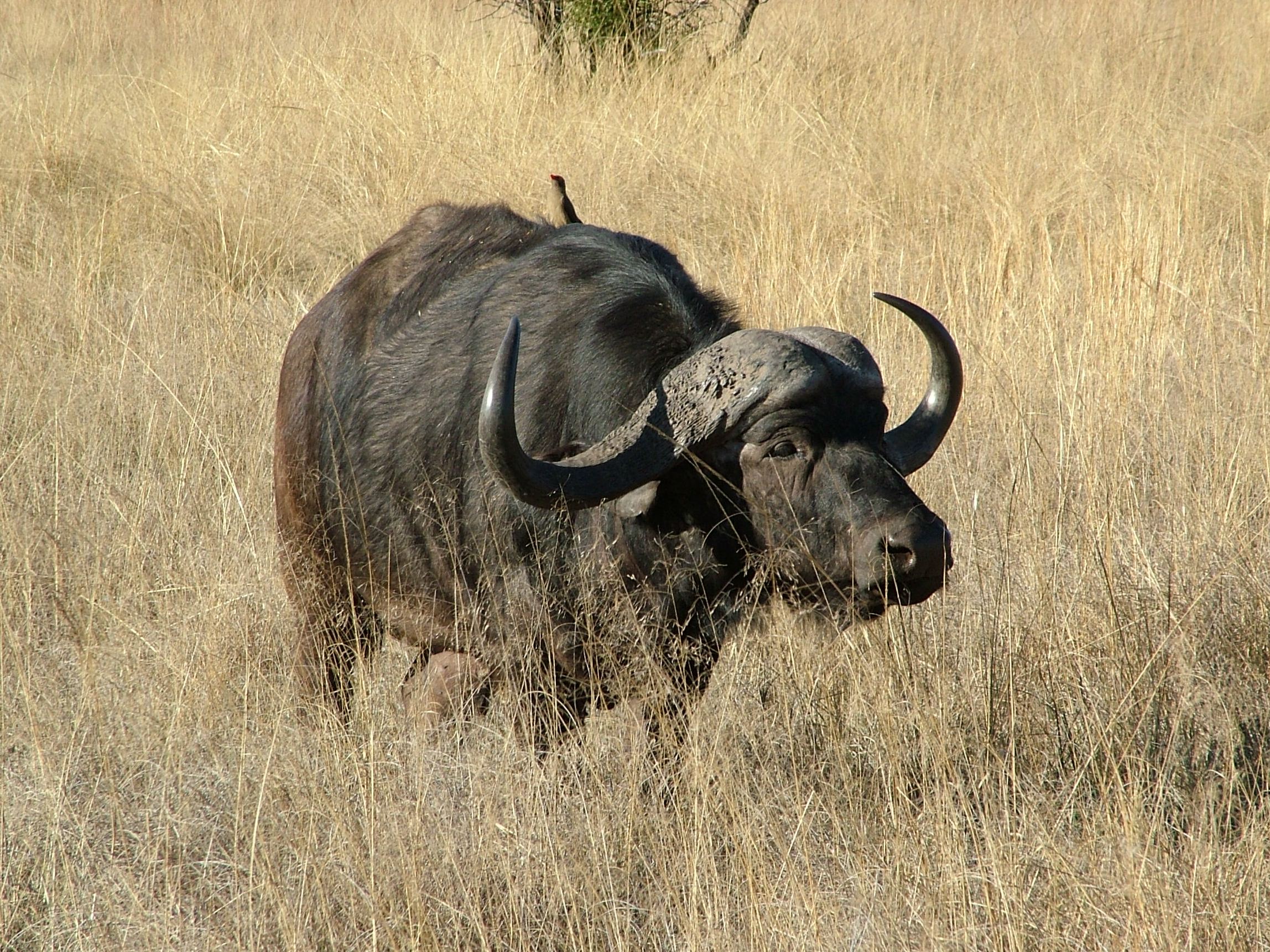
Beyond direct defense against predators, Cape buffaloes maintain a symbiotic relationship with various bird species, most notably oxpeckers (Buphagus species). These birds perch on the buffalo's back and head, feeding on ticks, flies, and other ectoparasites embedded in the skin. In addition to providing a reliable food source for the birds, oxpeckers act as an early warning system, emitting sharp alarm calls when potential threats approach, thereby enhancing the herd's vigilance.
Conservation Status and Human-Wildlife Conflict
The International Union for Conservation of Nature (IUCN) classifies the Cape buffalo as a species of Least Concern, with overall population numbers estimated in the hundreds of thousands, largely stabilized within protected areas, national parks, and game reserves across sub-Saharan Africa. However, this broad classification masks regional declines driven by habitat fragmentation, agricultural expansion, and poaching. Populations outside formally managed reserves frequently face severe pressure as human settlements encroach upon traditional migration corridors and grazing lands.
Human-wildlife conflict is a persistent challenge in regions where rural communities border buffalo habitats. Because buffaloes require large areas to roam and frequently raid agricultural crops, conflicts with farmers are common. Furthermore, Cape buffaloes are a primary reservoir for several critical livestock diseases, including foot-and-mouth disease, bovine tuberculosis, and corridor disease (transmitted by ticks). To prevent the transmission of these pathogens to domestic cattle, veterinary fences are often erected, which can obstruct traditional migration routes and isolate wildlife populations.
Conservation strategies increasingly focus on community-based natural resource management, transfrontier conservation areas, and integrated land-use planning to balance the ecological needs of the buffalo with the economic livelihoods of local populations. By maintaining viable corridors between protected zones, conservationists aim to preserve genetic diversity and natural movement patterns for one of Africa's most iconic and ecologically vital large mammals.
Frequently Asked Questions
Why are Cape buffaloes considered one of the most dangerous animals in Africa?
Cape buffaloes possess an unpredictable temperament, immense physical strength, and a well-documented tendency to ambush hunters or intruders rather than flee. Wounded or solitary bulls, in particular, are renowned for circling back along their own tracks to ambush pursuers, utilizing their mass and horn-boss structure to inflict devastating trauma.
Do Cape buffaloes have any natural predators?
Adult Cape buffaloes are primarily preyed upon by lions, which often must hunt in coordinated prides to bring down a single animal. Nile crocodiles also take buffaloes that venture too close to riverbanks to drink, while spotted hyenas occasionally target calves, sick individuals, or weakened adults during periods of drought.
Can Cape buffaloes be domesticated?
No, Cape buffaloes have never been successfully domesticated. Unlike their Asian water buffalo relatives, which were domesticated millennia ago, African buffaloes retain an aggressive, highly reactive disposition and a strong herd defense instinct that make them unsuitable for selective breeding and agricultural handling.
How do Cape buffaloes affect their surrounding ecosystem?
As bulk grazers, Cape buffaloes consume coarse, tall grasses that other herbivores avoid, opening up pastures and promoting new plant growth. Their heavy trampling helps cycle nutrients into the soil, and their wallowing behavior creates mud depressions that can retain water, forming micro-habitats for amphibians and aquatic invertebrates.
What is the purpose of the horn boss on a Cape buffalo?
The horn boss is a thick, fused plate of bone covering the forehead of mature adults. It functions as a natural crash helmet during territorial combat between bulls, absorbing immense impact forces, and serves as a lethal defensive weapon against predators.
Strategic Conservation and Field Observations
Ensuring the long-term survival of the Cape buffalo requires robust anti-poaching enforcement, habitat preservation, and the mitigation of disease transmission risks between wildlife and domestic livestock. Researchers, conservationists, and wildlife managers must continue to monitor herd health and population densities across fragmented ecosystems to prevent localized extinctions. Field observers are advised to maintain a safe distance and remain inside secure vehicles when encountering these animals in protected areas, respecting their unpredictable nature and immense physical power.