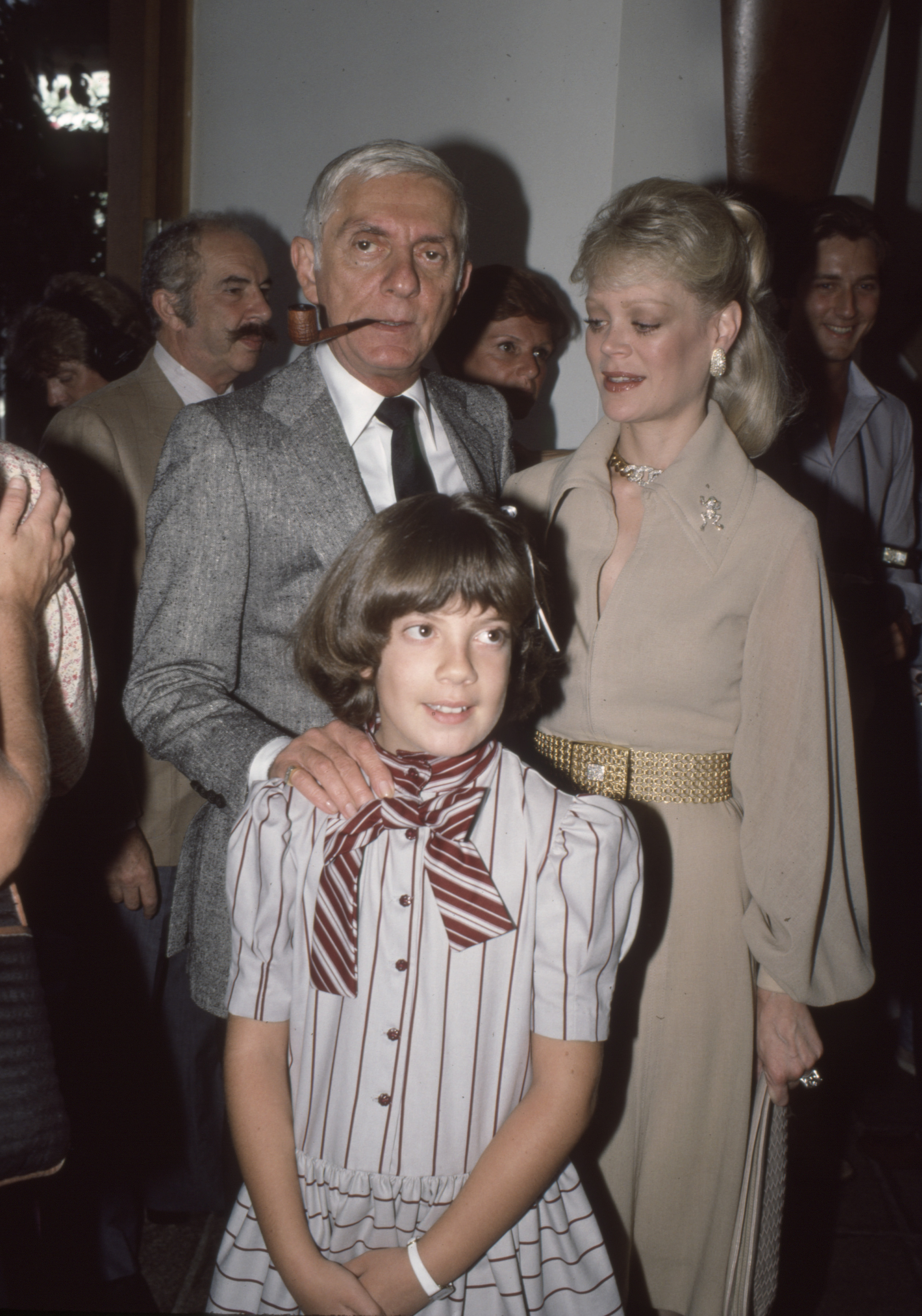
Candy Spelling is an American author, philanthropist, and Tony Award-winning Broadway producer best known as the widow of legendary television mogul Aaron Spelling. As of 2026, she remains a formidable figure in Los Angeles society, managing a significant portion of the Spelling family legacy while focusing on theater production and high-profile charitable endeavors.
Born Carole Gene Marer on September 20, 1945, in Beverly Hills, Candy Spelling’s life has been a testament to the gilded era of Hollywood production. While her name was initially tied to her husband’s massive television empire—which included hits like Dynasty, The Love Boat, and Beverly Hills, 90210—she has spent the last two decades carving out an independent identity. From her record-breaking real estate transactions to her public and often scrutinized family dynamics, Spelling represents a bridge between the classic studio system and the modern era of celebrity branding.
The Foundation of the Spelling Empire
To understand Candy Spelling’s current standing in 2026, one must look back at the partnership she shared with Aaron Spelling. Married in 1968, the couple became the architectural center of a television revolution. Aaron Spelling Productions was one of the most prolific production companies in history, and Candy was more than a silent partner; she was his confidante and often an unofficial advisor on the aesthetic and social dimensions of his brand.
The wealth accumulated during these years was staggering. When Aaron Spelling passed away in 2006, he left behind an estate estimated at $600 million. Unlike many Hollywood success stories that end in liquidation, Candy Spelling took a methodical approach to managing this wealth. She became the primary executor of the estate, a role that placed her at the center of media attention, particularly regarding the inheritance of her children, Tori and Randy Spelling.
The Legend of "The Manor" and Strategic Real Estate
One cannot discuss Candy Spelling without referencing "The Manor." Located in the Holmby Hills neighborhood of Los Angeles, the 56,500-square-foot French chateau-style mansion was, for years, the largest home in Los Angeles County. Built in 1988, the estate featured 123 rooms, including specialized spaces like a doll museum, three rooms for wrapping gifts, and a professional-grade bowling alley.
The management and eventual sale of The Manor marked a turning point in Candy's public persona. In 2011, she sold the property to Petra Ecclestone for $85 million in an all-cash deal, which was one of the highest residential real estate prices in the U.S. at the time. This move was a strategic "downsizing" that signaled her transition from the matriarch of a sprawling family estate to a high-rise urbanite.
In 2026, her primary residence continues to be her sprawling two-story penthouse at The Century, a luxury condominium in Century City. Purchased for roughly $35 million, the space was customized to fit her specific needs, proving that her influence on the luxury real estate market remains a point of study for architectural historians and real estate professionals alike.
Real Estate Comparison: The Manor vs. The Century Penthouse
| Feature | The Manor (Holmby Hills) | The Century Penthouse (Century City) |
|---|---|---|
| Approximate Square Footage | 56,500 sq. ft. | 16,500 sq. ft. |
| Year of Occupancy | 1988–2011 | 2010–Present (2026) |
| Primary Architectural Style | French Chateau | Modern Luxury High-Rise |
| Unique Amenities | Bowling alley, gift-wrapping rooms, doll museum | 360-degree city views, private elevator, expansive terrace |
| Estimated Value/Sale Price | Sold for $85M (2011) | Purchased for ~$35M (2010) |
| Maintenance Profile | Required staff of 30+ | Managed by luxury building services |
Broadway and Literary Success
Candy Spelling successfully transitioned from a Hollywood socialite to a respected Broadway producer. Her foray into the theater was not a vanity project but a serious business venture that yielded significant critical acclaim. She has been involved in several major productions, earning Tony Awards for her work.
Notable Broadway credits include:
- Promises, Promises: A revival that showcased her ability to revitalize classic material.
- How to Succeed in Business Without Really Trying: A production that featured high-profile casting and earned her a Tony Award.
- Nice Work If You Can Get It: Further cementing her status as a producer with a keen eye for commercial and artistic balance.
In addition to the stage, Spelling utilized her life experiences to fuel a career as an author. Her first book, Stories from Candyland (2009), became a New York Times bestseller, offering a sanitized but fascinating look into her life with Aaron. Her follow-up, Candy at Last (2014), took a more reflective tone, discussing her life after Aaron’s death and her efforts to find herself outside the shadow of his immense legacy. In 2026, these works remain essential reading for those studying the social history of Hollywood’s elite.
Navigating Family Dynamics and Public Scrutiny
Perhaps the most challenging aspect of Candy Spelling’s life has been her relationship with her daughter, Tori Spelling. The public estrangement between the two was a staple of tabloid journalism for nearly two decades. The friction primarily centered on the distribution of Aaron Spelling's $600 million estate, from which Tori reportedly received only $800,000.
Candy has consistently defended the inheritance structure, citing Aaron's wishes and the children's spending habits as primary factors. However, the narrative has shifted over the years. By 2026, the relationship is often described as "cautiously collaborative." As Tori navigated her own high-profile financial and marital struggles in the 2020s, Candy occasionally stepped in to provide financial stability for her grandchildren, while maintaining boundaries regarding Tori's direct access to the Spelling trust. This dynamic serves as a case study in the complexities of ultra-high-net-worth estate planning and the emotional toll of public family disputes.
Philanthropy and Civic Leadership
Beyond the glitz of Hollywood and Broadway, Candy Spelling has established herself as a dedicated philanthropist. Her work in 2026 continues to focus on the arts, healthcare, and animal welfare. She has served on numerous boards, providing both financial support and strategic leadership.
Key philanthropic involvements include:
- The Los Angeles Zoo: A long-time supporter of animal conservation and habitat development.
- UCLA Fountain for the Arts: Spelling has been instrumental in ensuring that Los Angeles remains a hub for burgeoning artists.
- American Humane: Her love for animals, particularly her famous poodles, has translated into significant support for national animal welfare standards.
- Children’s Hospital Los Angeles: Contributing to specialized pediatric care and research facilities.
Her approach to giving is characterized by a "hands-on" philosophy. She is known for attending planning meetings and utilizing her extensive social network to fundraise for causes she believes in, rather than simply writing checks.
Life in 2026: The Legacy of a Matriarch
As she enters her 80s in 2026, Candy Spelling represents a specific era of Los Angeles history that is rapidly fading. She is one of the few remaining figures who lived through the peak of the television dynasty years and successfully navigated the transition into a digital-first, fragmented media landscape.
Her current status is that of a "Grand Dame" of Hollywood. She spends her time between her Century City penthouse and her various philanthropic engagements. While she has significantly reduced her public appearances, her influence in the theater world and the Los Angeles social scene remains palpable. She continues to be a symbol of how one can manage a massive inheritance not just as a consumer, but as a steward of a cultural and financial legacy.
Frequently Asked Questions
What is Candy Spelling's net worth in 2026?
Candy Spelling’s net worth is estimated to be approximately $600 million. This wealth is primarily derived from the estate of her late husband, Aaron Spelling, as well as her successful career as a Broadway producer, her real estate investments, and her literary earnings. She has managed this fortune through a combination of strategic property sales and conservative trust management.
Why did Tori Spelling only inherit $800,000?
According to various reports and Candy Spelling’s own memoirs, the inheritance was structured by Aaron Spelling himself before his death. The decision was reportedly based on concerns regarding Tori's spending habits and a desire to ensure the long-term preservation of the family's core capital. Candy has stated in interviews that the trust was designed to provide for the family's future rather than providing an immediate, massive cash payout.
Where does Candy Spelling live now?
As of 2026, Candy Spelling lives in a 16,500-square-foot penthouse in "The Century," a luxury high-rise building in Century City, Los Angeles. She moved there after selling her famous Holmby Hills estate, "The Manor." The penthouse occupies the top two floors of the building and is known for its custom interiors and panoramic views of the city.
Is Candy Spelling still producing Broadway shows?
While she has stepped back from the day-to-day rigors of production as she has gotten older, Candy Spelling remains an active investor and consultant in the Broadway community. Her production company continues to hold interests in several touring productions and revivals, maintaining her status as a Tony-winning force in the industry.
What happened to "The Manor" after Candy Spelling sold it?
After Candy Spelling sold the house to Petra Ecclestone for $85 million in 2011, the property underwent extensive renovations. It was later sold again in 2019 for approximately $119.7 million to an anonymous buyer, setting a new record for California real estate at that time. It remains one of the most famous private residences in the world.
Monitoring the Spelling Legacy
For those interested in the intersection of Hollywood history and high-stakes estate management, following the updates from the Spelling family is essential. Candy Spelling’s journey from a producer's wife to an independent mogul provides valuable lessons in resilience, brand management, and the complexities of familial duty. Whether through her next theatrical venture or her continued philanthropic work, she remains a central figure in the narrative of Los Angeles' cultural elite. To stay informed, readers should look to major entertainment trade publications and Los Angeles-based philanthropic registries for her ongoing contributions to the city's social fabric.