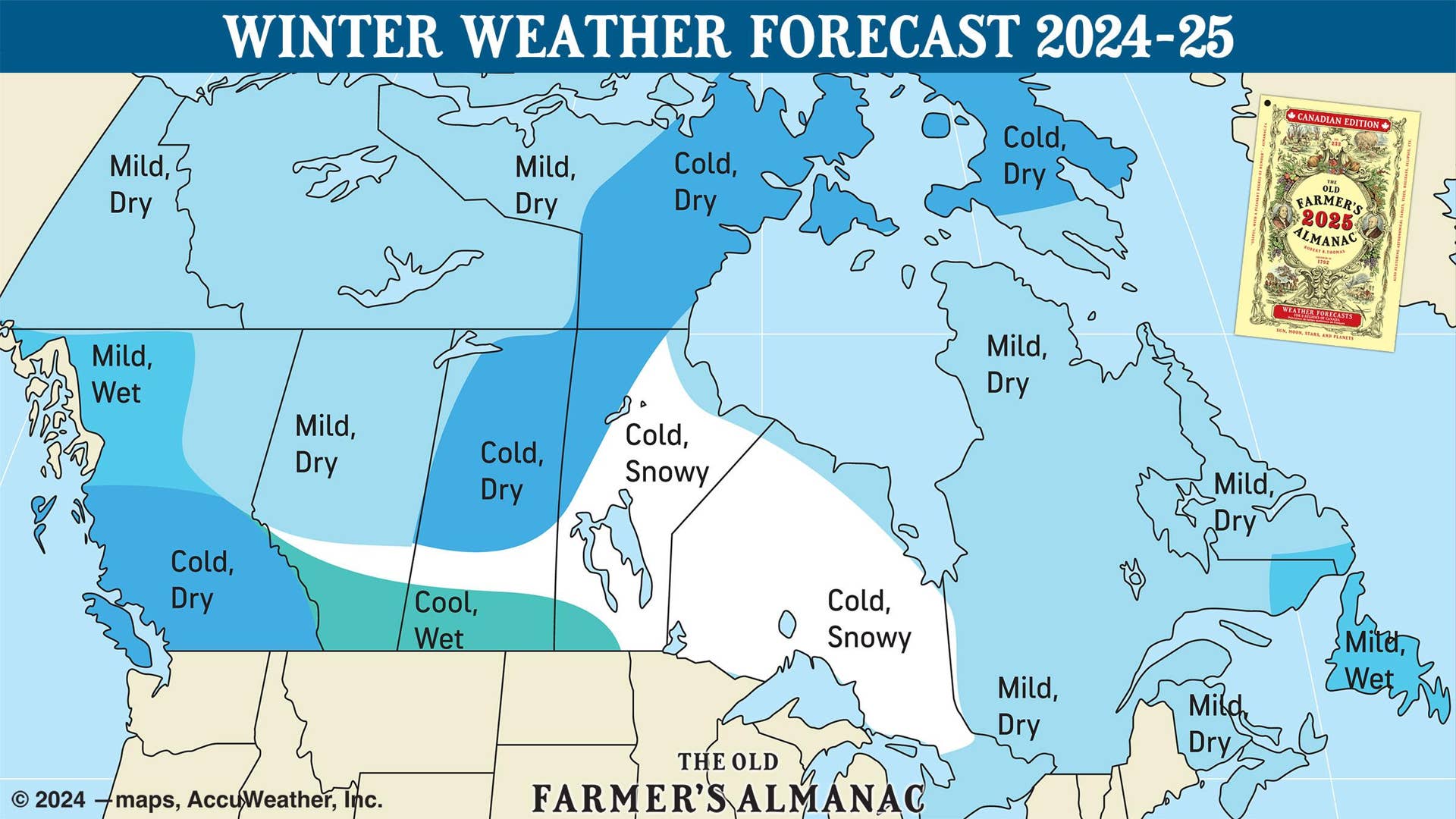
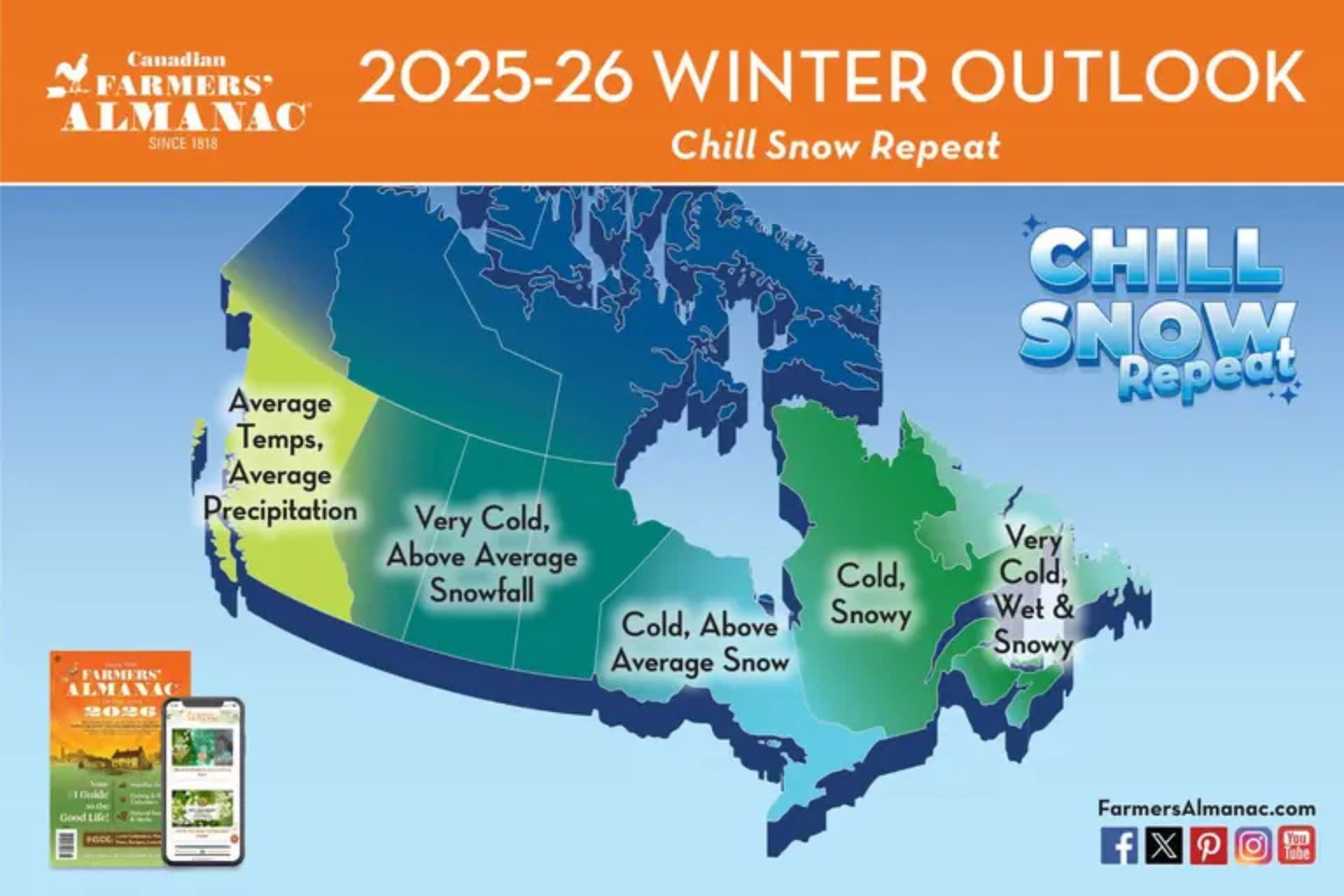
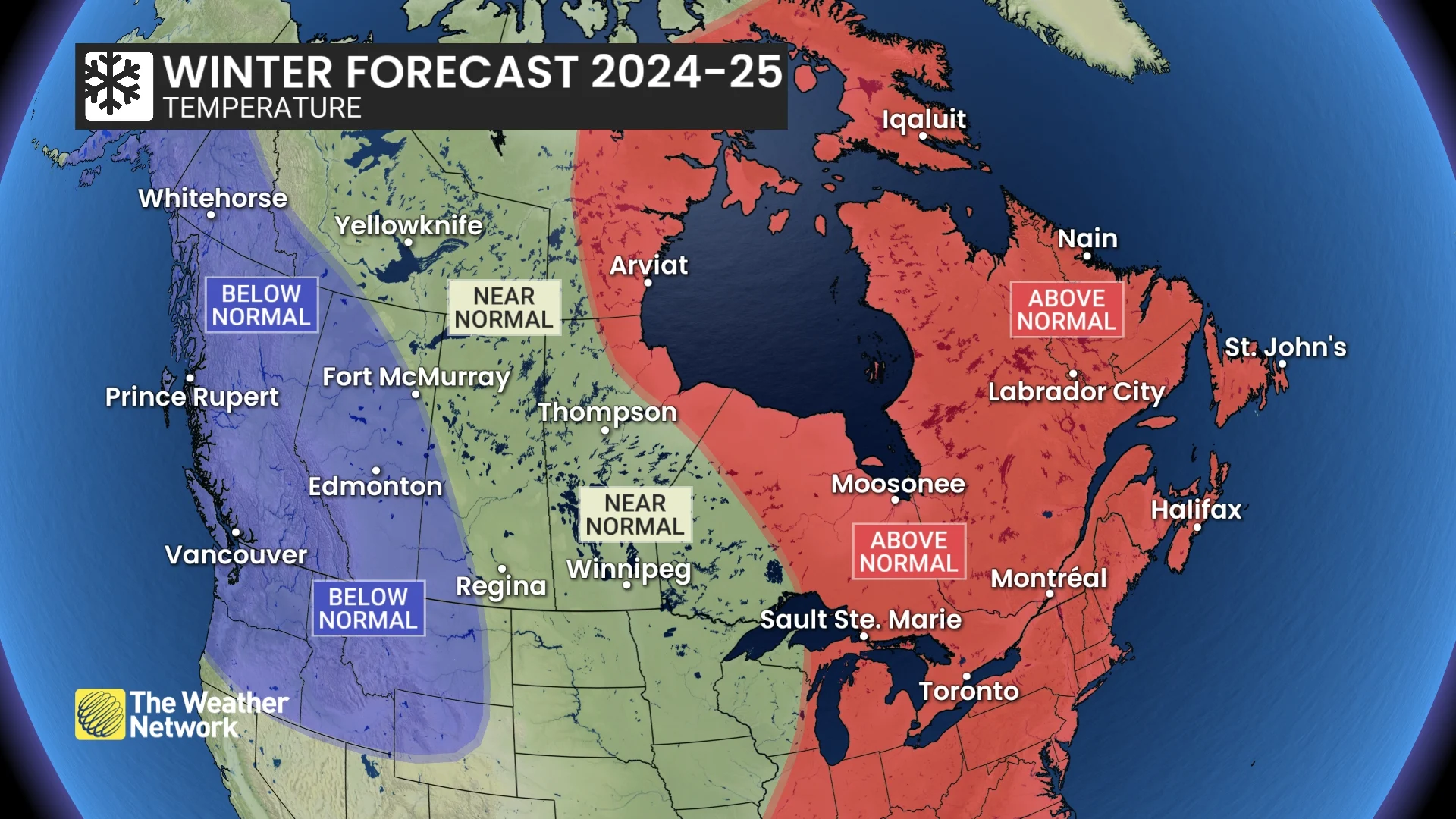
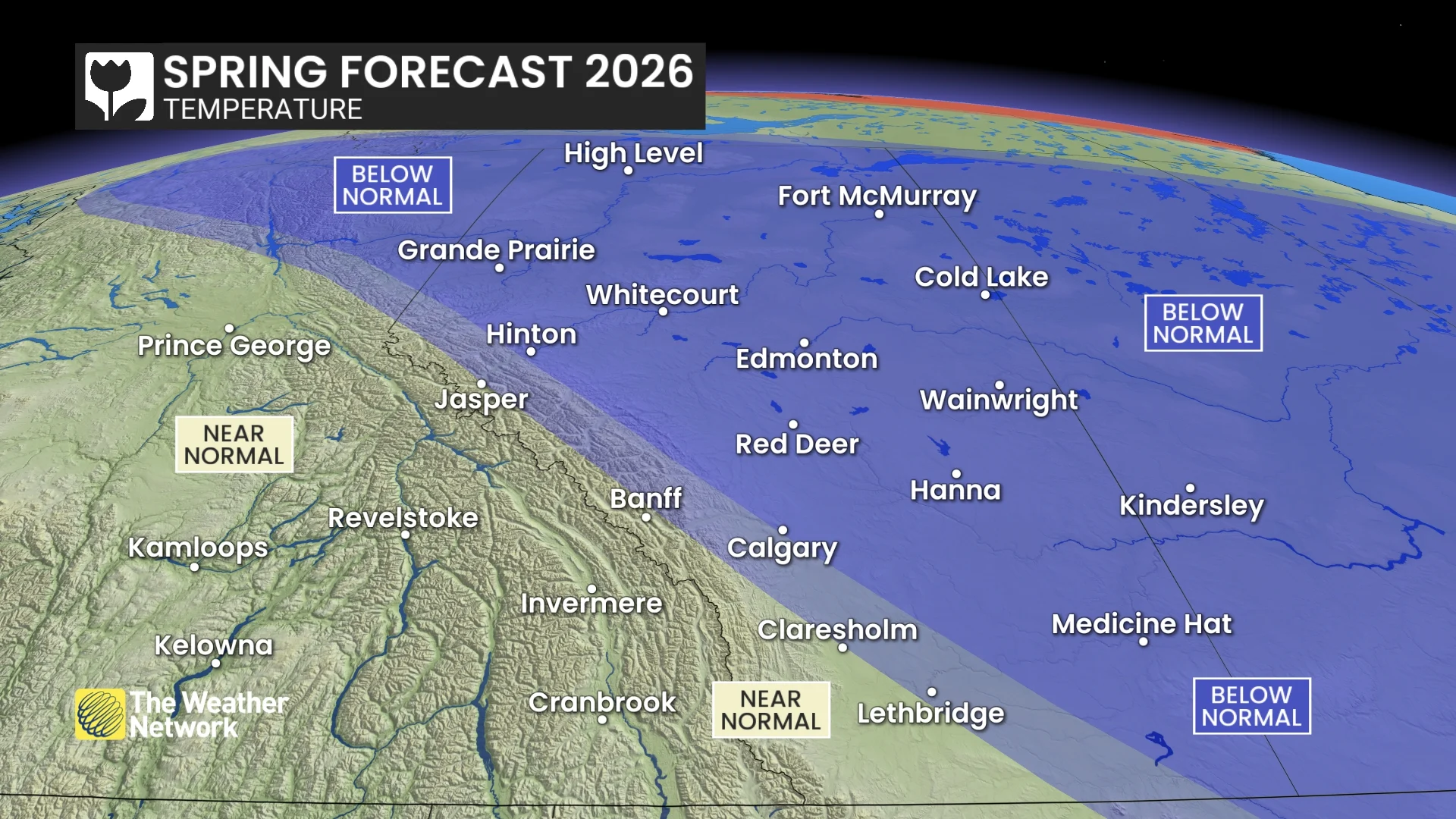
**Official meteorological data and reports from the field indicate that the upcoming winter season across North America is tracking toward significantly lower-than-average temperatures, driven by a sudden shift in polar vortex stability. As meteorologists analyze late-August oceanic indicators, energy markets and municipal planners are scrambling to adjust infrastructure models for an unusually brutal freeze.
| Quick Fact | Detail |
|---|---|
| Primary Driver | Polar Vortex Disruption & Sudden Stratospheric Warming |
| Affected Regions | Prairies, Ontario, Quebec, and Atlantic Canada |
| Projected Window | November 2026 through March 2027 |
| Confidence Level | Moderate to High (Based on NOAA & ECMWF modeling) |
The Catalyst: Why canada winter forecast colder is Surging Now
Observing the current market trend in long-range forecasting, climate researchers at Environment and Climate Change Canada alongside global partners have noted anomalous Pacific sea surface temperatures. These shifts are mirroring historical analogues that preceded historic deep-freeze events.
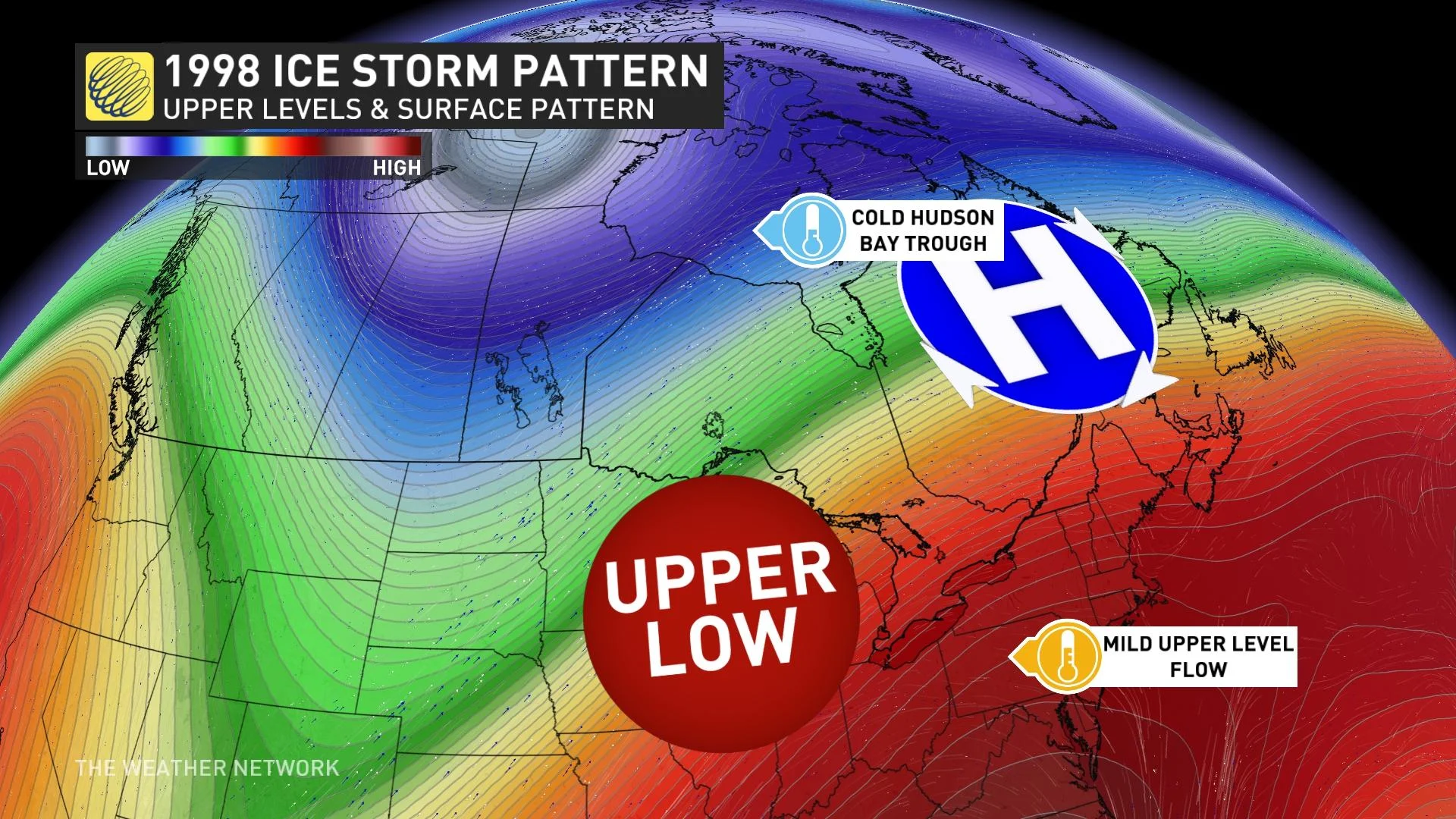
Reports from the field indicate that the Arctic oscillation is trending into a negative phase much earlier than usual. This atmospheric state typically traps frigid polar air and allows it to plunge deep southward into populated Canadian corridors, bypassing the traditional westerly buffers.
Industry insiders note that energy commodities futures have already reacted to these early prognostications. Heating oil and natural gas suppliers are adjusting inventories ahead of schedule, anticipating a surge in residential and commercial demand.
Expert Analysis & Implications
The macroeconomic ripple effect of a severe winter extends far beyond frozen pipes and snow removal budgets. Transportation logistics, supply chain velocity, and agricultural sectors face severe operational hurdles when sustained sub-zero anomalies take hold.
From a meteorological standpoint, the primary concern is not just the absolute minimum temperatures, but the persistence of the cold air masses. Extended blocking patterns over Greenland often prevent active storm tracks from moving offshore, locking freezing conditions in place for weeks at a time.
Municipalities are currently reviewing salt supplies, snowplow fleet readiness, and emergency warming center protocols. Last year's milder conditions allowed many regional budgets to recover, but fiscal reserves may face immediate depletion if the projected thermal drops materialize.
Consumer/Reader Guide
Homeowners and business operators must take proactive measures well before the first sustained frost hits. Waiting until peak winter weather arrives typically results in inflated contractor rates and material shortages.
- Insulate Vulnerable Infrastructure: Check pipe insulation in crawl spaces and exterior walls to prevent catastrophic freezing and bursting.
- Audit Heating Systems: Schedule routine maintenance for furnaces, heat pumps, and wood-burning stoves immediately to secure technician availability.
- Emergency Kit Readiness: Stock vehicles and homes with essential survival gear, including high-grade blankets, non-perishable food, and reliable backup power sources.
- Energy Audit: Seal windows and doors with fresh weatherstripping to mitigate skyrocketing utility bills during peak heating months.
The Road Ahead
As atmospheric models update weekly through the autumn transition, meteorologists will narrow down the exact geographic bullseyes for the most severe cold snaps. While long-range forecasting carries inherent uncertainties, the convergence of multiple independent global climate models points toward a definitive break from recent mild winters.
Monitoring updates from national weather services will be critical as November approaches. Those who prepare infrastructure and personal reserves now will mitigate the severe operational and financial tolls associated with a harsher-than-average winter season.