The phrase "Call Her Daddy" represents a subversion of traditional gender power dynamics, specifically flipping the patriarchal "who's your daddy" trope. In the context of the eponymous podcast, it signifies female agency, confidence, and a candid, unfiltered approach to discussing relationships, sex, and business in a landscape often dominated by male perspectives.
The Linguistic Subversion of the "Daddy" Trope
To understand the meaning of "Call Her Daddy," one must first examine the cultural history of the word "daddy" in a non-familial context. For decades, the term was used in slang to denote a man with power, money, or sexual dominance—often phrased as the question, "Who’s your daddy?" By replacing the male pronoun with "Her," the phrase shifts the seat of power.
This linguistic flip serves as the foundation for the brand’s identity. It suggests that a woman can occupy the role of the provider, the decision-maker, and the dominant force in her own life and relationships. When the podcast launched in 2018, this was a radical departure from the "polite" or "demure" advice traditionally found in women's lifestyle magazines. Instead of focusing on how to please a partner, the "Call Her Daddy" ethos focused on what the woman wanted, how she could get it, and why she shouldn't feel ashamed for pursuing her desires.
In the modern context of 2026, the meaning has evolved beyond just sexual empowerment. It has become a broader symbol of female entrepreneurship and personal branding. The "Daddy" in the title now refers as much to the "Boss" or "CEO" persona as it does to romantic or sexual confidence.
The Podcast’s Foundation and the "Fathers" (2018–2020)
The phrase gained its global profile through the podcast created by Alexandra Cooper and Sofia Franklyn. Originally launched under the Barstool Sports umbrella, the show was hosted by the duo, whom fans affectionately referred to as "The Fathers." During this initial era, the meaning of "Call Her Daddy" was rooted in "locker room talk" for women.
The content was notoriously raunchy and leaned heavily into "the gluck gluck 9000" (a viral sexual technique) and other explicit advice. This era defined the phrase as a badge of rebellion against the "good girl" image. To be part of the "Daddy Gang"—the show’s dedicated fanbase—meant you were willing to speak openly about taboo subjects.
However, the meaning of the brand underwent a seismic shift during the high-profile contract dispute in 2020. The "divorce" between Cooper and Franklyn became a public fascination, highlighting the complexities of IP ownership and creator rights in the digital age. When Cooper eventually took the show solo, the meaning of the title transitioned from a collaborative female friendship to a narrative of individual resilience and business savvy.
The Identity of the "Daddy Gang"
A significant part of the "Call Her Daddy" meaning is derived from its community. The "Daddy Gang" is not merely a group of listeners; it is a digital sisterhood that shares a specific vernacular and set of values. Understanding the meaning of the show requires understanding the terms that define this community:
- The Fathers: Originally referring to Cooper and Franklyn, now primarily used for Cooper as the "Founding Father."
- The Daddy Gang: The collective name for the audience, characterized by loyalty and a shared sense of humor.
- Unwell: A term popularized by Cooper to describe a state of being hungover, emotionally messy, or generally chaotic, which eventually became the name of her media company, Unwell Network.
By 2026, the Daddy Gang has matured alongside the show. While the early audience was largely college-aged women seeking dating advice, the current demographic includes professional women, celebrities, and a growing male listenership interested in the show’s high-caliber interviews and mental health discussions.
Evolutionary Shift: From Raunchy to Relatable
As of 2026, the "Call Her Daddy" meaning has moved away from its origins as a "sex podcast." While the show remains candid, its primary focus has shifted toward deep-dive interviews and "humanizing" the world’s most famous individuals. The brand now signifies a "safe space" for celebrities to discuss their vulnerabilities, traumas, and career trajectories.
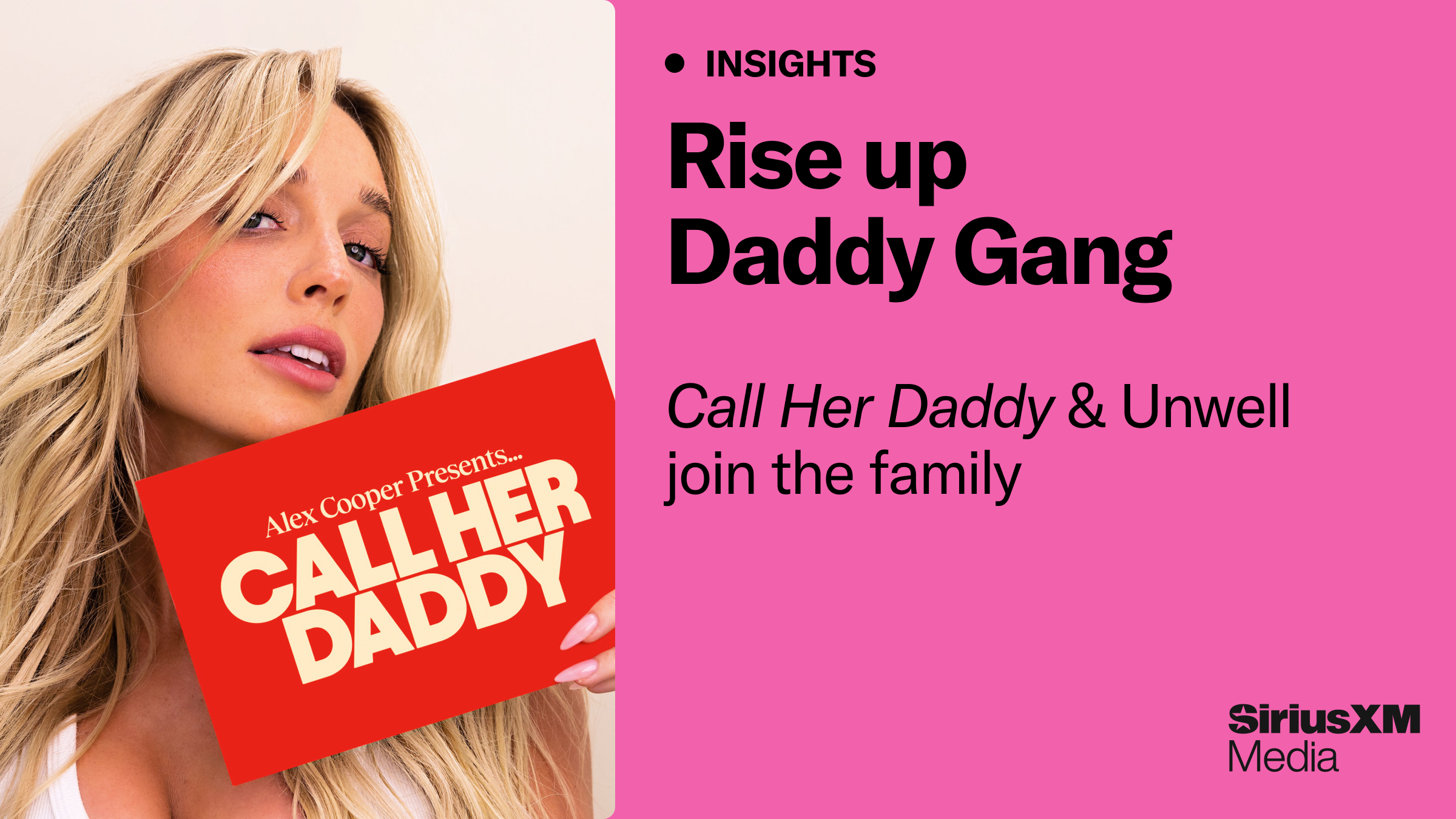
This evolution was catalyzed by Alex Cooper’s transition to Spotify in a landmark $60 million deal in 2021, and subsequently a massive three-year agreement with SiriusXM in 2024 valued at $125 million. These financial milestones changed the meaning of the show from a cultural curiosity to a dominant media powerhouse.
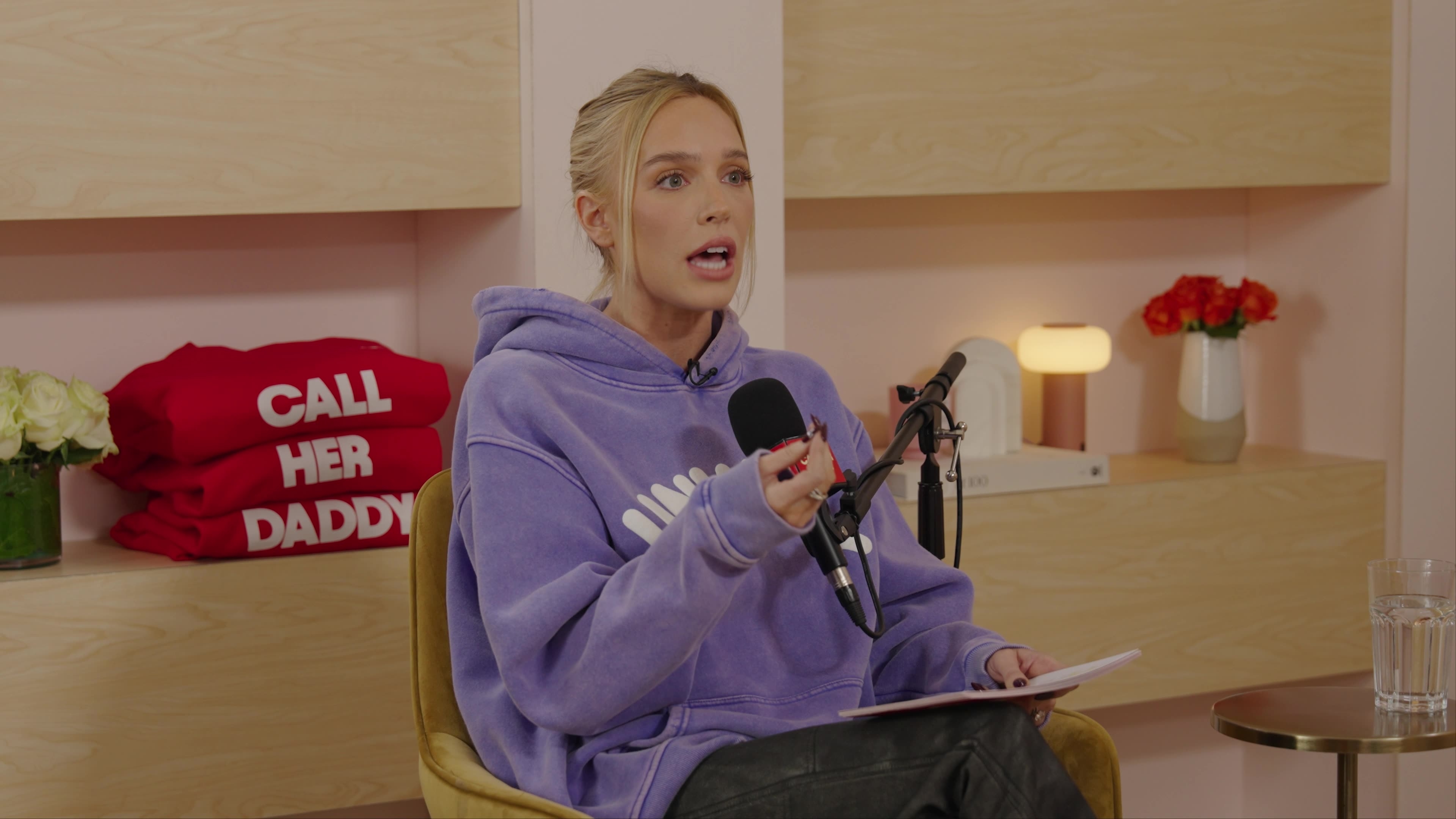
The current "meaning" of the brand is best described as "vulnerable empowerment." Cooper’s interviewing style—often conducted in a relaxed, "bedroom-style" setting—encourages guests like Jane Fonda, Post Malone, and various political figures to drop their PR-friendly guards. Consequently, "Call Her Daddy" now represents a new form of journalism that prioritizes emotional intelligence and relatability over traditional hard-hitting interrogation.
Comparative Overview of the "Call Her Daddy" Eras
| Era | Primary Host(s) | Network/Platform | Core Themes | Meaning to Audience |
|---|---|---|---|---|
| The Duo Era (2018-2020) | Alex Cooper & Sofia Franklyn | Barstool Sports | Raunchy sex talk, dating "rules," NYC lifestyle. | Female rebellion and "locker room" candor. |
| The Solo Transition (2020-2021) | Alex Cooper | Barstool Sports | Resilience, the "divorce" narrative, business ownership. | Individual agency and professional survival. |
| The Spotify Era (2021-2024) | Alex Cooper | Spotify (Exclusive) | Mental health, celebrity deep-dives, self-growth. | Mainstream cultural influence and vulnerability. |
| The Media Mogul Era (2024-2026) | Alex Cooper | SiriusXM / Unwell Network | Global interviews, brand expansion, production. | A multi-platform empire and industry-standard journalism. |
The Role of the Unwell Network
By 2026, the "Call Her Daddy" meaning is inextricably linked to the Unwell Network. Launched by Cooper to house other creators (such as Alix Earle and Madeline Argy), the network represents the institutionalization of the "Daddy" brand.
No longer just a single show, it is a content ecosystem. This expansion proves that the original "meaning"—reclaiming power and speaking one’s truth—is a scalable business model. The network focuses on "gen-z and millennial voices," ensuring that the ethos of the original podcast continues to influence a new generation of creators who prioritize authenticity over perfection.
Cultural Impact and Controversy
The meaning of "Call Her Daddy" has not always been viewed through a positive lens. Throughout its history, the show has faced criticism for:
- Reinforcing Heteronormative Dynamics: Early episodes were often criticized for providing advice that catered to the "male gaze," despite the show’s claims of female empowerment.
- Exclusivity: Some critics argued that the "Daddy Gang" culture was initially centered on a specific type of thin, affluent, white womanhood.
- The "Barstool" Association: Being born out of Barstool Sports brought baggage regarding the network's reputation, which Cooper worked hard to distance herself from as the brand matured.
In 2026, the brand has addressed many of these criticisms by diversifying its guest list and focusing more on universal themes like therapy, body image, and social justice. The "meaning" today is significantly more inclusive than it was in its infancy.
What does "Daddy" mean in the podcast title?
The term "Daddy" is used as a slang term for a person in a position of power, dominance, or control. By titling the show "Call Her Daddy," the creators intended to flip the script on patriarchal language, suggesting that a woman can be the dominant and powerful figure in a relationship or a business deal.
Is Call Her Daddy still about sex advice?
While the podcast originated as a sex and relationship advice show, it has evolved significantly. In 2026, the show is primarily known for its high-profile celebrity interviews and discussions on mental health, female entrepreneurship, and personal growth. While candid discussions about intimacy still occur, they are no longer the exclusive focus.
Why did Sofia Franklyn leave Call Her Daddy?
Sofia Franklyn left the show in 2020 following a highly publicized contract dispute with Barstool Sports. While the duo initially sought a more lucrative deal elsewhere, they eventually disagreed on the terms of a new deal offered by Barstool founder Dave Portnoy. Alex Cooper chose to stay and take the "Call Her Daddy" intellectual property, while Franklyn left to start her own podcast, Sofia with an F.
Who is the "Father" in Call Her Daddy?
"The Father" was a nickname used for the hosts of the show. Initially, both Alex Cooper and Sofia Franklyn were referred to as "The Fathers." Since the split, Alex Cooper is often called the "Founding Father" by her fanbase, the Daddy Gang.
What is the "Daddy Gang"?
The "Daddy Gang" is the official name for the podcast's fanbase. It represents a community of listeners who value the show’s themes of transparency, female empowerment, and humor. In 2026, the community remains one of the most engaged and loyal audiences in the digital media space.
Navigating the "Call Her Daddy" Universe in 2026
For those looking to engage with the brand today, the best approach is to view the podcast as a series of eras. New listeners often start with the "Solo Era" interviews to understand the current tone of the show, while long-time fans often revisit the "Duo Era" for its historical context and comedic value.
To truly understand the "Call Her Daddy" meaning, one must look at it as an evolving narrative of a woman taking control of her story. Whether you are listening for the celebrity insights or the business inspiration, the core message remains consistent: reclaiming your voice in a world that often tries to silence it. As the show continues to expand via the Unwell Network and its partnership with SiriusXM, its meaning will likely continue to shift from a "podcast title" to a broader philosophy of modern, self-made success.