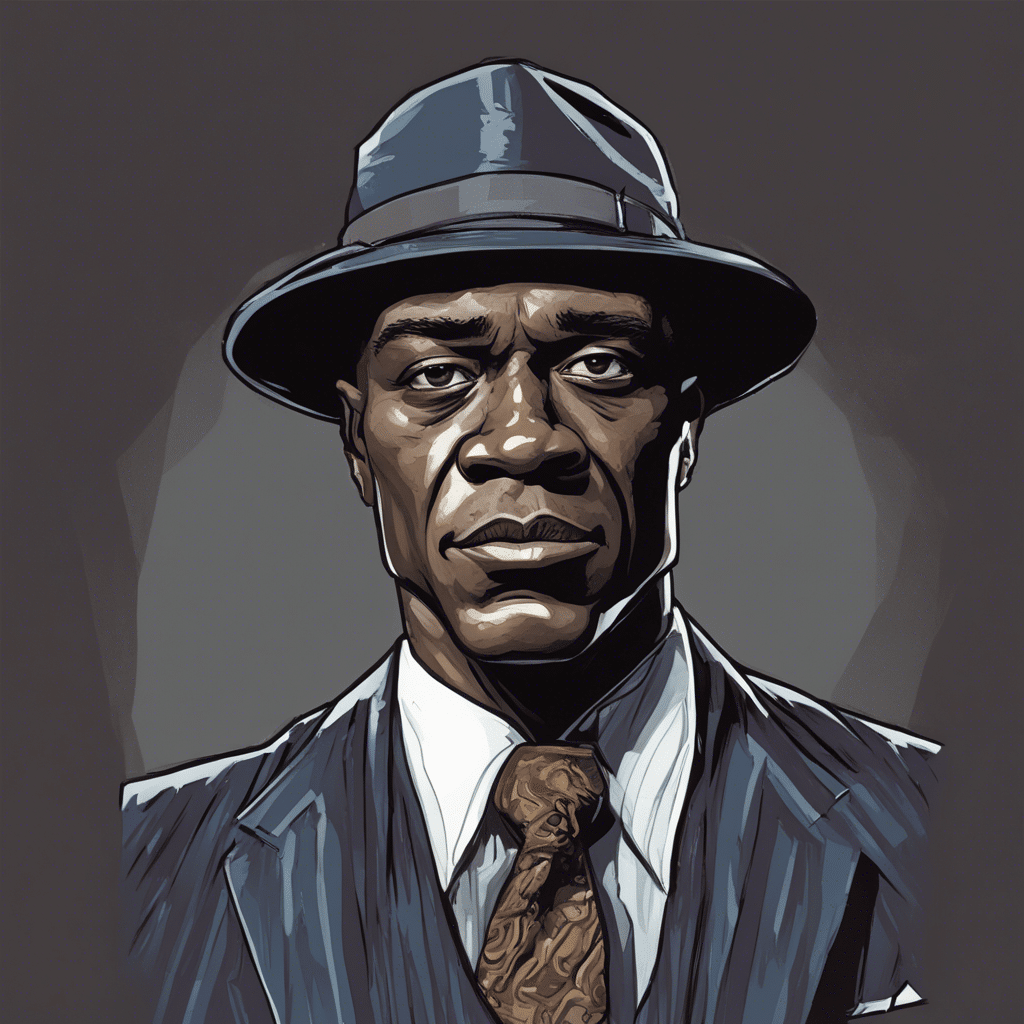
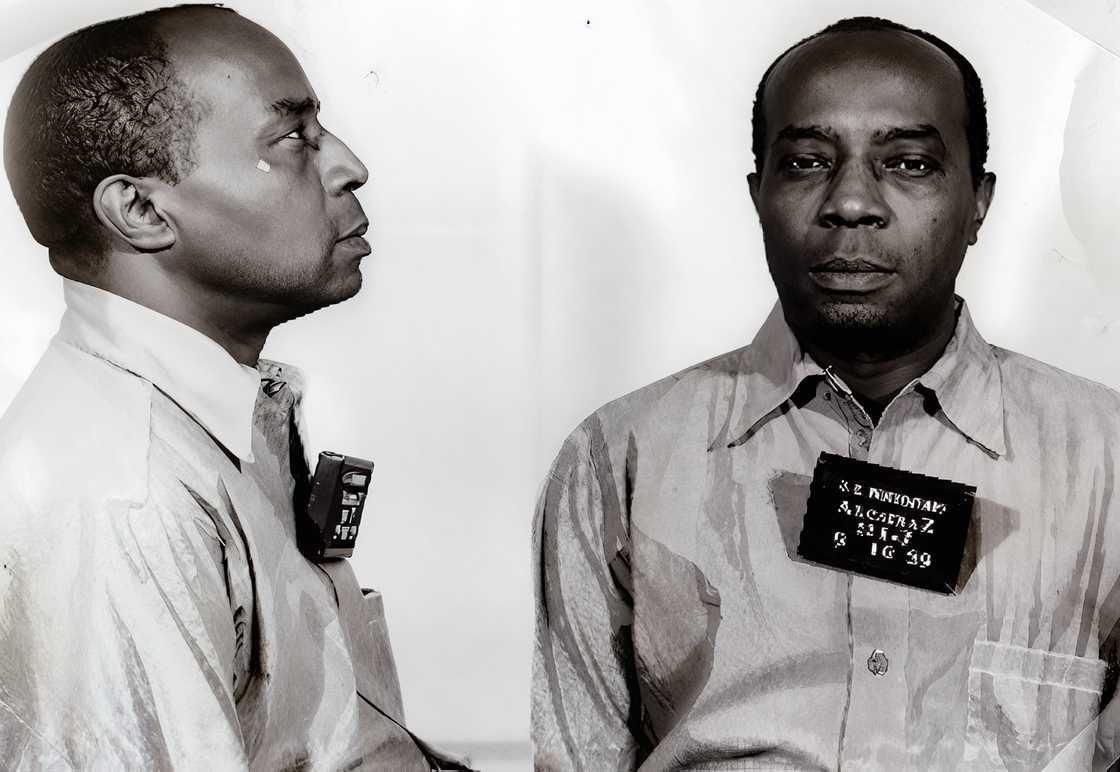
At the time of his death in 1968, Ellsworth "Bumpy" Johnson’s estimated personal net worth was approximately $50,000 to $100,000 in tangible assets, though the criminal empire he controlled generated millions of dollars annually. His true wealth was obscured by legal battles, frequent incarcerations, and the informal nature of the Harlem numbers racket.
The Financial Architecture of the Harlem Godfather
Ellsworth Raymond "Bumpy" Johnson was not merely a street-level criminal; he was a sophisticated illicit financier who navigated the complex socio-economic landscape of Harlem for over three decades. To understand his net worth at death, one must first understand the primary source of his wealth: the "Policy" or "Numbers" racket. During the mid-20th century, the numbers game was a multi-million dollar industry in Upper Manhattan, serving as a primary banking alternative for Black residents who were excluded from traditional financial institutions.
Johnson acted as a "broker" and protector. While he didn't own every "bank" in Harlem, he provided the muscle and political insulation required for these operations to function. In exchange, he received a significant percentage of the daily "handle." In the 1950s and 60s, it was estimated that the Harlem numbers racket turned over more than $50 million annually. As the dominant figure in this landscape, Johnson’s personal take-home pay was substantial, yet it rarely appeared on formal balance sheets.
Unlike modern business moguls, Johnson’s wealth was largely liquid. He maintained a high-rolling lifestyle, known for bespoke suits, fine dining at Wells Restaurant, and philanthropic gestures that earned him the "Robin Hood of Harlem" moniker. However, this lifestyle was expensive to maintain. Furthermore, a significant portion of his revenue was redirected toward "protection" payments to the Italian Mafia—specifically the Genovese crime family—and legal fees for his numerous criminal defenses.
Net Worth at the Time of Death (1968)
When Bumpy Johnson died of heart failure on July 7, 1968, his financial status was a paradox of perceived power and actual liquidity. He passed away at the age of 62 while dining at Wells Restaurant in Harlem, a frequent haunt. At that specific moment, he was under a federal indictment for drug conspiracy, a legal battle that was already draining his available resources.
Historical accounts and memoirs from his widow, Mayme Johnson, suggest that while Bumpy lived a life of luxury, he did not leave behind a massive, accessible fortune for his heirs. The primary reasons for this "modest" official estate include:
- Legal Encumbrances: Johnson spent roughly a third of his life behind bars, including a legendary stint at Alcatraz. Each legal battle required exorbitant retainers for top-tier attorneys.
- Asset Seizure and IRS Pressure: The Internal Revenue Service (IRS) and the Federal Bureau of Narcotics were constantly monitoring his financial activities. To avoid total asset forfeiture, Johnson kept very little in his own name.
- The "Robin Hood" Drain: Johnson was famous for paying the rent of struggling Harlem residents, buying coal for families in the winter, and funding community events. This social capital was invaluable for his power but detrimental to his personal savings.
In 1968 dollars, a net worth of $100,000 would be equivalent to nearly $900,000 in 2026. While this made him wealthy by the standards of the time, it was a fraction of the tens of millions that passed through his hands over his career.
Comparative Financial Influence of Harlem Kingpins
To place Bumpy Johnson’s wealth in context, it is helpful to compare his financial reach with other major figures who followed him or operated in the same era.
| Figure | Primary Era | Estimated Peak Revenue | Primary Asset Type |
|---|---|---|---|
| Bumpy Johnson | 1930s–1968 | $1M - $5M (Personal) | Cash, Social Capital, Real Estate Proxies |
| Frank Lucas | 1960s–1975 | $50M+ | Heroin Trade, Foreign Properties |
| Nicky Barnes | 1970s | $100M+ | Narcotics, Luxury Vehicles, Cash |
| Stephanie St. Clair | 1920s–1930s | $500,000+ | Policy Rackets, Jewelry |
While Frank Lucas and Nicky Barnes would later claim much higher net worths during the heroin boom of the 1970s, Johnson’s wealth was more foundational. He laid the infrastructure for organized crime in Harlem, but his refusal to fully lean into the heroin trade (due to the heat it brought from the feds) arguably capped his potential earnings compared to his successors.
The Role of Mayme Johnson and the Estate
The management of Bumpy Johnson’s estate fell largely to his wife, Mayme Johnson. Married in 1948, Mayme was acutely aware of the dangers and financial volatility of Bumpy’s career. Following his death in 1968, she found herself in a difficult position. Much of Bumpy’s "wealth" was tied up in favors, uncollected debts from street associates, and properties held under aliases or through proxies.
In the years following his death, the estate did not yield a continuous stream of income. The rackets Bumpy controlled were quickly seized by younger, more aggressive figures like Frank Lucas, who had served as Bumpy’s driver. Mayme Johnson eventually moved to Philadelphia and later wrote her memoirs, Harlem Godfather: The Rap on My Husband, Ellsworth "Bumpy" Johnson, which was published in 2008.
The "legacy" of the estate in 2026 is less about physical assets and more about intellectual property and historical narrative. The portrayal of Bumpy Johnson in films like Hoodlum and American Gangster, and more recently in the series Godfather of Harlem, has created a posthumous "brand" value that continues to generate interest in his life story.
Legal Struggles and Federal Indictments
A major factor in the stagnation of Johnson’s net worth toward the end of his life was his constant state of legal "siege." In 1952, he was sentenced to 15 years in prison for a narcotics conspiracy conviction. This sentence was served primarily at Alcatraz, the highest-security federal prison in the United States.
The financial cost of an Alcatraz stay is not just the loss of income while incarcerated, but the total dissolution of one's business hierarchy. While Johnson managed to maintain some influence from behind bars, the overhead costs of keeping his "soldiers" paid and his territory protected while he was away were astronomical.
Upon his release in 1963, Johnson returned to a Harlem that was rapidly changing. The Italian families he had negotiated with were under heat, and a new generation of street criminals was less inclined to respect the old "Numbers" hierarchy. His final years were spent defending himself against a 1967 drug conspiracy charge—a case that likely would have resulted in a life sentence had he not died of natural causes before the trial concluded.
The Cultural Legacy and Modern Perception
In 2026, the fascination with Bumpy Johnson remains high, driven by the intersection of African American history and true crime. His legacy is debated by historians: was he a community benefactor who kept the Italian Mafia out of Harlem, or a predatory criminal who profited from the vices of his neighbors?
Financially, Johnson is remembered as one of the few figures from the "Golden Age of Gangsters" who died on his own terms—neither in prison nor by an assassin’s bullet. However, the lack of a massive inherited fortune for his descendants serves as a cautionary tale regarding the "black market" economy. Without the ability to legitimize his earnings through traditional banking and real estate investment, much of his life's work vanished into the ether of Harlem’s street history.
Frequently Asked Questions
Did Bumpy Johnson leave a will?
There is no public record of a formal, probated will that detailed a massive distribution of assets. Because the majority of his wealth was derived from illegal activities, a formal will would have likely served as a roadmap for the IRS to seize his estate. Most of his remaining assets were handled informally by his widow, Mayme Johnson.
How much money did Bumpy Johnson make from the Numbers Racket?
While the racket itself brought in tens of millions of dollars, Bumpy's personal cut was likely between 5% and 10% of the net profit after paying off the "runners," the Italian Mafia, and corrupt police officials. Over his 30-year career, he likely handled the equivalent of $20 million to $30 million in modern currency, though much of this was spent as quickly as it was earned.
Did the movie "American Gangster" accurately portray his wealth?
The film American Gangster portrays Bumpy Johnson as a dignified but aging kingpin who dies while Frank Lucas (played by Denzel Washington) is his protege. While the film correctly identifies his status as the "King of Harlem," it focuses more on Frank Lucas’s subsequent wealth. Bumpy’s wealth was significant but grounded in the 1940s-60s era, whereas Lucas’s wealth was a product of the massive 1970s heroin epidemic.
Was Bumpy Johnson's net worth ever seized by the government?
Large portions of his wealth were effectively "seized" through legal defense costs and the disruption of his business during his multiple prison sentences. The IRS frequently placed liens and investigated his lifestyle, which forced him to live a life that appeared more modest on paper than it was in reality.
Who inherited Bumpy Johnson's estate?
The primary heir was his wife, Mayme Johnson. However, the "estate" was more about the rights to his story and personal belongings rather than a vast portfolio of stocks or bonds. His daughter, Ruthie, also survived him, but the family did not emerge from his death as wealthy socialites.
Verifying the Historical Record
For those researching the life of Bumpy Johnson in 2026, it is recommended to consult the archives of the New York Amsterdam News, which covered his activities extensively during his reign. Additionally, FBI files obtained via the Freedom of Information Act (FOIA) provide the most accurate—albeit biased—glimpse into the financial estimates of his criminal organization.
Researchers should focus on the "Policy Racket" records of the 1950s to understand how money flowed through Harlem during that era. Understanding the history of the "Black Metropolis" provides the necessary context to see Bumpy Johnson not just as a criminal, but as a byproduct of a segregated financial system that forced wealth underground.