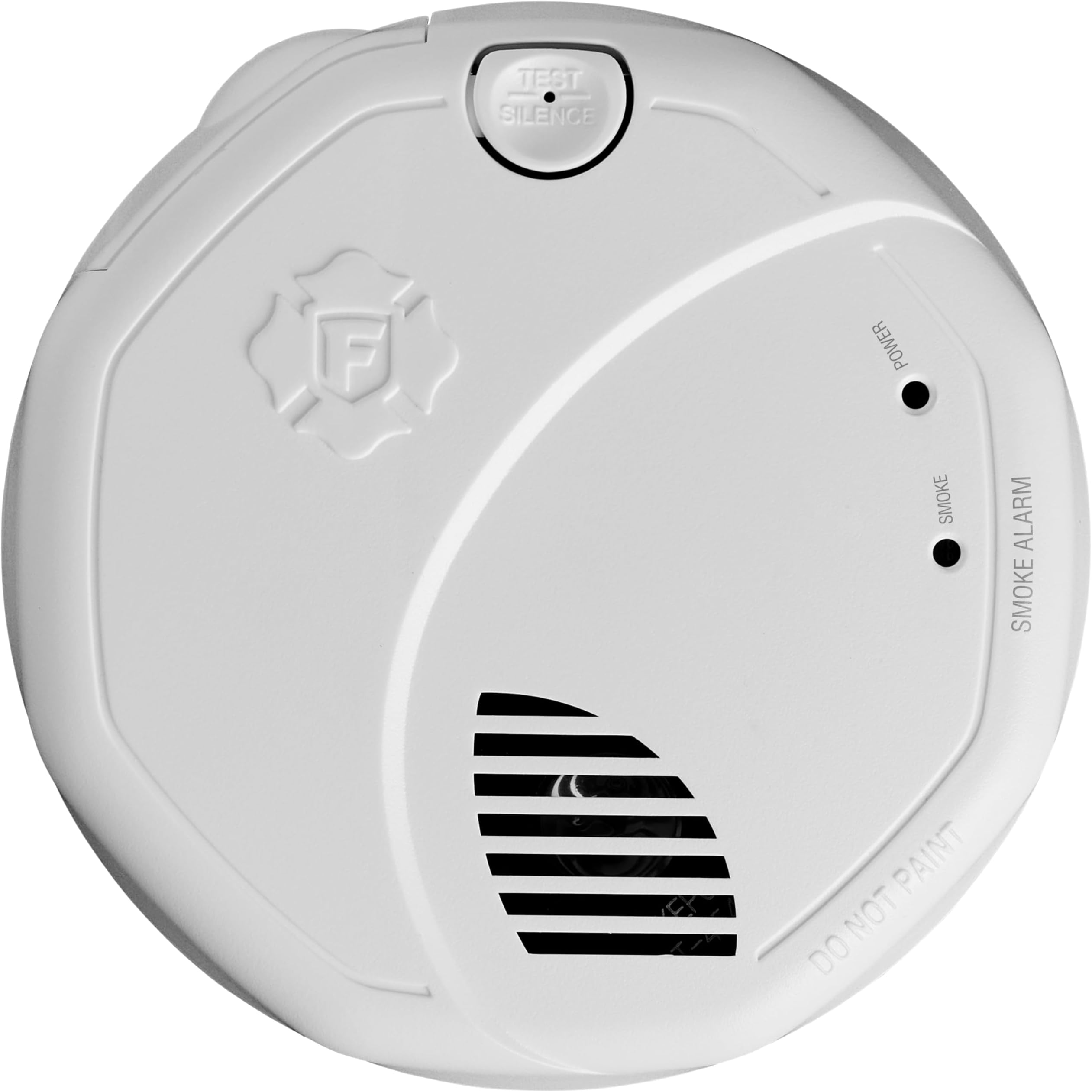
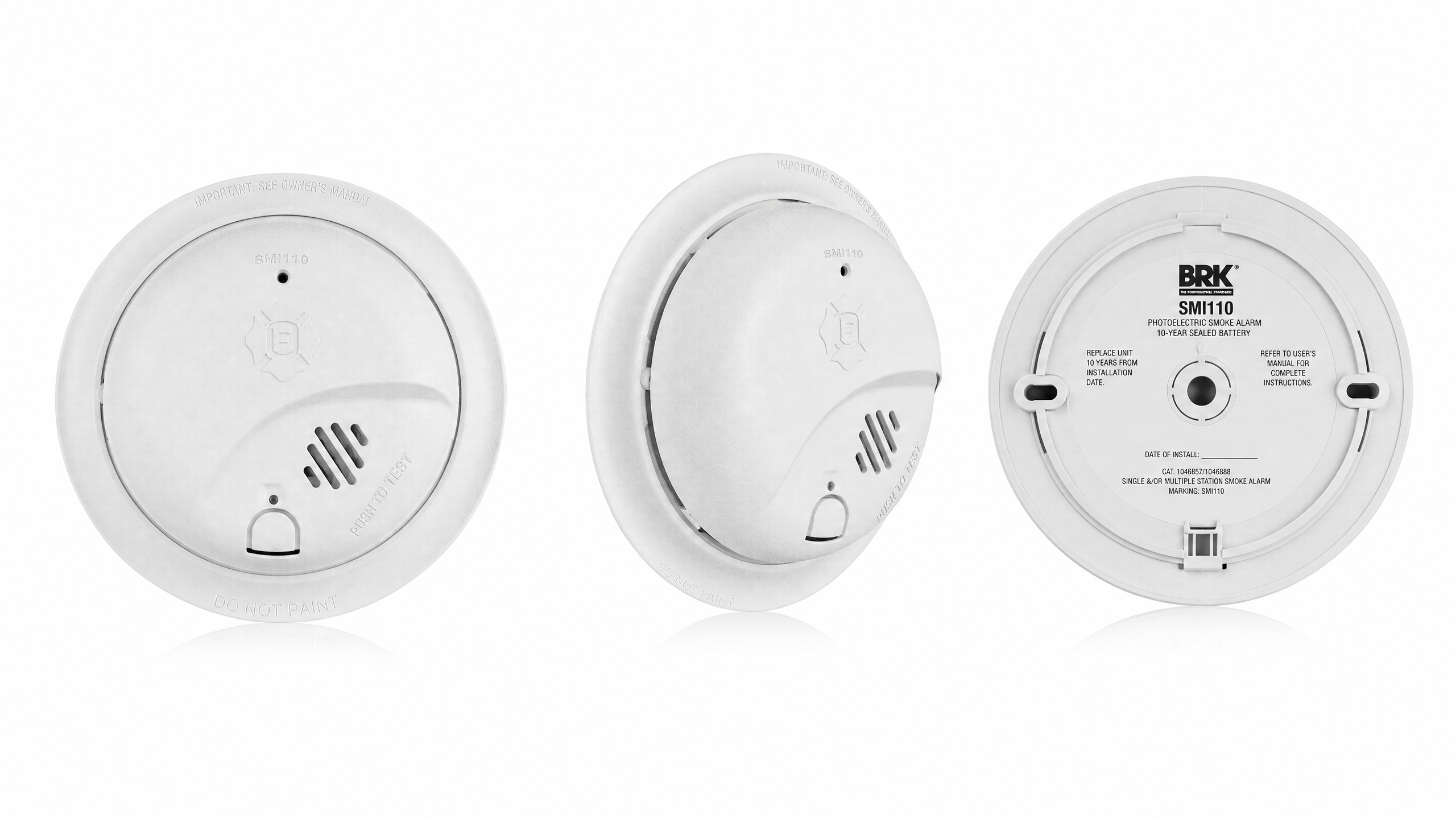
Maintaining the integrity of your BRK Electronics smoke detection system is a fundamental requirement for compliance with the 2026 NFPA 72 (National Fire Alarm and Signaling Code). As of 2026, BRK—a brand under the Resideo umbrella—remains a standard-bearer for both commercial and residential fire safety hardware. Whether you are a property manager overseeing a multi-family complex or a homeowner performing annual maintenance, understanding the technical nuances of BRK battery replacement is critical for life safety and the prevention of nuisance alarms.
In the 2026 safety landscape, many older ionization and photoelectric units are reaching their mandatory 10-year expiration dates. This guide focuses specifically on BRK-branded hardware (often interchangeable with First Alert professional series) and the technical protocols required to ensure these devices function optimally during power outages or sensor triggers.
The 2026 Standard for BRK Smoke Alarm Maintenance
As of 2026, the industry has transitioned heavily toward 10-year sealed battery units; however, millions of BRK hardwired units with 9V or AA battery backups remain in active service. The NFPA 72 2025/2026 updates emphasize that a smoke alarm's backup power source must be verified annually.
For BRK models, the "chirp" is the most common indicator of power failure. However, a chirp in 2026 does not always signify a simple low battery. With the integration of 9th Edition UL 217 standards, newer BRK sensors are more sensitive to internal faults and "end-of-life" (EOL) signals.
Technical Awareness: Distinguishing the Chirp Signals
Low Battery Signal A single, high-pitched chirp occurring once every 30 to 60 seconds indicates that the backup battery (in hardwired units) or the primary battery (in wireless units) has dropped below the required voltage threshold.
End-of-Life (EOL) Signal Five chirps occurring every minute indicate the unit has reached its 10-year operational limit. In 2026, if your unit was manufactured in 2016 or earlier, battery replacement will not stop the chirping; the entire head unit must be replaced.
Malfunction Signal Three chirps every minute usually indicate a sensor failure or significant dust contamination within the sensing chamber, requiring immediate cleaning or unit replacement.
Identifying Your BRK Model and Power Configuration
Before attempting a battery replacement, you must identify whether your BRK device is a standalone battery-powered unit or a hardwired interconnected system. BRK’s 2026 product catalog categorizes these into three main power architectures.
| BRK Model Series | Primary Power Source | Backup/Secondary Battery | Recommended Battery Brand (2026) |
|---|---|---|---|
| BRK 9120B / 7010B | 120V AC Hardwired | 9V Alkaline | Duracell Coppertop / Energizer Max |
| BRK 3120B / 7020BSL | 120V AC Hardwired | 2 x AA Alkaline | Duracell Optimum / Energizer Ultimate |
| BRK 0805 / FG250 | Battery Only | 9V Alkaline | Ultralife Lithium 9V (Long Life) |
| BRK SC9120B (Combo) | 120V AC Hardwired | 9V Alkaline | Duracell Coppertop |
| BRK HD6135FB (Heat) | 120V AC Hardwired | 9V Alkaline | Energizer Max |
Hardwired Systems with Battery Backups
These units are connected to your home’s electrical grid. The battery serves as a "fail-safe" during power outages. If the battery is missing or dead, the unit may chirp even if the AC power is active.
Battery-Only (DC) Alarms
Standalone units rely entirely on the internal battery. In 2026, standard alkaline 9V batteries should be replaced every 12 months, whereas specialized lithium 9V batteries can last up to 5 years in these specific legacy units.
Essential Tools and Battery Compatibility Specs
To perform a professional-grade replacement, you will need:
- A sturdy ladder or step stool: Ensure it is rated for your weight and placed on a level surface.
- Replacement Batteries: Use only high-quality Alkaline (or Lithium if specified) batteries. Avoid carbon-zinc or generic "heavy-duty" batteries, as they lack the discharge curve required for high-decibel alarm sirens.
- A clean microfiber cloth or compressed air: For removing dust from the sensor vents.
- A non-conductive tool (optional): Such as a plastic screwdriver to help open stubborn battery drawers on older 9120B models.
Battery Brands and Technical Constraints
In 2026, BRK specifically recommends Duracell MN1604 or Energizer 522 for 9V applications. Using "off-brand" batteries can lead to internal resistance issues, causing the alarm to chirp prematurely even when the battery is technically new.
Step-by-Step Technical Guide for Battery Replacement
Follow these steps to ensure the internal capacitor is reset and the sensor is properly calibrated after the power cycle.
Step 1: Secure the Power (For Hardwired Units)
While not strictly required by all local codes, it is a best practice to turn off the circuit breaker dedicated to the smoke alarm circuit. This prevents any accidental electrical surges while handling the unit.
Step 2: Remove the Unit from the Mounting Bracket
Most BRK units use a "twist-and-lock" mechanism. Rotate the alarm counter-clockwise (left) to release it from the ceiling plate. If it is a hardwired unit, it will be attached by a wire harness. You do not necessarily need to unplug the harness for a battery change, but it makes the process easier.
Step 3: Access the Battery Compartment
- Slide-Out Drawers: Many BRK models (like the 9120B) feature a side-loading drawer. Simply slide it out.
- Rear-Loading Compartments: Some older or specialized models require you to open a hatch on the back of the unit.
Step 4: Discharge Residual Energy (The "Reset" Step)
This is the most overlooked step in DIY maintenance. Once the old battery is removed, press and hold the "Test/Silence" button for 15–20 seconds. This drains any remaining charge from the internal capacitors. Failing to do this can cause the unit to "remember" the low-battery state, leading to continued chirping even with a fresh battery.
Step 5: Install the Fresh Battery
Verify the polarity (+ and -) and snap the battery into place. Ensure the battery drawer is closed completely. If the drawer does not close, the battery is likely installed backward; BRK units feature a lockout pin to prevent closure without a battery.
Step 6: Reinstall and Test
Reattach the wire harness (if removed) and twist the unit back onto the mounting bracket. Turn the AC power back on. The green LED should glow steadily. Press the "Test" button; the alarm should sound a loud, piercing 85dB sequence.
Advanced Troubleshooting: Why Your BRK Alarm Still Chirps After Replacement
If you have replaced the battery and performed the "reset" step, but the chirping persists, consider these professional-grade troubleshooting factors:
- Interconnect Interference: In interconnected systems, a low battery in the basement unit can cause the master bedroom unit to chirp. You must check every single alarm in the house.
- Environmental Contamination: Dust, small insects, or high humidity can trigger the sensor or a "fault" chirp. Use compressed air to blow out the sensing chamber.
- Voltage Fluctuations: If your home's AC power is inconsistent, the BRK unit may toggle to battery backup frequently, draining the battery faster than expected.
- Date of Manufacture: Look at the back of the alarm. If the date is more than 10 years old (e.g., manufactured in 2015 or earlier), the internal sensor has likely degraded beyond safe limits. No amount of battery changes will fix an expired unit.
Comparative Analysis: Lithium vs. Alkaline Performance in 2026
Property owners often ask if they should upgrade to Lithium batteries for their BRK backups.
Pros of Lithium 9V Batteries
- Longevity: Can last 5–10 years in some standalone units.
- Temperature Resistance: Far superior in unconditioned spaces like attics or garages.
- Stable Discharge: Maintains a steady voltage until near the end of its life.
Cons of Lithium 9V Batteries
- Initial Cost: Significantly higher price point per unit.
- Voltage Drop-Off: Unlike Alkaline, which fades slowly, Lithium drops off sharply. This means the "low battery" warning period may be shorter before the unit goes completely dead.
- Compatibility: Some older BRK hardwired units are specifically calibrated for the discharge curve of Alkaline batteries; check your specific model's manual before switching.
Environmental Impact and Proper Battery Disposal
In 2026, disposal regulations for 9V batteries have tightened. Do not dispose of 9V batteries in standard trash without taping the terminals. If the terminals touch metal in a garbage truck, they can spark a fire. Utilize local e-waste recycling centers or "Call2Recycle" drop-off points found in most major hardware retailers.
Frequently Asked Questions
Why does my BRK smoke alarm chirp only at night?
This is usually caused by a "marginal" battery. As the temperature drops at night, the chemical reaction inside the battery slows down, causing a slight voltage dip. This dip is often enough to trigger the low-battery sensor, which resets during the warmer daytime hours.
How often should I replace my BRK batteries in 2026?
According to NFPA 72 (2025/2026 guidelines), batteries in smoke alarms should be replaced at least once a year, unless the unit is a sealed 10-year model. We recommend aligning this task with the end of Daylight Saving Time to ensure consistency.
Can I use rechargeable batteries in my BRK smoke detector?
No. Most rechargeable batteries (NiMH) have a higher self-discharge rate and a lower nominal voltage (typically 1.2V per cell vs. 1.5V for alkaline). This will cause the smoke alarm to enter "low battery" mode almost immediately and may fail to power the siren during a fire.
What does a red flashing light on a BRK smoke alarm mean?
On most BRK models, a flashing red LED (usually once every 40 seconds) indicates the unit is functioning normally on battery power or is in "standby" mode. If it flashes rapidly, it indicates that the specific unit was the one that initiated an alarm event (Alarm Memory).
How do I stop a false alarm on a BRK unit?
Press the "Silence" button. This will desensitize the unit for approximately 8 to 10 minutes. If the smoke (or dust/steam) is still present after this time, the alarm will sound again. Use this time to ventilate the area.
Ensuring Long-Term System Reliability
Regular maintenance of your BRK smoke alarms is not just a recommendation; it is a life-saving necessity. By utilizing the 2026 standards for battery replacement—specifically the capacitor discharge reset and the use of high-grade alkaline cells—you ensure that your home remains protected against fire hazards. Always remember that smoke alarms have a 10-year lifespan. If your device is approaching its tenth anniversary in 2026, prioritize a full system upgrade to the latest multi-criteria sensing technology to stay ahead of modern fire safety requirements.