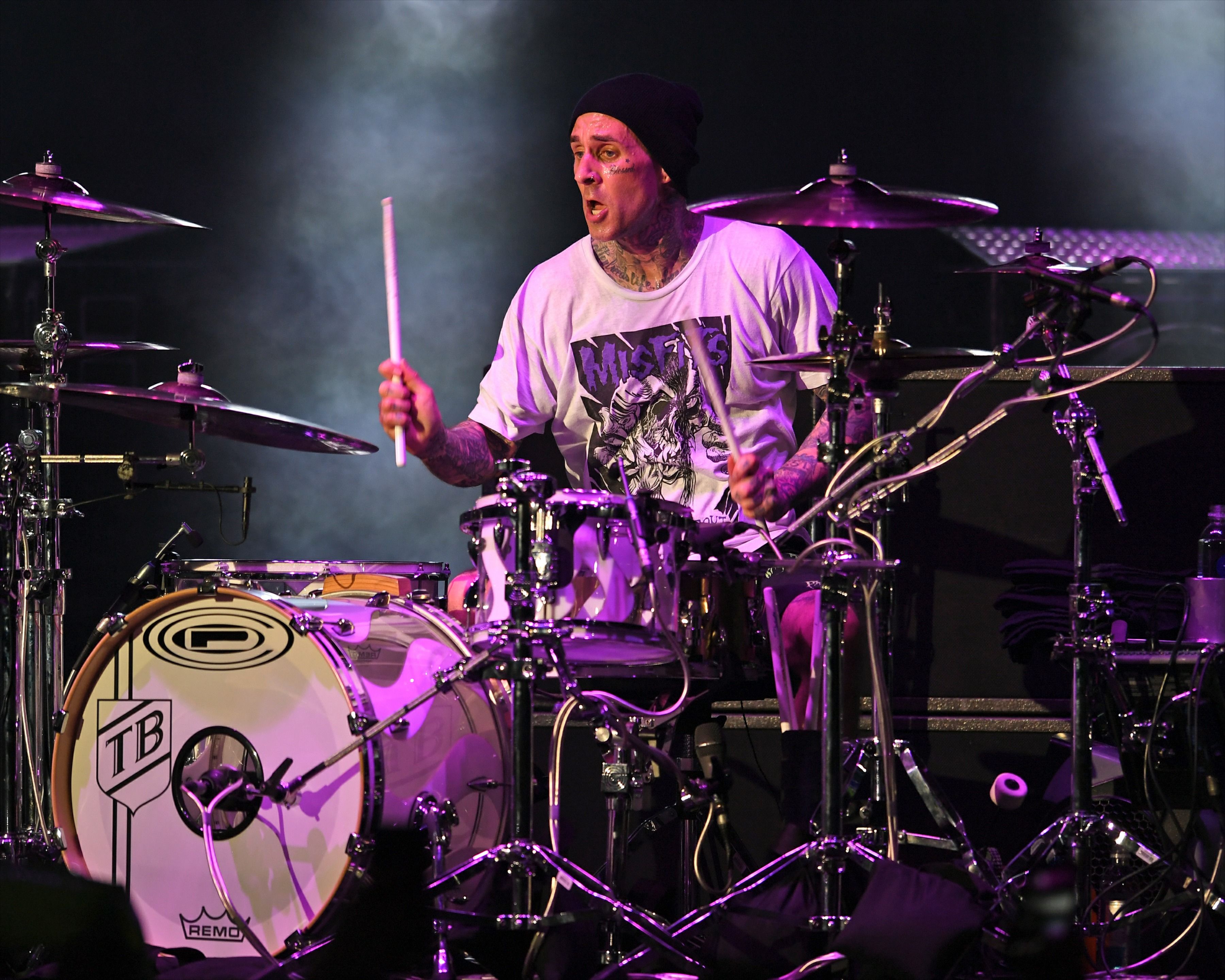
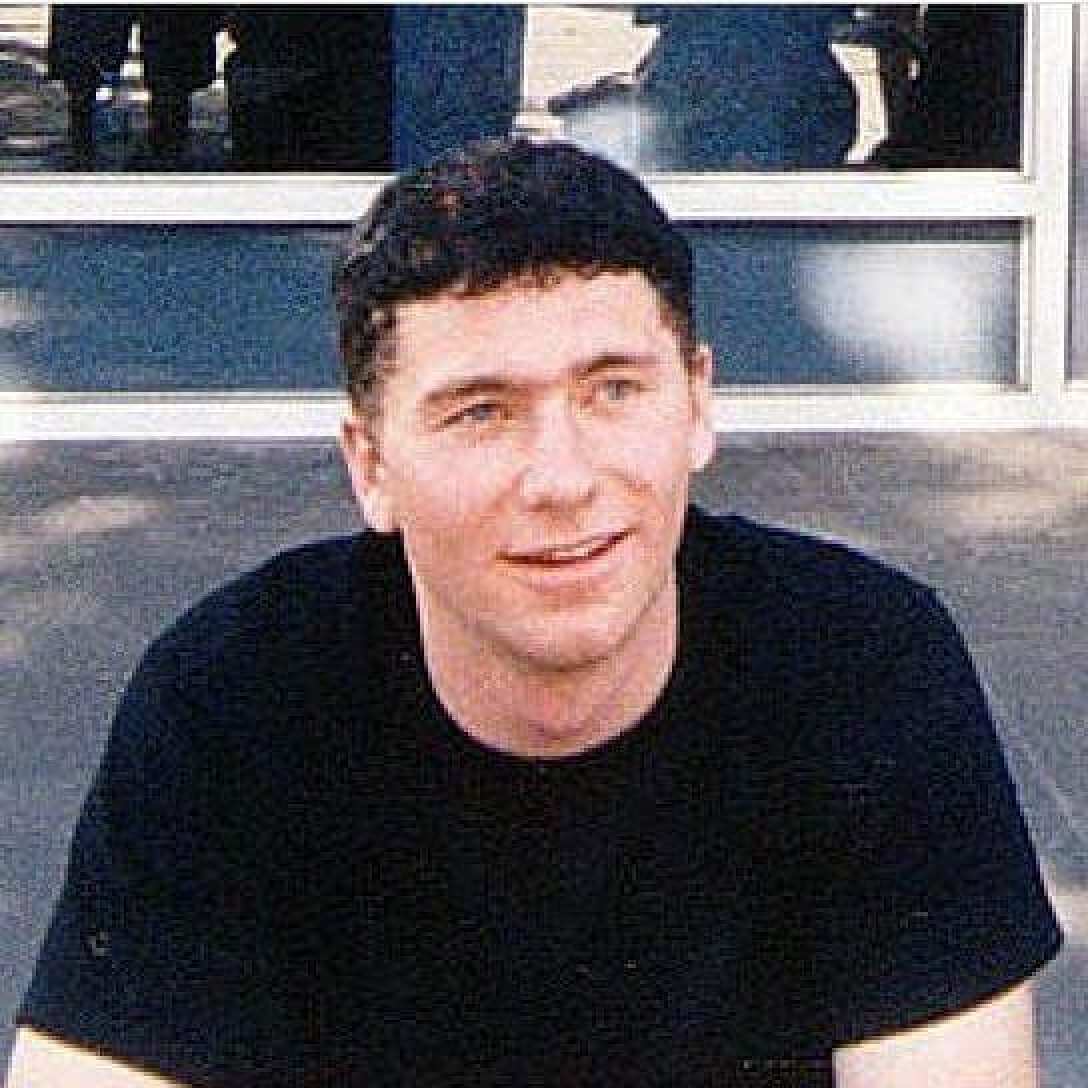
Scott Raynor was the founding drummer of the iconic pop-punk band Blink-182, performing on their seminal early works including Cheshire Cat and Dude Ranch. As of 2026, Raynor’s estimated net worth stands between $1 million and $3 million, primarily fueled by enduring royalties from the band's multi-platinum 1990s catalog and his subsequent low-profile musical contributions.
The Formation of Blink-182 and the San Diego Scene
The history of Scott Raynor is inextricably linked to the birth of modern pop-punk. In 1992, in the suburban landscape of Poway, California, a young Raynor met Tom DeLonge through a mutual friend at a high school battle of the bands. At only 14 years old, Raynor was significantly younger than DeLonge and Mark Hoppus, yet his aggressive, fast-paced drumming style became the backbone of the trio's early sound.
During these formative years, the band—initially just called "Blink"—practiced in Raynor's bedroom, often limited by his parents' schedule. The chemistry was immediate, blending Raynor's raw punk energy with DeLonge’s skate-punk riffs and Hoppus’s melodic basslines. This era was defined by local shows at venues like the SOMA in San Diego and the self-release of various demo tapes, most notably Flyswatter and the Buddha demo. These recordings showcased a band that was unpolished but possessed a frantic energy that resonated with the burgeoning California skate culture.
Raynor’s role during this period was more than just keeping time; he was a founding pillar of a DIY ethos. He participated in the rigorous van touring that defined the mid-90s independent circuit, helping the band build a grassroots following that eventually caught the attention of Cargo Music and later, MCA Records.
Major Label Success: Cheshire Cat and Dude Ranch
Scott Raynor’s professional career reached its zenith during the mid-to-late 1990s. He provided the percussion for the band's debut studio album, Cheshire Cat (1995), which established Blink-182 as a force in the independent scene. However, it was the 1997 release of Dude Ranch that propelled the band—and Raynor—into the global spotlight.
Dude Ranch featured the breakout hit "Dammit," a song that remains a staple of rock radio in 2026. Raynor’s drumming on this track and others like "Josie" reflected a maturation of his style—bridging the gap between the chaotic speed of hardcore punk and the structured accessibility of pop. The album was eventually certified Platinum by the RIAA, a milestone that ensures Raynor continues to receive significant performance and mechanical royalties decades later.
The technicality of Raynor's drumming during this era was characterized by a "straight-ahead" punk approach. Unlike his successor, Travis Barker, who introduced hip-hop and marching band influences, Raynor focused on blistering speed and consistent power. This sound defined the "first wave" of Blink-182 and contributed heavily to the genre's shift from the darker tones of grunge toward the upbeat, irreverent style of pop-punk.
The 1998 Departure and the "Travis Barker Transition"
The most scrutinized chapter of Scott Raynor’s career is his departure from Blink-182 in 1998, midway through the Dude Ranch tour. For years, the circumstances remained a point of contention among fans. The most widely cited reason, corroborated by Mark Hoppus and Tom DeLonge in various interviews, was Raynor’s struggle with alcohol, which had begun to interfere with the band’s professional commitments.
According to band accounts, Raynor was given an ultimatum: seek treatment or leave the band. While Raynor reportedly agreed to enter a program, the internal dynamics of the group had shifted beyond repair. In later years, Raynor offered a more nuanced perspective, suggesting that his departure was also influenced by a desire to pursue other interests and a feeling of being disconnected from the direction the band was heading.
The transition happened rapidly. During a tour with The Aquabats, Travis Barker (then the drummer for The Aquabats) was asked to fill in for Raynor. Barker famously learned the band's entire 20-song setlist in 45 minutes. When Raynor did not return, Barker became the permanent member, and Blink-182 went on to achieve unprecedented commercial success with Enema of the State. While Raynor’s exit was abrupt, he has since expressed a lack of resentment, often stating in rare interviews that he was happy to see his friends succeed.
Career After Blink-182 and Subsequent Projects
Following his exit from the world’s biggest pop-punk band, Scott Raynor intentionally stepped away from the mainstream limelight. He did not, however, stop playing music. His post-Blink career reflects a commitment to smaller, independent projects that allowed him to play without the pressures of global fame.
In the early 2000s, Raynor joined the San Diego-based band The Grids. This project was a departure from the pop-punk sound, leaning more into an indie-rock and post-punk aesthetic. While The Grids did not achieve commercial stardom, they were well-regarded in the local Southern California scene. Raynor also performed with other groups such as Death on Wednesday and LoNero, contributing his signature drumming style to various recordings and live performances.
Beyond music, Raynor has spent significant time involved in charitable work and street-level activism. He became heavily involved with StandUp for Kids, a non-profit organization dedicated to helping homeless and at-risk youth. In 2026, his legacy is often viewed through this lens—a musician who experienced the heights of rock stardom but found greater personal satisfaction in community service and independent art.
Net Worth Analysis: Royalties and Assets in 2026
In 2026, Scott Raynor’s financial standing is largely a product of "passive wealth." While he hasn't toured as a member of a major act in over 25 years, his contributions to the foundational years of Blink-182 provide a steady stream of income.
Revenue Streams Breakdown
- Mechanical Royalties: As the drummer on Cheshire Cat and Dude Ranch, Raynor is entitled to a portion of the royalties whenever these albums are sold, streamed, or downloaded. With Dude Ranch having sold millions of copies, these checks remain substantial.
- Performance Royalties: Whenever songs from his era (like "Dammit" or "M+M's") are played on the radio, in movies, or on television, organizations like ASCAP or BMI collect fees that are distributed to the performers.
- Sync Licensing: Blink-182’s early music is frequently licensed for use in documentaries about the 90s, video game soundtracks, and nostalgic commercial campaigns. Raynor receives a share of these synchronization fees for tracks on which he performed.
- Independent Projects: While minor, his work with The Grids and other bands contributed to his total career earnings through local touring and independent sales.
| Asset/Revenue Category | Estimated Value/Impact (2026) | Description |
|---|---|---|
| Catalog Royalties | High | Ongoing income from Dude Ranch and Cheshire Cat. |
| Streaming Revenue | Moderate | Sustained by millions of monthly listeners on platforms like Spotify. |
| Past Tour Earnings | Low/Historical | Earnings from 1993–1998 tours and early merchandise. |
| Real Estate & Investments | Moderate | Personal assets and conservative financial management post-fame. |
| Total Net Worth | $1M - $3M | Cumulative estimate based on 30+ years of industry presence. |
The Legacy of Scott Raynor's Drumming Style
To understand Raynor's importance, one must look at the technical shift he represented. In the early 90s, punk drumming was often either overly simplistic or buried in a muddy mix. Raynor brought a crisp, high-tempo precision to the kit that defined the "SoCal Sound."
His use of the "standard punk beat" (the 2/4 kick-snare pattern) was executed with a velocity that many of his peers couldn't match. This speed was essential for Tom DeLonge’s fast-picked power chords. Music historians often note that while Travis Barker brought the "flair" and "technical mastery" that took the band to stadiums, Scott Raynor provided the "authenticity" and "grit" that made them legends in the underground scene.
In 2026, many younger drummers in the "Pop-Punk Revival" movement cite Raynor’s work on Dude Ranch as a primary influence. His ability to maintain energy without over-playing allowed the songwriting—focused on teenage angst and suburban boredom—to take center stage.
Frequently Asked Questions
Why did Scott Raynor leave Blink-182?
Scott Raynor left Blink-182 in 1998 during the Dude Ranch promotional tour. The primary reason cited by band members was his struggle with alcohol, which led to a breakdown in communication and professional reliability. Raynor has also mentioned wanting to pursue education and different creative outlets as contributing factors.
Does Scott Raynor still get royalties from Blink-182?
Yes. As a performing member on the band's first two studio albums and several early demos, Raynor receives royalties for his contributions. This includes physical sales, digital streams, and sync licensing for songs like "Dammit," "Josie," and "M+M's."
Who replaced Scott Raynor in Blink-182?
Travis Barker replaced Scott Raynor. Barker was originally the drummer for The Aquabats, a band that was touring with Blink-182 at the time of Raynor's departure. Barker initially filled in as a temporary replacement before becoming a permanent member.
What is Scott Raynor doing in 2026?
By 2026, Scott Raynor has largely retired from the professional music industry but remains active in the San Diego community. He is known for his work with homeless youth charities and occasionally participates in small-scale musical projects or interviews reflecting on the early days of the pop-punk scene.
Did Scott Raynor play on the album Enema of the State?
No. Enema of the State (1999) was the first Blink-182 album to feature Travis Barker on drums. Raynor’s final full-length studio contribution was the 1997 album Dude Ranch.
How to Explore Scott Raynor’s Musical Contributions
For fans looking to understand the foundational sound of Blink-182, the best course of action is to revisit the 1997 album Dude Ranch. This record captures Raynor at the peak of his technical abilities and showcases the specific energy that defined the band before they became a global pop phenomenon.
Listeners should pay close attention to the track "A New Hope" or the bridge of "Dammit" to hear Raynor’s ability to navigate rapid-fire tempo changes. Additionally, seeking out the Buddha compilation provides a glimpse into the raw, unpolished talent of a drummer who, despite his short tenure, left an indelible mark on the history of rock music. For those interested in his later work, searching for The Grids on independent music platforms offers a fascinating look at how his style evolved after leaving the world of pop-punk.