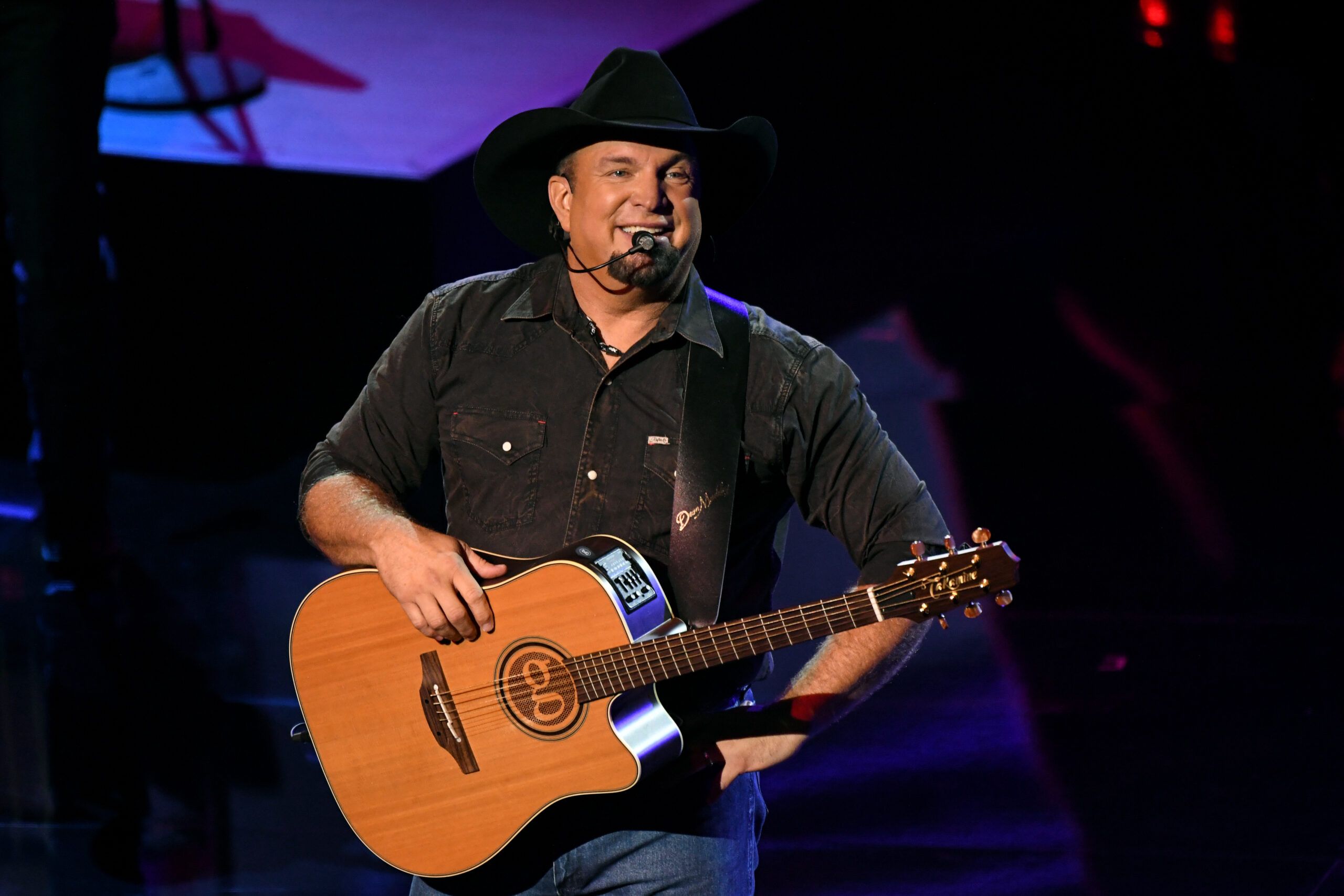
Garth Brooks remains the highest-selling solo album artist in United States history, a title he has defended vigorously into 2026. As of this year, Brooks’ estimated net worth stands at approximately $400 million to $430 million, a fortune built on record-breaking tours, strategic retail partnerships, and a burgeoning Nashville hospitality empire.
The financial narrative of Garth Brooks is not merely one of talent, but of extreme leverage and unconventional business logic. Unlike many of his peers who succumbed to the standard streaming models of the 2010s, Brooks maintained a tight grip on his intellectual property and distribution channels. This control has allowed him to curate a "big money" ecosystem that prioritizes volume, brand loyalty, and ownership over the fractional royalties of modern digital platforms.
The Architecture of a $400 Million Fortune
To understand the scale of the Garth Brooks business empire in 2026, one must look past the "Friends in Low Places" persona and examine the structural mechanics of his wealth. His net worth is largely a combined figure with his wife, fellow country star Trisha Yearwood, but Brooks’ individual contributions through his production entity, Pearl Records, and his touring companies form the bedrock of their financial standing.
Brooks’ wealth is characterized by high liquidity and low overhead relative to his gross earnings. While many artists lose 15-25% of their revenue to predatory management or label deals, Brooks famously took control of his masters and distribution early in his career. By 2026, his "Big Money" status is defined by four primary pillars:
- Live Performance Revenue: Massive stadium tours and high-guarantee Las Vegas residencies.
- Physical and Digital Distribution: Exclusive deals with Amazon and Walmart that bypass traditional label cuts.
- Real Estate and Hospitality: The "Friends in Low Places" Bar & Honky-Tonk on Nashville’s Lower Broadway.
- Intellectual Property: Ownership of his master recordings and publishing rights.
The Touring Machine: Volume Over Price
Garth Brooks has redefined the economics of live music. While contemporary pop stars often charge $300 to $1,000 for "platinum" seating, Brooks has historically maintained a more accessible price point, often capping tickets at under $100. His financial brilliance lies in the Volume-Based Model. Instead of maximizing the profit per ticket, he maximizes the number of tickets sold, often playing multiple nights in a single city or multiple shows in a single night.
In the mid-2020s, including his 2026 engagements, Brooks has transitioned from the grueling schedule of stadium tours to the highly lucrative "Plus-One" residency in Las Vegas. These residencies are financial goldmines because they eliminate the massive logistical costs of transporting stages, lighting rigs, and hundreds of crew members across the country. By performing in a fixed venue like the Colosseum at Caesars Palace, Brooks captures a higher percentage of the "back-end" profit, including merchandise and VIP experiences.
The Impact of the Stadium Tour
Before his residency phase, the Garth Brooks Stadium Tour was a case study in logistics and revenue. Averaging over 70,000 attendees per stop, the tour generated hundreds of millions in gross ticket sales. Brooks’ ability to sell out multiple nights in the same venue—often announced only after the first show sold out—created a "scarcity-to-surplus" demand cycle that kept his earnings consistent across every fiscal quarter.
Strategic Distribution and the Amazon Partnership
One of the most discussed aspects of Brooks’ business empire is his refusal to place his music on Spotify or Apple Music. From a financial standpoint, this was a calculated risk that paid off. By withholding his catalog from fractional-cent-per-stream platforms, he forced his massive fanbase toward high-margin purchases.
In 2026, his exclusive digital partnership with Amazon Music remains a cornerstone of his earnings. This deal provided Brooks with a significant upfront licensing fee and guaranteed marketing support, while allowing him to maintain the integrity of his album-only listening experience.
Furthermore, his long-standing relationship with Walmart for physical "box sets" and exclusive vinyl releases has allowed him to tap into a demographic that still values physical media. These bundles—often containing multiple CDs or LPs for a price point that seems like a bargain to consumers—ensure that Brooks moves millions of units, keeping him at the top of the RIAA certification charts and generating significant manufacturing-to-retail profits.
Diversification: Friends in Low Places and Beyond
No modern entertainment empire is complete without a footprint in the hospitality and media space. The 2024 opening and subsequent 2025-2026 expansion of the Friends in Low Places Bar & Honky-Tonk in Nashville marked Brooks’ official entry into the competitive "Celebrity Bar" market.
Located at 411 Broadway, the 40,000-square-foot venue is more than a restaurant; it is a multi-level brand experience that includes a retail store, a podcast studio, and live performance spaces. This venture provides several key financial benefits:
- Recurring Cash Flow: Unlike a tour, which has a start and end date, a bar provides daily revenue through food, beverage, and merchandise.
- Asset Appreciation: The real estate on Nashville's Broadway is some of the most valuable in the Southeast United States.
- Synergy: The bar serves as a marketing hub for his latest music, Amazon specials, and ticket sales.
| Revenue Stream | Business Model | Estimated Annual Impact (Gross) | Strategic Value |
|---|---|---|---|
| Las Vegas Residency | High-margin, low-overhead fixed performances | $50M - $70M | Maximizes profit per seat; minimizes travel costs. |
| Amazon Music Deal | Exclusive licensing and digital distribution | $10M - $15M | Upfront guarantees; protects master recording value. |
| Retail (Walmart/Vinyl) | High-volume physical bundles | $5M - $8M | Targets core demographic; boosts RIAA certifications. |
| Nashville Hospitality | Bar/Restaurant and live venue | $20M - $30M | Diversifies assets into real estate and F&B. |
| Merchandise | Direct-to-fan sales (Online & On-site) | $12M - $18M | High-margin secondary revenue. |
Ownership: The Foundation of the Brooks Empire
The single most important factor in Brooks’ "Big Money" status is ownership. Early in his career, Brooks realized that the real wealth in the music industry wasn't in the "advance" from a record label, but in the "back-end" ownership of the masters.
By owning his masters through Pearl Records, Brooks does not have to share the majority of his royalties with a parent label like Universal or Sony. When his music is used in a documentary, sold on Amazon, or played in his bar, the lion's share of the licensing fee goes directly to his company. This level of autonomy is rare for artists of his stature and is the reason he can afford to keep ticket prices low while his net worth continues to climb.
Managing the Brand: The Garth Brooks Methodology
Garth Brooks manages his brand with the precision of a Fortune 500 CEO. He is known for being deeply involved in every aspect of his business, from stage design to the specific wording of press releases. This "hands-on" approach prevents "leakage"—the loss of revenue through unnecessary intermediaries or poorly negotiated contracts.
In 2026, he continues to leverage media partnerships, such as the documentary series on Amazon Prime, to maintain his relevance among younger demographics without compromising his core identity. By controlling the narrative of his career, he ensures that his brand remains a "premium" asset, allowing him to command top-tier fees for any corporate appearance or limited-edition product launch.
Recommendations for Tracking Celebrity Wealth
When analyzing the financial health of an empire as large as Garth Brooks’, it is important to distinguish between "Net Worth" (total assets minus liabilities) and "Annual Earnings" (cash flow). While his net worth is estimated at over $400 million, his annual earnings can fluctuate wildly depending on whether he is on tour or in a "maintenance" phase.
For those looking to understand the mechanics of music industry wealth, Brooks serves as the primary example of why independent distribution and master ownership are superior to traditional label deals for long-term wealth accumulation. Investors and analysts should watch his Nashville hospitality ventures closely, as these represent the "legacy" phase of his empire—shifting from performance-based income to asset-based income.
FAQ: Garth Brooks Net Worth and Earnings
What is Garth Brooks' estimated net worth in 2026?
As of 2026, Garth Brooks has an estimated net worth of approximately $400 million to $430 million. This figure is often calculated as a joint net worth with his wife, Trisha Yearwood, given their shared business ventures and real estate holdings.
Why isn't Garth Brooks on Spotify or Apple Music?
Brooks has stated that he disagrees with the royalty structures and the "song-based" rather than "album-based" approach of these platforms. He believes they devalue the work of songwriters and the integrity of an album. Instead, he maintains an exclusive digital partnership with Amazon Music, which offered terms more aligned with his business philosophy.
How much does Garth Brooks make per concert?
During his stadium tours, Brooks can gross between $5 million and $9 million per stop. However, his "take-home" pay is significantly influenced by his low ticket pricing strategy. In a residency setting, like his 2026 Las Vegas shows, his earnings are more predictable, often involving high guaranteed minimums plus a percentage of the gate and merchandise.
Does Garth Brooks own his master recordings?
Yes. One of the smartest moves in Brooks' career was securing the rights to his master recordings. Through his own label, Pearl Records, he controls the licensing and distribution of his entire catalog, which is a major contributor to his sustained wealth.
What is "Friends in Low Places" in terms of business?
"Friends in Low Places" is a massive bar, honky-tonk, and entertainment complex located on Nashville’s famous Broadway. Opened in partnership with Strategic Hospitality, it represents Brooks' major move into the service and real estate industry, providing a permanent physical location for his brand.
How do his album sales compare to other artists?
Garth Brooks is the #1 selling solo artist in the U.S., with over 157 million certified units shifted. He has more Diamond-certified albums (10 million+ sales) than any other artist, including The Beatles and Elvis Presley, which provides him with a massive, ongoing stream of residual income.